
Professional lawn care depends on opening compacted soil without tearing the turf apart. A manual core aerator removes small soil plugs, while spike tools create channels for water and air, so the right choice depends on lawn size, soil density, and the amount of equipment your grounds routine can support. The six options below cover targeted spot work, compact yards, and tractor-powered passes over larger properties.
A Snapshot Of The Selections

HOMIER Lawn Coring Tool Soil Sampler

FRIDOU Aerator with Hollow and Solid Tines

SakerPlus Hand Metal Spike Lawn Aerator

SakerPlus Self-Cleaning Spike Lawn Aerator
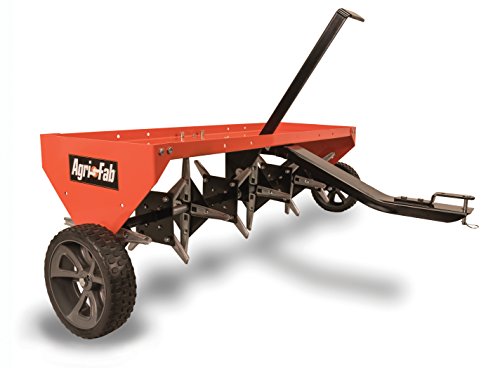
Agri-Fab 48-Inch Tow Plug Aerator

Qsxou Hollow-Tine Manual Core Aerator
A Breakdown Of The Leading Choices
The HOMIER tool takes a focused approach to core aeration, using a sampling probe to remove small soil plugs. That format makes it more practical for isolated patches along paths, gateways, and heavily walked areas than for blanket treatment across an expansive property.
You benefit from removing soil rather than merely puncturing the surface, since core removal creates openings for air, water, and nutrients. For most backyards, its narrow scope may prove more useful for follow-up care than a complete lawn treatment, and the listing provides few details about handle length or included accessories.
What Works In Its Favor
- Core removal targets compacted sections without relying on a powered machine.
- The probe format suits precise work around high-traffic lawn areas.
- Opening the soil can improve access for water, air, and nutrients.
Small Caveats
- The limited specifications make large-scale capacity difficult to assess.
- Owners will need to clear collected soil from the work area between punctures.
Made For
This option suits groundskeepers who maintain a few stubborn patches and prefer manual spot aeration over repeated passes with a wide machine.
Where A Sibling Pick Shines
The Agri-Fab 48-Inch Tow Plug Aerator serves professionals treating substantially larger lawns with a tractor.
A 37-43-inch adjustable handle and interchangeable 5.9-inch tines give the FRIDOU more reach than the compact HOMIER probe. You can switch between hollow and solid tips through a detachable base plate, giving one tool a distinct role in core removal and another in opening soil channels.
Hollow tines extract cores, which matters for rebuilding density in compacted ground. Solid tines instead make punctures that help amendments and irrigation move through the upper soil layer, making this a flexible choice for mixed maintenance routines.
Why It Works Well
- Interchangeable hollow and solid tines cover two aeration methods.
- Height adjustment helps place the tool across different working positions.
- The longer handle reduces the amount of deep bending required during smaller jobs.
- Core and spike options can handle separate stages of seasonal lawn care.
Practical Considerations
- Changing tines adds setup time between coring and puncture passes.
- Manual work still takes longer than the tractor-powered Agri-Fab option on large grounds.
Quick Facts
Built With In Mind
This model fits mixed-care teams that need both core removal and channel-making tools without reaching for separate manual implements.
Consider Something Else When
The SakerPlus Self-Cleaning Spike Lawn Aerator offers a better fit for crews repeatedly puncturing large, debris-prone areas.
Reinforced iron and a rust-resistant coating give the SakerPlus a substantial feel for repeated spike work. Its screw-secured foot pedal and double-layer platform prioritize load control and stability, which matters when you drive the spikes into dense soil and transfer your weight through the platform.
Unlike the FRIDOU, this model concentrates on puncturing rather than interchangeable core removal. Depending on your soil, spike channels can improve surface access without extracting plugs, making repeated passes and tip cleaning part of the ownership routine.
Everyday Advantages
- Thickened iron supports use in demanding ground and repeat maintenance cycles.
- The coating helps reduce exposure to surface corrosion between jobs.
- A reinforced pedal connection improves mechanical stability under body weight.
- The spike format leaves the general turf surface less disrupted than core extraction.
Points To Note
- Spikes create channels rather than removing soil plugs.
- Clay soil may require multiple passes and regular debris removal.
Feature Snapshot
Who Should Grab It
This option suits experienced lawn-care workers who repeatedly puncture moderate areas and favor a sturdy spike platform.
Reach For A Different Pick When
The Qsxou Hollow-Tine Manual Core Aerator suits focused treatments where extracting plugs matters more than puncturing the surface.
Spring assistance takes the labor-intensive lifting cycle out of each puncture. You step onto the platform, the double-layer mechanism raises itself, and the tines withdraw from the ground, reducing repeated bending and pulling during long walking patterns.
The self-cleaning design also appears designed to release clinging soil, which is helpful after damp passes. For most maintenance crews, that automatic reset can preserve a steady rhythm better than the SakerPlus Hand Metal Spike Lawn Aerator, although the available details do not establish a coverage measurement.
A Few Strong Suits
- Spring loading reduces the need to manually remove each spike from the ground.
- Self-cleaning tines limit time spent scraping accumulated material.
- The walking motion supports straight, repeated passes across open turf.
- Less bending makes the tool approachable for routine lawn work.
Minor Gripes
- The spring assembly adds moving parts that owners should keep free of packed soil.
- It does not remove cores, so it is unsuitable for tasks requiring plug extraction.
Right Fit For
This aerator fits lawn-care teams that walk large accessible areas and want less bending plus fewer manual cleaning stops.
Swap It Out When
The FRIDOU Aerator with Hollow and Solid Tines better serves mixed jobs that alternate core removal with spike puncturing.
A 48-inch working width and 32 galvanized knives put the Agri-Fab in a different ownership class from every manual pick. Tractor power supplies the penetration and pulling force required for full-property core aeration, while the universal hitch supports common towing arrangements.
The knives pull plugs as deep as three inches, making the tool relevant to dense, established grounds. Flat-free tires support movement over the lawn, and a cantilever handle lets you raise or lower the implement from the tractor seat, though turning areas still require care.
What Pays Off
- The 48-inch width reduces the number of passes across broad lawns.
- Thirty-two knives cover a meaningful area during each working pass.
- Three-inch core depth addresses heavily compacted soil.
- The hitch and seat-controlled handle support efficient grounds maintenance.
- Galvanized knives add corrosion resistance for outdoor storage and use.
Practical Considerations
- You need compatible tractor towing equipment and open turning space.
- Core plugs require collection or dispersal after each pass.
Key Specs
Built With In Mind
This model suits commercial crews and large-property managers who need repeatable core removal from a tractor.
Look Elsewhere When
The HOMIER Lawn Coring Tool Soil Sampler offers a better fit for isolated patches where a full tow-behind implement is unnecessary.
Two hollow, heat-treated tines concentrate this tool on core extraction from compacted ground and clay soil. The steel body and sharpened tips target repetitive manual coring, and the hollow profile releases soil plugs instead of leaving them packed inside the tines.
Watering dry soil before use can soften the ground and improve entry, particularly in dense patches. You may find two tines restrictive across a full lawn, so the Qsxou makes more sense for targeted work than for blanket treatment, but it handles a different coring task than the spike-focused SakerPlus models.
Strong Points
- Hollow tines remove visible plugs and reduce buildup inside the tips.
- Heat treatment supports tip durability in demanding soil.
- The focused two-tine layout suits repairing isolated compacted areas.
- Pre-watering dry ground can improve penetration and plug release.
Less-Strong Areas
- Two tines provide limited coverage on expansive lawns.
- The source does not specify handle length, weight, or included parts.
Core Details
Specialty Use
This aerator serves gardeners repairing compacted clay patches or treating selected lawn sections where plug removal is the priority.
A Better Fit Elsewhere
The Agri-Fab 48-Inch Tow Plug Aerator better serves professionals covering broad grounds with tractor-powered core extraction.
Choosing Equipment Around Lawn Scale And Soil
Core Removal Versus Spike Aeration
Core aeration removes plugs of soil, creating room for air, water, and nutrients to move through the root zone. Spike aeration punctures the ground without removing material, making it less disruptive but mainly useful for opening surface channels or preparing soil for amendments.
Matching Equipment To Property Size
A hand tool works well for isolated sections, worn paths, and modest lawns where storage space matters. Larger grounds demand wider coverage, so the Agri-Fab 48-Inch Tow Plug Aerator reduces passes and provides enough depth for compact maintained turf.
Tine Design And Working Comfort
Hollow tines benefit tasks requiring soil removal, while solid tines support puncturing and amendment placement. Height adjustment, spring return, and self-cleaning mechanisms also influence fatigue and cleanup across repetitive maintenance schedules.
Soil Conditions And Turf Health
Hard, dry ground increases resistance and can damage tool entry, while saturated soil may clog hollow tines. Watering dry soil before manual coring can soften the upper layer, and clearing extracted plugs afterward restores an even lawn surface.
Practical Aerator Decisions
Mistakes Worth Dodging
Choosing by lawn size alone can hide a soil mismatch. A spike tool punctures compacted ground but does not extract plugs, while a narrow core aerator on expansive turf becomes a repetitive chore. Match tine style to the treatment, then confirm storage and transport needs.
What Separates Premium From Basic
Extended handles, adjustable positioning, spring-assisted lifting, and self-cleaning tines reduce fatigue and cleanup. Tractor-powered models add the greatest coverage, which matters when core depth and a broad 48-inch pass justify the towing setup.
