
Closet rods can turn unused corners, awkward alcoves, and undersized wardrobes into functional storage. I’ve selected options for homeowners who need more hanging capacity, floor-friendly installation, mobile garment storage, or a simple drop-in pole. The right choice depends on available space, mounting surfaces, expected weight, and whether the rod stays fixed or moves with the household.
The Shortlist At A Glance

M MZG Heavy Duty Rolling Garment Rack

JICUIGE Tension Pole 41-122in

Supforce Hanging Closet Rod

M MZG 2PCS Rolling Garment Racks
Mavivegue Oval Closet Rod
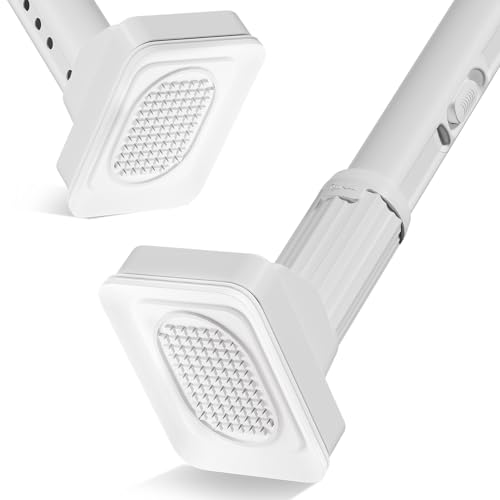
JICUIGE Tension Pole 41-102in
JICUIGE Tension Pole 30-45in

TwinkleTool Hanging Closet Rod
A Closer Look At Each Pick
The M MZG Heavy Duty Rolling Garment Rack suits households needing a complete storage zone rather than a single hanging bar. Its 43.3-inch width, three rods, three wire tiers, and side hooks can separate coats, shirts, shoes, and folded pieces in a bedroom or shared dressing area.
Carbon steel construction gives it a more substantial feel than the telescoping options later in this roundup. I’d favor this rack for a large closet or a room where I want storage I can reposition as the wardrobe changes.
Why It Works Well
- Three hanging bars prevent one crowded rail from carrying every garment type.
- The wide frame creates useful separation for shoes, bins, and folded clothing.
- Casters make seasonal wardrobe changes easier than carrying a stationary organizer.
- The listed stationary capacity reaches 750 pounds, supporting bulky storage loads.
Practical Considerations
- The 15.7-inch depth and broad frame require more floor space than a drop-in rod.
- Moving a fully loaded rack can strain the casters, so unloading bulky shelves beforehand is sensible.
Core Details
Built With In Mind
This rack fits homeowners with large wardrobes, shared bedrooms, or bulky seasonal storage needs.
A Better Fit Elsewhere
Homeowners in compact rooms will find the Supforce Hanging Closet Rod more proportionate to limited space.
The JICUIGE Tension Pole 41-122in is made for rooms where permanent drilling isn’t desirable. A telescoping span from 41 to 122 inches covers drying racks, temporary wardrobes, bathroom clothing rails, and curtain support, while suction cups bear against smooth walls.
Compared with Item 1’s large rolling frame, this pole uses little floor space. I see it working especially well in a rental or multipurpose room where the storage requirement changes from season to season.
Reasons It Performs
- The broad adjustment range can bridge many wall-to-wall dimensions without a fixed-length rail.
- Telescoping, which means nested sections that slide in or out, supports quick setup changes.
- Suction bases make the pole useful in bathrooms and temporary drying areas with smooth surfaces.
- The listed 66-pound capacity handles a moderate collection of clothing.
Points To Note
- Suction cups depend on clean, smooth contact surfaces and may not behave as expected on textured walls.
- The 122-inch maximum makes ceiling placement and careful contact with both ends important for heavier loads.
Feature Snapshot
The Right Fit
Renters, temporary-home organizers, and homeowners needing a movable drying or wardrobe rail will appreciate this setup.
Consider Something Else When
The Mavivegue Oval Closet Rod is the steadier choice for a fixed closet installation without tension cups.
Supforce takes a different approach from Item 2 by hanging from an existing closet rod instead of pressing between two walls. That format makes it useful in wardrobes where the usable width is fixed but vertical space remains underused.
The rod expands from 17.5 to 29 inches wide and adjusts from 13.98 to 34 inches tall. For a small apartment closet, those two-axis adjustments may create a useful second tier without permanently changing the surrounding cabinetry.
Useful Touches
- Width adjustment helps the unit fit a range of narrower hanging spaces.
- Height adjustment creates more than one usable level within an existing closet.
- Side hooks provide a convenient stop for accessories and loosely folded pieces.
Worth Bearing In Mind
- The existing main rod and its mounting points must be structurally suitable for the added load.
- Measuring both the available width and the upper clearance is important before assembly.
Quick Facts
Made For
Small-space homeowners benefit most from this vertically adjustable add-on inside an existing wardrobe.
Look Elsewhere When
Those needing broad floor-based capacity will find Item 1’s M MZG rolling rack more useful.
The M MZG 2PCS Rolling Garment Racks turn one product into two mobile storage zones. Each 29.5-inch-wide unit can serve a separate bedroom, divide clothing by household member, or create a central wardrobe area during seasonal changes.
Unlike Item 1’s wider single rack, this pair emphasizes distributed storage. Each unit includes three tiers, a hanging rod, side hooks, carbon steel tubing, and wheels, making it more adaptable to rooms with moderate floor space.
Points In Its Favor
- Two racks make it easier to organize separate clothing categories or rooms.
- Adjustable shelf heights accommodate shoes, folded clothes, and garments of different lengths.
- Wheels bring stored clothing directly to the doorway or laundry area.
- Side hooks add small-item access without requiring another rail.
Practical Limitations
- The two units require a combined floor area and may be unnecessary in one compact closet.
- Listed wheeled capacity is lower than the 750-pound stationary figure, so heavy loads deserve restraint.
- Owners commonly keep wheels oriented for even movement to reduce side wobble in narrow spaces.
Who Will Love This
Shared bedrooms, family dressing rooms, and homes with two useful storage corners benefit from the paired format.
Where Another Pick Shines
A single wardrobe zone is better served by the wider M MZG Heavy Duty Rolling Garment Rack from Item 1.
The Mavivegue Oval Closet Rod focuses on one job: replacing a short or mismatched hanging rail with an adjustable steel span. It extends from 17 to 40 inches, giving it broader reach than the Supforce organizer while avoiding the floor space occupied by Item 1.
The oval profile is worth noting because its shape provides more material than a similarly sized round tube. For a fixed closet, that could translate into a practical hanging bar for coats, dresses, or grouped everyday clothing.
The Upside
- A 17-to-40-inch telescoping range fits many retrofit closet dimensions.
- Steel construction supports up to 66 pounds according to the listed specification.
- The oval tube adds useful rigidity without the depth of a rolling storage rack.
Possible Compromises
- Correct wall or cabinet measurements are needed before the rod is extended.
- This is a hanging bar rather than a complete shelving or mobile storage system.
- Installation may require end brackets not identified in the supplied listing details.
At A Glance
Right Fit For
Homeowners replacing an undersized fixed closet rail will find the adjustable span particularly practical.
Reach For A Different Pick When
Mobile or multi-level organization is better handled by the M MZG 2PCS Rolling Garment Racks.
The JICUIGE Tension Pole 41-102in sits between Item 2’s extra-long reach and Item 7’s short-span design. Its 41-to-102-inch adjustment covers many standard rooms, bathrooms, and temporary wardrobe openings without requiring permanent hardware.
The 99-pound listed support is greater than Item 2’s 66-pound figure, although fit still depends on surface quality and correct tensioning. I’d consider it for drying heavier laundry or organizing a substantial clothing group between smooth walls.
Bright Spots
- The 99-pound rating supports a heavier clothing load than the 66-pound JICUIGE option.
- Suction ends remove the need to drill into a finished wall.
- The 61-inch adjustment range offers substantial flexibility for medium and large rooms.
- The same pole can organize clothes, dry fabric, or support a curtain setup.
Details To Watch
- Both contact surfaces must be smooth, clean, and structurally solid.
- Textured paint and uneven surfaces can reduce suction performance.
- Repeated setup changes may leave visible marks on some painted walls.
Key Attributes
Who Should Grab It
Homeowners needing a movable rod for a medium room, bathroom, or laundry-drying setup fit this profile.
Swap It Out When
A narrow opening under 41 inches is better handled by the JICUIGE Tension Pole 30-45in.
The JICUIGE Tension Pole 30-45in targets the awkward gap that wider rods cannot cover. Its short adjustment range fits narrow alcoves, compact laundry rooms, window areas, and small wardrobe openings, while suction ends preserve finished walls.
The listed 187-pound support is the highest figure among these tension models. That capacity looks useful for a dense cluster of clothing or damp fabric, provided both suction cups achieve a secure hold on compatible surfaces.
Real Benefits
- The 30-inch minimum reaches spaces that the longer JICUIGE poles cannot span.
- High listed support suits concentrated clothing loads in a compact area.
- Telescoping placement simplifies temporary organization without permanent mounting.
- The pole can double as a drying rail or curtain support in a multipurpose room.
Trade Offs To Consider
- The 15-inch adjustment range offers much less flexibility than Item 6’s span.
- Suction cups still require clean, smooth contact areas for dependable placement.
- Checking both ends after extension is wise because uneven pressure can encourage slipping.
Product Snapshot
Best Suited To
Compact-room homeowners and renters needing a short, removable rail on smooth surfaces benefit most.
Another Choice May Suit
The JICUIGE Tension Pole 41-102in is more adaptable across medium rooms and wider wall openings.
The TwinkleTool Hanging Closet Rod uses an existing rod as its support, creating a drop-in organizer for a narrow wardrobe. Its 31.89-inch width and six height positions make it more vertically focused than the Supforce model, which also adjusts in width.
Alloy iron and a 1-inch tube wall produce a substantial frame, with listed support up to 25 pounds. I see that as a sensible fit for lightweight everyday garments in rental housing or a compact closet where cabinet modification isn’t practical.
The Case For It
- The drop-in design uses the existing closet rod without requiring a wall-mounted bracket.
- Six height positions make better use of vertical clearance.
- A 31.89-inch width suits narrower wardrobes that cannot hold a full rolling rack.
- Listed 25-pound support covers smaller clothing groups and everyday accessories.
Less-Strong Areas
- The lower listed load limits dense wardrobes or heavy coats.
- The host closet rod must accommodate the organizer safely.
- Assembly and position adjustment may be less convenient in a tightly packed closet.
Built With In Mind
Apartment residents and homeowners organizing lightweight clothing in a narrow existing closet fit this use case.
Not Your Match When
Households needing broad weight capacity and adjustable width will find Supforce more flexible.
What Matters Before Filling Empty Closet Space
Measure the usable span
A fixed rail needs the opening’s width, while a tension pole also needs enough room for its end mechanisms. I measure at both the floor and intended mounting height, since walls and trim rarely stay perfectly even.
Choose the installation style
Tension poles suit smooth surfaces and temporary arrangements. Drop-in extenders rely on the existing closet rod, while fixed oval poles require secure end support, and rolling racks trade installation simplicity for a much larger footprint.
Match capacity to the wardrobe
Fabric weight matters more than garment count. Shirts and undergarments create lighter loads than coats, towels, or damp laundry, so I leave more support capacity for mixed everyday use.
Think beyond hanging space
Side hooks and lower tiers can make a rod more useful, but each added zone requires additional room. Compact wardrobes benefit most from vertical organization, while large rooms can support separate hanging and shelving units.
Getting The Installation Details Right
Mistakes Worth Dodging
Ignoring the host surface can ruin a tension-pole setup. I confirm that both ends meet smooth, clean material, and I measure the complete opening before extending any pole. Loose measurements are a common reason an adjustable product still fails to fit cleanly.
What Separates Premium From Basic
A higher rating or thicker tube helps with heavier clothing, but flexibility and stability define the better upgrade. Adjustable span, secure locking points, and suitable end hardware matter more than capacity numbers that exceed what the surrounding closet can carry.
