
Heavy-duty extension cords shorten the distance between your tools and the nearest outlet, but the wrong length, connector, or wire gauge can complicate an otherwise straightforward project. DIYers working in workshops, garages, yards, and renovation zones need cords that match the load, environment, and available space rather than simply looking sturdy on the reel.

The Essentials At A Glance
EP 3 Ft Heavy Duty Extension Cord

EP 10 Ft Heavy Duty Outdoor Extension Cord

EP 6 Ft Heavy Duty Outdoor Extension Cord
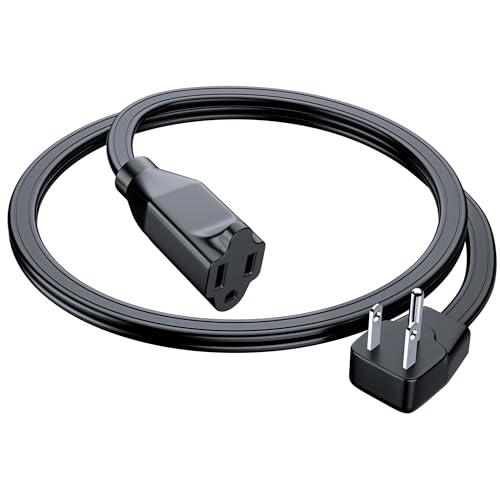
Maximm 1 Ft Black Flat Plug Cord

Zorky 6 Ft Heavy Duty 14-Gauge 3-Prong Flat Plug Cord, 15A, Gray
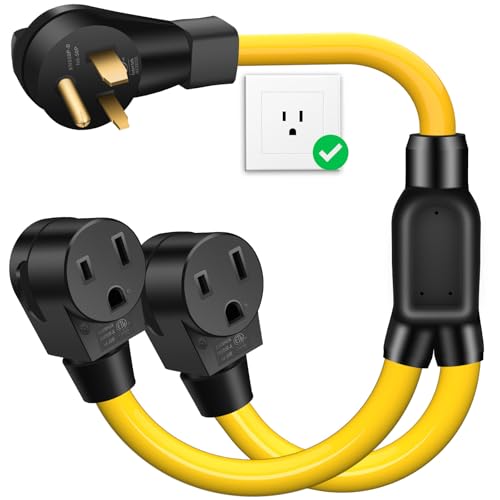
LAZMUMI 50A NEMA 6-50P to Dual 6-50R Y Splitter Cord, 3 Feet
What Each Pick Brings To The Table
A short cord can make a crowded workbench feel more orderly, and this EP model focuses on that compact indoor setup. Its three-foot length suits a nearby outlet, while the black jacket blends into typical garage and workshop surroundings. For larger rooms, you may find the reach limiting, but the short run keeps tool cords from tangling.
The 12-gauge construction gives this cord a more substantial profile than lightweight household leads. That difference matters when you move between a bench saw, charger, or several handheld tools in a busy garage, provided each connected device stays within the cord’s stated rating.
The Good Stuff
- Three-foot length keeps nearby workbench connections compact.
- 12-gauge wire supports higher-current tool use within its stated limits.
- The flexible vinyl jacket is designed for indoor handling and storage.
- Reinforced plug blades add durability at a frequently handled connection point.
Minor Gripes
- The short reach can be limiting in a larger workshop.
- Storage needs careful coiling to prevent avoidable twisting.
Who It Suits Best
Compact-workshop DIYers with a nearby outlet will appreciate the short, manageable run.
Where Another Pick Shines
The LAZMUMI Y Splitter is a better fit for 50A welder or EV connections than this general-purpose indoor cord.
The extra length makes this the more useful EP option for a garage, driveway, or yard project where the outlet sits farther from the work area. Compared with the three-foot model, it trades compactness for reach, making it a more natural fit for outdoor tools and longer equipment runs.
Its white jacket is easy to spot around a busy workspace, which can be useful when you need to keep the cable’s path visible. The 12-gauge wire and three-prong configuration support substantial loads, though the cord still needs to be handled according to the ratings of the equipment connected to it.
The Value In It
- Ten feet reaches farther than the shorter EP alternatives.
- Outdoor-oriented jacket offers flexibility for yard and garage use.
- 12-gauge construction suits higher-current equipment within its rating.
Practical Considerations
- Keep the cable dry and fully coiled during storage.
- Ten feet can be more than necessary for a compact indoor setup.
Made For
Outdoor DIYers working near a distant outlet will value the longer reach.
A Better Fit Elsewhere
The Zorky 6 Ft Heavy Duty 14-Gauge 3-Prong Flat Plug Cord is a better fit for low-profile appliance connections.
Six feet sits between the EP 3 Ft Heavy Duty Extension Cord and the longer 10-foot version, making this a balanced choice for medium-distance work. The yellow jacket is noticeable around equipment, and the flexible construction should be easier to reposition than a short cord with limited slack.
For patio repairs, a portable light, or a garage project, the extra reach can reduce the need to rearrange tools around a fixed outlet. Keep in mind that outdoor placement still calls for dry conditions and careful routing, regardless of the jacket’s outdoor rating.
Notable Upsides
- Six-foot reach handles common medium-distance layouts.
- Bright yellow housing makes the cable easier to identify.
- 12-gauge wire provides a sturdy option for supported loads.
- Flexible jacket supports repositioning around workshop equipment.
Points To Note
- It is less convenient than a short cord for tightly packed spaces.
- Longer runs can become awkward without a proper reel or hook.
Right Fit For
DIYers needing a middle-length outdoor cord for patio, garage, or driveway projects will appreciate it.
Another Choice May Suit
The EP 10 Ft Heavy Duty Outdoor Extension Cord suits you better when maximum reach matters more than compact handling.
Outlet clearance is the reason to notice this Maximm cord. Its flat plug exits parallel to the wall, which helps appliances or furniture sit closer without a bulky connector projecting into the room. That geometry is especially helpful behind washers, refrigerators, and cabinets in tight areas.
Unlike the longer EP cords, this is a one-foot, one-outlet lead for a very specific reach problem. You may find it useful as a short positioning extension, though a standard appliance cord may be more flexible for many installations.
Standout Benefits
- Flat profile reduces the gap between the plug and wall.
- Short lead can route neatly along a baseboard.
- Single-outlet design keeps the connection simple.
Smaller Limitations
- One-foot reach offers little repositioning flexibility.
- Its outlet clearance is less useful in open work areas.
- Check the appliance’s cord and load requirements before use.
Built With In Mind
Homeowners placing furniture or appliances against walls benefit most from the low-profile design.
Where A Sibling Pick Shines
The Zorky 6 Ft Heavy Duty 14-Gauge 3-Prong Flat Plug Cord offers more reach for larger appliance layouts.
The Zorky cord combines a six-foot run with a flat plug and cable profile, giving you more placement freedom than the Maximm one-foot option without taking on the bulk of a long outdoor lead. That combination suits laundry rooms, kitchens, and utility areas where the wall outlet sits close but the appliance needs a little extra routing room.
Its stated 15A and 1875W rating gives you a clear baseline to compare with the appliance’s requirements. The trade-off is that 14-gauge construction is lighter than the 12-gauge EP cords, so high-draw equipment deserves careful rating checks and a direct dedicated circuit whenever possible.
What Earns Its Place
- Six-foot length adds useful reach for nearby appliances.
- Flat cable helps it run close to a wall.
- Flat plug reduces protrusion behind furniture.
- Three-prong construction supports grounded equipment connections.
Trade Offs To Consider
- 14-gauge wire is lighter than the 12-gauge EP options.
- Not every appliance or load will be appropriate for a cord extension.
- Storage around a small reel can create kinks over time.
Who Should Grab It
Home DIYers needing a low-profile, medium-length appliance cord will find this format useful.
Reach For A Different Pick When
The EP 3 Ft Heavy Duty Extension Cord is the better match for a compact tool setup where heavier 12-gauge wire matters more than flat routing.
This is the specialty option in the group, built around a 50A NEMA 6-50P male connector and two 6-50R female outlets. That arrangement can simplify a workshop or garage layout where separate high-current equipment needs access to one matching connection, but it is not a substitute for designing a safe circuit.
The three-foot length keeps the splitter compact, while the dual outlet format distributes the connection point. You still need to account for the combined load across both devices, confirm the equipment’s connector requirements, and avoid exceeding the circuit and equipment ratings.
A Few Highlights
- Converts one 6-50 connection into two 6-50R outlets.
- Supports up to a stated 50A total load.
- Short length helps keep a high-current setup tidy.
Where It May Fall Short
- Specialized connectors limit compatibility with ordinary tools.
- Three feet may be short for distant workshop equipment.
- Combined loads require careful circuit planning.
Who It Suits Best
DIYers with 50A equipment and a matching 6-50 connection may find the dual-outlet layout practical.
Skip It When
The EP 10 Ft Heavy Duty Outdoor Extension Cord is a better fit for ordinary 12-gauge tools and longer reach.
Choosing A Cord That Fits The Job
Match wire gauge to load
Wire gauge describes the thickness of the conductor inside the cord. A 12-gauge cord is physically heavier than 14-gauge construction, which makes the EP models more relevant for higher-current tools. Compare the cord rating with the equipment nameplate and the outlet circuit before connecting anything.
Length matters in daily use
A longer cord gives you placement freedom, but extra length can create coils, trip points, and awkward loops underfoot. The six-foot options are useful for medium-distance work, while the one-foot Maximm cord solves outlet clearance rather than reach.
Choose the connector and environment
Three-prong connections support grounded equipment, while flat plugs help in tight spaces. Outdoor-oriented jackets provide more flexibility for yard and garage work, yet you still need to keep connections dry and route the cable away from sharp edges.
Plan specialty connections carefully
The LAZMUMI splitter is built for 50A NEMA 6-50 equipment, not general household extension use. Its dual outlets offer convenience, but the combined load must remain within the ratings of the cord, circuit, and connected devices.
Details That Prevent Regret
Common Shopping Slip Ups
Length is not the only consideration. Check the plug shape, wire gauge, outlet rating, and intended environment before purchasing. A cord that solves clearance in a kitchen may be a poor match for a welder or outdoor power tool.
What The Higher Tier Buys
Heavier wire and more substantial construction can make sense for demanding tools, but added bulk does not remove the need for circuit planning. For ordinary furniture placement, a flat appliance cord may offer more value than a heavier general-purpose lead.
Frequently Asked Questions
Can a 12-gauge extension cord power heavy tools?
It can support suitable higher-current equipment, but the tool’s power draw, cord rating, plug, and circuit must all align. Follow the manufacturer’s instructions for the connected tool.
Is a longer extension cord always better?
No. Longer cords provide more reach but can be harder to route and store. Choose a length that reaches the work area without creating excess loops or trip hazards.
What is the benefit of a flat extension cord?
A flat cable and flat plug can run closer to a wall, helping furniture or appliances sit more neatly. The space-saving shape does not change the need to check current ratings.
Can an outdoor extension cord be used indoors?
Many outdoor-rated cords work indoors, but you still need to match the load and connector. Keep the cord dry and avoid damage to its jacket or plug.
Can a 50A splitter power two devices at once?
Only within the combined circuit, cord, connector, and equipment limits. A 50A connection does not automatically make every device safe to run simultaneously.
