
Heat Guns For Hobbyists need to balance heat, airflow, and control across vinyl wrapping, resin work, paint removal, and electronics repair. The right tool helps you move from a stubborn material to a controlled result without overheating delicate parts. Corded models suit fixed workbenches, while gas-powered tools offer mobile convenience, and connector kits support the wiring work that follows.
A Side-By-Side Look

BILLION GOLD 1800W Heat Gun with 4 Nozzles
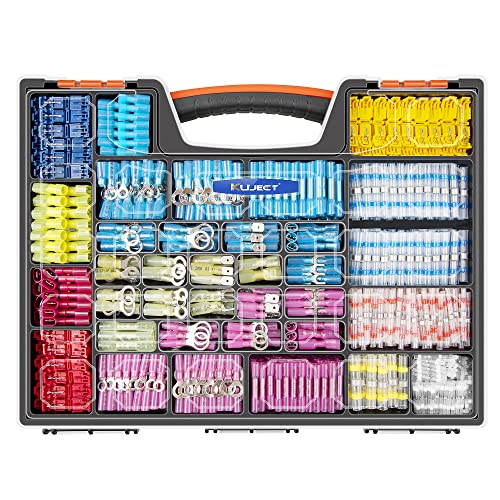
Kuject 1500-Piece Heat Shrink Connector Kit

WEN HG112V Variable-Temperature Heat Gun

TDAGRO 1800W Pink Heat Gun with 4 Nozzles

Berkling BSG-668 Pro Cordless Soldering Tool

Berkling BSG-568 Cordless Butane Soldering Tool
A Deeper Look At The Lineup
Vinyl wrapping and resin crafts reward steady airflow as much as raw heat, and the BILLION GOLD model puts both under direct control. Its 1800W motor reaches up to 1,200°F, giving you room to soften adhesive or move resin without settling for one fixed setting.
Four nozzles narrow or redirect the hot stream, making this a practical choice for a crowded garage workbench. Compared with the WEN HG112V, it offers a slightly higher stated ceiling, though the WEN model supplies clearer numeric airflow data.
Good Reasons To Consider
- The 100°F to 1,200°F range supports low-heat shaping and higher-temperature material removal.
- Two airflow modes let you prioritize concentrated heating or broader movement across a work area.
- Four nozzles improve access around seams, narrow sections, and detailed craft pieces.
- The 1,800W rating suits demanding vinyl-wrap and paint-removal sessions.
Worth Noting
- Wide adjustment ranges call for small changes; you may find a staged dial easier for resin work.
- The cord adds bulk to the tool, so storage needs room behind the workbench.
Quick Facts
Built With In Mind
This model suits vinyl installers, resin crafters, and home hobbyists working with adhesives or stubborn finishes.
Where A Sibling Pick Shines
The WEN HG112V suits general workshop use where two stated airflow speeds and a clear temperature dial matter more than the extra nozzle set.
The Kuject kit sits outside the heat-gun category, but it belongs in the same hobby workflow. A heat gun shrinks insulation after a connector is crimped, while this assortment supplies the terminals needed to join wires in the first place.
Its handle-equipped case and internal organizers matter more than raw quantity on a busy boat trailer or automotive workbench. Unlike the BILLION GOLD tool, which applies heat, this kit organizes the connection hardware used around that heating step.
The Good Stuff
- The 1,500-piece assortment covers many recurring wire sizes and connection styles.
- Heat-shrink construction helps insulate finished joints after the connector is installed.
- Separate organizers keep small rings, forks, and splices from collecting across a workbench.
- The portable case makes the assortment practical for vehicle, marine, or mobile repair projects.
Small Caveats
- Large assortments can remain mostly unused in a small electronics project.
- A crimping tool and the correct die still need to match each terminal type for a secure fit.
Made For
This kit fits hobbyists restoring vehicle wiring, boat electrical systems, or control panels where several connector formats are likely.
Another Choice May Suit
The BILLION GOLD 1800W Heat Gun fits projects that need the heating tool itself rather than a large inventory of wiring terminals.
General workshop projects rarely need maximum heat from the first second, which makes the WEN HG112V’s side-mounted controls easy to appreciate. The dial changes temperature across a 122°F to 1,112°F range, giving you a defined starting point for craft foam, adhesive removal, or light metal work.
Two airflow speeds provide another layer of control. Airflow is the volume of hot air moving through the nozzle, and a stronger stream can cover broad areas faster while the lower setting suits smaller pieces.
Positive Takeaways
- A broad temperature range handles both gentle shaping and demanding removal tasks.
- Two specified airflow speeds make it easier to adapt to different workpiece sizes.
- Physical side controls stay straightforward during repeated workshop sessions.
- Its 12.5-amp rating gives it a clear identity among conventional corded models.
Points To Note
- Unlike the BILLION GOLD model, the supplied data doesn’t identify a multi-nozzle accessory set.
- The 1,112°F maximum sits below the 1,200°F and 1,202°F limits cited by two 1,800W alternatives.
Technical Highlights
Right Fit For
You’ll get a sensible fit for mixed hobby projects performed at a fixed bench, especially where precise airflow choices matter.
Consider Something Else When
The TDAGRO 1800W Pink Heat Gun is the stronger fit for resin crafters prioritizing a higher temperature ceiling and four included nozzles.
Resin work and small-batch crafts benefit from quick adjustment, and the TDAGRO combines a 1,800W heating system with a stated 1.5-second warm-up. That quick response can keep a short crafting session from turning into a wait for the tool to reach working temperature.
Seven temperature settings add finer control than a simple low-and-high switch, while two operating modes vary the heating approach. The pink housing also makes this model easy to distinguish from conventional dark workshop tools.
Bright Spots
- A claimed 1.5-second warm-up supports short, repeat-based craft sessions.
- Seven heat settings give resin and mixed-material work a more measured starting point.
- Four nozzles help you move from broad heating to narrower detail work.
- The front cover adds separation around the hot outlet during frequent handling.
Practical Considerations
- High heat settings still require short passes and distance from thermoset resin.
- Multiple nozzles need regular inspection because each attachment sits near the hot airflow.
Core Details
Who Will Love This
Resin crafters and detail-oriented hobbyists gain a fast, adjustable tool suited to repeated tabletop projects.
A Better Fit Elsewhere
The WEN HG112V suits general workshop work where stated airflow rates matter more than the distinctive craft-focused design.
Mobile electronics work calls for a tool that doesn’t depend on a nearby outlet, and the Berkling BSG-668 combines a soldering iron, torch, and heat-gun function in a cordless butane package. That makes it more relevant to a vehicle repair, temporary bench, or jewelry project away from fixed power.
Its multifunction format narrows the kind of jobs it handles best. A conventional heat gun offers broader forced airflow, while this tool prioritizes portability and point work, so you may still want BILLION GOLD or WEN for paint removal and broad vinyl work.
Benefits That Matter
- Butane power removes dependence on a nearby electrical outlet.
- Three functions reduce the number of tools carried for soldering and localized heating.
- The soldering and torch functions suit electronics, jewelry, and heat-shrink tasks.
Things To Weigh
- It replaces several tools rather than matching a full-size forced-air heat gun.
- Butane fuel and ignition components require sensible storage and regular cleaning after use.
- Published specifications are limited, leaving temperature and runtime details unclear.
Best Suited To
You’ll appreciate this model for portable electronics, jewelry, and light repair work away from a permanent bench.
Reach For A Different Pick When
The WEN HG112V is the better fit for workshop projects requiring stronger, adjustable forced airflow.
The Berkling BSG-568 keeps the same portable butane concept as the BSG-668 while emphasizing a soldering iron, compact heat gun, and micro torch in one package. It fits small repair kits where a full-size corded heat gun would take up too much room.
For wire connections, heat-shrink tubing, jewelry, and small DIY assemblies, combining these functions can streamline a portable toolkit. The limitation appears on larger jobs, where conventional forced airflow from the TDAGRO or WEN gives you more room for broad, sustained heating.
Practical Advantages
- Three operating modes support soldering, localized heating, and pointed torch work.
- Butane power keeps the tool useful at temporary work areas and during vehicle maintenance.
- The compact multifunction format simplifies packing for a small hobby repair kit.
Minor Gripes
- The micro torch requires more precise handling than a wide forced-air nozzle.
- Fuel storage, ventilation, and cooling deserve attention after repeated close-up work.
- Unlisted temperature and runtime figures make cross-shopping harder.
Whose Shelf It Belongs On
This model suits hobbyists who value portability and compact storage while working on wires, jewelry, and small assemblies.
Look Elsewhere When
The TDAGRO 1800W Pink Heat Gun fits larger craft projects needing four nozzles and a wider stated temperature range.
Choosing For The Work You Actually Do
Temperature range tells you how much adjustment you have, but airflow often determines how evenly heat reaches a surface. Start with the material and task rather than the largest advertised number, then narrow the nozzle and work in short passes.
Power And Temperature
The 1,800W tools described here pair substantial power with different control systems. BILLION GOLD offers a 100°F to 1,200°F range, TDAGRO provides seven settings up to 1,202°F, and WEN uses a 122°F to 1,112°F dial. Resin work needs careful low-temperature starts, while removing paint or adhesive can justify stronger heat.
Airflow And Nozzle Shape
Nozzles concentrate or spread the hot stream. A narrow reducer suits seams and small areas, while a wider opening covers broader surfaces. WEN’s two stated airflow speeds are useful for changing coverage, and the four-nozzle kits provide more immediate shape choices.
Corded Versus Cordless
Corded tools suit fixed benches and sustained projects without fuel management. Berkling’s butane tools prioritize portability for vehicle wiring, jewelry, and temporary repairs, but they don’t replace a high-output forced-air gun for broad heat removal.
Accessories And Workflow
Connectors and tool cases shape the entire project, not just the heating step. The Kuject kit supports wiring work that follows heat-shrink application, while a portable case matters more for gas-powered tools used away from a workbench.
Avoiding Costly Project Errors
Mistakes Worth Dodging
Avoid choosing a tool from wattage alone, since airflow and nozzle design can change the result. You also shouldn’t use maximum heat near resin, thin plastics, or fine wire without moving continuously, and a hot nozzle needs a cool, stable place to cool.
What The Higher Tier Buys
Higher-output models generally provide a wider operating range, more settings, or additional nozzle shapes. That extra control matters for frequent vinyl, resin, paint, and workshop tasks, while occasional electronics work may need only the compact functions of a butane tool.
Frequently Asked Questions For Heat Guns For Hobbyists
Are heat guns suitable for vinyl wrapping?
Yes, adjustable heat and concentrated airflow help soften vinyl adhesive. Keep the tool moving, work from a cooler area toward a seam, and avoid scorching edges or nearby plastic.
Can a heat gun shrink tubing?
Yes, many heat-shrink tubes form around wiring or a finished connector. Use enough heat to activate the adhesive while moving the nozzle to avoid damaging the wire insulation.
Which heat gun suits resin crafting?
Resin crafters benefit from low, incremental settings and short heating passes. The TDAGRO offers seven temperature settings, while BILLION GOLD provides an unusually broad adjustment range.
Are cordless soldering tools useful for vehicle repairs?
Cordless butane tools are practical where extension cords and fixed power are inconvenient. They handle small wiring, jewelry, and localized heat work, though broad heat removal still calls for a conventional gun.
How do you store a corded heat gun?
Unplug the tool, let the nozzle cool completely, and keep the cord loosely coiled. Store it on a stable surface away from moisture, children, and combustible workshop materials.
