
Grout sealers can keep kitchen backsplashes, shower joints, and bathroom floors easier to maintain by limiting moisture and stain penetration. They matter most in busy homes, tiled entryways, and moisture-prone rooms where porous cement grout collects dirt quickly. This lineup also includes several complementary products, so you can distinguish between penetrating sealers, premixed grout, waterproofing membranes, and an uncoupling mat.
A Quick View Of The Lineup
LATICRETE Hydro BAN Membrane 1 Gallon


LATICRETE SPECTRALOCK 1 Ready-to-Use Grout #44

LATICRETE STRATA_MAT Uncoupling Membrane 323 Sq. Ft.

Meuvcol Grout Sealer 17.6 OZ Spray
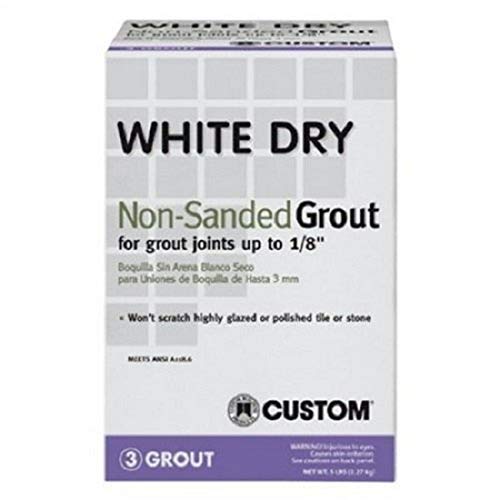
CUSTOM WDG5 5 lb Non-Sanded White Grout
The Details Behind The Selections
Hydro BAN belongs behind the tile rather than on top of cured grout. It creates a load-bearing liquid membrane for installations exposed to substrate cracks, which makes it relevant to showers, baths, and busy residential floors. Unlike Miracle Sealants later in the lineup, its job is separation and waterproofing during installation.
The fabric-free application streamlines corners and coves, while the lighter color makes coverage easier to inspect. Professional tile setters gain a useful installation control, although careful substrate preparation and curing still determine the result.
Why It Works Well
- Fabric-free application simplifies transitions, corners, and field coverage.
- The thin membrane bridges minor substrate movement to help isolate cracks.
- Flood testing may begin after two hours at 70°F or above, subject to the product cautions.
- The lighter color helps reveal thin or incomplete areas during installation.
Points To Note
- This is an underlayment membrane, not a routine grout sealer.
- Application conditions and curing instructions must be followed closely.
Feature Snapshot
Built With In Mind
Experienced tile professionals benefit most from the fabric-free membrane and visible application characteristics.
A Better Fit Elsewhere
Home cooks seeking an easy grout treatment should consider Miracle Sealants Tile & Stone Sealer instead.
A penetrating sealer works within porous joints rather than leaving a glossy film across them, and that distinction matters for natural stone. This option is suited to tile, stone, and grout in kitchens and bathrooms, where food residue, soap residue, and damp cleaning can discolor untreated joints.
It preserves the surface appearance while adding resistance to moisture and stains, with vapor able to move through the treated assembly. In a busy kitchen, that quiet protection may be more useful than a heavy coating, though the product is positioned as an entry-level treatment rather than a complete installation membrane.
Useful Strengths
- Penetrates pores instead of forming a conspicuous surface film.
- Supports moisture and stain resistance across grout, tile, and stone.
- Allows vapor transmission through the treated surface.
- Leaves the natural appearance of the material intact.
Honest Caveats
- It does not replace waterproofing beneath tile or shower installations.
- Reapplication and maintenance depend on surface exposure and label directions.
Made For
Home cooks and first-time sealers benefit from a straightforward penetrating treatment for existing tile and grout.
Another Choice May Suit
Professional showers need the broader installation protection offered by LATICRETE Hydro BAN Membrane.
Spectralock 1 solves grout mixing rather than sealing an existing surface. Its premixed format removes measuring and powder blending, making it practical for a small bathroom repair after work, a vacation rental refresh, or replacing stained white joints.
The bright white shade targets a common design choice, but you must account for actual joint width and tile placement. Compared with CUSTOM WDG5, this option trades powder handling for convenience, while the sand-based composition supports consistent color through the joints.
Where It Excels
- Ready-to-use format avoids mixing and measuring.
- Bright white color suits kitchens, bathrooms, and light tile designs.
- Sand-based grout is intended to support uniform color distribution.
- Stain-resistant formulation suits frequently cleaned rooms.
Worth Noting
- It is grout itself, not a sealer for cured grout.
- Bright white can emphasize variations caused by joints or application technique.
- Removal and replacement require more work than treating the surface.
Quick Facts
Right Fit For
Busy homeowners and beginner decorators benefit from premixed grout for small, well-prepared repair areas.
Where A Sibling Pick Shines
CUSTOM WDG5 Non-Sanded White Grout is a better fit for larger projects that benefit from a dry bag format.
Strata_Mat belongs beneath tile and stone, where an uncoupling membrane separates the finished surface from the substrate. That role is larger than sealing grout: the system helps accommodate movement and supports the tile assembly during residential or commercial installation.
Its hydration vents create mechanical contact with mortar, while the lighter color lets installers confirm coverage without lifting the mat. For large-format tile over concrete, the membrane is rated for light use only with a suitable medium-bed adhesive, so product selection must match the project rather than the grout finish.
Positive Points
- The 323-square-foot roll covers a substantial floor area.
- Mortar hydration vents support mechanical bonding and curing.
- Visible coverage helps installers identify voids during placement.
- The stated system reaches grout timing in 16 to 24 hours under suitable conditions.
Possible Compromises
- It requires careful mortar coverage and proper installation technique.
- Concrete suitability depends on the specified adhesive and load conditions.
Technical Highlights
Who Will Love This
Professional installers handling large tile areas appreciate the coverage visibility and mortar bonding design.
Not Your Match When
You need only to protect existing kitchen backsplash grout, for which Miracle Sealants Tile & Stone Sealer is more direct.
A spray format makes this sealer attractive for isolated joints, small bathroom floors, and touchups around a sink or shower. The 17.6-ounce container is compact enough for targeted household work, though coverage will depend on joint width, porosity, and the number of passes required by the label.
Unlike Hydro BAN, this product belongs after tile and grout are installed. Its natural-appearance goal suits kitchens, bathrooms, marble, and other spaces where a pronounced surface film would be unwelcome, though specific stone compatibility deserves attention before application.
Where It Helps
- Spray packaging supports focused application on individual joints.
- The compact container simplifies storage between maintenance sessions.
- Clear treatment is intended to preserve the natural grout appearance.
- The listed use areas cover common indoor and outdoor tile settings.
A Few Limitations
- Application depends on cleaning and preparing the grout first.
- Spraying narrow joints requires even coverage without excess pooling.
- Marble and other specialty stone may require a separate compatibility check.
The Right Fit
Apartment dwellers and occasional decorators benefit from a portable spray for small, isolated sealing projects.
Reach For A Different Pick When
Large-format installations are better served by LATICRETE STRATA_MAT Uncoupling Membrane beneath the tile.
Non-sanded grout is formulated for narrow joints, and that is the central advantage here. WDG5 suits bathroom walls, kitchen backsplashes, and repair areas where sand particles would be difficult to work cleanly into a tight joint. The white color also coordinates readily with light tile.
The 5-pound bag provides a manageable amount for multiple small areas, but coverage still depends on joint size and tile dimensions. Compared with premixed Spectralock 1, this dry grout requires careful water addition and mixing, so your comfort level with basic grout preparation matters.
A Few Highlights
- Non-sanded texture is suited to narrow tile joints.
- The white finish blends with light bathroom and kitchen designs.
- Dry powder allows controlled mixing for the amount needed.
- The 5-pound package fits residential and commercial tile work.
Practical Considerations
- Mixing requires measured water and thorough blending.
- It is grout replacement material rather than a sealer.
- Cleanup during installation requires attention to loose powder and residue.
Made For
Beginners working on narrow-joint backsplashes benefit from a straightforward dry grout format.
A Better Fit Elsewhere
You can prefer LATICRETE SPECTRALOCK 1 Ready-to-Use Grout #44 for repairs where avoiding mixing is the priority.
What Matters Before You Choose A Sealer
Start by matching the product to the job. A penetrating sealer treats existing porous grout, while premixed or powdered grout replaces joints after tile is set. Membrane products go beneath the finished surface and solve a different installation problem.
Check The Surface
Cleanliness controls how a sealer can enter porous grout. Soil, wax, soap residue, and old sealer can block uniform absorption, so the surface needs preparation according to its condition. For natural stone, verify compatibility before applying any treatment designed for tile and grout.
Match The Room Conditions
Showers, entryways, and kitchen work zones receive different levels of moisture and staining. A penetrating treatment helps existing grout resist routine exposure, but it does not replace a complete waterproofing assembly beneath shower tile. Think in layers rather than expecting one product to handle every part of an installation.
Understand Application Limits
Joint width matters especially for grout. Non-sanded material is intended for narrow joints, while wider joints need an appropriate coarse-grout option. Spray sealers also need even application and adequate drying time between the passes specified by the product instructions.
Key Details Before You Seal Grout
Mistakes Worth Dodging
Do not mistake grout for tile sealant, or assume a surface treatment replaces a membrane below the tile. Clean and dry the surface first, and follow the coverage and curing instructions rather than applying a heavier coat on the first pass.
What Separates Premium From Basic
Higher-priced installation products may add stronger movement accommodation, faster workflow controls, or professional-grade coverage checks. A basic penetrating sealer can still make sense for a small, already-finished project where simple application and appearance preservation matter most.
Frequently Asked Questions
Can Grout Sealers Be Used On Shower Grout?
Yes, a penetrating sealer can be used on suitable shower grout when its instructions permit the location. It supports stain and moisture resistance but does not replace waterproofing beneath the tile.
Do Grout Sealers Change The Color Of Grout?
Penetrating sealers are designed to enter the surface rather than leave a visible film. The final appearance can vary, so test the treatment in a discreet area before covering the entire installation.
Is Non-Sanded Grout Better For Small Joints?
Non-sanded grout is generally suited to narrow joints because it flows more easily into limited spaces. Wider joints may require a coarser formulation.
Should You Seal Premixed Grout?
Premixed grout does not automatically eliminate future maintenance, and sealing needs depend on the product and installation conditions. Check the grout instructions before applying a separate treatment.
Can Tile And Stone Sealer Replace Grout?
No. Tile and stone sealer protects an existing surface from moisture and stains, but it does not fill gaps or replace deteriorated grout. Remove loose material and address joint condition before sealing.
