
Aging knees and backs make lawn care harder, especially across uneven ground. A well-chosen aerator can loosen compacted soil, improve air movement around grass roots, and reduce the bending involved in ordinary yard work. Shoes suit small patches and raised beds, tillers handle defined soil areas, and rolling or tow-behind units cover broader lawns without requiring constant lifting.
The Shortlist At A Glance

Briliantwerk Lawn Aerator Shoes

DenForste Lawn Aerator Shoes

GARDTECH Cordless Tiller Cultivator

GARDTECH Cordless Tiller Cultivator 2-Battery
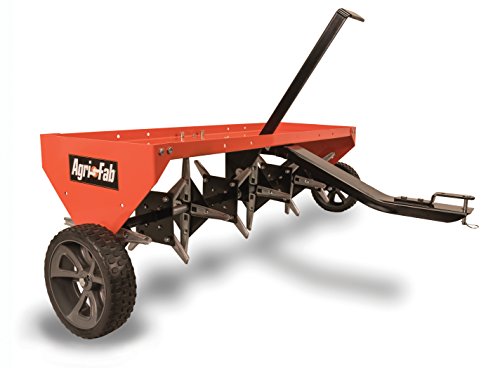
Agri-Fab 48-In Tow-Behind Plug Aerator

Walensee Rolling Lawn Aerator
The Strengths Of Each Pick
These shoes turn aeration into a walking task, which makes them useful for a small lawn, a patio garden, or a narrow strip beside a path. You avoid dragging a heavy tool across uneven ground, though the approach takes patience because the spikes work where each foot lands.
Compared with the rolling Walensee, the Briliantwerk format is more targeted and easier to store. It suits people who want frequent spot treatment without setting up a mower or tractor attachment.
The Value In It
- Walking action keeps hands free during light lawn work.
- Hook-and-loop fasteners help hold the footwear in place.
- Works across lawns, patios, and other firm surfaces.
- Compact shape simplifies storage in a garage or utility closet.
Things To Consider
- Large lawns require many passes and can tire the feet.
- Spikes may need cleaning after damp soil use.
Who It Suits Best
This pick fits older adults with a small lawn, patio garden, or limited storage space who prefer walking over pushing equipment.
A Better Fit Elsewhere
People covering a broad yard will find the Walensee Rolling Lawn Aerator more suitable.
The DenForste shoes prioritize fit and stability, with three adjustable straps that wrap around the heel. Their stated size range covers women’s shoe sizes 6 through 10 and men’s sizes 6 through 9, so checking your own footwear size matters before ordering.
That adjustability makes them more practical than the simpler Briliantwerk shoes for repeated use. You can move across a lawn gradually without carrying a roller, though the sole design still creates a deliberate walking motion.
Where It Helps
- Adjustable heel straps improve placement during movement.
- Preassembled construction avoids complicated setup.
- Aluminum alloy and plastic components add mixed-material support.
- Useful for routine aeration in compact lawn areas.
Small Caveats
- Footwear sizing must match the listed ranges.
- Hooks and straps may collect soil and need occasional wiping.
- Walking aeration covers less ground per pass than a rolling tool.
Made For
This pick suits people who want adjustable aerator footwear for regular work in a small or medium yard.
Consider Something Else When
A person with a large lawn and a riding mower will get better coverage from the Agri-Fab 48-In Tow-Behind Plug Aerator.
The GARDTECH tiller changes the job from lawn aeration to targeted cultivation. Its cordless motor, four hardened steel tines, and stated 235 RPM rotation are designed for flower beds, garden rows, and weedy areas where loosening soil matters more than creating widespread plugs.
The single 2.0Ah battery keeps the package compact, which helps with storage and setup. Compared with the DenForste shoes, it handles deeper soil work in a defined bed, but it is not the natural choice for an entire turf lawn.
Key Advantages
- Cordless operation removes a power cord from the work area.
- Four-inch tilling width suits narrow garden rows.
- Four-inch depth supports meaningful soil loosening.
- Hardened steel tines suit defined cultivation tasks.
Points To Note
- One battery may limit longer sessions.
- Soil should be cleared from tines after use to reduce buildup.
- It is a cultivator rather than a turf-focused plug aerator.
Built With In Mind
This model fits people tending raised beds, flower beds, and small garden rows with limited storage.
Where A Sibling Pick Shines
For broad lawn coverage, the Walensee Rolling Lawn Aerator offers a more suitable push format.
This version keeps the same compact tilling format as the single-battery GARDTECH but includes two 2.0Ah batteries. That arrangement makes sense for garden rows, raised beds, and weedy areas where a pause to recharge would interrupt a longer maintenance session.
You still get the stated four-inch working width, four-inch depth, hardened steel tines, and 235 RPM rotation. The trade-off is extra equipment to store, but the batteries give you a simple way to preserve momentum.
Useful Touches
- Two batteries support more continuous garden work.
- Compact width fits between planted rows.
- Steel tines handle cultivation in defined soil areas.
- No cord needs routing around the bed.
Possible Compromises
- Two batteries require more storage space.
- Battery condition and charging time affect session length.
- It does not pull turf plugs across a full lawn.
Who Should Grab It
This pick suits gardeners who prefer cordless cultivation and want two batteries for repeated bed work.
Another Choice May Suit
People focused exclusively on turf will find the Agri-Fab 48-In Tow-Behind Plug Aerator more purpose-specific.
The Agri-Fab model is built for a different scale of lawn work. Its 48-inch width and 32 galvanized knives are intended to pull plugs up to three inches deep, which makes it a practical match for larger lawns handled through a tractor or riding mower.
The flat-free tires support transport across uneven ground, while the cantilever handle lets you raise or lower the unit from the seat. Compared with the Walensee roller, it covers much more ground but depends on compatible towing equipment.
What Makes Sense
- Wide 48-inch width reduces passes across broad lawns.
- Thirty-two knives target soil compaction and plug removal.
- Galvanized knives provide a metal-focused working surface.
- Transport handle supports seated adjustment.
Trade-Offs To Consider
- Requires a compatible tractor or towing setup.
- Turning and storage demand more space than a roller.
- Plug collection and soil cleanup add maintenance work.
Right Fit For
This model suits older adults with a large lawn and access to a riding mower or tractor-compatible towing system.
Swap It Out When
Small yards without towing equipment are better served by the Walensee Rolling Lawn Aerator.
The Walensee roller offers a middle ground between walking shoes and a tractor attachment. Its 30-spike design is made for home lawns, small yards, and garden soil, while the integrated dual-bar handle keeps the tool upright during pushing.
You trade the broader reach of the Agri-Fab for a simpler setup that does not require a mower. In return, the roller places more consistent downward pressure across each pass, though hard or rocky ground may make the spikes less effective.
Practical Advantages
- Push operation suits a manageable home-lawn routine.
- Thirty spikes loosen soil across a rolling footprint.
- Dual-bar handle supports a controlled grip.
- No tractor connection is required.
Where It Is Less Suited
- Large lawns take more passes than a 48-inch tow unit.
- Spikes need cleaning after moist soil work.
- Very uneven ground can make rolling less comfortable.
The Right Fit
This pick suits seniors with a small yard who want a push tool and a simple storage-friendly setup.
Reach For A Different Pick When
Gardeners needing deeper cultivation in raised beds may prefer the GARDTECH Cordless Tiller Cultivator.
Choosing Lawn Care Tools Around Your Space
Start with the area you actually maintain. Footwear works best for small patches and spot treatment, rolling tools suit modest lawns, tillers belong in beds and garden rows, and tow-behind units fit broad yards with compatible equipment.
Match The Tool To The Job
Aeration means opening spaces in compacted soil so air, water, and nutrients can reach grass roots. A spike tool punctures the surface, while a plug aerator removes small sections of turf and soil. Cultivators serve a different purpose by loosening garden soil for planting.
Consider Storage And Handling
Storage space matters as much as lawn size. Shoes and small tillers take less room than a wide roller or tow-behind attachment. Handle height, transport weight, and the need to clean spikes or tines after use also affect long-term convenience.
Think About Surface And Access
Flat, accessible lawns suit rolling and tow-behind designs. Narrow beds favor compact tillers, while isolated areas around patios suit aerator shoes. For seniors, a tool that reduces bending, requires no cord, and can be moved in smaller sections may be more manageable than maximum coverage.
Key Considerations Across These Picks
Mistakes Worth Dodging
Choosing by lawn size alone can lead to an awkward tool. Consider storage, soil depth, handle position, and whether you need turf plugs or loose garden soil before making a choice.
What Separates Premium From Basic
More batteries, wider tilling paths, and towing capacity usually add convenience rather than basic functionality. Pay closer attention to them only when your lawn size and routine justify the extra equipment.
Frequently Asked Questions
Are lawn aerator shoes suitable for older adults?
They can suit older adults working on small lawns because walking keeps the tool close to the body. Foot comfort and balance still matter during longer sessions.
Is a cordless tiller better than lawn aerator shoes?
A cordless tiller is better for defined garden beds and soil loosening. Aerator shoes are more practical for spot aeration across turf.
What kind of lawn aerator covers a large yard?
A tow-behind plug aerator covers a large lawn efficiently. It requires a compatible tractor or riding mower and more storage space.
Do manual aerators need regular cleaning?
Yes. Spike rollers, shoes, and tines can collect soil and grass debris. Cleaning the working parts after use helps maintain movement and storage condition.
