
Hanging cabinets, aligning wall studs, or transferring a floor line to the ceiling calls for a vertical reference that stays dependable in a busy work zone. A laser plumb bob projects a precise point or line straight up or down, reducing the guesswork involved with tape measures and improvised weights. The six options below cover dedicated plumb tools, cross-line lasers, stud-finding combinations, and outdoor-capable setups, with different strengths for home renovation, tiling, framing, and general household layout.
A Snapshot Of The Selections

DOVOH PV-360G Plumb Dot Laser Level

DOVOH 4D Self-Leveling Laser Level Kit

PREXISO Rechargeable Cross-Line and Stud Finder

Gale Force Nine Straight Line Laser

GloBest Green Cross-Line Laser and Tripod
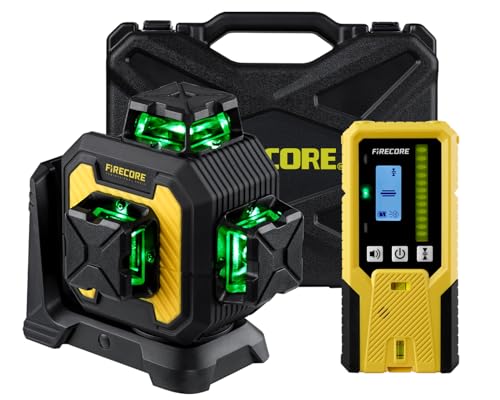
Firecore F93 Green Laser Level and Receiver Kit
More Details On Our Top Picks
A dedicated plumb dot suits narrow spaces where a full cross-line laser adds more projection than you need. The PV-360G places upward and downward reference dots for aligning a fixture with a floor or ceiling point, which comes in handy during cabinet installation, pipe layout, and shelf work.
Unlike the four-plane DOVOH covered next, this model concentrates on vertical alignment. It may be the more focused tool for you, particularly in a crowded kitchen or renovation area, though the supplied information does not establish how wide an area the dot remains visible across.
Everyday Advantages
- Upward and downward dots provide a direct vertical reference.
- The focused dot format suits point-to-point fixture alignment.
- A plumb-specific tool can simplify cabinet and pipe layouts.
Points To Consider
- The plumb dot offers less flexibility than a four-plane cross-line laser.
- Visibility across large, brightly lit rooms remains an important consideration.
Quick Facts
Who It Suits Best
You benefit most from this model during cabinet, pipe, shelf, and fixture projects centered on vertical point alignment.
A Better Fit Elsewhere
Choose the DOVOH 4D Self-Leveling Laser Level Kit instead for broad horizontal and vertical line layouts.
Two horizontal and two vertical lines make this a broader layout tool than the PV-360G. The top line assists with ceiling work, the low horizontal line supports floor and tile references, and the vertical planes help transfer positions across walls, cabinets, and fixed obstacles.
The included tripod, grade rod, and receiver reduce the need to assemble a separate support system. For larger renovation jobs, that completeness matters, especially once the work moves from a small room into a patio, garden, or unfinished interior.
Why It Works Well
- Four projected planes cover walls, floors, ceilings, and corners.
- The included 60.2-inch tripod supports raised and low-level layouts.
- The receiver extends the listed outdoor range to 400 feet with a compatible high-power laser.
- A grade rod adds another layout reference without a separate purchase.
Small Caveats
- The receiver’s full range depends on using it with the specified high-power laser.
- Sunlight can reduce direct line visibility, so the receiver remains important outdoors.
Technical Highlights
Made For
Renovators handling tile, ceilings, walls, and outdoor reference lines benefit from the four-plane coverage.
Another Choice May Suit
The Firecore F93 Green Laser Level and Receiver Kit may suit you better when long-range pulse detection drives the project.
Combining a stud detector with a rechargeable cross-line laser makes this appealing for small tool kits. You can locate framing before hanging shelves, then keep the same device nearby for vertical and horizontal references in a rental, workshop, or compact utility room.
The laser is manually leveled, which means the bubble vials, not internal self-leveling, establish the accurate line. Compared with the DOVOH 4D model, you give up automatic leveling and broad line coverage in exchange for a more specialized wall-scanning function.
A Favorable Mix
- Stud detection and cross-line projection serve complementary setup tasks.
- A rechargeable design suits repeated household projects without disposable cells.
- Bubble vials support manual control of horizontal, vertical, and centered lines.
Things To Weigh
- The stud-finding function requires calibration before use.
- The supplied adhesive strips are unsuitable for dusty, coarse, wallpapered, or drywall surfaces.
- Manual leveling takes more care than an automatic system.
Feature Facts
Right Fit For
You gain the most from a compact kit for hanging items, checking framing, and managing light household layout tasks.
Where A Sibling Pick Shines
The GloBest Green Cross-Line Laser and Tripod serves you better when automatic leveling and angled manual mode are priorities.
A straight-line laser is a narrow choice compared with the multi-plane and cross-line tools in this list. Gale Force Nine positions the item within its hobby-tool range, where it may suit modelers, gamers, or other hobbyists who need a simple straight reference rather than a complete construction layout system.
The sparse technical information sets clear expectations. You should confirm the projection type, mounting method, power source, and adjustment controls against the current listing before using it for cabinetry or renovation work.
Bright Spots
- The simple straight-line format fits focused hobby and model work.
- The specialized format may be easier to carry than a larger layout kit.
- The hobby positioning distinguishes it from construction-focused models.
Less Ideal Details
- Fewer published specifications limit comparison with the other picks.
- A straight line does not replace a dedicated upward and downward plumb point.
Who Will Love This
Hobbyists needing a straightforward line for tabletop models or detailed craft layouts receive the clearest fit.
Consider Something Else When
The DOVOH PV-360G Plumb Dot Laser Level is a stronger option for vertical fixture and cabinet alignment.
Green light is easier for many people to see across a busy interior, which makes this cross-line tool useful for picture placement, shelving, backsplash layouts, and tile references. The included tripod provides a raised reference, while the rotating magnetic bracket expands your placement options around metal surfaces.
Automatic leveling handles minor surface errors within the stated tolerance, but manual mode extends the tool to angled stair and railing layouts. Compared with the sparse Gale Force Nine model, the GloBest provides much more useful information for everyday ownership.
Useful Highlights
- Green cross lines support visible interior alignment work.
- Self-leveling settles within four degrees in about three seconds.
- Manual mode supports angled stair and railing references.
- The tripod and magnetic base cover raised and attached setups.
Possible Compromises
- Pulse mode requires a receiver, which is not included.
- Long outdoor work depends on receiver support rather than direct line visibility.
Built With In Mind
Home decorators, tilers, and weekend renovators benefit from the green cross line and flexible mounting choices.
Reach For A Different Pick When
The Firecore F93 Green Laser Level and Receiver Kit fits you better for outdoor layouts needing an included receiver.
The F93 is built around long reference lines rather than a single plumb dot. That makes it more relevant to decks, exterior walls, concrete work, and large interior floors where a visible line must travel beyond the reach of a compact point tool.
Its receiver is the decisive outdoor component. Pulse mode makes the line easier for the receiver to identify under strong daylight, while the mounting bracket adds vertical adjustment, magnetic attachment, wall fixing, and compatibility with common tripod threads.
A Few Highlights
- The included receiver supports outdoor pulse detection.
- Fine vertical adjustment helps refine the unit’s position.
- Rear magnets allow attachment to suitable metal surfaces.
- Quarter-inch and 5/8-inch threads support varied tripod systems.
Honest Caveats
- Sunlight reduces direct line visibility, making receiver setup important.
- The wall-fixing hole and magnetic base require suitable surfaces and careful placement.
Key Attributes
Whose Shelf It Belongs On
Outdoor renovators and serious home project planners gain the most from the receiver and flexible mounting system.
Swap It Out When
The DOVOH PV-360G Plumb Dot Laser Level offers a more focused approach for indoor vertical point alignment.
Choosing The Right Layout Tool
Start with the reference you need. A plumb dot is made for vertical alignment between floors, ceilings, pipes, and fixtures, while a cross-line tool serves horizontal and vertical layouts. A four-plane laser covers more surfaces but earns its larger setup through added mounting and projection options.
Mounting deserves equal attention. Tripods provide adjustable height, magnetic brackets suit metal surfaces, and fixed-wall holes depend on the wall material and available fasteners. The GloBest and Firecore options offer broader attachment flexibility, while the PREXISO combination tool trades line coverage for stud detection.
Visibility follows the workspace. Green beams are useful indoors, yet bright sunlight can still overpower direct viewing. For exterior decks or long driveways, receiver-assisted pulse detection is the more dependable route, making the Firecore kit or the DOVOH receiver setup worth the extra equipment.
Accuracy specifications describe performance under stated conditions, not every surface or distance. Confirm the stated tolerance, leveling behavior, and compatible range before marking finished surfaces. You also need to handle the unit carefully, clean the lens, and store it away from impact and excessive moisture.
Practical Layout Decisions
Mistakes Worth Dodging
A plumb dot cannot replace a full cross-line setup for a tiled wall, and a cross-line laser cannot necessarily locate framing. Confusing those jobs leads to unnecessary setup or a missing tool, so define the layout before choosing.
Outdoor pulse mode also needs a compatible receiver. Do not judge outdoor visibility by the indoor green line, and check surface compatibility before relying on magnets or adhesive mounting methods.
What The Extra Equipment Adds
A receiver, tripod, grade rod, or adjustable bracket adds value by reducing alignment work. The extra equipment matters most on long projects, uneven work areas, and exterior layouts where support stability or sunlight makes the beam harder to manage.
Frequently Asked Questions
What is a laser plumb bob?
A laser plumb bob projects a vertical reference point or line. It helps you align fixtures, cabinets, pipes, and shelves between floors and ceilings.
Is a cross-line laser better than a plumb dot?
A cross-line laser is better for horizontal and vertical surface layouts. A dedicated plumb dot is more focused on point-to-point vertical alignment.
Can I use a laser level outdoors?
Outdoor use is practical with a receiver and pulse mode. Bright sunlight can make direct beam visibility difficult.
Do laser plumb bobs self-level?
Some models self-level automatically, while others rely on bubble vials. Check the specific model before placing finished reference lines.
Which mount works best for home projects?
A tripod suits raised layouts, while magnetic brackets help on metal surfaces. Wall mounting depends on the bracket, fasteners, and wall material.
