
A tall cabinet may look stable until a drawer catches, a child climbs, or the floor shifts beneath it. I choose anchor hardware based on the cabinet’s weight, wall material, mounting clearance, and the number of attachment points rather than relying on appearance alone. The first six options secure furniture to walls, while the final two repair loose cabinet hinges and stripped screw holes. That split matters because anti-tip restraint and hinge repair solve different problems.
The Shortlist At A Glance

TOBBOMEY 6-Set Anti-Tip Furniture Straps

LEGLO TV Safety Strap, 19 to 39 Inches

LUORNG 6-Pack Anti-Tip Furniture Straps, Black

KRYVLEXA Hidden Metal Furniture Anchors, 10 Sets

Omypuehen 12-Set 10-Inch Furniture Anchors

Toyvian Adhesive Furniture Anchor Set

Tvisenva 6×14mm Expansion Hinge Repair Set, 30 Pack
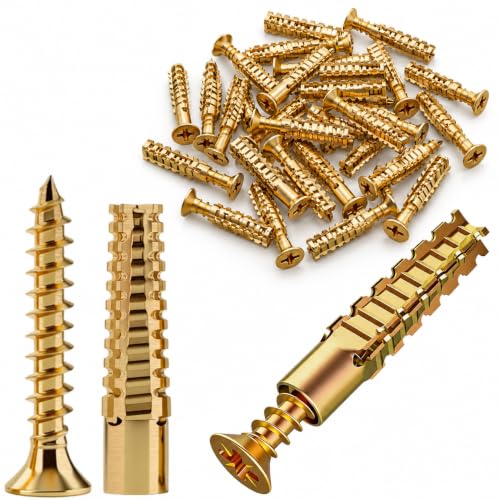
Tvisenva 6×32mm Expansion Hinge Repair Set, 50 Pack
Meet The Standout Selections
The six-pack gives me enough hardware to restrain several pieces rather than leave a dresser, bookcase, and wall cabinet for later. Cold-rolled steel makes this a sensible choice for heavy furniture in a busy family room, although attachment strength still depends on locating a proper wall stud.
Unlike the adhesive design later in the list, this system uses mounting screws and wall anchors. I favor that approach for a tall cabinet that carries dishes, books, or electronics because a positive mechanical connection feels more appropriate for a permanent installation.
What Stands Out
- Six sets support a whole-room furniture plan.
- Cold-rolled steel offers a rigid connection for heavy pieces.
- Included mounting hardware reduces the parts inventory.
- The concealed restraint preserves most of the cabinet profile.
Details To Watch
- Wall material and stud placement can alter the connection.
- Periodic checks help detect movement after shifting or impact.
Quick Facts
Built With In Mind
I favor this set for homeowners securing several heavy dressers, bookcases, or storage cabinets across multiple rooms.
Where Another Pick Shines
The KRYVLEXA Hidden Metal Furniture Anchors suit me better when a particularly discreet connection takes priority over covering several pieces in one package.
A wall-mounted television often becomes more hazardous after it is mounted, since the screen sits above child height but remains easy to pull. This strap’s 19-to-39-inch adjustment gives me a defined fit range, and its stated 330-pound holding capacity suits a large flat screen or sturdy shelving unit.
The metal-and-nylon construction also works on selected dressers and shelves, making it more versatile than its television-centered name suggests. For cabinet-only work, TOBBOMEY offers more attachment points in one package, while this pick is easier to consider for one large screen.
Noteworthy Benefits
- The adjustable length simplifies fitting different display sizes.
- A 330-pound rating covers substantial furniture loads.
- Metal components suit a high-load restraint application.
- Nylon ties allow the strap to flex slightly during positioning.
Trade Offs
- The listed range does not suit every television width.
- Wall construction must supply a reliable attachment point.
- Adjustment adds hardware that may remain visible behind a narrow stand.
Technical Highlights
Made For
I recommend this strap for a large flat-screen television within the stated width range or another substantial piece that fits the adjustment.
Consider Something Else When
The Omypuehen 12-Set 10-Inch Furniture Anchors suit my household better when several separate cabinets need restraint rather than one large television.
The LUORNG package focuses on the common bedroom routine: drawers open, children climb, and a dresser shifts under concentrated weight. Six black straps give a coordinated appearance across multiple pieces, and the screwdriver-based installation keeps the setup familiar for a first-time DIY project.
I see this as a balanced middle option between TOBBOMEY’s steel set and KRYVLEXA’s concealed hardware. The available data does not identify the strap material or load rating, so I would not assume it matches the heavier construction claims of those alternatives.
Strong Points
- Six straps suit dressers and other large furniture.
- The black finish blends with many dark cabinet frames.
- Screwdriver installation avoids adhesive-only mounting.
- Multiple sets support a coordinated room-wide setup.
- Included installation hardware simplifies assembly planning.
A Few Limitations
- No stated load capacity limits easy comparison.
- Wall type and stud access remain important.
- Owners may need to inspect the straps after moving furniture.
Right Fit For
This set fits my recommendation for parents securing several bedroom dressers while keeping the hardware visually coordinated.
A Better Fit Elsewhere
TOBBOMEY 6-Set Anti-Tip Furniture Straps suit me better where cold-rolled steel is a stated material requirement.
Low-profile restraint is valuable in a living room where an exposed strap interrupts the furniture’s lines. KRYVLEXA’s hidden metal system is designed to reduce that visual impact while connecting tall or heavy pieces to the wall, which makes it appealing for finished cabinetry and display storage.
Ten sets extend beyond a single dresser, so this could cover a bookcase, wardrobe, and several storage units. Unlike Toyvian’s adhesive approach, the concealed metal format points toward a more permanent installation, though wall compatibility and mounting instructions deserve close attention.
What It Does Well
- The hidden design reduces visual interruption.
- Ten sets cover several pieces around a home.
- Metal construction supports a durable furniture connection.
- Black hardware suits dark frames and shadowed spaces.
Practical Considerations
- Wall structure can limit placement in older homes.
- Hidden hardware may be harder to inspect after installation.
Feature Snapshot
The Right Fit
I favor this kit for visible furniture in a finished room where a low-profile wall connection matters.
Swap It Out When
The Toyvian Adhesive Furniture Anchor Set suits a renter more closely when drilling into a finished wall is impractical.
Twelve sets make this the broadest furniture-restraint package in the group, a practical advantage for a home with multiple bedrooms, dressers, and bookcases. Each strap is listed at 10 inches, giving me enough reach to bridge a broader gap between the furniture back and wall than a compact strap may offer.
The stainless steel construction is the defining material choice here. It may be preferable in damp or humid rooms, but wall type still governs the long-term connection, and the fixed 10-inch reach needs to be checked before drilling.
The Helpful Details
- Twelve sets support an extensive household plan.
- Ten-inch straps accommodate a deeper wall gap.
- Stainless steel suits moisture-prone environments.
- Anchors, plugs, screws, and instructions are included.
- The hardware supports dressers, shelves, and varied furniture.
Trade-Offs To Consider
- The fixed length may not suit shallow wall gaps.
- More hardware creates more attachment points to inspect.
Key Product Details
Who Will Love This
I recommend this set for large households that want a consistent stainless steel system across many tall furnishings.
Another Choice May Suit
The LUORNG 6-Pack Anti-Tip Furniture Straps suit my smaller setup better when six black restraints are enough.
Adhesive mounting is the defining convenience here, making this set easier to consider in a rental or a room where drilling into the wall is undesirable. The plastic ties can link tables, bookshelves, and vanity desks, so the design has some flexibility beyond cabinet-only use.
My honest read is that plastic and adhesive make this the most installation-light option in the roundup, but also the least mechanically substantial. Surface texture, cleanliness, load, and wall paint can influence adhesive performance, so the furniture and wall combination deserves careful consideration.
Useful Touches
- Adhesive mounting reduces drilling work.
- The set suits tables, shelves, and vanities.
- Ties permit installation across varied layouts.
Some Limits To Know
- Plastic offers less rigidity than metal systems.
- Adhesive performance may vary with wall texture and cleanliness.
- No stated load rating makes sizing difficult.
- Residue or surface damage may be possible during removal.
Who Should Grab It
This set suits renters or homeowners facing finished walls that cannot accept drilled fasteners.
Look Elsewhere When
TOBBOMEY 6-Set Anti-Tip Furniture Straps suit me better for permanent restraint of a very heavy cabinet.
This is a hinge-repair set rather than a furniture anti-tip system. The 6 mm diameter and 14 mm length suit a drilled repair hole with limited depth, which can occur in thin cabinet doors, tiled walls, stone, wood, concrete, hollow walls, drywall, and gypsum board.
Expansion anchors spread against the hole wall when the screw enters, rebuilding grip around a worn or stripped opening. The 30-piece quantity is practical for a property with several loose hinges, but the short fastener may prove too shallow for walls that permit a deeper cavity.
Reasons It Performs
- The short 14 mm length fits confined cavities.
- Six-millimeter sizing supports a precise repair-hole match.
- Thirty pieces cover multiple hinges around one home.
- Broad material compatibility supports varied household repairs.
- Expansion action restores grip inside a damaged hole.
Possible Compromises
- The short length may be insufficient in deeper walls.
- Hole diameter and depth must match the fastener.
- It does not address a cabinet’s tip-over risk.
Best Suited To
I favor this set for cabinet doors with loose hinges and limited clearance behind the hinge plate.
Reach For A Different Pick When
The Tvisenva 6×32mm Expansion Hinge Repair Set, 50 Pack suits my deeper drilled holes better.
The 32 mm repair screws offer more depth than the 14 mm Tvisenva set, making them a stronger consideration for thicker cabinet doors and drilled hinge holes with greater cavity depth. Fifty pieces also suit a busy kitchen, rental property, or repair toolkit used across cabinets, closets, bathroom fixtures, and wooden furniture.
Corrosion-resistant material makes regular exposure around kitchens and bathrooms easier to consider. The fastener still depends on an accurate 6 mm hole and enough depth, so the existing hinge cavity should be measured before selection.
Key Advantages
- The 32 mm length supports deeper drilled holes.
- Fifty fasteners suit repeated hinge maintenance.
- Expansion action restores grip in worn openings.
- Corrosion resistance fits humid household areas.
- The system works across several common wall materials.
Where It May Fall Short
- The longer screw cannot fit every shallow cavity.
- Precise hole sizing remains important.
- It repairs hinges rather than restraining tall furniture.
Feature Rundown
Whose Shelf It Belongs On
This set fits my choice for frequently used kitchen cabinetry with loose hinges and sufficient drilling depth.
Another Choice May Suit
The Tvisenva 6×14mm Expansion Hinge Repair Set, 30 Pack suits shallow cabinet cavities better.
Choosing Hardware That Fits the Job
I begin by separating furniture restraint from hinge repair. Anti-tip hardware links a cabinet to the wall, while expansion screws rebuild the grip around a loose hinge screw. Confusing the two functions can leave the original cabinet stability problem untouched.
Wall Structure Changes the Connection
A drywall anchor distributes force within hollow or partition walls, but it does not create the same restraint as a fastener seated in a structural stud. I check the wall construction, locate solid framing, and confirm that the furniture back can sit flush enough for the strap to reach its attachment point.
Length and Reach Matter
A longer strap can bridge a wider gap behind a cabinet, but excess slack creates a loose connection. The 10-inch Omypuehen straps suit a deeper wall gap, while the television-focused LEGLO adjustment spans 19 to 39 inches. I measure both furniture width and rear clearance before choosing either.
Material Changes the Use Case
Stainless steel and cold-rolled steel are sensible for substantial furniture restraints because they provide rigid links. Plastic adhesive hardware offers easier placement, yet the material and bonding method deserve closer scrutiny on heavy pieces. For hinge repairs, fastener length should follow cavity depth rather than package quantity.
Multi-Piece Households Need a Count
A six-set package covers several dressers or shelves, while ten or twelve sets can support a broader plan. I also separate loose hardware by length and diameter before installation, since a 14 mm expansion screw and a 32 mm expansion screw serve distinctly different holes.
Practical Checks Before Installation
Mistakes Worth Dodging
I would not select hardware solely by pack quantity or appearance. The wall material, furniture weight, attachment location, and fastener depth determine whether the connection is appropriate. Measuring first also prevents short hardware from being forced into a deeper or narrower-than-expected opening.
What Separates Premium From Basic
Metal straps, concealed profiles, longer reach, and larger hardware counts can add value across several furniture pieces. The extra hardware is most useful in a multi-cabinet household; a single lightweight vanity may need only one simple mechanical restraint.
Frequently Asked Questions
Do cabinet anchor sets stop earthquake movement?
These sets limit how far furniture can tip and shift, but their performance depends on the cabinet, wall structure, and installation. Proper framing and tight hardware provide a more dependable connection.
Are adhesive furniture anchors suitable for heavy cabinets?
I favor mechanically fastened anchors for heavy cabinets. Adhesive systems may suit lighter pieces, though wall texture, cleanliness, and load can affect the bond.
Can anti-tip straps secure a television?
Adjustable straps can secure compatible televisions and other furniture. The listed width and capacity should be compared with the actual equipment before installation.
Are 14 mm and 32 mm hinge screws interchangeable?
The two lengths serve different cavity depths. I would use the longer fastener only where the drilled hole has sufficient room without striking services or hidden framing.
Do expansion screws fix stripped cabinet holes?
They can restore grip inside a properly sized drilled hole. A short expansion screw may work where a 32 mm screw lacks clearance.
Final Thoughts
I choose metal wall straps for heavy or frequently climbed furniture, adhesive anchors mainly for lighter pieces on suitable finished surfaces, and expansion screws for loose hinges or worn holes. The right set starts with the cabinet’s dimensions and the wall construction, not the package count. Measuring carefully usually makes the installation more predictable and the finished result less noticeable.
