
Concrete fastening fails quietly when hardware sits at the wrong depth, drifts off-center, or starts in unsuitable material. I created this guide for home renovators, fabricators, and tradespeople who need dependable placement for posts, equipment, framing, and masonry fixtures. The first five picks help control anchor rods during a pour, while the final three suit later fastening work where an existing concrete surface is already available.
The Main Contenders

Otoolling 60-Pack 5/8-Inch Blue Anchor Bolt Holders

Otoolling 60-Pack 1/2-Inch Yellow Anchor Bolt Holders
Otoolling 30-Pack 5/8-Inch Blue Anchor Bolt Holders

Otoolling 15-Pack 5/8-Inch Blue Anchor Bolt Holders

Otoolling 30-Pack 1/2-Inch Yellow Anchor Holder
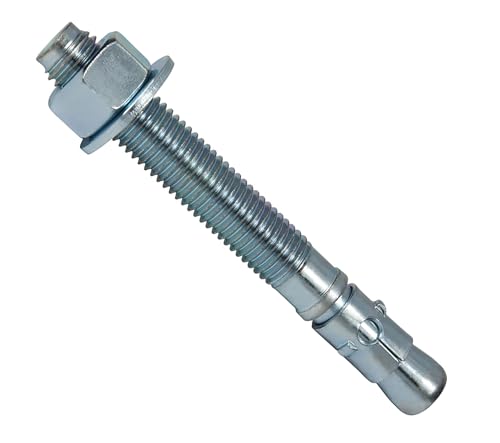
CONFAST 3/8 x 3-3/4 Stainless Wedge Anchors, 50 Box

BCP Fasteners 3/16 x 1-1/4 Diamond-Tip Concrete Screws

Red Head TruBolt 3/8 x 3-3/4 Wedge Anchors
More Details On My Top Picks
The 5/8-inch sizing makes this holder set suited to thicker anchor rods and tie bolts, while the 60-piece count supports a broad pour without frequent pauses. During formwork preparation, the holders keep rod height and spacing consistent so the finished concrete captures a more orderly layout.
I favor this set for large residential or light-trade pours, especially where a 30-piece assortment may run short. The plastic construction is lightweight, and reuse across later pours may make the 60-count practical for a workshop, though the exact fit still depends on rod dimensions.
What Stands Out
- Sixty holders cover a substantial anchor layout.
- The 5/8-inch format suits compatible rod stock.
- Lightweight plastic simplifies formwork handling.
- Reuse helps manage recurring pour work.
Small Caveats
- The package does not include anchor rods or concrete.
- Storage requires keeping the plastic pieces together, as small holders scatter easily in a busy workshop.
Quick Facts
Built With In Mind
I recommend this set to remodelers and fabricators placing many 5/8-inch rods in concrete.
Another Choice May Suit
Otoolling 30-Pack 5/8-Inch Blue Anchor Bolt Holders suit a smaller residential pour with fewer rod positions.
Shifting from 5/8-inch to 1/2-inch rods makes this yellow set useful for common post, frame, and equipment layouts. The holders are fitted before the pour to maintain anchor position, which matters on projects with closely spaced rods and multiple vertical attachment points.
I see the 60-piece count as sensible for a workshop that handles concrete regularly, although crowded layouts may still need careful spacing checks. Compared with Otoolling 30-Pack 5/8-Inch Blue Anchor Bolt Holders, this option favors the thinner rod format and a larger placement inventory.
What Makes Sense
- The 1/2-inch size fits a widely used rod format.
- Sixty pieces reduce shortages on larger layouts.
- Yellow color makes the holders easy to identify on a crowded form.
- Reusable plastic cleans up quickly after curing.
Details To Watch
- The 1/2-inch size won’t match thicker 5/8-inch rods.
- Exact placement still depends on checking rod length, concrete cover, and form dimensions before pouring.
Feature Snapshot
Who It Suits Best
I favor this set for experienced home renovators laying out numerous 1/2-inch anchor rods.
A Better Fit Elsewhere
Red Head TruBolt 3/8 x 3-3/4 Wedge Anchors provide a better fit for fastening into an existing concrete surface.
Thirty blue holders create a manageable middle ground between a small repair kit and the 60-piece Otoolling assortment. For a backyard post, workshop base, or equipment pad, the set can organize up to 30 compatible 5/8-inch positions before concrete placement.
I recommend this version for residential projects with a moderate anchor count. The light plastic avoids adding unnecessary bulk to the forms, though holding rods at an exact elevation remains dependent on a level form and careful formwork preparation.
Positive Takeaways
- Thirty pieces cover a moderate project inventory.
- The 5/8-inch size fits compatible heavier rods.
- Reusable pieces suit subsequent concrete work.
Possible Compromises
- Larger foundation layouts may require more than 30 pieces.
- The small parts need a labeled container during storage, as they can scatter during form removal.
Made For
I favor this set for residential makers building a post base, shed footing, or compact equipment pad.
Where A Sibling Pick Shines
Otoolling 60-Pack 5/8-Inch Blue Anchor Bolt Holders suit a pour requiring twice the holder inventory.
Fifteen holders suit a focused installation rather than a sprawling foundation grid. The set works well for a small post cluster, equipment mount, or repair where the form has a limited number of 5/8-inch anchor positions.
I prefer the 15-piece format for a single-purpose pour because storage and setup stay manageable. Compared with Otoolling 30-Pack 5/8-Inch Blue Anchor Bolt Holders, it offers less spare capacity, so checking the final anchor layout is important before the form closes.
Where It Delivers
- Compact quantity fits small installation layouts.
- Blue color remains visible against formwork.
- Plastic construction allows straightforward handling.
- The 5/8-inch format supports compatible anchor rods.
Less-Strong Areas
- Complex forms can easily require more than 15 holders.
- No rods, fasteners, or concrete are included in the package.
The Right Fit
I recommend this set for first-time renovators placing a small group of 5/8-inch rods.
Reach For A Different Pick When
Otoolling 60-Pack 1/2-Inch Yellow Anchor Bolt Holders suit a larger form using thinner 1/2-inch rods.
The 30-piece 1/2-inch format fits comfortably between the smaller Otoolling set and its 60-piece yellow counterpart. It gives a residential pour enough placement pieces for a moderate layout without carrying twice the equipment inventory.
I consider this the straightforward choice for common 1/2-inch rods used in post and frame construction. The reusable plastic should be rinsed after curing for cleaner handling, since concrete residue is easier to remove before it hardens on the holder surfaces.
Everyday Perks
- Thirty pieces fit typical residential layouts.
- Yellow holders are easy to spot during formwork checks.
- Reuse across multiple single pour applications supports longer ownership.
Trade-Offs To Consider
- The 1/2-inch diameter excludes 5/8-inch rods.
- Unused holders need a compartmented storage container to prevent loss.
- Rod position still depends on secure form attachment.
Who Will Love This
I suggest this package to home renovators working with a medium layout of 1/2-inch anchor rods.
Consider Something Else When
BCP Fasteners 3/16 x 1-1/4 Diamond-Tip Concrete Screws suit a lighter fixture attached to cured concrete.
A wedge anchor expands against the drilled hole wall as its bolt is tightened, making it suited to attaching fixtures after concrete has cured. The 304 stainless steel construction and stated wet-location use make this 50-piece set relevant to exposed outdoor work.
I favor it for medium-duty equipment, framing, and general fastening where a 3/8-inch hole is appropriate. Unlike the Otoolling holders, this hardware enters an existing hole rather than controlling a rod before a pour, and the manufacturer limits use to concrete rather than block or brick.
Useful Strengths
- 304 stainless steel supports outdoor-facing installations.
- Fifty anchors cover several attachment points.
- The 3/8-inch hole requirement supports familiar drilling setups.
- Concrete-only design gives the material application a clear boundary.
Practical Considerations
- Installation requires a 3/8-inch hole in concrete.
- Block and brick are outside the stated application.
- Correct embedment and torque matter more than simply reaching concrete depth.
Technical Highlights
Built With In Mind
I recommend these anchors to fabricators fastening outdoor equipment into sound concrete.
Look Elsewhere When
Red Head TruBolt 3/8 x 3-3/4 Wedge Anchors fit more demanding machinery and structural fastening scenarios.
These 3/16-inch screws serve lighter fastening duties in concrete, with the hex head providing a familiar driver interface. A diamond tip is designed to enter masonry through a properly prepared hole, while the 1-1/4-inch length keeps the fastener compact for routine fixtures.
I see this 100-piece assortment as useful for repeated household tasks such as rails, boxes, and light fixtures. Compared with CONFAST 3/8 x 3-3/4 Stainless Wedge Anchors, the smaller screw is easier to place in crowded layouts, though its thinner 3/16-inch profile belongs to lighter jobs.
Reasons It Performs
- The 100-piece count supports household maintenance.
- Hex heads accept common driving tools.
- The blue coating provides resistance to rust and weather exposure.
- The compact screw length suits lighter concrete fixtures.
A Few Limitations
- Concrete requires a correctly sized hole before screw insertion.
- The 3/16-inch screw is not my choice for heavy structural loads.
- Coated fasteners should be stored dry to limit surface wear.
Feature Facts
Right Fit For
I recommend this package to homeowners handling light fixture and household concrete repairs.
Skip It When
Otoolling 60-Pack 5/8-Inch Blue Anchor Bolt Holders suit controlled anchor placement during a fresh pour.
The TruBolt format targets demanding concrete fastening, including machinery, sill plates, and structural supports. Its 3/8 x 3-3/4-inch dimensions place it in a substantial anchor class, and the 15-piece pack focuses on a defined installation rather than bulk maintenance stock.
I prefer this option over the CONFAST stainless wedge set for heavier structural contexts, subject to substrate and installation requirements. The smaller package count may require another box for a broad foundation, and precise hole preparation remains central to getting consistent wedge engagement.
The Helpful Details
- Heavy-duty wedge format suits demanding applications.
- The 3/8 x 3-3/4-inch size supports substantial fastening work.
- Useful applications include machinery and structural support.
- Fifteen anchors provide focused project inventory.
Points To Note
- The 15-piece count is limited for large equipment layouts.
- Installation depends on correct drilling, depth, embedment, and tightening.
- Project requirements govern the selection of wedge-anchor material and dimensions.
Key Product Details
Whose Shelf It Belongs On
I recommend TruBolt anchors to professional installers handling machinery or structural attachments in concrete.
Not My Match For
BCP Fasteners 3/16 x 1-1/4 Diamond-Tip Concrete Screws suit much lighter household fixture work.
Match The Hardware To The Pour
Start With The Installation Stage
Holders and post-pour anchors solve different problems. Plastic holders control rods before concrete placement, while wedge anchors and concrete screws fasten hardware into cured material. I start by identifying whether the rod enters fresh concrete or a finished slab.
Check Diameter Before Quantity
A 1/2-inch holder does not substitute for a 5/8-inch holder, and a 3/8-inch anchor needs a matching drilled hole. I count every planned attachment position, then add a small reserve for replacement pieces and future layout changes.
Match Load And Environment
A short screw works well for light fixtures, while machinery and structural supports call for a heavier wedge-anchor approach. Stainless steel is relevant to wet or exposed settings, but concrete compatibility remains just as important as corrosion resistance.
Choosing Between Holder Sets And Anchors
Common Shopping Slip Ups
The most consequential mistake is treating every concrete fastener as interchangeable. Rod diameter, embedment depth, substrate, and installation stage all matter, while a mismatched holder leaves the bolt loose within the form. I also check package quantity against the complete fastening layout rather than one visible wall.
What Separates Premium From Basic
Higher-tier anchors may offer heavier construction, stainless steel, larger inventories, or documentation for demanding applications. The added capability matters most for exposed environments, machinery, and structural work; a compact 100-piece screw pack remains more sensible for routine household fixtures.
Frequently Asked Questions
What Size Anchor Is Commonly Used With Concrete?
The correct diameter depends on the load, rod, substrate, and fastening design. Common options in this roundup include 1/2-inch and 5/8-inch holders alongside 3/8-inch wedge anchors.
Can Concrete Screws Replace Wedge Anchors?
Concrete screws fit many lighter fixture applications, while wedge anchors suit more demanding loads. The fixture weight and installation conditions determine the appropriate choice.
Do Anchor Bolt Holders Come With Bolts?
The Otoolling packages contain plastic holders rather than anchor rods or fasteners. I account for those separate components before ordering the complete installation materials.
Are Stainless Steel Anchors Suitable for Outdoor Concrete?
The CONFAST anchors use 304 stainless steel and are stated for wet environments. Installation remains limited to concrete rather than block or brick.
How Many Holders Does a Project Need?
I count every rod position in the form and add a modest replacement reserve. Larger foundations may need 30 or 60 holders, while a compact post base may require considerably fewer.
The Takeaway
I choose Otoolling holders for rods placed during a pour, BCP screws for lighter household fastening, CONFAST stainless wedge anchors for wet concrete settings, and Red Head TruBolt anchors for heavier structural work. The most important decision is the fit between the hardware, concrete, and load, followed by a careful review of hole diameter, depth, and quantity before installation begins.
