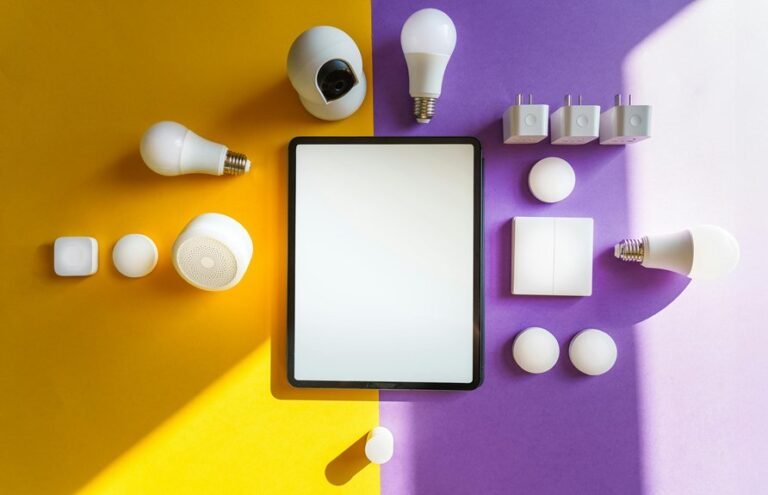
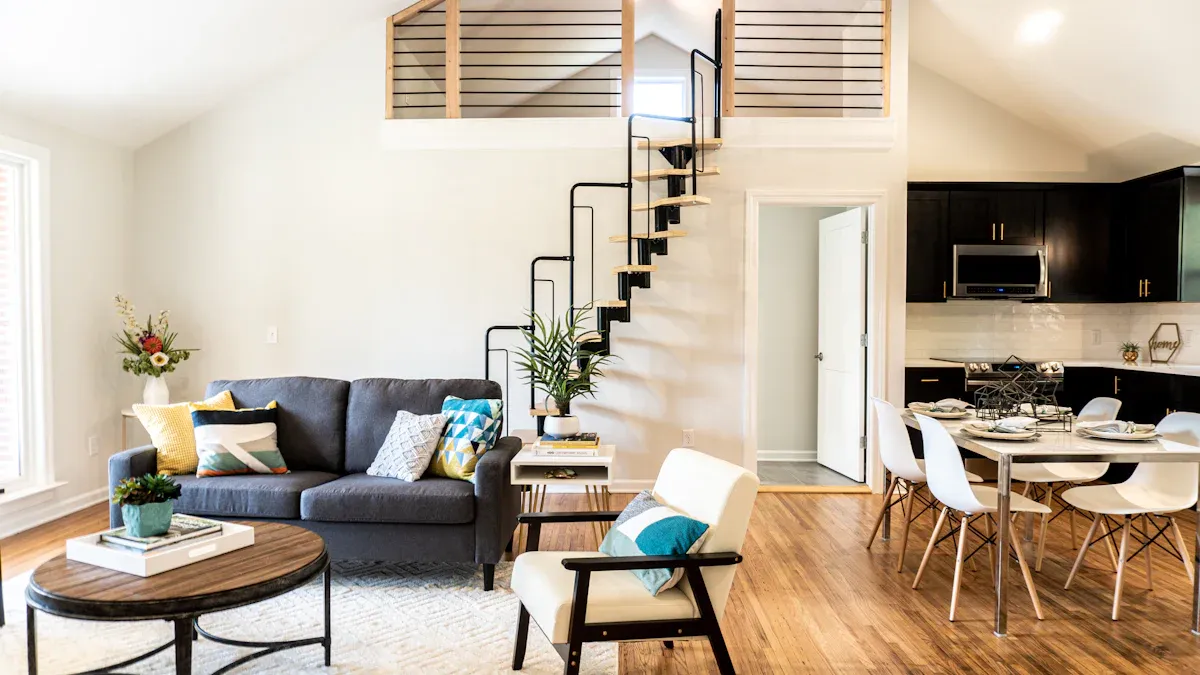
Smart home automation systems let you control your home from anywhere. Imagine adjusting your thermostat or checking your security cameras right from your phone! These systems are becoming essential for modern living. They offer you convenience, boost energy efficiency, and enhance your home’s security. In fact, the market for smart home automation is expected to grow significantly, reaching nearly $25.74 billion by 2030. This growth reflects changing lifestyles, with more people seeking remote home management and support for independent living, especially for the aging population.
Key Takeaways
Smart home automation systems offer convenience by allowing you to control devices like lights and thermostats from your smartphone, making daily life easier.
These systems enhance energy efficiency, potentially saving you hundreds of dollars annually on utility bills through smart devices like thermostats and lighting.
Planning is essential when setting up a smart home. Define your needs, research options, and ensure device compatibility for a smooth experience.
Smart home technology improves security by providing real-time alerts and remote monitoring, giving you peace of mind about your property.
Starting small with affordable devices can help you gradually build your smart home system without overwhelming complexity.
Smart Home Benefits
Convenience and Control
Smart home automation systems bring a new level of convenience to your daily life. Imagine controlling your home’s lighting, heating, and security systems from your smartphone or tablet. You can adjust settings from anywhere, whether you’re at work or on vacation. This flexibility allows you to manage your home effortlessly.
Here are some specific features that enhance your convenience:
Feature | Contribution to Convenience |
|---|---|
Remote Control | Enables you to control devices from a distance or hands-free, saving time and effort. |
Manage Routines | Supports complex routines, reducing cognitive load and helping you manage daily tasks more effectively. |
Schedules | Automates actions at fixed times, enhancing predictability and ease of use. |
Rules | Allows devices to respond to specific actions, increasing efficiency in daily activities. |
Scenes | Groups devices to perform coordinated actions, simplifying interactions with multiple devices. |
Smart security systems also provide peace of mind. They alert you to any unusual activity and allow for remote monitoring, giving you greater control over your home’s safety. With these systems, you can easily check in on your property and respond to alerts in real-time.
Energy Efficiency
Energy efficiency is another significant advantage of smart home automation systems. These systems help you optimize energy and water usage, leading to lower utility bills. For instance, smart thermostats can save you between 10-15% on heating and cooling costs. Similarly, smart lighting can reduce electricity usage by up to 75% compared to traditional bulbs.
Here are some ways smart home technology enhances energy efficiency:
Smart systems enable remote control of appliances, allowing you to turn off devices like lamps and televisions when not in use.
Monitoring and sensing features provide real-time data, helping you identify and change energy-wasting habits.
AI-powered devices intelligently manage appliance usage, optimizing energy consumption.
By integrating these technologies, you can potentially save between $427 to $640 annually, depending on your usage and how well you integrate your devices. This not only benefits your wallet but also contributes to a more sustainable lifestyle.
Essential Smart Home Components
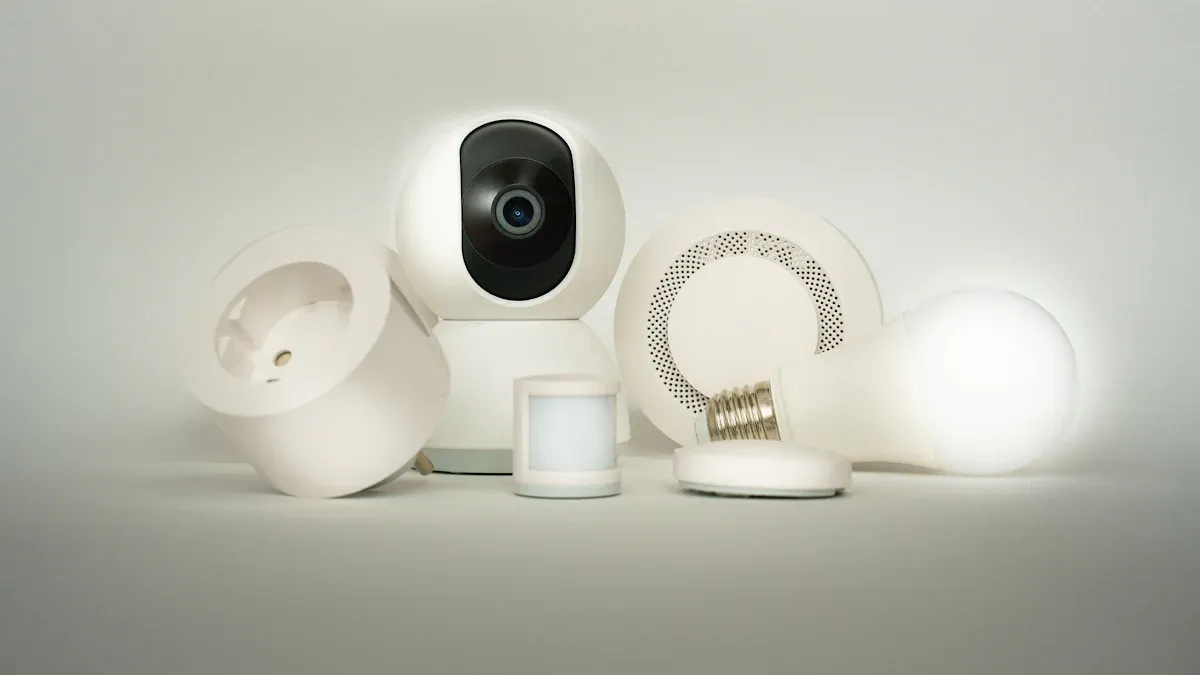
When you think about setting up a smart home, several key components come into play. These components work together to create a seamless and efficient home automation experience. Let’s break down the essentials.
Smart Hubs
A smart hub acts as the brain of your smart home system. It connects all your devices and allows them to communicate with each other. Here are some popular smart hubs you might consider:
Smart Hub | Features | Integrations |
|---|---|---|
Frontpoint Hub | Lacks built-in screen/keypad; uses mobile app for control | Limited smart home device management |
Abode Hubs | Three different hubs; all compatible with Abode devices | Varies by hub; Iota has more |
Iota Hub | Built-in security camera and motion sensor; all-in-one solution | Extensive third-party integrations |
Vivint Smart Hub | Can control smart home devices; displays live security camera footage | Streamlined user experience |
Choosing the right hub is crucial. It determines how well your devices will work together. Look for one that supports the devices you plan to use and offers a user-friendly interface.
Smart Devices
Smart devices are the heart of your home automation systems. They include everything from smart lights to smart locks. Here’s a list of essential smart devices you should consider:
Smart Home Controller: Coordinates all connected devices and ensures smooth operation.
Home Automation Controller: Manages communication between lighting systems, switches, and access control devices.
Smart Switch Controller: Replaces traditional switches for remote or automated control of lighting and appliances.
Lighting Control System: Enables scheduled or automated lighting adjustments for energy efficiency and convenience.
Smart Door Lock Controller: Integrates existing door locks into the smart ecosystem for intelligent access management.
These devices not only enhance your convenience but also improve your home’s security and energy efficiency. You can control them remotely, set schedules, and even create routines that fit your lifestyle.
Sensors and Cameras
Sensors and cameras play a vital role in enhancing the functionality and security of your smart home. Here’s how they contribute:
Motion Sensors: Detect movement and send alerts when unexpected activity occurs, enhancing security.
Core Function of Security Cameras: Provide real-time video streaming and recording, allowing you to monitor your property effectively.
Integration with Smart Devices: Both sensors and cameras can work with home automation systems, triggering events and providing comprehensive security solutions.
By incorporating these components, you create a smart home that not only responds to your needs but also keeps you informed and secure. With the right setup, you can enjoy a more connected and efficient living space.
Setting Up a Smart Home System
Planning Your Smart Home
Before diving into your smart home setup, take some time to plan. Here’s a simple list to guide you through the process:
Define the Function and Features: Think about what you want your smart home to do. Do you want to manage devices or create automation rules?
Conduct Market Research: Look into different platforms and technologies. Find out what works best for your needs.
Design the User Experience: Focus on how you want to interact with your devices. A user-friendly design makes everything easier.
Develop the App: If you’re tech-savvy, set up the backend and frontend systems for smooth interactions.
Test and Troubleshoot: After installation, check for any issues. Fixing them early ensures everything runs smoothly.
Provide Post-Launch Support: Keep your system updated to maintain performance and security.
Installation Process
Installing your smart home devices can be a bit tricky. Here are some common challenges you might face:
Device Compatibility Issues: Not all devices work well together. This can lead to unexpected problems.
Configuration Frustrations: Setting up devices from different brands can take time and patience.
Network Stability: A strong Wi-Fi connection is crucial. If your network is weak, devices may not function properly.
Automation Challenges: Creating effective automations can be complex. Start simple and build up gradually.
Security Concerns: Regular updates are essential to keep your devices secure.
Integration Tips
To ensure your devices work well together, follow these integration tips:
Commit to a central smart home management option.
Use one app for unified control of all your devices.
Choose new devices based on compatibility with your chosen platform.
Regularly update your devices to keep them functioning smoothly.
As you embark on your smart home journey, remember that planning your smart home layout is key. With the right setup, you can enjoy energy-saving features and enhanced home security.
Popular Smart Home Technology

Smart Speakers
Smart speakers have become a staple in many homes. They offer a hands-free way to control your smart home devices. With voice control, you can manage music, adjust settings, and even ask questions without lifting a finger. Here are some key features that make smart speakers appealing:
Feature | Description |
|---|---|
Compatibility | They support ecosystems like Amazon Alexa, Google Assistant, and Apple HomeKit, allowing seamless integration with other smart devices. |
Voice Control | You can use simple voice commands to control functions, making interactions intuitive. |
Central Hub | Smart speakers act as a central hub for managing various smart devices, enhancing home automation efficiency. |
Imagine asking your speaker to dim the lights or play your favorite playlist while you cook dinner. It’s that easy!
Smart Thermostats
Smart thermostats are another fantastic addition to your smart home. They help you save energy while keeping your home comfortable. Here’s how they work:
Feature | Benefit |
|---|---|
Remote Control | You can manage your home temperature from anywhere using smartphone apps. |
Automated Adjustments | These devices adjust settings based on occupancy, optimizing energy use. |
Learning Capabilities | They adapt to your preferences, ensuring comfort while saving energy. |
Energy Use Reports | Smart thermostats provide insights into energy consumption, helping you reduce your carbon footprint. |
Geofencing | They automatically adjust temperature based on your location, ensuring comfort upon arrival. |
With smart thermostats, you can reduce electricity used for heating by an average of 9%. Plus, you can monitor your energy usage in real-time, making it easier to manage costs.
Smart Lighting
Smart lighting systems are perfect for enhancing your home’s ambiance and security. They offer convenience through features like wireless control and motion sensors. Here’s why you should consider them:
You can control lights remotely via mobile apps or voice assistants.
They enhance energy efficiency by using sensors and LED technology to minimize energy consumption.
Smart lighting improves security by deterring intruders and allowing real-time monitoring.
You can choose from various colors and brightness levels to suit different moods.
LED bulbs in smart lighting last longer than traditional bulbs, reducing maintenance costs.
With automated lighting, you can set schedules or create scenes that match your lifestyle. Imagine coming home to a well-lit space that welcomes you!
Smart Home Platforms
When it comes to smart home automation, choosing the right platform is crucial. Each platform offers unique features that can enhance your experience. Let’s take a closer look at three popular options: Google Home, Amazon Alexa, and Apple HomeKit.
Google Home
Google Home excels in integrating with various smart home devices. You can control lights, thermostats, and even door locks with simple voice commands. For example, you might say, “OK Google, turn on the living room light,” and just like that, your command is executed. Google Home also supports context-aware searches and has an extensive Actions library, making it a versatile choice for your smart home setup.
Here are some devices you can control with Google Home:
Lights
Thermostats
Fans
Robot vacuums
Amazon Alexa
Amazon Alexa stands out with its robust voice control capabilities. You can manage all your smart devices hands-free, making daily tasks easier. With Alexa Routines, you can automate multiple actions with a single command. For instance, you could set a morning routine that turns on the coffee maker, adjusts the thermostat, and plays your favorite news station.
Check out some unique features of Amazon Alexa:
Feature | Description |
|---|---|
Alexa Voice Control | Control all smart devices with voice commands. |
Alexa Routines | Automate multiple actions with a single command. |
Alexa Hunches | Uses AI to predict your needs based on past behaviors. |
Apple HomeKit
Apple HomeKit focuses heavily on privacy and security. It encrypts data transmitted between devices, ensuring that your information remains safe. HomeKit also allows you to control your smart home accessories using Siri, making it easy to manage your devices hands-free.
Here’s how Apple HomeKit ensures your privacy:
Evidence Description | Source Link |
|---|---|
The Home app uses encryption to protect information transmitted to HomePod. | Apple Privacy Features |
Data related to your home is encrypted and stored securely. | Apple Privacy Features |
Choosing the right smart home platform depends on your needs and preferences. Whether you prioritize integration, voice control, or security, there’s a platform that fits your lifestyle perfectly.
Challenges and Misconceptions
Cost vs. Value
Many people think that smart home automation systems are too expensive. This is a common misconception. While high-end systems can cost a lot, many affordable options fit various budgets. For beginners, starting with devices like smart speakers or automated door locks can be a practical way to enter the smart home market without a significant financial investment.
You might wonder about the value compared to the initial cost. Here are some points to consider:
Many devices promise cost savings over time, but it can take years to recoup the initial investment through reduced energy bills.
Automated lighting and climate control can reduce energy bills.
Enhanced security systems contribute to safety and potentially lower home insurance premiums.
Modern smart homes can increase property value by appealing to tech-savvy buyers.
Complexity of Use
Another concern is the complexity of using smart home systems. Some people feel overwhelmed by the technology. Here are a few reasons why:
Some systems require professional programming for changes or updates, which can become expensive to maintain.
Highly integrated systems can fail catastrophically if central controllers malfunction.
Compatibility issues often arise, as home networks for smart devices differ from standard Wi-Fi and LAN networks.
While the concept of home automation may seem complex, many devices are designed for easy integration. You can start small and gradually expand your system as you become more comfortable.
Privacy Concerns
Privacy is a significant concern for many users. Smart home devices continuously gather data, which limits your control over personal information. Here are some prevalent privacy risks:
Smart devices, like Amazon Alexa and smart fridges, collect data that can infer undisclosed information.
There’s a danger of de-anonymization, where collected data can be linked back to individuals.
To address these concerns, manufacturers should design products with privacy in mind. Clear privacy policies and robust user controls are essential. You can also enhance your security by enabling two-factor authentication for important accounts and choosing devices from reputable companies.
By understanding these challenges and misconceptions, you can make informed decisions about your smart home journey.
Smart home automation systems can truly transform your life. They enhance security by letting you monitor your property remotely. You can manage access points, like letting in repair workers or keeping an eye on an Airbnb rental, which gives you peace of mind.
Consider these key benefits as you explore options for your home:
Remote Access & Control
Real-Time Alerts & Notifications
AI-Powered Automation & Learning
Seamless Device Integration
Voice Control Compatibility
Energy Efficiency
Professional Monitoring & Support
By embracing smart home technology, you can enjoy a more efficient and secure lifestyle. So, take the plunge and find the solutions that best fit your needs and enhance your modern living experience!
FAQ
What is a smart home system?
A smart home system connects various devices in your home, allowing you to control them remotely. This ecosystem enhances convenience, security, and energy efficiency for modern homeowners.
How do I start with smart house automation?
Begin by identifying your needs. Choose a smart door lock controller or smart lighting to start small. Gradually expand your smart home ecosystem as you become comfortable with automation.
Are smart home systems secure?
Yes, most smart home systems prioritize security. They use encryption and regular updates to protect your data. However, always choose reputable brands and enable two-factor authentication for added safety.
Can I control my smart devices away from home?
Absolutely! With a smart home system, you can control devices from anywhere using your smartphone. This feature allows you to manage your home even when you’re away.
Do I need a hub for my smart devices?
While not always necessary, a hub simplifies managing your smart home ecosystem. It connects devices from different brands, ensuring they work together seamlessly.