Have you ever walked into a room and felt instantly at home? The secret often lies in the wall décor ideas you choose. Selecting the right elements can transform any space, making it feel inviting and personal. Whether you’re drawn to vibrant artwork, elegant mirrors, or bold accent walls, each wall décor idea plays a crucial role in shaping the ambiance. Let’s explore how these key components can elevate your living areas and reflect your unique style.
Key Takeaways
Choose artwork that reflects your personality. Personal touches make your space feel unique and inviting.
Hang artwork at eye level, around 57 inches from the floor. This height enhances visibility and integrates art into your space.
Avoid overcrowding your walls. Leave negative space around art to let each piece shine and create a balanced look.
Use mirrors to enhance light and depth. Placing mirrors opposite windows brightens the room and creates the illusion of more space.
Consider bold colors and textures for accent walls. They can dramatically change the feel of a room and showcase your style.
Artwork Selection
Types of Artwork
When it comes to wall décor, the type of artwork you choose can significantly impact the mood and style of your space. Here are some popular types of artwork that can enhance your walls:
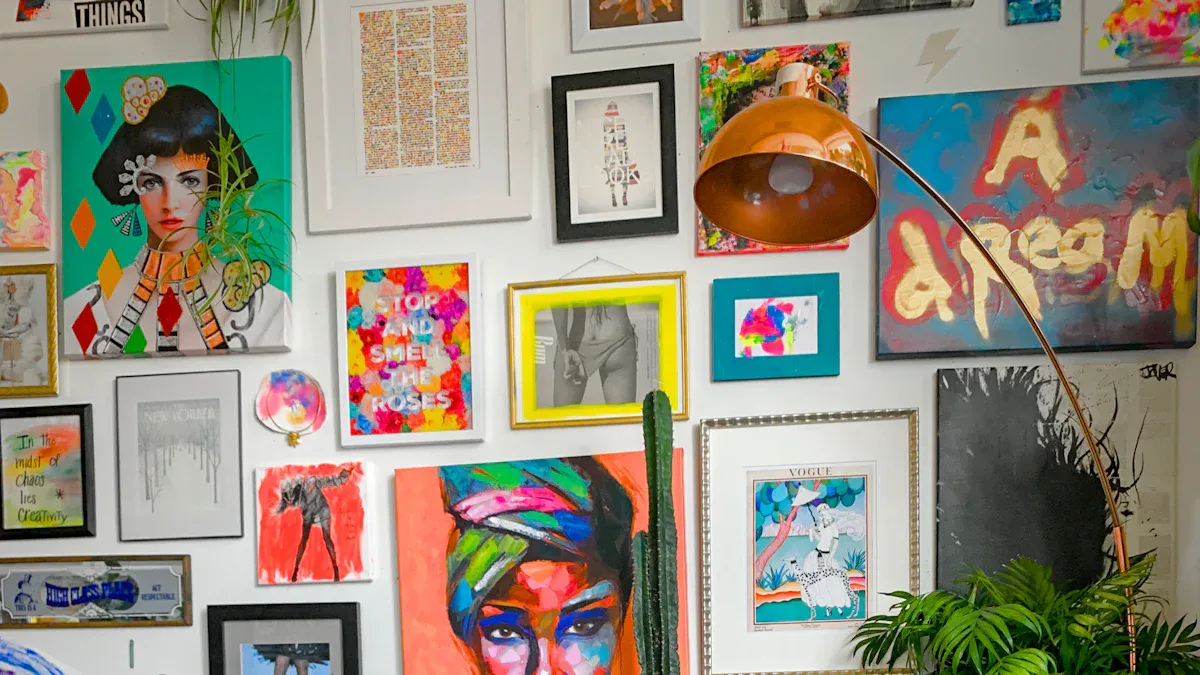
Personalized Gallery Walls: Curate a collection of personal photos and artworks. This approach adds a unique touch and creates visual dynamism with various frame styles.
Metal Wall Art: For a modern, industrial look, consider metal pieces. They offer three-dimensional depth and can be made from materials like steel and brass.
Bold Colors and Texture: Vibrant colors and tactile designs can add depth and intrigue to your walls, making them focal points in any room.
Sustainable and Eco-Friendly Art: Art made from recycled materials supports sustainability and adds a unique story to your décor.
Contemporary Folk Elements: These pieces reinterpret traditional motifs with modern colors, appealing to rustic and boho aesthetics.
Digital & AI-Generated Art: This futuristic style attracts younger customers and tech enthusiasts, adding a contemporary flair to your space.
Sizing and Placement
Choosing the right size and placement for your artwork is crucial for achieving a balanced look. Here are some tips to guide you:
Hang at Eye Level: Aim to hang your artwork at eye level. This integration makes it a part of your daily life and enhances its impact.
Avoid Overcrowding: Leave some negative space around your art. This allows each piece to stand out and breathe, creating a more sophisticated look.
Consider the Room’s Purpose: Match your artwork with the room’s function. For example, abstract art can stimulate creativity in a home office, while nature scenes promote tranquility in bedrooms.
Follow the ‘Three Eights’ Rule: When hanging art on blank walls, leave equal space on either side of the artwork. Multiply the wall width by 0.57 to determine the ideal size. For a 9-foot wall, aim for a piece around 60 inches wide.
Size Relative to Furniture: For art above furniture, select pieces that are ½ to ¾ the width of the furniture. For instance, if you have a 7-foot couch, choose artwork that is 42 to 63 inches wide.
By carefully selecting the type of artwork and considering its size and placement, you can create a stunning wall décor that reflects your personal style and enhances your living space.
Mirrors for Wall Décor
Types of Mirrors
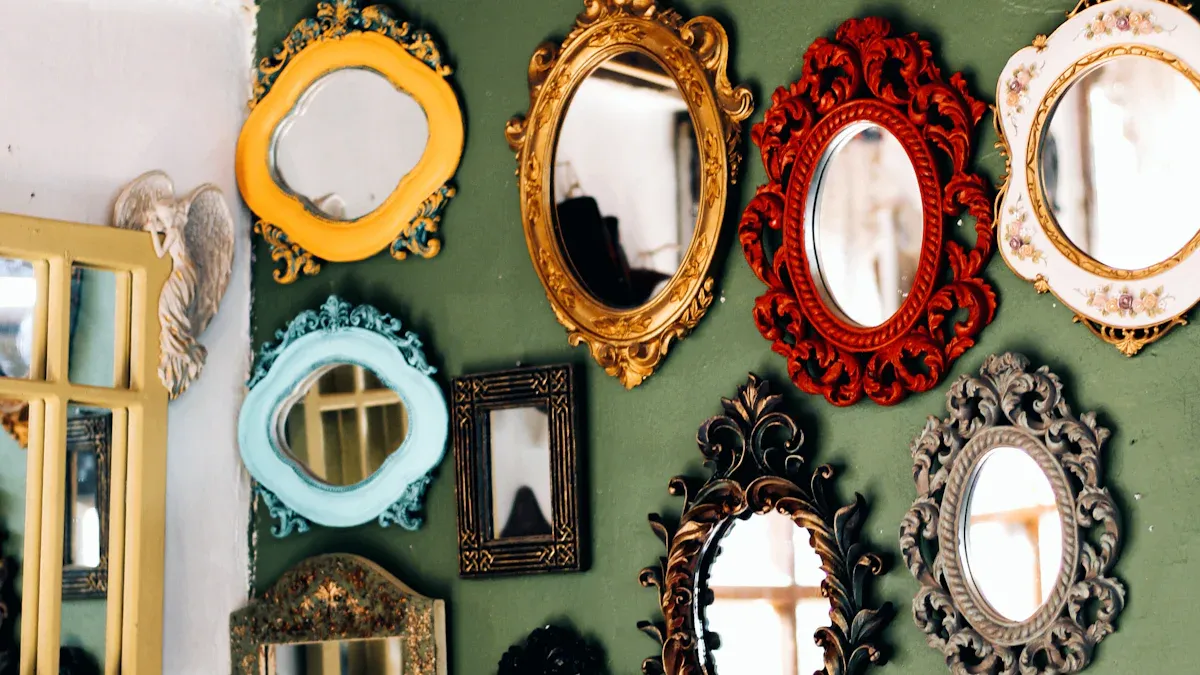
Mirrors can do wonders for your wall décor. They not only reflect light but also create the illusion of more space. Here are some popular types of mirrors you might consider:
Mirror Type | Distinguishing Features |
|---|---|
Standard Mirror | Provides a clear reflection, versatile for various décor styles, commonly used in bathrooms and bedrooms. |
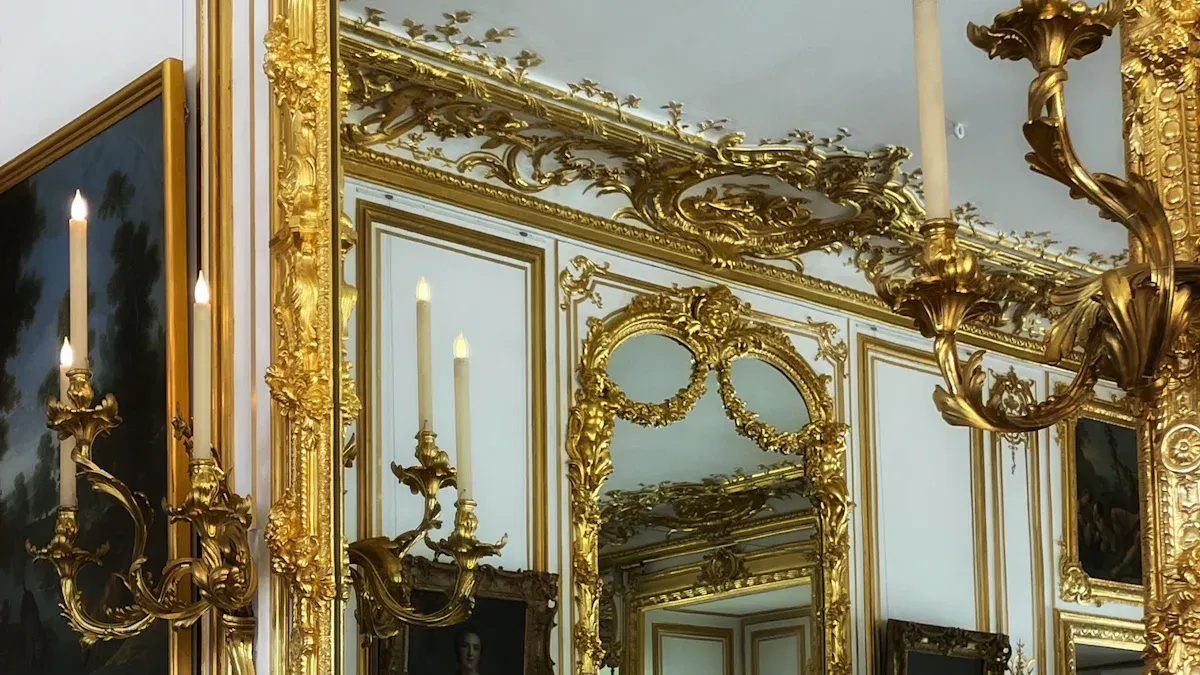
Antique Style Mirror | Features an acid-washed backing for an aged look, offers a less clear reflection, suitable for decorative use. |
Edge Options | Includes polished, beveled, and metal-wrapped edges, enhancing the mirror’s appearance and versatility. |
Choosing the right mirror type can enhance your room’s overall aesthetic. For instance, a standard mirror works well in functional spaces, while an antique mirror adds character to a living room.
Placement Tips
To maximize the impact of your mirrors, placement is key. Here are some tips to help you position them effectively:
Capture Natural Light: Place mirrors opposite windows to reflect light and brighten the room. This simple trick can make your space feel more inviting.
Create Focal Points: Use mirrors as statement pieces. Hang a large, decorative mirror in a hallway or above a fireplace to draw attention.
Enhance Overlooked Areas: Consider placing mirrors in unexpected spots, like narrow hallways or small nooks. This can make these areas feel larger and more welcoming.
Complement Surroundings: Ensure the colors and textures of your walls enhance the mirror’s design. A well-placed mirror can tie the room together beautifully.
By strategically using mirrors, you can transform your walls into stunning focal points that enhance both light and space.
Accent Wall Ideas
Color and Texture
Creating an accent wall can dramatically change the feel of a room. Choosing the right color and texture is essential for making a bold statement. Here are some popular combinations that can inspire your next project:
Color | Texture/Style |
|---|---|
Charcoal Gray | Crisp white furniture, natural textures |
Navy Blue | Black accents, geometric patterns |
Olive Green | Wood and chrome materials |
Eggplant Purple | Gold or silver accents |
Burnt Orange | Natural textures like wood |
Mustard Yellow | Black or white décor |
Teal | Light neutrals |
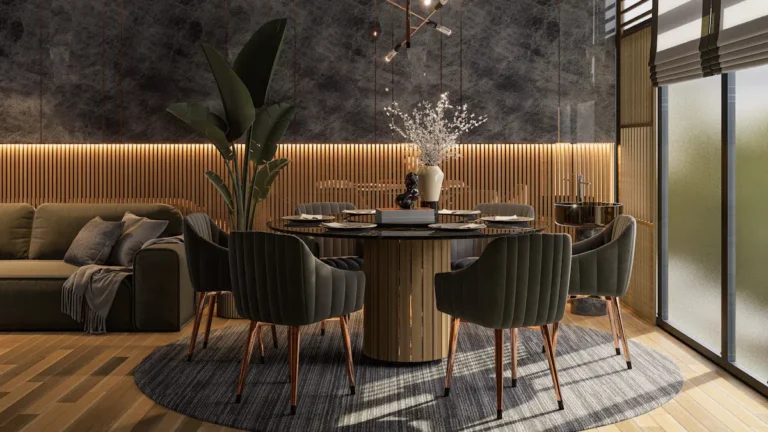
Deeper, nature-inspired hues like olive and moss greens are trending. These colors bring a sense of calm and connection to the outdoors. You can also consider tranquil teals and warm rust reds to add warmth and personality to your space.
When it comes to texture, think about how different materials can affect the atmosphere. For instance, bold wallpaper patterns can make a room feel lively and unique. Oversized floral designs or dramatic geometric shapes can create a playful vibe. On the other hand, a subtle textured wall can introduce depth and warmth, making your space feel cozy and inviting.
DIY Accent Wall Projects
If you’re feeling crafty, there are plenty of DIY accent wall projects you can tackle. Here are some ideas to get you started:
Batten Accent Wall: Use wood battens to create a classic look in your bedroom.
Artistic Stencils: Add a floral motif to your dining room for a touch of elegance.
Natural Stone Accents: Install charcoal rock panels next to your breakfast nook for a rustic feel.
Industrial Edge: Create a white shiplap entryway wall for a modern touch.
Fabric Feature: Use fabric wallpaper to add softness to your bedroom wall.
The cost of creating an accent wall can vary based on your chosen materials. For example, paint typically costs between $50 to $100 for an average-sized wall. More intricate options like shiplap can range from $2.50 to $7.00 per square foot.
When planning your project, consider the pros and cons of DIY. On the plus side, you save money and have complete control over the design. However, it can be time-consuming and requires some skill. Make sure you have the right tools to avoid mistakes that could lead to extra costs.
Lastly, think about sustainability when selecting materials. Options like reclaimed wood or bamboo slats not only look great but also offer environmental benefits. They can enhance your wall design while being eco-friendly.
With these accent wall ideas, you can transform your space into something truly special. Whether you choose bold colors, unique textures, or a DIY project, your walls will reflect your personal style and creativity.
Common Mistakes in Wall Décor
Overcrowding the Wall
One of the biggest mistakes you can make in wall décor is overcrowding. When you fill every inch of your wall with décor items, it can create a cramped and chaotic feeling. Instead of showcasing your favorite pieces, everything competes for attention. This can lead to a messy appearance that detracts from the overall aesthetic of your space. Here are some tips to avoid overcrowding:
Incorporate Negative Space: Leave at least 15 to 20 centimeters of empty space around your wall art. This enhances visibility and allows each piece to shine.
Establish a Focal Point: Choose one standout piece to draw the eye. This helps avoid visual chaos and gives your guests a clear point of interest.
Think in Collections: Instead of displaying individual pieces, group them by theme or color. This creates harmony and makes your wall feel cohesive.
Remember, a well-decorated wall should have a clear focal point. Without it, your guests may feel uncertain about where to direct their attention.
Ignoring Scale and Proportion
Ignoring scale and proportion can also lead to design pitfalls. When you choose artwork or décor that doesn’t fit the size of your wall or furniture, it can throw off the balance of the room. For example, hanging a tiny piece of art on a large wall can make the space feel empty. Conversely, a massive piece can overwhelm a small room. Here are some guidelines to help you maintain proper scale:
Guideline | Description |
|---|---|
Let the Room Guide Your Selections | Choose artwork sizes that complement the scale of the room and furniture. |
Design Around a Focal Point | Identify a focal point and arrange décor to support it. |
The Rule of Thirds | Place key elements along imaginary lines dividing the space into thirds. |
By mastering these principles, you can create a visually appealing and harmonious space. Remember, the right balance makes your home feel inviting and comfortable.
Decorating your walls can truly transform your space. Remember to choose artwork that reflects your personality and layer textures and colors for a unique look. Don’t hesitate to experiment with different styles, as mixing elements can create a beautiful accent wall that showcases your tastes.
Here are a few tips to keep in mind:
Hang artwork at 57 inches for optimal viewing.
Avoid overcrowding; let each piece shine.
Use mirrors to enhance light and depth in your room.
Your walls should tell your story. So go ahead, get creative, and make your space feel like home!
FAQ
What is the best way to choose artwork for my space?
Choose artwork that resonates with you. Consider colors, themes, and styles that match your room’s vibe. Personal touches make your space feel unique.
How can I make a small room feel larger with mirrors?
Place mirrors opposite windows to reflect light. Use larger mirrors to create depth. This trick visually expands your space and brightens the room.
What colors work best for an accent wall?
Bold colors like navy blue or olive green create striking accents. Choose shades that complement your existing décor for a cohesive look.
How high should I hang my artwork?
Hang artwork at eye level, around 57 inches from the floor. This height ensures optimal viewing and makes your art feel integrated into the space.
Can I mix different styles of décor?
Absolutely! Mixing styles adds character. Just ensure a common theme or color palette ties everything together for a harmonious look.