Sustainable home décor matters now more than ever. Did you know that 46% of homeowners believe that minimizing their home’s environmental impact is crucial for personal wellness? Yet, only 14% actively make their spaces more sustainable. You can create a stylish home while being eco-friendly and budget-conscious. The rise in demand for eco-friendly materials, like bamboo and organic textiles, shows that consumers are ready to embrace sustainability. By choosing eco-friendly options, you can make a positive impact on the planet without sacrificing your style.
Key Takeaways
Sustainable home décor enhances your living space while reducing environmental impact. Choose eco-friendly materials to create a stylish and responsible home.
Opt for materials like bamboo and reclaimed wood. These options are renewable, durable, and help reduce waste, making your home both beautiful and sustainable.
Incorporate biophilic design principles. Use natural light and indoor plants to improve air quality and create a calming atmosphere in your home.
Explore budget-friendly eco-friendly options. Thrift shopping, upcycling, and DIY projects allow you to decorate sustainably without overspending.
Always look for certifications when purchasing products. This ensures that your choices are genuinely eco-friendly and not just greenwashed.
Sustainable Home Décor Overview
What is Sustainable Home Décor?
Sustainable home décor refers to creating living spaces that prioritize eco-friendly materials and practices. It emphasizes using resources that are naturally occurring and quickly replaceable by nature. This approach minimizes waste and conserves global resources. Here are some key principles of sustainable interior design:
Reducing waste
Improving energy efficiency
Selecting durable materials
By choosing sustainable options, you not only enhance your home’s beauty but also contribute to a healthier planet.
Benefits of Sustainable Design
Opting for sustainable design offers numerous environmental benefits. For starters, it reduces pollution and litter while minimizing deforestation. When you select materials like recycled wood and organic cotton, you help preserve natural resources for future generations. Sustainable home décor also improves indoor air quality. By using non-toxic, sustainable materials, you create a cleaner environment, which is especially important for families with children or pets.
Moreover, sustainable choices enhance the aesthetic appeal of your home. You can enjoy beautiful living spaces that reflect your commitment to sustainability. This thoughtful selection of materials balances environmental responsibility with style.
Eco-Friendly Materials

When it comes to sustainable home décor, the materials you choose play a crucial role. Here are some of the most popular eco-friendly materials that can elevate your space while being kind to the planet.
Bamboo and Reclaimed Wood
Bamboo and reclaimed wood are fantastic choices for eco-friendly furniture. Bamboo grows rapidly, making it a highly renewable resource. In fact, it can reach maturity in just three to five years! This fast growth means you can enjoy beautiful bamboo furniture without worrying about deforestation. Plus, bamboo furniture is incredibly durable, with a Janka hardness rating between 1,300 and 1,800, making it tougher than many traditional hardwoods.
Reclaimed wood, on the other hand, gives new life to old materials. By using reclaimed wood furniture, you help reduce waste and prevent further deforestation. This practice not only minimizes harmful emissions during production but also adds a unique character to your home. Each piece tells a story, making your décor truly one-of-a-kind.
Tip: When shopping for bamboo or reclaimed wood furniture, look for certifications that ensure the materials are sustainably sourced.
Natural Fibers and Textiles
Natural fibers like cotton, linen, and hemp are excellent choices for eco-friendly textiles. Unlike synthetic fabrics, these materials are biodegradable and do not contribute to microplastic pollution. Hemp, in particular, is a superstar in sustainability. It sequesters 8 to 15 tons of CO2 per hectare and requires less water than cotton. Plus, it’s naturally hypoallergenic and resists insects without heavy pesticides.
Linen and hemp also have lower water requirements and faster growth rates compared to cotton. This makes them more sustainable options for your home. By choosing organic fabrics, you not only support sustainable farming practices but also create a healthier indoor environment.
Recycled Glass and Metals
Using recycled glass and metals in your décor can significantly reduce your carbon footprint. Recycling glass conserves natural resources like sand and soda ash while minimizing environmental impact. It also requires less energy to produce glass from recycled materials, leading to reduced greenhouse gas emissions.
When you opt for recycled glass items, you help divert waste from landfills, extending their lifespan. This is crucial since glass is non-biodegradable. Similarly, recycled metals can be used in various home décor items, from light fixtures to furniture, making them both stylish and sustainable.
Natural Stone Options
Natural stone is another eco-friendly material that offers durability and beauty. Stone tiles are resistant to wear and tear, requiring low maintenance and lasting for decades with proper care. They also provide excellent insulation, keeping your home cool in hot weather.
The extraction and processing of natural stone are more sustainable than synthetic materials. Natural stone does not emit volatile organic compounds (VOCs), ensuring healthier indoor air quality. Additionally, when sourced locally, natural stone reduces transportation emissions, further enhancing its eco-friendly credentials.
Incorporating these eco-friendly materials into your home not only supports sustainability but also creates a beautiful and inviting space. By making thoughtful choices, you can enjoy a stylish home that reflects your commitment to the environment.
Eco-Friendly Interior Design Choices
Biophilic Design Principles
Biophilic design connects you with nature, enhancing your living space’s beauty and your well-being. This approach emphasizes natural elements, which can significantly improve indoor air quality and reduce stress. Here are some key principles of biophilic design:
Principle | Description |
|---|---|
Natural Light and Views | Maximizing natural light and providing views of nature to enhance well-being. |
Natural Materials | Incorporating materials like wood, stone, and plants to bring nature indoors. |
Living Plants | Including plants to improve air quality and reduce stress. |
Outdoor Spaces | Designing gardens or green roofs to connect with nature directly. |
By integrating these principles, you create functional living spaces that promote sustainability and comfort.
Multi-Functional and Minimalist Furniture
Choosing multi-functional and minimalist furniture is a smart way to reduce waste. This type of furniture emphasizes simplicity and functionality, allowing you to consolidate multiple needs into one unit. For example, a sofa bed can serve as both seating and a sleeping area. Here are some benefits of this approach:
Adaptability: Modular sofas allow for replacement of only damaged parts, extending the lifespan of the furniture.
Efficient Material Use: Standardized components reduce waste during production.
Durability: High-quality materials ensure longer lifespans, reducing the frequency of replacements.
By opting for minimalist designs, you not only save space but also contribute to a more sustainable lifestyle.
Incorporating Plants and Natural Light
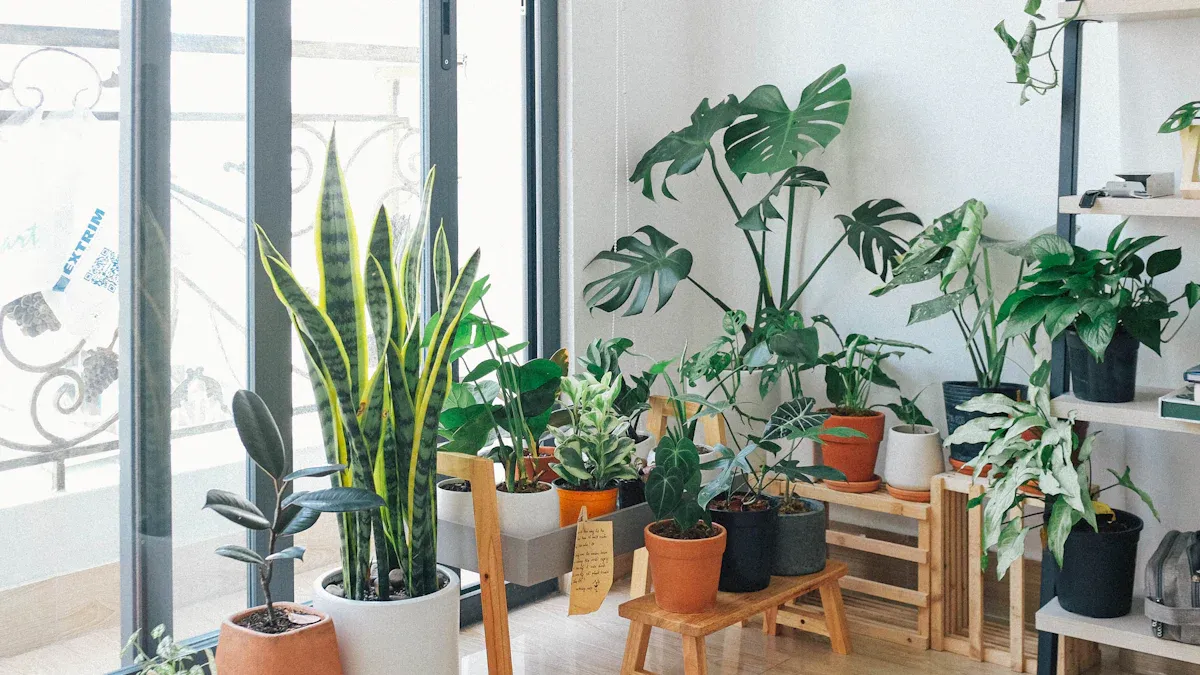
Incorporating indoor plants and maximizing natural light can transform your home into a healthier environment. Indoor plants act as natural air filters, removing pollutants and enhancing indoor air quality. They can also improve your mood and create a calming atmosphere.
Consider these impacts on energy consumption:
Aspect | Impact on Energy Consumption |
|---|---|
Heating and Cooling Savings | Up to 40% reduction |
Energy Use in Homes | 22% of total U.S. energy use |
By allowing natural light to flood your space, you can reduce reliance on energy-efficient lighting, further promoting sustainability.
Embracing these eco-friendly interior design choices not only beautifies your home but also supports a healthier planet.
Practical Tips for Eco-Friendly Home Decor
Budget-Friendly Eco-Friendly Options
You don’t have to break the bank to create a stylish and sustainable home. Here are some budget-friendly eco-friendly options that can help you achieve your goals without overspending:
Choose furniture made from reclaimed wood: This not only reduces the demand for new wood but also adds character to your space.
Use upcycled or recycled decor: Repurposing old items reduces waste and creates unique decor pieces.
Thrift shopping and vintage finds: Secondhand shopping offers unique pieces and is an eco-friendly option. You can find everything from furniture to decorative items at thrift stores.
DIY upcycling projects: Transforming old furniture and textiles can create stunning new decor. For example, you can repaint an old chair or turn a wooden crate into a stylish coffee table.
By incorporating these options, you can enjoy a beautiful home while supporting a sustainable lifestyle.
DIY Sustainable Projects
Engaging in DIY projects is a fun way to personalize your space while being eco-conscious. Here are some popular DIY sustainable home décor projects you can try:
Upcycle old furniture: Give new life to your old furniture by repainting or refinishing it. This not only saves money but also reduces waste.
Transform old mason jars into rustic flower vases: A simple coat of paint or twine can turn a plain jar into a charming centerpiece.
Create wall art from recycled wood or fabric scraps: Use leftover materials to craft unique pieces that tell a story of sustainability.
Make candle holders from used glass bottles: Cut and decorate bottles to create beautiful candle holders that add ambiance to your home.
Use old newspapers or maps as unique gift wrapping: This not only looks great but also reduces paper waste.
These projects allow you to express your creativity while contributing to a more sustainable lifestyle. Plus, they can be a great way to bond with family and friends!
Sourcing Sustainable Products
Finding sustainable products can be easier than you think. Here are some great sources for purchasing eco-friendly home decor:
Jungalow: Plants two trees for every purchase.
Nadeau: Offers handmade, unique furniture with a focus on sustainability.
Novica: Features handmade items by artisans worldwide, supporting local communities.
Reflektion Design: Provides ethically made products with a low carbon footprint.
VivaTerra: Offers ethically sourced home décor and furniture.
World Market: Features fair-trade artisanal items and eco-friendly options.
West Elm: Offers sustainably sourced home furnishings.
Joybird: Custom furniture from sustainably sourced materials, plants a tree for every purchase.
When shopping, always look for certifications that verify the sustainability claims of the products. This helps you make informed choices and avoid greenwashing.
By following these practical tips, you can create a beautiful, eco-friendly home that reflects your values and style. Remember, every small step counts in making a positive impact on our planet!
Creating a sustainable home doesn’t have to be overwhelming. You can start by incorporating eco-friendly materials like reclaimed wood and bamboo. Remember, biophilic design connects your space with nature, improving air quality and boosting your mood. 🌿
Here’s a quick recap of what you can do:
Use energy-efficient lighting to cut down on energy costs.
Choose low-VOC paints for a healthier indoor environment.
Add plants to enhance your space and well-being.
By making these small changes, you’ll find that eco-friendly choices can be both stylish and affordable. Embrace sustainability in your home, and enjoy the benefits for years to come!
FAQ
What are some easy ways to make my home more sustainable?
You can start by using energy-efficient appliances, switching to LED lighting, and choosing eco-friendly materials for your décor. Adding indoor plants also improves air quality and enhances your space.
How can I tell if a product is truly eco-friendly?
Look for certifications like Energy Star, FSC (Forest Stewardship Council), or organic labels. Research the brand’s sustainability practices and read reviews to ensure they align with eco-friendly values.
Are there affordable options for sustainable home décor?
Absolutely! Thrift stores, garage sales, and online marketplaces often have unique, budget-friendly finds. You can also upcycle old items or create DIY projects to save money while being eco-conscious.
How do I maintain eco-friendly materials?
Regular cleaning with non-toxic products helps maintain eco-friendly materials. For wood, use natural oils to nourish and protect. Follow specific care instructions for textiles and other materials to ensure longevity.
Can I mix sustainable and traditional décor styles?
Yes! Mixing styles can create a unique look. Combine sustainable pieces with traditional décor to add character. Just ensure that your choices reflect your commitment to sustainability while maintaining your personal style.