In today’s world, home safety is a growing concern for many homeowners. You may worry about burglary and property crime, especially with residential burglary rates showing a significant decline, from 387.4 incidents per 100,000 people in 2018 to just 225 in 2024. Smart home security offers a solution to these fears. By integrating technology into your security measures, you can protect your home more effectively. The adoption of smart home security systems has surged by over 20% annually in the United States, making these solutions increasingly accessible.
What is Smart Home Security?
Smart home security refers to the integration of standardized security features into smart home devices. This integration ensures that these devices come with security settings enabled by default, simplifying the process for you as a consumer. Organizations like the Connectivity Standards Alliance (CSA) and the Matter specification play a crucial role in establishing security standards for smart home environments.
Key Components
A typical home security system includes several essential components that work together to protect your home. Here are the main elements you should consider:
Control panel/keypad
Indoor and outdoor security cameras
Video doorbells
Alarms/sirens
Sensors/detectors
Lighting
Remote control apps
These components form the backbone of your smart home security system. They provide various functionalities, from monitoring to alerting you about potential threats. For instance, video surveillance systems and access control systems enhance your ability to monitor your property effectively.
Importance of Smart Security
Smart home security systems offer several advantages over traditional security systems. They provide real-time monitoring and instant alerts, which enhance your control over home safety. Unlike traditional systems, smart home security allows for a wider variety of sensors, including those for smoke and carbon monoxide detection. This capability ensures comprehensive protection for your home.
Moreover, smart systems offer customizable alerts to reduce false notifications. You can adjust settings easily, ensuring that your security measures align with your specific needs. The flexibility of smart home technology allows you to integrate these systems with other smart devices, creating a cohesive security network.
Smart Security Devices
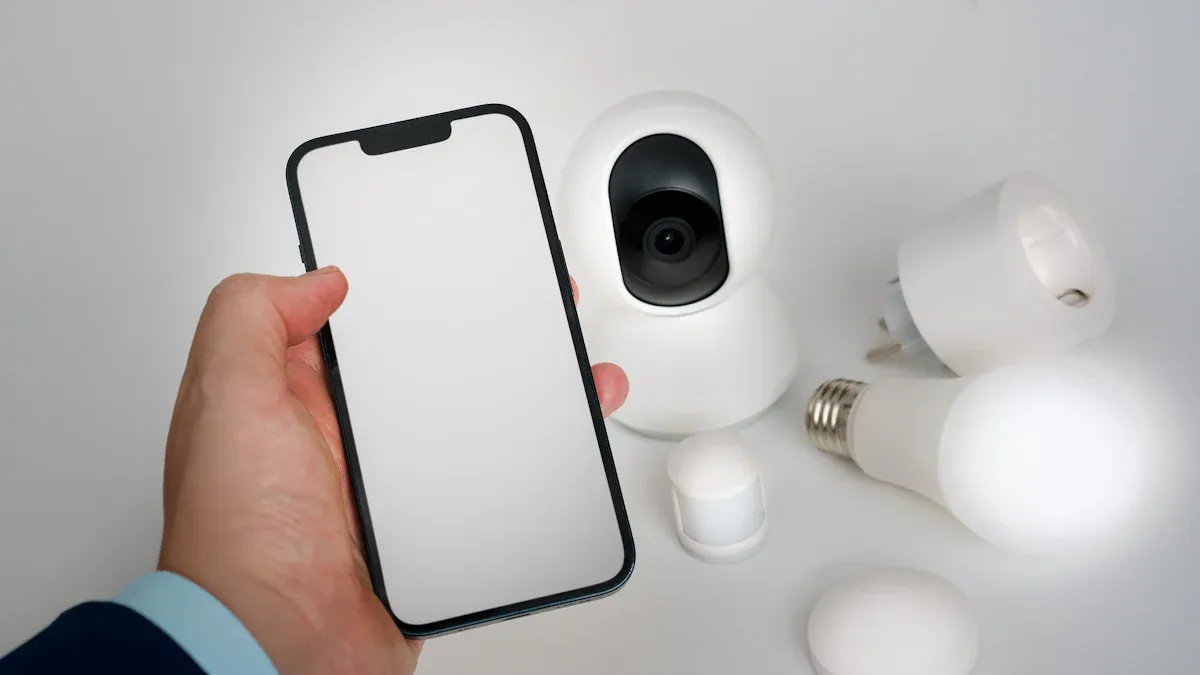
Smart security devices play a crucial role in enhancing your home security system. They provide advanced features that traditional devices often lack. Here are some key types of smart security devices you should consider:
Cameras and Alarms
Smart cameras and alarms offer real-time monitoring and alerts. They allow you to respond to incidents immediately, minimizing risks. Here are some common types of smart cameras and alarms:
Base station: The central hub connecting all devices.
Security cameras: Monitors and records activity.
Contact sensors: Alerts when doors or windows open.
Motion sensors: Detects movement within your home.
These devices integrate seamlessly with other smart devices, creating a comprehensive security solution. You can manage your security from anywhere, providing greater convenience compared to conventional devices.
Smart Locks
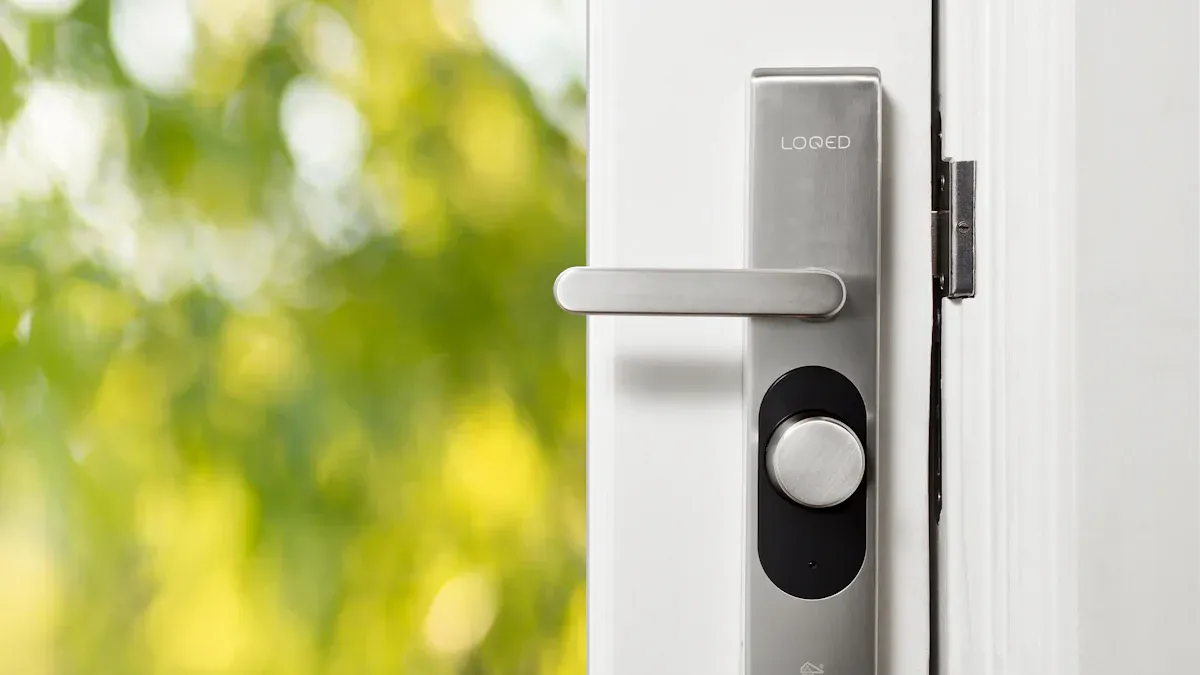
Smart locks enhance your home security by allowing you to control access to your property. You can lock or unlock your doors remotely using a smart home security app. Many smart locks also feature keyless entry, which means you no longer need to carry physical keys. Some popular brands include:
August: Offers easy installation and integration with existing deadbolts.
Schlage: Known for its robust security features and user-friendly app.
Home Security Apps
A smart home security app is essential for managing your devices. These apps allow you to monitor your home, receive alerts, and control your security system from your smartphone. Many apps also offer features like video streaming from cameras and remote locking of doors. Popular options include:
ADT Control: Provides extensive device management and monitoring.
Vivint Smart Home App: Offers AI-powered automation and third-party integrations.
Investing in these smart home devices can significantly enhance your home security system, providing peace of mind and convenience.
Benefits of Smart Home Security
Smart home security systems offer numerous advantages that enhance your home safety and convenience. Here are some key benefits you can expect:
Remote Monitoring
One of the most significant benefits of smart home security is remote monitoring. With this feature, you can keep an eye on your home from anywhere using your smartphone or tablet. This capability allows you to receive real-time alerts about any suspicious activity.
Remote monitoring significantly improves response times during security incidents. When you receive an alert, you can quickly assess the situation through live video feeds. This immediate access allows you to contact authorities or security personnel without delay. In fact, remote monitoring can reduce incident response times by over 75%. Quick assessments can prevent incidents from escalating, minimizing potential damage.
Additionally, remote monitoring helps you protect your valuables. Home security systems can deter burglars and notify authorities during a break-in. This proactive approach not only keeps your home safe but also provides peace of mind. You can rest easy knowing that your home is under constant surveillance, even when you are away.
Automation Features
Smart home security systems also come with automation features that enhance your overall security experience. These features allow you to customize your home security settings according to your needs. Here are some of the most valued automation features:
Feature | Description |
|---|---|
Integration & Interconnectivity | Essential for seamless operation of various smart devices, enhancing convenience in home security. |
Remote Monitoring | Enables users to manage their security systems from anywhere via mobile devices for real-time updates. |
Motion Detection | Activates alerts only when movement is detected, conserving resources and notifying users of suspicious activity. |
Video Analytics | Differentiates between types of movement, reducing false alarms and enhancing security measures. |
Customization | Allows users to tailor functions to their specific needs and preferences. |
Geofencing | Creates virtual boundaries to automate actions based on user location, improving convenience and security. |
Central Station Alarm Monitoring | Provides direct connection to emergency services for immediate response, enhancing safety. |
These automation features work together to create a cohesive security network. For example, when you leave home, geofencing can automatically lock your doors and activate your security cameras. This level of smart home integration not only improves safety but also enhances energy efficiency.
Vulnerabilities in Smart Home Security
Smart home security systems, while beneficial, come with vulnerabilities that can expose your home to risks. Understanding these risks is crucial for protecting your property.
Common Risks
Several common vulnerabilities can affect your smart home security. Here are some of the most significant:
Vulnerability Type | Description |
|---|---|
Man-in-the-middle | An attacker breaches, interrupts, or spoofs communications between two systems. |
Data and identity theft | Cyber attackers exploit personal information from unprotected devices for fraudulent activities. |
Device hijacking | Attackers take control of devices without altering their basic functionality. |
Distributed Denial of Service (DDoS) | Attempts to render a machine or network resource unavailable by disrupting services. |
Permanent Denial of Service (PDoS) | Damages the device so severely that it requires hardware replacement or reinstallation. |
Home networks face an average of 10 cyberattacks every 24 hours. A staggering 99.3% of attacks on smart home systems exploit common vulnerabilities. This highlights the importance of being proactive in securing your devices.
Mitigation Strategies
To protect your home, consider implementing these strategies:
Strategy | Description |
|---|---|
Implement Best Practices | Adopt security best practices and ensure systems are regularly updated and patched. |
Conduct Regular Vulnerability Assessments | Regularly assess the vulnerability landscape to identify new threats. |
Employee Training and Awareness | Conduct training sessions to raise awareness about cybersecurity best practices. |
Review and Update Security Policies | Periodically review security policies to align with evolving threats. |
Additionally, you can take simple steps to enhance your security:
Don’t reuse passwords to prevent unauthorized access.
Disable unused features on devices to minimize attack surfaces.
Monitor privacy settings to control data sharing.
Set devices to update automatically to fix security vulnerabilities.
Segment your network to enhance security for smart home devices.
By understanding these vulnerabilities and implementing effective strategies, you can significantly improve your home security system and protect your smart home devices.
Best Practices for Implementation
Installation Tips
When setting up your smart home security system, follow these tips to maximize effectiveness:
Professional Installation: Consider hiring professionals to ensure correct setup and operation tailored to your home’s security needs.
Choosing the Right Alarm System: Select features that match your security requirements. Look for compatibility with smart home features and professional monitoring options.
Strategic Sensor Placement: Install sensors at entry points, hallways, and common areas. Don’t forget overlooked spaces like basements and attics for comprehensive coverage.
Integration with Smart Home Technology: Connect your alarm system to other smart devices. This integration allows for remote access and enhances convenience.
Regular Maintenance and Testing: Conduct routine checks on sensors and communication systems. Regularly test your devices to ensure optimal performance.
Maintenance and Updates
Maintaining your smart home security system is crucial for its longevity and effectiveness. Here are some recommended routines:
Check Batteries Regularly: Ensure all devices are powered. Replace batteries as needed to avoid failures.
Test Your System Periodically: Confirm that all components function correctly. Regular testing helps identify issues before they become serious.
Keep Software Up-to-Date: Regular updates enhance security and performance. Many users overlook this step, leaving their systems vulnerable to attacks.
Schedule Professional Maintenance Checks: Consider having a professional inspect your system annually. This check can help identify potential vulnerabilities and ensure everything operates smoothly.
By following these best practices, you can create a robust smart home security system that protects your home effectively.
Smart home security systems play a vital role in protecting your home. They offer real-time monitoring, automated alerts, and advanced features like encrypted data exchange and access control. These systems enhance safety by detecting threats effectively and providing constant oversight through surveillance cameras and motion detectors.
As experts predict, future trends will focus on more integrated and intelligent systems. You can enjoy benefits such as convenience, lower insurance costs, and improved emergency response. By adopting a smart home security solution, you take a significant step toward ensuring your home’s safety and peace of mind.
Consider implementing these technologies today for a safer tomorrow!
FAQ
What is smart home security?
Smart home security refers to using technology to protect your home. It includes devices like cameras, alarms, and smart locks that connect to your smartphone for real-time monitoring and control.
How do I choose the right smart home security system?
Consider your specific needs, such as the size of your home and desired features. Look for systems that offer remote access, integration with other smart devices, and reliable customer support.
Can I install smart home security devices myself?
Yes, many smart home security devices are designed for easy installation. Follow the manufacturer’s instructions, and you can set them up without professional help. However, complex systems may benefit from expert installation.
Are smart home security systems safe from hacking?
While no system is completely immune to hacking, you can enhance security by using strong passwords, enabling two-factor authentication, and keeping your devices updated. Regularly monitor your network for unusual activity.
What should I do if my smart home security system alerts me?
If you receive an alert, check your security app for details. Assess the situation through live video feeds. If necessary, contact local authorities or security personnel for assistance.