
Smart home integration transforms your daily life by connecting appliances, lighting, and security systems. Imagine controlling everything with a single tap or voice command! As of 2023, the global smart home penetration rate stands at 16%, showing how popular this technology has become.
Here are some key benefits of a seamless smart home:
Benefit Type | Description |
|---|---|
Energy Efficiency | Smart thermostats learn routines to optimize temperatures, reducing energy use for heating and cooling. |
Convenience | Automation allows control of lights and appliances from mobile devices, enhancing daily life ease. |
Safety | Smart security systems provide remote monitoring and instant alerts for unusual activities. |
Environmental Impact | Whole-home energy monitors help identify energy spikes and promote the use of clean energy sources. |
With these advantages, smart home integration not only makes life easier but also enhances security and efficiency.
Key Takeaways
Smart home integration enhances convenience by allowing you to control appliances, lighting, and security systems from one platform.
Energy efficiency improves with smart devices, helping you save on utility bills and reduce your environmental impact.
Smart security systems provide real-time monitoring and alerts, ensuring your home remains safe and secure.
Choosing compatible devices and using a smart hub simplifies the integration process, making your smart home experience seamless.
Regular maintenance and security best practices protect your smart home from vulnerabilities and ensure optimal performance.
Smart Home Components
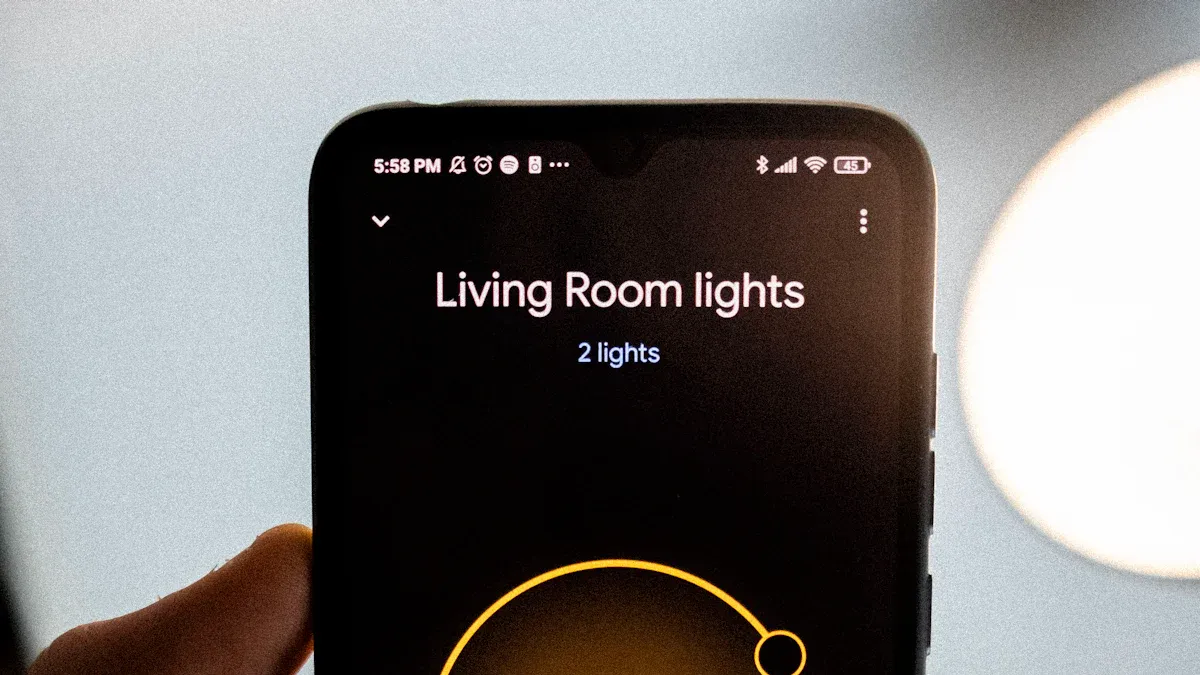
When you think about smart home integration, three key components come to mind: smart hubs, smart appliances, and smart security systems. Each plays a vital role in creating a seamless smart home experience.
Smart Hubs
Smart hubs act as the central control point for your smart devices. They allow you to manage and monitor everything from one interface. This means you can adjust the temperature, turn on lights, or lock doors without juggling multiple apps. Here’s a quick look at the different types of smart hubs available:
Type of Smart Hub | Description |
|---|---|
Smart Hubs | Support multiple protocols, allowing integration of various brands like Honeywell, Ecobee, and Ring. |
WiFi Mesh Hubs | Function as WiFi routers and signal boosters while supporting WiFi and Bluetooth devices. |
Voice Assistant Hubs | Include devices like Alexa and Google, supporting WiFi and Zigbee protocols, but rely on voice commands. |
Hub-Free Systems | Require devices from the same manufacturer that connect via a single mobile app. |
With a compatible hub, you can enjoy features like remote monitoring, energy usage tracking, and automatic maintenance alerts. This integration simplifies your life, making it easier to manage your smart home.
Smart Appliances
Smart appliances are designed to enhance convenience and efficiency in your home. They can automate tasks, allowing you to focus on what matters most. Here are some benefits of smart appliances:
They simplify living at home and enhance convenience.
They can lead to increased household labor and energy demand due to new lifestyle expectations.
The pursuit of convenience through smart devices may not always result in energy savings, as it can lead to rebound effects where efficiency improvements are offset by increased consumption.
Imagine your smart dishwasher starting its cycle when energy rates drop. This kind of automation not only saves you money but also helps you manage your energy consumption effectively.
Smart Security Systems
Smart security systems provide peace of mind by keeping your home safe. They offer features that enhance your home’s protection, such as:
Feature | Description |
|---|---|
e911 | Allows users to call local 911 dispatchers for their home from anywhere, enhancing emergency response. |
Voice Control | Integrates with digital assistants for arming/disarming via voice commands. |
App Controls and Alerts | Enables remote control and alerts through a smartphone app. |
Battery Backup | Ensures system functionality during power outages. |
Cellular Backup | Maintains system operation during power/internet outages, often included in monitoring fees. |
Duress Codes | Allows discreet alerts to authorities without triggering alarms. |
Environmental Protection | Offers monitoring for smoke, CO, and other environmental hazards, with alerts sent to users. |
Video Streaming | Provides live video feeds and recording capabilities for security monitoring. |
App Control | Facilitates remote management of connected devices, enhancing home automation. |
These systems work seamlessly with your smart hub and appliances, allowing you to create a fully integrated smart home. You can control everything from your smartphone or through voice commands, making your life easier and more secure.
Steps for Seamless Smart Home Integration

Integrating your smart devices can feel overwhelming, but with the right approach, you can achieve a seamless smart home. Here are some practical steps to guide you through the process.
Choosing Compatible Devices
Before you start buying smart devices, take a moment to ensure they will work well together. Here are some criteria to consider:
Research Compatibility: Always check product specifications and compatibility lists. This helps you avoid devices that won’t communicate with each other.
Choose Common Protocols: Look for devices that support standard communication protocols like Wi-Fi, Zigbee, or Z-Wave. This choice simplifies integration.
Use Smart Home Hubs: Investing in a smart hub can facilitate communication between devices using different protocols. It acts as a translator, ensuring everything works together smoothly.
Stay Updated: Regularly update firmware and software for your devices. This practice maintains compatibility and enhances performance.
By following these steps, you can ensure that your smart appliances and security systems will work together seamlessly.
Smart Home Control Systems
Once you have your devices, you need a reliable control system. Here are some of the best options available:
ADT – Best Smart Home Security App
Vivint – Best Smart Home Security With 24/7 Monitoring
SimpliSafe – Best Google Home-Compatible Smart Home Security
abode – Best DIY Smart Home Security
Ring Alarm – Best Alexa-Compatible Smart Home Security
Cove – Easiest to Use Smart Home Security
Choosing the right control system is crucial for a seamless smart home experience. A good system allows you to manage all your internet-connected devices from one place, making it easier to automate tasks and enhance your home’s security.
Mobile App Management
Mobile apps play a significant role in managing your smart home. They provide a centralized platform for controlling your devices. Here’s how they enhance your experience:
Feature | Description |
|---|---|
Centralized Control | Control all smart devices from one app, eliminating the need for multiple applications. |
Personalized Routines | Create automated actions tailored to your lifestyle, enhancing convenience and comfort. |
Notifications | Receive alerts for important events (e.g., water leaks, doorbell rings) directly on your phone. |
Remote Access | Manage devices from anywhere, ensuring control over home security and environment. |
Media Control | Easily manage media across different rooms, allowing for a personalized entertainment experience. |
Customization | Personalize room settings and frequently used features for quick access. |
With these features, mobile apps make it easy to maintain a seamless smart home. You can control your lighting, appliances, and security systems from anywhere, ensuring your home is always secure and efficient.
By following these steps, you can create a seamless smart home that enhances your daily life. Embrace the convenience and security that comes with smart home integration!
Advanced Automation Techniques
Voice Control
Voice control has become a game-changer in smart home integration. You can now manage your smart devices hands-free, making your life easier. Imagine walking into your home and simply saying, “Turn on the lights,” or “Set the thermostat to 72 degrees.” This technology relies on natural language processing and machine learning, which helps devices understand your commands better.
Here are some benefits of voice control:
It allows for hands-free operation of multiple smart devices.
Voice assistants create a unified ecosystem, making it easy to control everything from one place.
Enhanced usability makes it accessible for everyone, especially the elderly and those with disabilities.
As voice control technology continues to evolve, expect even more personalized interactions and predictive functionalities. This means your smart home will learn your preferences and adjust automatically.
Energy Management
Energy management is another crucial aspect of smart home automation. Smart energy management systems can potentially save you up to 60% of electricity consumption. These systems help you monitor and optimize your energy use, leading to lower bills and a smaller carbon footprint.
Popular energy management solutions include:
Home Energy Management Systems (HEMS)
Smart thermostats that adjust based on your schedule
Connected solar solutions like smart meters
Smart plugs that control appliances remotely
By integrating these systems, you can significantly improve your home’s energy efficiency.
AI-Driven Features
AI is revolutionizing smart home functionality. It transforms static control systems into dynamic, self-learning environments. Here’s how AI enhances your smart home:
AI-powered devices monitor energy usage in real-time, optimizing power consumption based on your habits.
Smart thermostats learn when you’re home or away, adjusting temperatures to save energy.
AI-driven appliances optimize their performance based on load and time of day.
These features not only enhance comfort but also contribute to your overall well-being. AI can even predict your mood, adjusting lighting and temperature to create the perfect ambiance.
With these advanced automation techniques, you can create a smart home that adapts to your lifestyle, making your daily routine more efficient and enjoyable.
Troubleshooting and Maintenance
Smart home devices can sometimes act up, and knowing how to troubleshoot common issues can save you time and frustration. Here are some frequent problems you might encounter:
Random failures of smart apps and devices
Scheduled events not functioning as intended
Device responsiveness issues due to polling problems
Difficulty setting up automation for devices
Challenges with trigger conditions for scheduled operations
These issues often arise from the complexity of having multiple devices from different manufacturers. Each device may have its own app and protocol, which can lead to compatibility problems.
Common Issues
If you experience connectivity problems, try these troubleshooting methods:
Test your internet connection to ensure it’s stable.
Reset your router to refresh the network.
Optimize your settings for better performance.
Address any interference from other devices.
Perform regular maintenance and upgrades on your devices.
Also, check the range of your devices and reboot your router if necessary. Keeping your firmware updated can prevent many issues.
Maintenance Tips
To keep your smart devices running smoothly, consider these maintenance practices:
Regularly review device performance logs and recalibrate sensors as needed.
Keep firmware and software updated to maintain security and functionality.
Perform system health checks, including checking network settings and energy consumption.
These steps help ensure your devices operate at their best, enhancing your overall smart home experience.
Security Best Practices
Your smart home’s security is crucial. Follow these best practices to protect your devices:
Segment your home network using your router’s ‘Guest Network’ feature for smart devices.
Enable multifactor authentication (MFA) for your smart home accounts.
Audit and disable unnecessary features on your devices.
Automate firmware updates to protect against vulnerabilities.
Change default credentials to strong, unique passwords.
By implementing these practices, you can enhance the safety of your smart home and enjoy peace of mind.
Creating a well-integrated smart home can truly transform your daily life. Here are some key advantages you can enjoy:
Convenience: Automating everyday tasks saves you time and enhances comfort.
Energy Efficiency: Smart systems optimize energy use, leading to cost savings and a smaller environmental impact.
Enhanced Security: Real-time monitoring and alerts improve your home protection.
By taking the first steps towards smart home integration, you can enjoy increased comfort and peace of mind. So why wait? Start exploring your options today! 🌟
FAQ
What is a smart home control system?
A smart home control system lets you manage all your smart devices from one central platform. You can control lighting, appliances, and security systems easily, enhancing convenience and efficiency in your daily life.
How do I choose the right smart home control system?
Look for a system that supports multiple devices and protocols. Check compatibility with your existing devices and consider user-friendly interfaces. Popular options include ADT, Vivint, and Ring Alarm.
Can I control my smart home remotely?
Yes! Most smart home control systems allow you to manage your devices from anywhere using a mobile app. This feature ensures you can monitor and adjust your home’s settings even when you’re away.
Are smart home control systems secure?
Smart home control systems can be secure if you follow best practices. Use strong passwords, enable two-factor authentication, and keep your devices updated to protect against vulnerabilities.
What are the benefits of integrating smart home devices?
Integrating smart home devices offers convenience, energy efficiency, and enhanced security. You can automate tasks, monitor your home remotely, and optimize energy usage, making your life easier and more efficient.