Power backup solutions play a crucial role in keeping your devices running during outages. You may face power interruptions due to various reasons, such as weather-related events, equipment failure, or accidents. Understanding the different types of backup power options available can help you choose the best solution for your needs.
Here are some common causes of power outages:
Cause | Description |
|---|---|
Weather-Related Events | High winds, lightning, snow, and ice damage power lines and transmission lines, causing outages. |
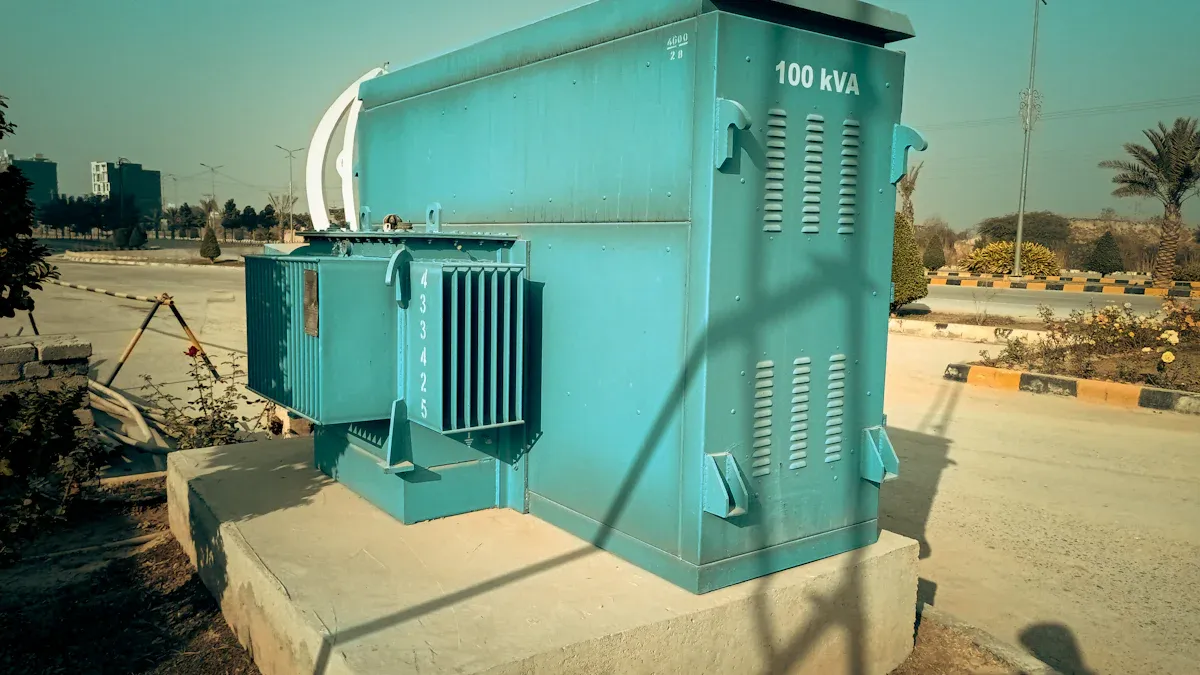
Equipment Failure | Aging electricity infrastructure leads to frequent failures of transformers and cables. |
Animal Interference | Small animals, particularly squirrels, can disrupt power by entering substations or damaging wiring. |
Accidents and Human Error | Damage from construction or traffic accidents can lead to local outages. |
Planned Outages | Utilities may schedule outages for maintenance or implement rolling blackouts during high demand. |
By knowing these factors, you can better prepare for unexpected power loss.
UPS Overview
Functionality of UPS
An uninterruptible power supply (UPS) is an essential electrical unit that provides backup power during outages. It ensures that your devices, such as computers and servers, continue operating even when the main power supply is interrupted. Here’s how a UPS maintains power during an outage:
Immediate Power Supply: UPS systems provide immediate power during outages, preventing disruptions from blackouts and voltage fluctuations.
Battery Storage: The battery stores power and supplies it when needed.
Power Conversion: The rectifier converts AC power to DC for charging the battery, while the inverter converts DC back to AC for use.
Static Bypass Switch: This component ensures power continues to flow even if the inverter fails.
Control Circuitry: It manages voltage regulation and diagnostics.
These components work together to deliver clean, continuous power to your devices, protecting them from potential damage.
Applications of UPS
UPS systems find applications in various environments, especially where electronic devices are vulnerable to power issues. Here are some common uses:
Data Centers: UPS systems protect servers and networking equipment from power interruptions, ensuring data integrity and availability.
Healthcare Facilities: Hospitals rely on UPS to keep critical medical equipment operational during outages, safeguarding patient care.
Industrial Settings: UPS systems are frequently utilized in industrial plants that face challenging conditions, such as extreme temperatures and dust.
Telecommunications: Communication systems depend on UPS to maintain connectivity during power failures, preventing service disruptions.
In addition to providing backup power, UPS systems also protect against voltage spikes and fluctuations. They regulate voltage effectively, ensuring that your devices remain safe from damage caused by power surges. For instance, a line interactive UPS can correct minor power fluctuations without switching to battery mode, maintaining stable power delivery.
By understanding the functionality and applications of UPS systems, you can make informed decisions about your power backup needs.
Inverter Overview
How Inverters Work
An inverter is a device that converts direct current (DC) into alternating current (AC). This conversion is crucial because most household appliances and industrial equipment operate on AC. Here’s how an inverter functions:
DC to AC Conversion: The inverter uses electronic switches to convert DC power into alternating pulses.
Waveform Generation: These pulses are shaped into a sinusoidal waveform, resembling grid AC power.
Voltage Transformation: The inverter adjusts the alternating pulses to the desired voltage level.
An inverter operates on the principle of electronic switching and transformation. It utilizes semiconductor devices to switch DC input rapidly, creating an AC output. This process allows you to use stored energy from batteries or solar panels, ensuring that critical devices receive power during outages.
Applications of Inverters
Inverters serve various applications in homes and businesses. Here are some common uses:
Solar Inverters: They convert DC electricity from solar panels into AC power for home use.
Vehicle Inverters: These enable the use of household appliances in vehicles by converting DC to AC.
Backup Power Systems: Inverters provide power during outages for critical systems like medical equipment and servers.
Telecommunications: They supply backup power for cellular towers and equipment.
Industrial Sector: Inverters power machinery and commercial applications, such as lighting in malls and offices.
However, inverters have limitations when it comes to high-power appliances. Devices like air conditioners, washing machines, and electric heaters often exceed the capacity of smaller inverters. For example, a small window AC unit can consume up to 80% of a 1000W inverter’s capacity, leaving little room for other devices. During startup, these appliances can draw significantly more power, leading to potential overload or shutdown of the inverter.
Understanding how inverters work and their applications can help you make informed decisions about your backup power needs.
Generators Explained
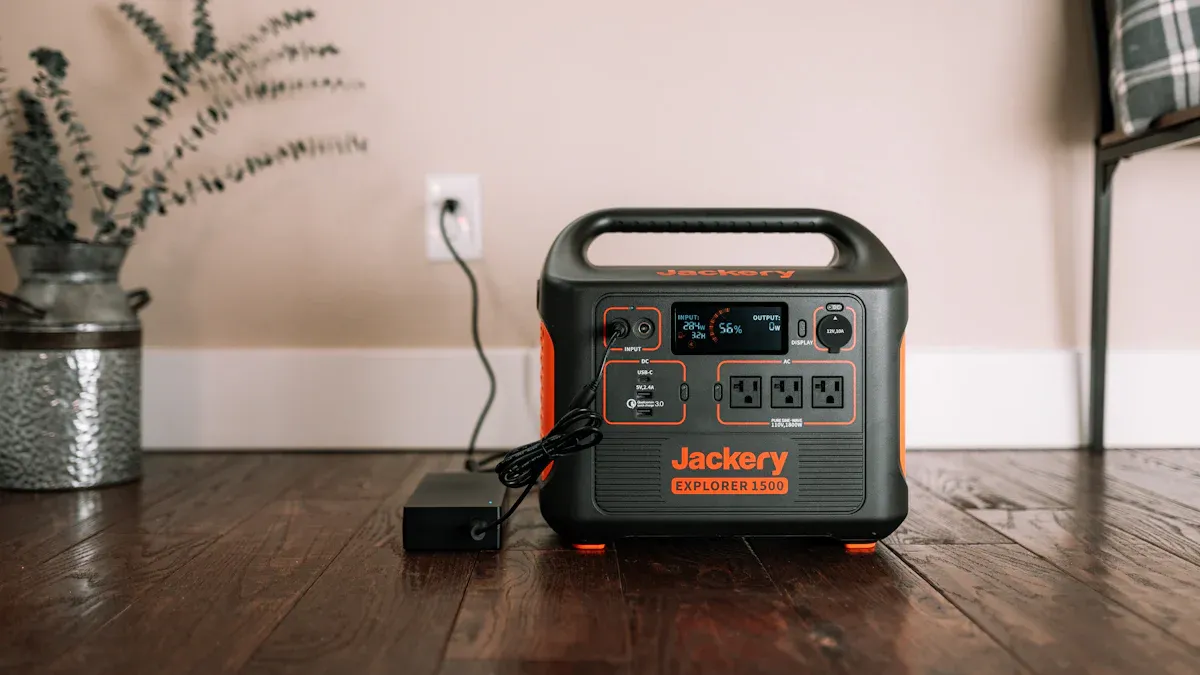
Functionality of Generators
Generators are devices that convert fuel into electrical energy. They do not create electricity; instead, they transform mechanical or chemical energy into electrical energy. Here’s how a generator works:
Fuel Supply: The engine draws fuel from the fuel system and ignites it to produce mechanical energy.
Energy Conversion: The engine drives the alternator, which uses electromagnetic induction to generate electrical energy.
Voltage Regulation: The voltage regulator monitors the electrical output and adjusts it to maintain a consistent voltage level.
Generators can run on various fuel types. Here’s a quick overview of common fuel sources:
Fuel Type | Description |
|---|---|
Diesel | Known for its reliability and efficiency, often used in commercial settings. |
Gasoline | Commonly available and easy to use, but may have higher costs over time. |
Natural Gas | Offers cleaner emissions and is often more cost-effective in the long run. |
Applications of Generators
Generators serve many purposes in different settings. They are essential for providing backup power during outages. Here are some common applications:
Setting | Application Type | Features |
|---|---|---|
Residential | Backup Power | 24+ Hour Fuel Tank, Automatic Battery Charger Kit |
Commercial | Temporary Power Needs | 1 Phase / 3 Phase Voltage Selector Switch, Heavy Duty Trailer |
Industrial | Offshore and Oil Drilling | Double Walled Fuel Tank, Remote Monitoring and Control, Marine-grade Enclosure |
Standby generators are particularly useful for home battery backup systems. They automatically start within seconds of a power outage, ensuring that your home remains powered. This automatic transfer of power keeps your essential appliances running smoothly.
Comparing Power Backup Solutions
Key Differences
When considering power backup solutions, you must understand the key differences between UPS systems, inverters, and generators. Each option has unique features, costs, and maintenance requirements. Here’s a comparison to help you make an informed decision:
Aspect | UPS Systems | Generators |
|---|---|---|
Initial Investment | Generally lower upfront cost | Higher upfront cost for large industrial units |
Fuel Costs | Depends on electricity for battery charging | Ongoing fuel costs (diesel, gasoline, natural gas) |
Maintenance | Routine battery checks, less labor-intensive | Regular servicing required (oil changes, filters) |
Duration of Power Supply | Short-term use (minutes to hours) | Extended operation as long as fuel is available |
Additionally, the efficiency and response times of these systems vary significantly:
System Type | Response Time | Efficiency |
|---|---|---|
UPS | < 10 ms | High |
Inverter | 300-500 ms | Moderate |
Diesel Generator | 10-20 seconds | Low |
UPS systems engage within milliseconds, crucial for life safety.
Diesel generators have a slower response time, taking 10-20 seconds to become operational, which can be detrimental in emergencies.
Choosing the Right Solution
Selecting the right backup power solution depends on several factors. Here are some key considerations:
Understand Your Power Needs: Determine the total wattage of the devices you want to power. Use a power meter or consult equipment manuals to find voltage and VA ratings.
Evaluate Runtime Requirements: Consider how long you need backup power. If you have a generator, you may not need a UPS with a long runtime.
Assess Battery Performance: Battery capacity can degrade over time. Ensure you choose a system with good battery management.
Consider Scalability: Choose a UPS system that can grow with your future power needs.
Review Warranties and Support: Understand what is covered in terms of maintenance and support services.
Environmental Impact: Consider heat production, noise levels, and energy efficiency when selecting a generator or UPS.
Common mistakes when selecting a power backup solution include:
Expecting normal household operation during outages.
Planning only for worst-case scenarios.
Ignoring maintenance requirements.
Underestimating behavioral adjustments during outages.
Avoid pushing the battery to its absolute limits or setting an inadequate backup reserve. Remember, a ‘set it and forget it’ approach can lead to problems down the line.
By carefully evaluating these factors, you can choose the best backup power solution that meets your specific needs.
Choosing the right power backup solution is essential for your needs. Consider these factors:
Power requirements
Budget constraints
Noise tolerance
Environmental concerns
Backup duration
Ease of use
Your choice impacts long-term reliability and cost savings. For example, diesel generators offer reliability but can lead to higher maintenance costs. In contrast, modern battery systems provide immediate power and may lower energy bills. Solar solutions are eco-friendly but depend on weather conditions. By evaluating these aspects, you can make an informed decision that suits your lifestyle.