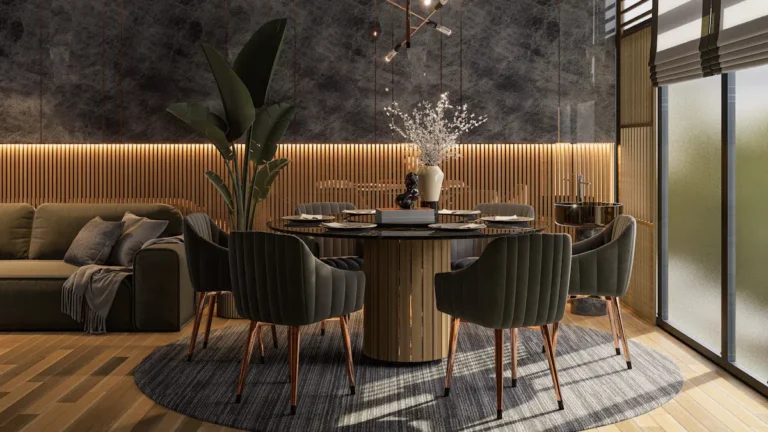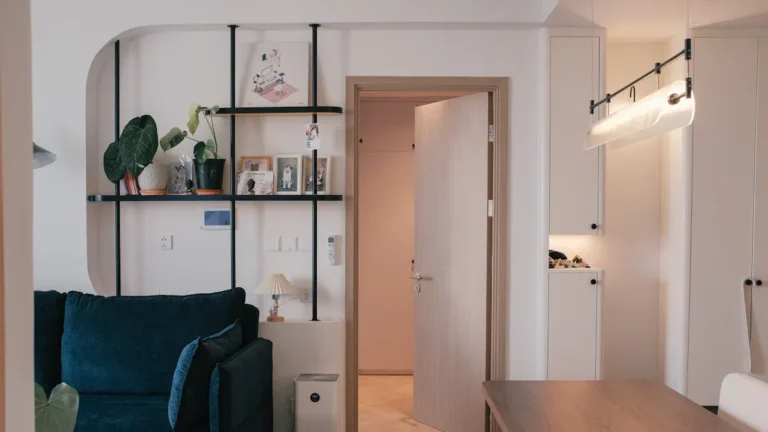
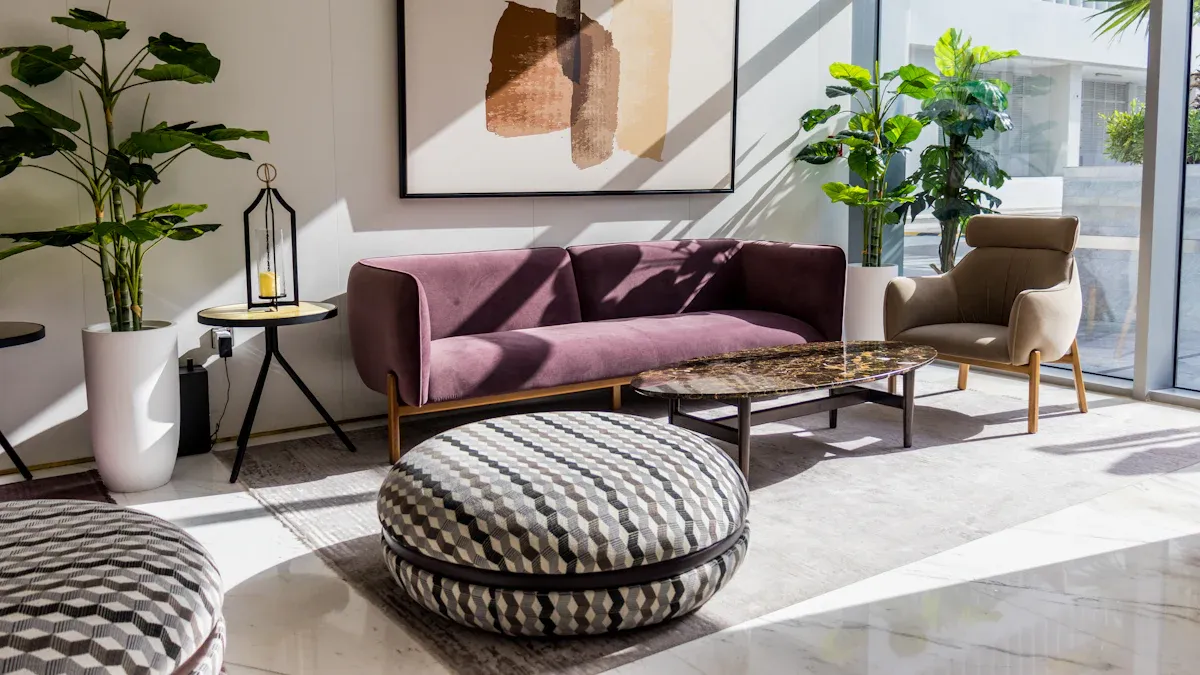
Modern home décor styles shape the way you experience your living space. They help you create inviting areas that reflect your personality and lifestyle. Understanding these styles allows you to personalize your home, making it feel uniquely yours. When you incorporate personal touches, like family photos or artwork, you foster a deeper emotional connection with your surroundings. Plus, thoughtful design can carve out functional spaces tailored to your needs, whether it’s a cozy reading nook or a vibrant craft area. Embracing modern home décor means embracing a space that truly feels like home.
Key Takeaways
Explore various modern home décor styles to find what reflects your personality.
Incorporate natural elements and sustainable materials for a healthier living space.
Embrace minimalism to create a calm and organized environment that enhances focus.
Mix different styles and textures to add visual interest and uniqueness to your home.
Design sanctuary spaces that promote relaxation and well-being in your daily life.
Modern Home Décor Styles
Minimalism
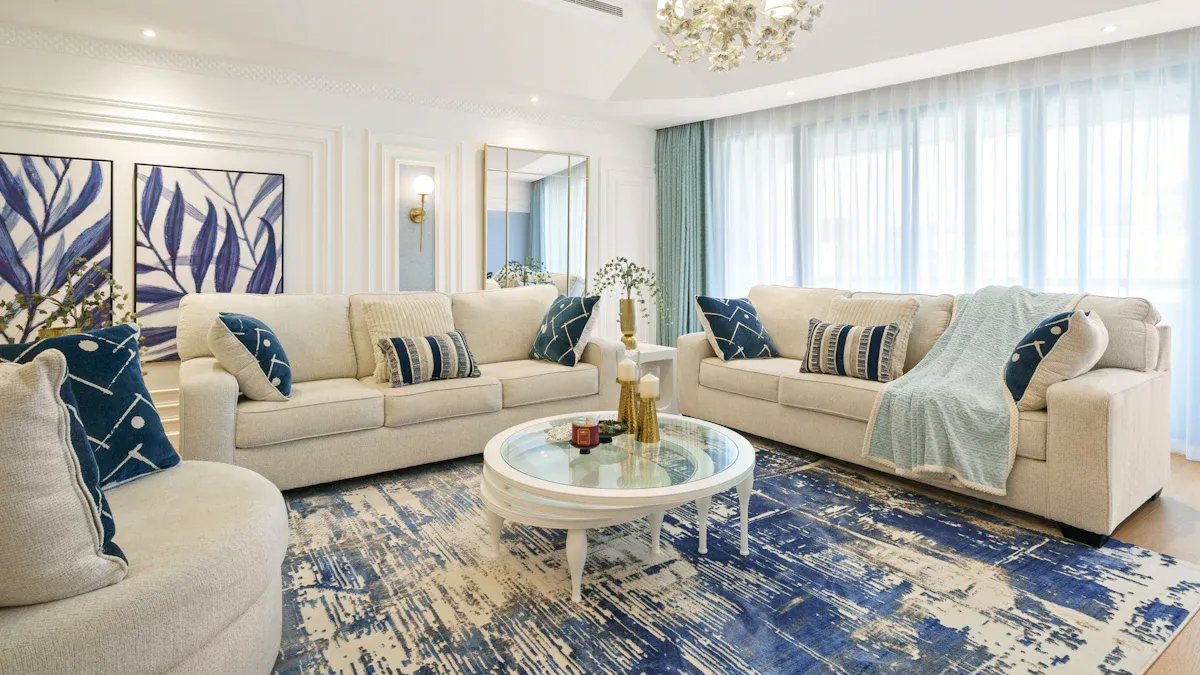
Minimalism is all about simplicity and functionality. This style emphasizes clean lines and uncluttered spaces. You can create a warm atmosphere by incorporating cozy elements, like soft textiles and warm tones. Here are some key features of minimalism:
Warm Minimalism: This approach combines clean lines with inviting materials, making your space feel both modern and cozy.
Functionality Meets Aesthetics: You’ll find that minimalist designs are practical and visually appealing, especially in areas like home offices.
Personalization is Paramount: Minimalist furniture allows you to curate your space, reflecting your personality without overwhelming it.
Adopting minimalism can enhance your mental clarity and emotional well-being. It reduces stress and fosters a calmer environment. You’ll find that living intentionally and prioritizing meaningful experiences can lead to a more joyful life. By maximizing functionality without sacrificing style, minimalism creates a peaceful atmosphere that promotes focus and productivity.
Industrial
Industrial style draws inspiration from warehouses and factories. It celebrates raw materials and structural honesty. Here are some defining elements of industrial design:
Key Element | Description |
|---|---|
Structural Honesty | Exposed beams, visible ductwork, and brick walls reveal the building’s bones. |
Neutral, Muted Palette | Shades of grey, white, and black dominate, often complemented by warmer hues like brown and rust. |
Prioritization of Raw Materials | Focus on durable materials such as concrete, wood, steel, and brick. |
Large, Uncluttered Windows | Big windows allow natural light to flood in, enhancing openness. |
Minimalist, Functional Furniture | Furniture should be practical and minimalist, avoiding overly decorative pieces. |
Balance Between Raw and Refined | Combining rugged elements with refined finishes creates a comfortable space. |
This style has gained popularity due to its unique blend of ruggedness and sophistication. You can create a cozy yet stylish environment by mixing raw materials with modern amenities.
Scandinavian
Scandinavian design is known for its simplicity, functionality, and connection to nature. This style emphasizes clean lines and a light color palette. Here are some key features:
Natural Materials: You’ll often see locally sourced wood, stone, and brick used in construction.
Maximizing Natural Light: Large windows and skylights reduce the need for artificial lighting, making your home feel bright and airy.
Eco-Conscious Practices: Sustainable materials and construction methods are prioritized, promoting a healthier living environment.
Scandinavian design has seen a surge in global popularity, thanks to its focus on comfort and functionality. Terms like hygge have entered the interior design lexicon, emphasizing coziness and well-being. This style not only enhances energy efficiency but also fosters a connection to nature, which can reduce stress.
Bohemian
Bohemian design is all about eclecticism and personal expression. It combines various styles and eras to create a unique aesthetic. Here are some core principles of bohemian style:
Eclectic Aesthetic: You can mix and match different styles and colors to create a vibrant space.
Rich Textures: Layered textiles and diverse materials add depth and warmth to your home.
Natural Elements: Incorporating wood and rattan brings a sense of nature indoors.
Global Inspiration: Draw from various cultural influences to create a truly unique environment.
Greenery: Integrating plants enhances the natural ambiance and improves air quality.
Bohemian design encourages you to reflect your individuality through unique décor items. This style creates a warm and inviting atmosphere, perfect for those who love to express themselves through their living spaces.
Key Interior Design Styles
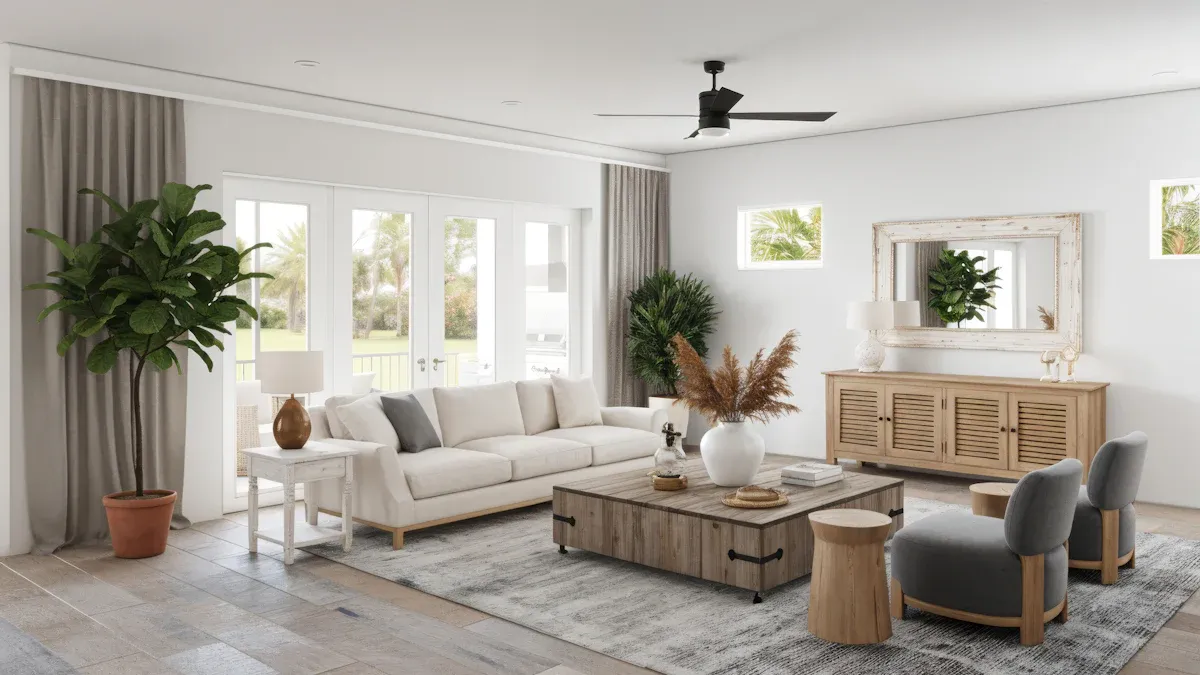
Art Deco
Art Deco brings a touch of glamour and sophistication to your home. This style emerged in the 1920s and 1930s, influenced by movements like Dada and cubism. You’ll notice its defining features, such as geometric shapes and luxurious materials. Here’s a quick look at what makes Art Deco stand out:
Feature | Description |
|---|---|
Geometric Shapes | Expect simple, streamlined forms with symmetrical designs, including zigzags and sunbursts. |
Luxurious Materials | High-end materials like chrome, glass, and exotic woods create a sense of opulence. |
Bold Colours | A vibrant palette featuring deep colors, often paired with black and chrome, adds drama. |
You can easily integrate Art Deco elements into your space. Think about adding geometric wallpaper or brass fixtures to create a modern twist. For example, the Bethesda Living Room features updated geometric wallpaper and deep green accents, showcasing how this style can evolve while maintaining its core characteristics.
Transitional
Transitional style blends traditional and contemporary elements, creating a balanced and sophisticated atmosphere. This style allows you to enjoy the best of both worlds. Here are some advantages of adopting a transitional approach:
It creates a polished yet relaxed environment.
You can easily update your space without a complete redesign.
The design adapts well to changing lifestyles, making it suitable for various homeowner needs.
Transitional design combines clean lines with classic forms, ensuring your space feels both familiar and fresh. This flexibility allows you to personalize your home while maintaining a cohesive look.
Japandi
Japandi style merges Japanese minimalism with Scandinavian warmth, creating serene and tranquil living spaces. This fusion emphasizes natural materials and earthy palettes. Here are some key elements of Japandi:
A blend of Japanese and Scandinavian aesthetics.
Focus on minimalism and organic shapes.
Incorporation of Hygge decor and wabi-sabi philosophy.
Japandi has gained popularity due to its calming environment and eco-conscious approach. Consumers increasingly seek furniture made from sustainable materials, reflecting a growing demand for this style. You can create a peaceful retreat in your home by integrating Japandi elements, such as simple furniture and natural textures.
Trends in Interior Design
Sustainable Design
Sustainable design is more than just a trend; it’s a movement towards creating eco-friendly homes. You might be surprised to learn that over 80% of American consumers now consider environmental factors when making purchasing decisions. This shift reflects a growing awareness of our impact on the planet. Here are some key aspects of sustainable design:
Eco-Friendly Materials: Homeowners increasingly use materials like cork, recycled glass, bamboo, and reclaimed wood. These choices not only look great but also help reduce waste.
Energy-Efficient Lighting: Switching to LED bulbs can significantly lower energy consumption. This simple change can make a big difference in your electricity bill.
Natural Elements: Incorporating plants and natural light improves indoor air quality and creates a calming atmosphere.
By prioritizing sustainable design, you can enjoy a beautiful home while contributing to a healthier environment. The benefits include reduced carbon emissions, improved indoor air quality, and enhanced occupant well-being.
Smart Home Technology
Smart home technology is revolutionizing how you interact with your living space. As of October 2023, the AI interior design market is experiencing significant growth. Here’s what you need to know about this trend:
Aspect | Details |
|---|---|
Market Growth | The AI interior design market is booming due to increased demand for personalized solutions. |
Key Technologies | Technologies like AI, machine learning, VR, and AR are enhancing design processes. |
Adoption Trends | Interior designers are leading the charge, with real estate developers quickly following suit. |
Smart home technology not only makes your life easier but also boosts energy efficiency. For instance, smart thermostats can reduce heating and cooling expenses by up to 20% annually. Imagine controlling your home’s temperature from your phone while you’re out! Over 85% of smart home users report feeling more confident in managing their home’s security and efficiency.
Sanctuary Spaces
In today’s fast-paced world, creating sanctuary spaces in your home has become essential. These areas provide a retreat from daily stressors. Here’s what defines a sanctuary space:
Access to Natural Light: Bright spaces enhance your mood and productivity. You’ll find that natural light can significantly improve your overall well-being.
Spacious Environments: Open layouts promote creativity and relaxation. Decluttering your space can lead to a peaceful atmosphere.
Natural Elements: Incorporating organic materials and greenery fosters a calming emotional response. Studies show that having houseplants can reduce stress levels and lower blood pressure.
The demand for sanctuary spaces has surged, especially in response to global events like the COVID-19 pandemic. People are seeking environments that promote mental health and well-being. By designing your home with these elements in mind, you create a space that feels safe and inspiring.
Embracing these trends in your interior design not only enhances your living space but also aligns with broader consumer preferences for sustainability, technology, and well-being.
Modern home décor styles and interior design trends offer you endless possibilities to personalize your space. As you explore these styles, consider the following key takeaways:
Embrace warmth and sustainability in your designs.
Look for quiet luxury that emphasizes elegance over flashiness.
Use earthy tones to create a sense of well-being.
Mix materials like wood and metal for added visual interest.
Incorporate natural elements to enhance your living environment.
Don’t hesitate to experiment! Invest in elegant furnishings, mix vintage pieces with modern elements, and curate artwork that speaks to you. By prioritizing functionality and personal touches, you can create a home that truly reflects your unique style.
FAQ
What is modern home décor?
Modern home décor refers to design styles that emphasize simplicity, functionality, and clean lines. It often incorporates elements like minimalism, industrial, and Scandinavian styles to create inviting and personalized spaces.
How can I choose a décor style for my home?
Start by considering your personality and lifestyle. Look for inspiration in magazines, online platforms, or social media. Create a mood board to visualize how different styles resonate with you.
What are some budget-friendly décor tips?
You can refresh your space without breaking the bank! Try DIY projects, shop at thrift stores, or repurpose existing furniture. Adding plants or new textiles can also make a big impact.
How do I incorporate technology into my home design?
Consider smart home devices like thermostats, lighting, and security systems. These gadgets enhance convenience and energy efficiency. Look for stylish options that blend seamlessly with your décor.
What are sanctuary spaces?
Sanctuary spaces are areas in your home designed for relaxation and peace. They often include natural light, comfortable seating, and calming elements like plants or soft textiles to promote well-being.