
Envision your day as a small, steady machine that hums whenever each part fits together; you can tune it. You’ll start through checking what drains your time and pick one clear daily priority that guides decisions. Then create micro-rituals to mark work mode, set focused blocks with short buffers, and batch similar home tasks like laundry, cooking, and emails to cut switching costs. Choose two simple tools to track tasks and sync calendars, prep parts of meals and rotate chores to share load, and adapt morning and evening patterns for kids and quiet work. Use quick fixes for common slipups, trial changes for 14 days, and celebrate small wins to keep momentum going.
Audit Your Home Routine (Quick Checklist)
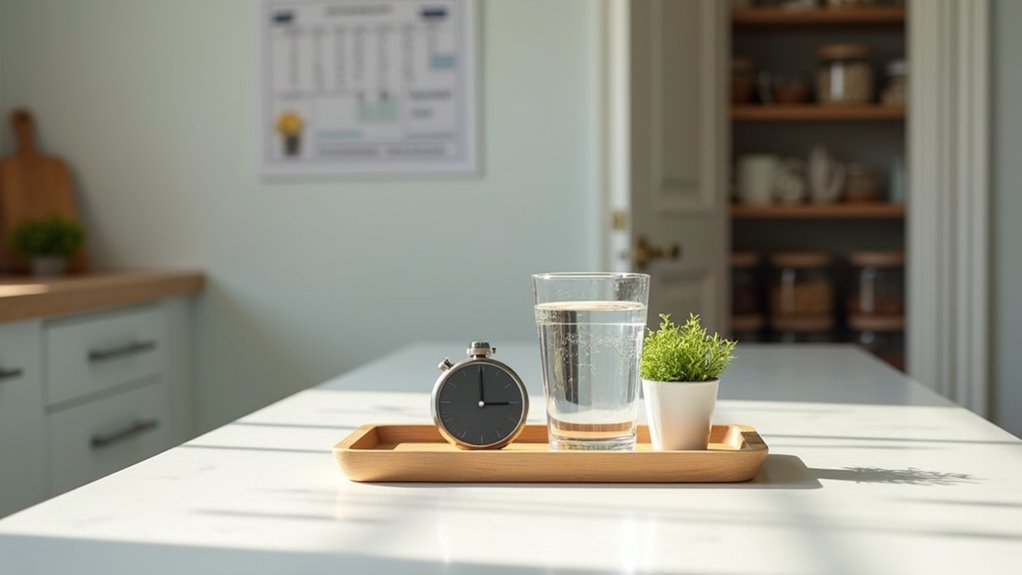
Because small changes add up fast, start your home routine audit with kindness toward yourself and curiosity about your day.
You’ll look around your workspace ergonomics initially, checking chair height, monitor level, and light. Make small fixes so your body feels steady and seen.
Then observe productivity distractions like notifications, clutter, or noisy hours. List them without judgment and record the time they happen.
Next, map simple routines: wake time, short breaks, and focused blocks you can try. Connect these routines to your space so habit and place match.
Invite a housemate or partner into one change for support and shared calm.
Keep adjusting weekly and celebrate small wins to build belonging and lasting momentum.
Set One Clear Daily Priority
Pick one crucial task you want to finish today and make it the focus of your morning so it gets your best energy.
Put that task on your calendar initially and protect the time through turning off notifications and asking others not to interrupt. Once you remove competing distractions you’ll feel calmer, work faster, and actually enjoy the progress you make.
Choose One Important Task
As soon as you start your day with one clear priority, you give the rest of your time a real chance to feel calm and useful. You pick one crucial task that matches task prioritization and goal alignment so your energy lands where it matters.
You’ll feel part of a team that values steady progress, and that helps you focus.
- Choose the task that moves a goal forward and is realistically doable today.
- Break it into small steps so you can start quickly and keep momentum.
- Notice how finishing it makes the rest of your day lighter and more connected.
Use kind self-talk as you work, and remind yourself this choice supports both your work and belonging.
Schedule It Early
At the moment you start your day through scheduling one clear priority initially, you give that task the best chance to get done and lower your stress for the rest of the day. You’ll feel more connected to your team and home life once you use early planning to set a single goal. That focus becomes your anchor, and it helps you say yes to what matters and no to noise.
| Time Block | Task Type | Why it Helps |
|---|---|---|
| Morning | Deep work | Fresh energy, fewer interruptions |
| Midday | Meetings | Natural social overlap |
| Afternoon | Admin | Easier to wrap up |
Use priority setting kindly with yourself. Share goals with someone close so you belong while you progress.
Eliminate Competing Distractions
At the moment you wake up and question where the hours went, set one clear daily priority and protect it from competing distractions so you actually finish what matters.
You belong to a group trying to do better and you can start small. Try a simple routine:
- Define the one task that moves you forward and block a distraction zones time to do it.
- Do a short digital detox before and during that block so notifications don’t pull you away.
- Tell household members of your focus window and invite them to support you.
You’ll feel calmer once people know your plan. Use gentle cues like a closed door or a lamp to signal focus. Keep the priority visible and adjust should it clash with life.
You’ll get more done and feel supported.
Create Micro‑Rituals to Signal Work Mode
Start through choosing a simple, repeatable action that marks the start and end of your work time, because your brain learns fast and likes clear signals. Pick small shift signals you enjoy, like boiling a kettle, lighting a candle, or closing a door.
Do them the same way each time to build ritual consistency and tell your mind it’s work time. You’ll feel steadier once others in your home notice and respect the pattern.
Add brief habits during work start, such as opening a notebook, setting a timer, or putting on headphones. At the end, reverse the steps so your brain knows to stop.
These micro rituals create belonging and calm. They’re tiny, friendly anchors that help you enter focus and leave it without friction.
Time‑Block Your Day and Add Buffer Zones
At the moment you block your time, you give your day clear lanes so you can focus without guilt, and every time you add buffer zones between tasks you protect your energy and reduce rush.
You deserve a schedule that fits your life and your people. Time blocking helps you claim work, family, and rest with flexible scheduling that still feels together and fair.
- Plan chunks for focused work, short breaks, and quick chores so you know what to do next.
- Insert buffer zones of 10 to 20 minutes between chunks to handle spillover and regroup calmly.
- Use color codes or labels so your household sees your rhythm and supports it.
These steps build trust, reduce anxiety, and keep your day steady and humane.
Batch Home Tasks to Cut Context Switching
At any time you group similar home tasks together, you cut down the mental whiplash that comes from jumping across chores and work, and you free up clear pockets of time that feel restful instead of crowded. You belong to a household that shares rhythms, so try task batching for dishes, laundry, emails, and quick errands.
Start off listing small jobs, then cluster ones that use the same tools or space. That reduces situational switching and keeps your attention steady. Set short timers, invite family to join a batch, and celebrate small wins together. Mix predictable batches with one flexible slot for surprises.
Over time you’ll notice calmer days, clearer focus, and more earned downtime that feels truly shared.
Make a Clutter‑Free Workspace in 20 Minutes

You’ve felt how batching chores calms your day, and you can use that same momentum to clear a workspace fast.
You deserve a space that welcomes focus and connection. Start with a timer set for 20 minutes and follow these steps to create a minimalist desk that feels like yours.
- Clear surface: remove everything, sort into keep, trash, donate, and put like items together.
- Zone quickly: place daily tools within reach, archive papers, tuck away extras in drawers or boxes.
- Tame cords: label plugs, bundle cables with simple cable management ties, and route them behind the desk.
Work steadily, invite a roommate or partner to cheer you on, and enjoy the calm that helps you do your best.
Build Family Routines That Respect Boundaries
Because clear routines help people feel safe and seen, you can shape family rhythms that honor both together time and private space. Start off talking with everyone to set shared expectations about work hours, mealtimes, and quiet zones. Agree on signals for don’t disturb and for whenever you’re open to chat.
Let kids help choose routines so they feel included and respected. Post a simple schedule where everyone can read it, and update it once plans change.
Balance shared activities with private blocks for focused work or rest. Check in weekly to tweak rules and keep family boundaries fair.
Whenever you lead with warmth and consistency, routines build trust and help each person thrive at home.
Automate Home Chores and Low‑Value Tasks
You can free up hours each week through scheduling recurring tasks and letting routines run on autopilot. Start small, like setting a weekly laundry reminder, then invest in smart devices such as robot vacuums or programmable thermostats to cut handwork.
Once chores still eat your time, consider outsourcing low value work so you can focus on what matters most.
Schedule Recurring Tasks
During the moment you set up a steady schedule for recurring chores and low value tasks, you free mental space for the things that matter most. You belong to a home that runs smoother once you use task prompts and routine automation to share the load. Start simple and kind to yourself.
- Pick weekly anchors like laundry day, meal prep, and bill reviews that fit family rhythms.
- Set short daily rituals for dishes, mail sorting, and quick tidy ups so clutter never piles.
- Use shared calendars and gentle alerts so everyone knows their part and feels trusted.
These steps build calm habits. As you add tasks, adjust frequency and timing together. You’ll feel held by a system that respects your time and each household member.
Invest In Smart Devices
Small comforts matter, and smart devices can quietly take weight off your shoulders through handling chores and low-value tasks so you can focus on what really matters. You’ll feel seen whenever a robot vacuum follows a schedule, whenever lights adjust to your day, and whenever a smart washer finishes before your meeting.
Choose devices that support energy management and easy device integration so you save time and lower bills. Start small with a few reliable gadgets that talk to one app. Experiment with routines, tweak timings, and invite family members to share control.
You’ll build trust in the system as it learns your rhythm. Over time these helpers free your mental space, letting you belong to a calmer, more productive home.
Outsource Low‑Value Work
In case smart devices have begun handling small chores, you can push further through outsourcing more low value tasks so your time goes toward things that matter. You deserve space to focus and belong to a household that shares the load. Start with picking chores that drain you and ask for help.
- Hire help for cleaning, laundry pickup, grocery delivery, and lawn care so daily friction drops and you reclaim hours.
- Use virtual assistants for scheduling, bill pay, and research to gain delegation benefits and calm your week.
- Trade kid taxi runs or pet care with neighbors or services to build trust and steady routines.
Each step frees attention for meaningful work and relationships. You’ll feel supported, less frazzled, and more productive without losing control.
Pick Two Simple Tools for Tasks and Scheduling
Pick two simple tools you can trust and stick with them so your day feels calmer and your to-dos actually get done.
Choose one digital calendars app for deadlines and meetings and one task trackers tool for actionable items.
Use your calendar to block focused work and family time.
Use the tracker to break projects into small steps and check progress.
Sync both so you see at what point tasks match meetings.
Share access with your household or team so everyone knows plans and can support you.
Set one weekly review to move items between tools and to reprioritize.
Keep settings minimal, turn off extra notifications, and celebrate small completions.
This builds trust in your routine and invites others to collaborate.
Adapt Routines: Mornings, Evenings, and Kids
You can shape morning routines to match your household energy and the day ahead, so you start calm and in control.
In the evening, you can build gentle wind-down rituals that signal rest and help you recharge for tomorrow.
Together these shifts make it easier to care for kids, stay productive, and feel steadier through the day.
Morning Routine Flexibility
At times mornings feel hectic because kids need breakfast, you can still shape a calm start that fits work and family life. You’ll use flexible wakeups and adaptive breakfast plans to ease pressure and keep everyone included.
You’ll try small shifts and notice big gains in mood and focus.
- Stagger wake times so kids get space and you get quiet time.
- Prep parts of breakfast the night before to mix speed with choice.
- Rotate simple roles so each person helps and feels valued.
These moves make mornings kinder and more reliable.
You’ll connect routines with your workday rhythm, so mornings support productivity and closeness. You’ll adjust often, recognizing small changes build trust and steady mornings that suit your family.
Evening Wind-Down Strategies
As evenings get busy and the house still hums with energy, slow down on purpose so bedtime becomes a calm team activity that helps everyone’s next day.
You can set a gentle sequence: tidy together, dim lights, and announce a 30 minute screen detox. This gives kids and adults clear expectations and models rhythm.
Create a calming environment with soft music, warm tea, and low stimulation corners for reading or quiet play. Use timers and shared rituals so everyone feels included and safe.
Once phones rest, conversations deepen and stress levels drop. Provided a child resists, offer choices like which book to read or where to sit.
Small, consistent habits build trust, steady sleep, and better mornings for the whole household.
Fix Common Routine Breakdowns (Quick Fixes)
When your daily routine keeps breaking down, start with small fixes that feel doable and kinder to your energy; you’ll build momentum fast and stop the stress from piling up.
You belong here and you can try gentle changes that respect your needs. Focus on energy management and tweak break timing so you don’t burn out.
Try these quick fixes:
- Shorten tasks into 20 to 30 minute sprints, then take a 5 to 10 minute break to clear your head.
- Move one thing off your to do list each day so you feel steady progress and less guilt.
- Set a visible cue like a timer or lamp so the whole household knows your focus window.
These small shifts keep you steady, connected, and confident as you rebuild a reliable routine.
A 14‑Day Plan to Test and Lock In Changes
You’ve already tried small fixes and felt how they calm your day, so now you’ll run a focused 14-day experiment to see what really sticks.
Begin by choosing changes you want to experiment with, like morning routines, dedicated focus blocks, or tech boundaries. Use habit tracking each day to record what you did and how you felt. Set simple measures: minutes focused, interruptions, mood, or task flow.
Midway, schedule a progress reflection to notice patterns and tweak steps that block belonging or flow. Invite a friend or teammate to join so you feel supported.
In the final days, lock in what worked through making tiny rituals and cues. Keep the plan kind, clear, adjustable, and linked to your sense of community and purpose.
Frequently Asked Questions
How Do I Measure Productivity Gains From Remote Work Quantitatively?
Measure productivity by linking tracked work hours to concrete outputs: compare before and after remote adoption using counts of completed projects, cycle time per task, error or rework rates, and customer or stakeholder satisfaction scores. Adjust for job function and seasonal workload, and publish the analysis with methodology and raw metrics so teams can verify and build on the findings.
What Household Factors Most Influence Home-Office Productivity?
Top influences are a dedicated, ergonomically arranged workspace and effective noise management. Reliable computer equipment, steady fresh-air flow, and clear household routines that minimize interruptions help you stay supported, focused, and connected while producing your best work.
How Do Hybrid Schedules Impact Long-Term Career Progression?
Career advancement may vary, but hybrid schedules tend to increase your ability to pivot and grow expertise when you proactively maintain visibility and cultivate relationships. Continue delivering results, engage regularly with colleagues and mentors, and you will join teams that recognize and reward the value you build.
What’s the Best Way to Negotiate Flexible Hours With My Manager?
Begin by asking directly and outlining a clear communication plan: explain your objectives, present concrete examples of how flexible hours have maintained or improved productivity, and offer specific compromise options such as defined core hours or a limited trial period. Encourage collaboration, respond to potential concerns with solutions, and emphasize your commitment to the team while remaining open to adjustments.
How Can I Prevent Burnout While Working More Efficiently at Home?
Reduce burnout by building short daily mindfulness practices, establishing clear work hours and communication norms, and arranging a comfortable, well-lit workspace with supportive seating. These steps preserve concentration, maintain steady energy, encourage you to request help when necessary, and keep you engaged with colleagues who respect your contributions.