
You can cut risk to your IoT devices through taking clear, practical steps that protect data and build trust. Start with mapping devices and the data they use, then segment networks and enforce strong, unique device identities. Encrypt communications, rotate keys, and limit data collection to what’s needed. Vet firmware updates, monitor device behavior for anomalies, and prepare backups and incident plans. Also review suppliers and compliance so you’re ready should something goes wrong, and you’ll want to keep going.
Quick Checklist to Protect IoT Data Now
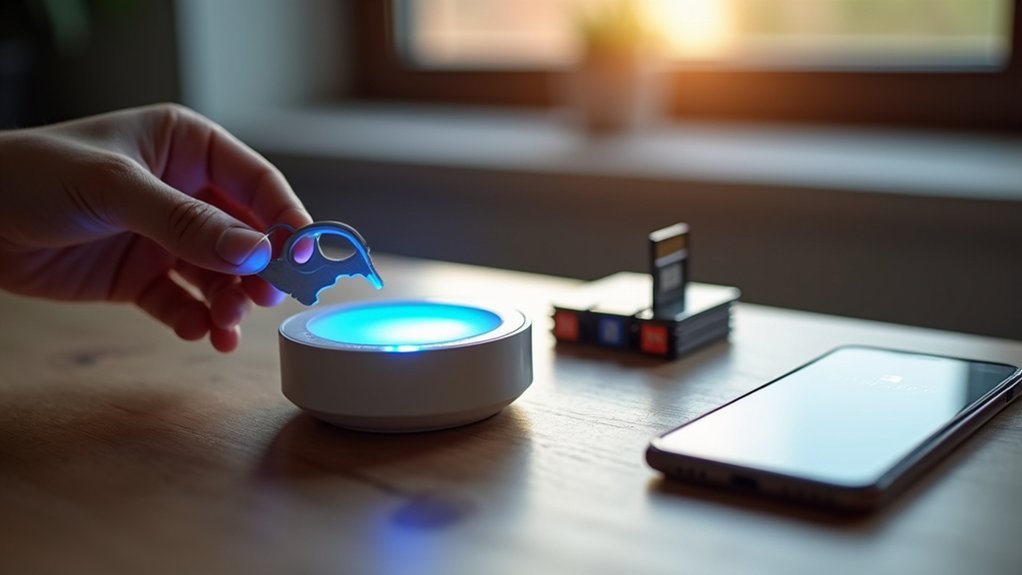
Because your devices talk to the internet all the time, you need a simple, practical checklist to keep their data safe now.
You’ll start through increasing user awareness. Teach everyone who touches devices to spot odd behavior, update passwords, and report issues without blame.
Next, enforce strong passwords and multi factor where possible. Patch firmware regularly and retire devices that can’t update.
Use network segmentation and limit device privileges so one compromise won’t spread.
Apply data masking for sensitive streams and store minimal data locally.
Enable encryption on device traffic and backups.
Log and monitor device activity with alerts you can act on.
Create a clear incident plan so your team knows roles.
These steps fit together and help you protect data today.
Identify and Prioritize IoT Assets and Risks
Start with listing every connected device you have, from smart sensors to legacy controllers, so you know what data is at risk.
Then map likely threat scenarios like unpatched firmware, weak passwords, or large scale botnet attacks and record which devices would be targeted initially. That way you can rank devices according to impact and exposure and focus your fixes where they’ll protect data the most.
Inventory Connected Devices
A clear device inventory is your foundation for protecting connected gadgets, and you can build it without getting inundated. Start with listing every device, record owner, location, and role, and track the device lifecycle so you know at what time to update or retire gear.
Use simple tools to record firmware versions and serial numbers. Add connection mapping to show how devices talk to networks and other systems. Once you map connections you’ll spot hubs that need tighter controls.
Invite teammates to help so everyone feels responsible. Prioritize devices that hold sensitive data or sit at network edges. Update the inventory regularly and after changes.
Keep entries short, actionable, and shared so your group moves together and stays confident protecting devices.
Assess Threat Scenarios
Now that you’ve built a clear device inventory, use it to visualize how threats could reach those devices and what they’d do in case they succeed. Walk through likely attack paths from internet entry points to sensors, controllers, and data stores.
Consider emerging attack vectors like botnets, supply chain tampering, and unencrypted telemetry that exploit outdated firmware. Ask who benefits and why through mapping attacker motivations to each path.
Prioritize assets that hold sensitive data or control critical functions. Rank risks through likelihood and impact, then pick controls that reduce exposure quickly.
Share findings with your team so everyone feels included in protecting devices. Keep the process repetitive, revisit scenarios after updates, and learn from incidents to strengthen defenses.
Segment and Secure Your IoT Network

Because your IoT devices often sit on the same network as critical systems, you need clear separation and strong controls to keep data and operations safe. Start off grouping devices according to function and risk so you and your team can see where sensitive data flows.
Apply network segmentation and micro segmentation implementation to limit lateral movement and contain incidents quickly. Use VLANs, firewalls, and access policies that match each group.
Monitor traffic between segments and flag unusual patterns so you can act fast. Keep firmware updated and restrict service ports to reduce exposure.
Train everyone to recognize device risks and report anomalies. You belong to a team that protects shared systems, so work together, iterate policies, and celebrate small wins as security improves.
Use Strong Authentication and Unique Device Identities
While you could believe passwords alone are enough, they rarely stop modern attacks, so you should give each device a strong, unique identity and require multi factor checks before it talks to your network.
You want your devices to belong to a trusted group, so assign cryptographic IDs and rotate keys regularly. Pair device certificates with multi factor authentication so access needs more than one proof.
Whenever humans interact, add biometric verification alongside passwords and tokens to make access personal and accountable.
Design identity checks that fit your team, not the other way around, and make enrollment simple so everyone joins in. These steps reduce impostors, build confidence across devices, and help your community keep data safer together.
Manage and Test Firmware Updates Securely
Once you manage firmware updates, start through verifying each update’s authenticity so attackers can’t slip in malicious code.
Use secure delivery channels and strong encryption to protect updates in transit and at rest, and make sure devices check signatures before installing.
Also build rollback and examination into your process so you can safely revert bad updates and catch problems before they reach users.
Verify Update Authenticity
You should treat firmware updates like medicine for your device: they can heal security holes, but only in case you know they’re real and safe.
You’ll start with insisting on firmware authentication so you and your team trust every package. Use digital signatures and certificates so each update proves its source.
Next, perform update validation on receipt to check integrity and version compatibility before install. Have automated checks plus a human spot check to catch surprises.
Let your community of users and admins see trusted logs so everyone feels included and confident.
Train people to refuse unsigned updates and report anomalies.
Keep validation routines simple, repeatable, and documented so your group can act together and protect devices.
Secure Delivery Channels
Because firmware updates travel across many hands and networks, you’ll want delivery channels that are locked down, verified, and easy to trust. You’ll use secure protocols like TLS and mutual authentication so data moves encrypted and endpoints confirm each other.
Pair that with signed packages and checksums so you and your team can spot tampering fast. Rely on trusted intermediaries such as vetted content delivery networks and internal gateways to reduce exposure while keeping control.
Assess delivery paths often and monitor logs for anomalies so you catch problems promptly. Involve your community and operations people in routine checks so everyone feels ownership.
Whenever channels are simple, visible, and protected, you’ll reduce risk and keep devices updated with confidence.
Rollback And Testing
Secure delivery helped you keep firmware flowing safely, and now you’ll want a clear plan for evaluating updates and rolling back in case things go wrong. You belong to a team that protects devices, so you’ll use verification methodologies and rollback procedures that everyone trusts.
Start with staged rollouts and canary devices to catch issues prematurely. Then run automated tests and hands on checks that measure stability and security. Finally, prepare fast rollback paths and clear owner roles so you can act without delay.
- Stage updates gradually and monitor metrics closely.
- Combine automated regression suites with manual edge case checks.
- Document rollback procedures, notification steps, and recovery timelines.
You’ll stay calm, connected, and ready to help every device recover.
Encrypt IoT Data in Transit and at Rest
During the period data moves between your IoT device and the cloud or sits on a device, encrypting it keeps prying eyes out and gives you peace of mind, especially as attacks climb and most device traffic still goes unprotected.
You want strong protections that fit your team and devices. Use end to end encryption for messages so intermediaries can’t read them. Pair that with data obfuscation on stored records to limit value in case a breach happens.
Apply consistent key management and rotate keys regularly so access stays controlled. Use well proven protocols like TLS and full disk or database encryption for stored data.
Evaluate encryption in your workflow and involve teammates so everyone feels responsible and supported.
Harden Device Settings: Remove Defaults and Unused Features
You should start through changing any default usernames and passwords because attackers scan for those initially and they make devices easy to control.
Next, turn off services and ports you don’t use so there are fewer ways for someone to get in.
Doing both gives you simple, strong protection that you can keep up without much fuss.
Disable Default Credentials
Because default usernames and passwords are easy to guess, changing them right away reduces the single biggest risk on many devices. You belong with others who protect their gear, and you can do this simply to cut default password risks and block credential exploitation. Start upon logging in as soon as you unpack a device. Create unique, strong passwords and avoid reuse across devices.
- Use a password manager to generate and store long passwords.
- Enable multi factor where supported to add a second barrier.
- Record admin changes securely and rotate credentials regularly.
These steps link to your broader hardening work and help you feel confident. In case a device won’t let you change a default, replace it or contact support for a secure option.
Turn Off Unused Services
Once devices come with extra services turned on, they invite trouble and make your network noisy, so it’s smart to switch off anything you don’t need right away. You can belong to a careful group that cares for its gear and data.
Start by inventorying running features and map what each service does. Use service pruning to remove unused daemons, open ports, and demo apps. You’ll free CPU and memory, and improve resource optimization so devices run cooler and update faster.
Evaluate each change on one device prior to you roll it out. Keep logs so you can undo mistakes. Pair pruning with firmware updates and access controls to reduce attack surface and accidental leaks. You’ll feel more confident understanding your devices only run what matters.
Minimize IoT Data Collection and Apply Privacy-by-Design
Once you design IoT systems, consider small and thoughtful about the data you collect so you can protect people and lower risk. You belong here with others who care for users and devices.
Start with data minimization and privacy through design so you only gather what’s needed and build protection in from the start.
- Inventory data types and drop any that don’t serve core function.
- Use coarse or anonymized data where possible to keep identities safe.
- Limit retention and access so fewer people can see raw data.
When you apply these steps, you reduce exposure and build trust. Design defaults to private, explain what you collect, and give people control. That shared approach keeps teams aligned and users safer.
Monitor IoT Device Behavior and Detect Anomalies
During instances devices act strangely, you want to spot it fast so you can stop damage and protect people, not just gadgets. You belong to a team that cares about safety, so use behavioral analytics to learn normal patterns for each device.
Watch traffic, CPU use, and connections. Whenever something falls outside the usual, anomaly detection raises an alert so you can check it together. Tune thresholds so you avoid false alarms and keep trust.
Share clear dashboards and simple alerts with your group so everyone understands the risk and can act. Train staff to read signals and to report odd behavior.
Keep models updated as devices change. That teamwork makes your network safer and keeps people confident and connected.
Backup, Respond to Incidents, and Recover IoT Systems

At the moment a device fails or an attack starts, you want a clear plan that brings systems back quickly and keeps people safe, not just machines. You and your team will rely on backups, stepwise recovery, and calm incident reporting to restore trust.
Start with reliable backups that include configs, logs, and encrypted data. Then map roles for responders and who communicates with users.
- Create frequent automated backups and verify restores.
- Define incident reporting channels, timelines, and ownership.
- Run tabletop drills that evaluate recovery steps and staff readiness.
When you practice together, everyone feels included and capable. Use simple runbooks, keep records for disaster recovery audits, and review lessons after each event so your group grows stronger and more confident.
Evaluate Third-Party Devices, Supply‑Chain Risk, and Compliance
Because your network is only as strong as the devices it trusts, you should treat third-party gadgets and suppliers like partners you must vet carefully.
You’ll want a clear third party evaluation process that checks firmware updates, default credentials, encryption, and vendor patch history. Ask suppliers for evidence of supply chain compliance and certificates like ISO 27001. Run device examination in a sandbox before deployment and insist on secure update mechanisms. Share threat intelligence with peers so your community learns fast.
Build contractual requirements for incident response, liability, and transparent provenance. Prioritize vendors that support minimal data collection and clear data flows. Stay empathetic with small vendors and help them meet standards. This keeps your group safer and more resilient together.
Frequently Asked Questions
How Do Iot Devices Impact Cyber Insurance Premiums?
IoT devices can increase premiums because unpatched firmware, weak authentication, and broad network access raise the chance of a breach. Insurers offer lower rates when you demonstrate concrete protections such as network segmentation, regular patch management, and end-to-end encryption. Implementing those controls reduces risk and signals to underwriters that your organization follows measurable security practices.
Can Edge AI Models Be Compromised to Leak Data?
Yes. Techniques such as model inversion can reconstruct training inputs, and adversarial examples can force incorrect outputs that reveal sensitive information. Use precise defenses: differential privacy during training, robust regularization, input sanitization, and secure enclaves for model keys. Continuously audit model outputs, log queries for anomaly detection, and apply strict access controls so edge AI systems and user data remain protected.
What Liability Arises From Consumer Iot Data Sold to Brokers?
If your smart garden’s produce data is sold without permission, you may face violations of consumer privacy laws, regulatory penalties, private lawsuits, obligations to fund identity or credit monitoring and other remediation, and damage to local reputation and customer relationships.
How Do Long-Term Archival and E‑Discovery Rules Apply to Iot Data?
Apply specific retention schedules to each IoT data stream, distinguishing sensor types and use cases; implement automated legal-hold workflows that preserve relevant records without retaining unnecessary data; address compliance issues such as large-scale storage costs, strong encryption key management, and differing preservation obligations across countries; involve legal, security, engineering, and records teams to define precise scope, role-based access controls, and legally defensible deletion procedures.
Can Quantum Computing Break Current Iot Encryption Standards?
Yes. Quantum attacks can undermine the public key schemes used in many IoT devices, so you should begin migrating to vetted post-quantum algorithms now; we will help you implement and test replacements so your devices remain secure during the transition.