
Outdoor wiring projects rarely need only one tool. Fence tensioning, low-voltage lighting, automation connections, and equipment repairs each call for a different wire size, connector style, or handling requirement. I’ve organized these picks by practical fit, from compact precision stripping to crimping kits and tensioning tools, so you can match the instrument to the job instead of forcing one tool to do everything.
The Leading Options At A Glance
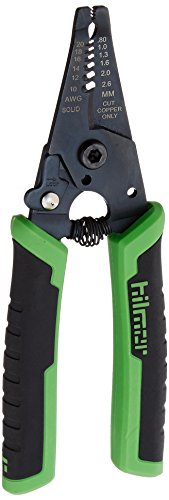
hilmor 1885427 WS6 Wire Stripper, 6″

Gripple Torq Wire Tensioning Tool

KATA 7 Inch Precision Wire Stripper

Greenlee 1956-SS Stainless Wire Stripper

Hilmor HT 1839078 HVAC Tool Bag

SOMELINE 22-10 AWG 36-Type Crimping Kit

SOMELINE 22-10 AWG 48-Type Crimping Kit

SOMELINE 22-10 AWG 18-Type Crimping Kit

Hilmor Compact Swage Tool Kit
The Picks, Examined More Closely
Hilmor’s 6-inch WS6 favors quick, repeatable stripping over specialty versatility. The marked jaws make it easier to match the correct bolt or screw size, a useful detail in a busy repair kit. Over-molded grips should feel more secure through repeated outdoor jobs, although the tool is intended for standard hardware rather than live electrical work.
Points In Its Favor
- Readable jaw markings reduce setup time.
- Covered handles improve grip during repetitive work.
- Six-inch format suits a portable repair kit.
Trade Offs
- The 10–40 AWG cutting capacity is narrower than the Greenlee 1956-SS.
- Handle grips do not provide electrical shock protection, and the tool should stay off live wires.
Key Specs
Made For Everyday Repairs
This pick suits homeowners handling small outdoor fixtures, controls, and general hardware.
Another Choice May Suit
The Greenlee 1956-SS better serves technicians who regularly strip 6–14 AWG wire and need several gripping functions.
The Gripple Torq Tool sits apart from conventional strippers because it tensions cable rather than removing insulation. Its built-in gauge and 6:1 gear drive make it more relevant to fence, trellis, and anchoring work than electronics projects. For most outdoor property maintenance, that narrower role is a strength.
Good Reasons To Consider
- The gauge helps monitor cable tension during installation.
- The gear drive reduces the force needed for heavier cable.
- Metal construction suits demanding outdoor maintenance.
Practical Considerations
- It is a tensioning tool, not a general-purpose wire stripper.
- It is intended for compatible Gripple tensioners, so hardware compatibility deserves checking before a project begins.
Right Fit For Outdoor Structures
Fence installers and property maintainers get the most benefit from this tool.
Consider Something Else
The Hilmor WS6 is a better fit for removing insulation from 10–40 AWG wire rather than tensioning cable.
KATA’s 7-inch stripper is built around smaller conductors rather than fence cable or heavy service wire. The stated range covers 20–30 AWG solid wire and 22–32 AWG stranded wire, which fits control circuits, hobby projects, and low-voltage lighting. Its combination of stripping, cutting, clamping, and terminal crimping makes it more useful for electronics repairs.
Everyday Perks
- Fine wire ranges support small outdoor lighting and control systems.
- Four functions reduce the need to move between small tools.
- The compact format suits a portable electronics kit.
Less-Strong Areas
- Its 20–32 AWG focus is too limited for heavier fence or feeder wire.
- Small precision mechanisms generally need regular cleaning to avoid carrying grit into the jaws.
Key Specs
Built With Electronics In Mind
Low-voltage installers, hobbyists, and homeowners working on small controls benefit most.
A Better Fit Elsewhere
The Greenlee 1956-SS is the stronger choice for 6–14 AWG wire and broader hand-tool tasks.
Greenlee expands the conversation from stripping alone to a full service tool. The 1956-SS handles 6–14 AWG wire and combines cutting, crimping, gripping, forming, bending, and bolt shearing in a stainless-steel body. That combination makes it appealing for field technicians, though its 7.5-inch size is less discreet than the KATA tool.
Notable Upsides
- Stainless construction supports resistance to wear and corrosion.
- Multiple plier functions reduce tool changes during service calls.
- Precision-ground stripping areas target cleaner insulation removal.
Worth Noting
- The 6–14 AWG range is more substantial than the KATA model but still excludes very small control wire.
- Several mechanisms can collect dirt, so a wipe-down after outdoor use is sensible.
Built With Technicians In Mind
Maintenance professionals handling moderate-gauge wire benefit from its multi-function design.
Where A Sibling Pick Shines
The Hilmor WS6 is easier to carry for small-gauge general repairs where bolt shearing is unnecessary.
The Hilmor bag is not a wire stripper, but it solves a real outdoor-service problem: keeping small tools together. Its 27 pockets, 18 elastic bands, and clips create a broad organization system for HVAC work, and the shoulder strap helps carry equipment around a yard or service area. The 13-inch format is a practical middle ground between a pouch and a full backpack.
The Value In It
- Interior and exterior pockets improve access during equipment service.
- Elastic bands and clips keep small components from shifting.
- Water-resistant material helps manage changing outdoor conditions.
Room For Improvement
- Storage capacity cannot replace a correctly sized wire stripper.
- Loose tools can still create noise or movement during transport, so the shoulder strap deserves regular adjustment.
Made For Field Organization
HVAC technicians carrying small tools between outdoor units get the most value.
Another Choice May Suit
The Greenlee 1956-SS is the better fit for the actual stripping and cutting work, while this bag handles storage.
SOMELINE’s kit shifts attention from removing insulation to joining wire with heat-shrink terminals. Its 22–10 AWG range suits many control, accessory, and low-voltage connections, while 36 terminal types provide room for different repair jobs. The included crimper turns the assortment into a more useful maintenance setup than loose connectors alone.
The Case For It
- Thirty-six connector types support varied repair jobs.
- Heat-shrink sleeves add insulation around completed connections.
- The 22–10 AWG range covers common small-gauge wire.
Details To Watch
- It does not replace a stripper, so wire preparation still requires another tool.
- The correct terminal must match the conductor and connection type to avoid a poor fit.
Good Reasons To Choose This Kit
Vehicle, marine, control-panel, and outdoor equipment repairs benefit from the connector assortment.
Look Elsewhere For Stripping
The KATA 7 Inch Precision Wire Stripper is better for preparing 20–32 AWG wire before connection.
The 48-type SOMELINE kit extends the same 22–10 AWG foundation with a larger terminal inventory. That matters for technicians who work across lighting, sensors, batteries, marine equipment, or general control wiring, since they can match more connection styles without replacing the entire setup. The tradeoff is added bulk for projects needing only a few basic terminals.
Positive Takeaways
- Forty-eight terminal types cover a wide mix of repairs.
- Heat-shrink construction suits vibration and moisture-prone connections.
- The included crimper supports a complete connection workflow.
Some Limits To Know
- The larger assortment can be unnecessary for a single connector repair.
- Storage and sorting matter more as connector types increase.
Best Suited To Multi-Repair Work
Service technicians and serious hobbyists handling several connection types gain the most value.
Consider Something Else
The 18-type SOMELINE kit is a simpler fit for someone who needs a focused set of common terminals.
This smaller SOMELINE kit prioritizes a manageable starter set rather than a large connector inventory. The ratcheting crimper uses adjustable crimp force and a quick-release lever, while its grips are designed to resist slipping during repetitive connections. It handles 22–10 AWG wire and several terminal styles, making it a practical bridge between basic repairs and larger wiring jobs.
What Helps Most
- Ratchet action helps repeat similar crimp shapes consistently.
- Quick release simplifies removing a partially positioned terminal.
- Eighteen types cover common repair connections without excessive bulk.
Possible Compromises
- Eighteen types are less versatile than the 36- or 48-type SOMELINE kits.
- Outdoor storage should keep the crimper dry and the terminals organized.
Feature Snapshot
Right Fit For New Repairs
Homeowners beginning outdoor control and accessory wiring benefit from its focused kit.
Another Choice May Suit
The 48-type SOMELINE kit fits technicians who regularly work with several terminal families.
The Hilmor Compact Swage Tool Kit handles a different part of outdoor service work: forming tubing rather than stripping wire. Its stated range covers 5/16-inch through 1-5/8-inch tubing, and the hydraulic single-hand design is intended to reduce fatigue during HVAC installation and repair. It is a specialist addition, not a substitute for electrical hand tools.
Practical Pluses
- Single-hand operation helps manage fatigue during repetitive swaging.
- The included case supports transport between outdoor units.
- Hydraulic pressure assists controlled tubing deformation.
Practical Considerations
- It is limited to tubing work and does not prepare electrical wire.
- Correct die and tube-size matching remain important for clean work.
Technical Highlights
Built With HVAC Service In Mind
Refrigeration and HVAC service technicians get the clearest benefit.
Not Your Match For Wire Prep
The Greenlee 1956-SS is the better choice for stripping, cutting, and gripping 6–14 AWG wire.
What Matters Before You Choose
Match the wire range first
AWG, or American Wire Gauge, measures conductor diameter, with lower numbers representing heavier wire. Match the tool to the wire in the project rather than choosing by appearance alone. A light-gauge stripper is more precise for electronics, while a broader tool is better for service wiring.
Choose the actual job
A wire stripper removes insulation. A crimper forms a terminal around a conductor, while a heat-shrink connector adds insulation after the crimp. The Gripple Torq Tool and Hilmor swaging kit serve other specialized tasks, so matching the operation prevents wasted storage space and frustrating jobs.
Account for outdoor handling
Coated handles help with grip, and stainless construction can suit damp environments. Keep precision tools clean after use, store crimpers in a dry case, and protect small terminals from dirt and moisture. The right case or pouch can make daily service work less scattered.
Where The Extra Money Goes
What Higher-End Construction Adds
Greenlee’s stainless multi-function construction is meaningful for frequent service work because it combines several operations in one tool. The broader wire range also reduces tool switching. A person working only occasionally with small control wires may gain less from that capability and can focus on a precision stripper instead.
The Upgrade Payoff
A ratcheting crimper earns its place when repeated terminal work needs consistent pressure. A 48-type connector kit is more useful across varied equipment, while a focused 18-type kit is easier to organize. The practical upgrade is the feature that removes a recurring task, not simply the longer accessory list.
Frequently Asked Questions
Which wire stripper suits outdoor low-voltage lighting?
The KATA tool fits smaller 20–32 AWG conductors commonly used in electronics and low-voltage work. A larger installer may prefer broader service tooling.
Are stainless wire strippers better outside?
Stainless construction can help resist corrosion compared with exposed ordinary steel. Protection still depends on storage, cleaning, and avoiding harsh moisture traps.
Can a crimping kit replace a wire stripper?
No. A crimper prepares terminals, while a stripper removes insulation before the conductor enters the terminal.
Which tool handles fence tensioning?
The Gripple Torq Tool is designed for controlled cable tensioning and compatible Gripple tensioners, rather than general wire stripping.
Final Thoughts
The right outdoor tool depends on wire size and work type. Hilmor covers compact stripping and swaging, Greenlee handles broader service work, Gripple manages cable tension, KATA supports small electronics wiring, and SOMELINE provides connector-focused crimping kits. Match the gauge, task, and storage needs before making a choice.
