
Outdoor furniture, picnic tables, planters, and dock repairs all place wood under moisture stress. I compare PVA wood glue, vinyl cement, end-grain sealer, and penetrating treatments across capacity, cure time, application method, and intended use. Several items also serve indoor workshops or craft projects, despite the outdoor focus.
Wood glue provides the structural bond, while a sealer limits moisture entering or leaving exposed wood. ANSI Type II water resistance describes performance under damp conditions, but it does not mean a joint can remain submerged indefinitely.
The Main Contenders

GORILLA Water Resistant Wood Glue, 18 oz
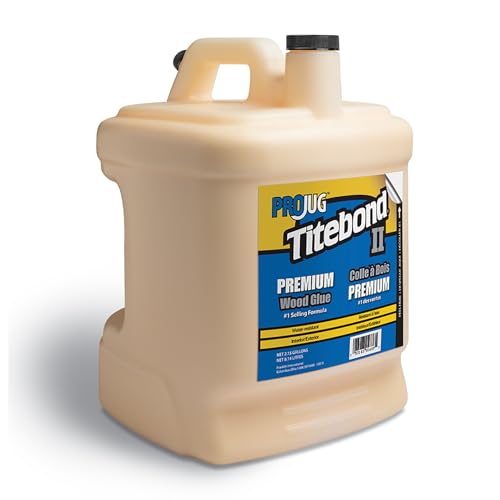
Titebond II Premium Wood Glue, 2.15 Gal., 50009

ANCHORSEAL 2 Log and Lumber End Grain Sealer, 1 Gallon

RH Adhesives HH-66 Vinyl Cement, 8 oz

Franklin International 1412 Titebond-3 Glue, 4 oz, Tan

Milescraft 5222 Glue Mate 150, 5 oz, Multi-Chamber

Weldbond Clear PVA Glue, 60 ml, 2 fl. oz

SEAL-ONCE Marine Penetrating Wood Sealer, Clear, 1 Gallon

Seal-Once Marine Wood Sealer and Stain, Clear, 5 Gallon
The Strengths Of Each Pick
The 18-ounce bottle lands in a useful middle ground for furniture repairs, shelving, and small outdoor structures. PVA means polyvinyl acetate, a water-based adhesive suited to clean, porous wood surfaces, and this formula carries ANSI Type II water-resistance performance.
Its 20- to 30-minute clamp period supports repeat projects without forcing a long wait before finishing. Compared with the gallon container later in the list, this is less wasteful for a weekend repair, though frequent outdoor work may exhaust it quickly.
Positive Takeaways
- Handles hardwoods, softwoods, and natural wood composites.
- Reaches handling strength in 20 to 30 minutes.
- Suits both indoor furniture and exterior repairs.
- Fully cures within 24 hours under normal project conditions.
Practical Considerations
- Water resistance does not replace a finish for continuously exposed outdoor wood.
- Clamped joints need a full cure before heavy use.
Quick Facts
Who It Suits Best
It suits beginners and regular home woodworkers handling mixed indoor and outdoor repairs.
A Better Fit Elsewhere
Titebond II Premium Wood Glue suits high-volume outdoor carpentry better.
Large outdoor batches make this the more serious choice than GORILLA Water Resistant Wood Glue, particularly for benches, planters, birdhouses, and mailboxes. Its strong early tack helps parts stay aligned during assembly, while the fast set is useful in production carpentry.
For most workshop schedules, the trade-off is handling rather than performance. The 2.15-gallon PROJug is substantial storage, and wood glue left in a partially used jug needs a clean neck and tightly fitted cap to prevent premature drying.
The Upside
- ANSI Type II performance targets exterior moisture exposure.
- Strong initial tack reduces shifting during assembly.
- Dries to a sandable finish suited to later finishing.
- Works with radio-frequency and hot-press gluing systems.
- Water cleanup simplifies routine bench maintenance.
Points To Note
- Water cleanup applies before the adhesive cures.
- Finished glue residue and squeeze-out still require mechanical removal.
Technical Sheet
Made For
It best serves experienced woodworkers producing repeated exterior components or sizable assemblies.
Another Choice May Suit
FRANKLIN International 1412 Titebond-3 Glue suits occasional repairs needing a much smaller quantity.
Fresh-cut lumber can split across its end grain as moisture escapes faster from the exposed face. ANCHORSEAL 2 addresses that problem by forming a barrier intended to reduce checking, rather than bonding two wood surfaces together like the earlier glue picks.
Woodturners, woodworkers, and lumber handlers get a targeted treatment for blanks, log ends, deck cuts, and similar material. The gallon container may be excessive for a single jewelry box, but it fits a steady stream of cutoffs and rough stock.
Standout Benefits
- Reduces moisture loss from freshly cut end grain.
- Supports sawmills, turners, and serious woodworkers.
- Fits turning blanks, bowl stock, and lumber ends.
Trade Offs
- It is an end-grain treatment, not a substitute for structural wood glue.
- Coverage claims do not eliminate the need to store lumber under stable conditions.
Feature Snapshot
Best Suited To
It suits turners and lumber workers dealing with green or freshly sawn wood.
Consider Something Else When
SEAL-ONCE Marine Penetrating Wood Sealer better fits completed outdoor furniture and dock timber.
HH-66 shifts the material question from wood to flexible PVC and vinyl-coated surfaces. Its contact-cement bonding process suits pool covers, tarps, inflatable items, liners, and flexible signs, where a rigid PVA wood glue would create an unsuitable joint.
The built-in brush cap provides more control around seams and small patches. For a large pool installation, an 8-ounce bottle may require repeated refills, but that compact format is useful for household maintenance and emergency repairs.
Well-Handled Touches
- Adheres to flexible PVC and vinyl-coated materials.
- Can be applied within a 35°F to 95°F application range.
- Supports application underwater for suitable repairs.
- Brush cap supports even coverage around seams.
Some Limits To Know
- It belongs beside pool and tarp supplies, not in a wood-glue shelf.
- Contact cement requires close assembly timing, so alignment must be planned first.
Core Details
The Right Fit
It fits home maintainers repairing vinyl pool covers, tarps, liners, and inflatable equipment.
Where A Sibling Pick Shines
Weldbond Clear PVA Glue better serves mixed-material craft work involving porous surfaces.
The four-ounce format makes this more of a specialty-shop bottle than a full workshop supply. FRANKLIN International model 1412 can sit beside a small bench for touch-ups, loose joints, or compact furniture projects without occupying much space.
That compactness is the main advantage, particularly compared with the 2.15-gallon Titebond II container. Still, the available information does not establish the same water-resistance level or outdoor applications, so I would not choose it for exposed exterior construction without checking the product label.
The Good Stuff
- Four-ounce size suits small, occasional repairs.
- Tan color provides a simple visible adhesive option.
- Compact bottle is easier to store than a large jug.
Details To Watch
- Outdoor performance details are not established in the supplied information.
- Small capacity may require several purchases for ongoing shop use.
Built With In Mind
It suits hobby woodworkers with a few household repairs and limited storage space.
Reach For A Different Pick When
GORILLA Water Resistant Wood Glue better fits projects requiring stated Type II water resistance.
Glue Mate 150 focuses on placement rather than exterior bonding. Its multi-chamber bottle moves adhesive from a storage chamber toward a smaller dispensing section, giving crafters and woodworkers more control around dowels, biscuits, and confined joints.
For model building, small shelves, or furniture repairs on a crowded worktable, that precision can matter more than a larger jug. Since the supplied details do not establish waterproof outdoor performance, I consider this an application bottle rather than an exposed-weather wood glue.
Everyday Perks
- Multi-chamber design supports controlled application.
- Five-ounce size suits compact and occasional projects.
- Dowel and biscuit tips support common joinery tasks.
- Anti-drip design helps keep a workbench cleaner.
Small Caveats
- Outdoor water resistance is not established in the available details.
- Dispensers and tips may collect dried adhesive during long storage.
Who Will Love This
It suits detail-oriented hobbyists working on small joinery and cramped craft projects.
Swap It Out When
Titebond II Premium Wood Glue better serves exposed outdoor assemblies needing stated water resistance.
Weldbond expands beyond a traditional wood-only application into porous craft materials. The clear PVA formula is presented for wood, ceramic, glass, tile, fabric, foam, and mosaic work, which makes the small bottle attractive for mixed-material projects.
The reported 20-minute set time can keep assembly moving, while the clear finish helps avoid visible glue marks on craft surfaces. For a heavily loaded outdoor timber joint, I would still choose a glue with a clearly stated exterior standard such as Titebond II.
Practical Pluses
- Clear finish suits visible craft surfaces.
- Bonds several porous material types in one bottle.
- Water cleanup helps maintain a shared craft table.
- The 20-minute set supports streamlined assembly.
Possible Compromises
- The two-ounce container may run low on larger assemblies.
- Multiple thin craft applications may be needed for uneven porous surfaces.
Made For
It suits crafters combining wood with mosaic, ceramic, fabric, tile, glass, or foam.
Not Your Match When
FRANKLIN International 1412 Titebond-3 Glue better fits a wood-only household workshop.
This is a protective treatment, not a joint adhesive. SEAL-ONCE Marine Penetrating Wood Sealer is intended for outdoor furniture, thermally modified wood, and boat docks, creating a UV-stable coating against moisture and saltwater spray.
The penetrating approach can preserve the appearance of clear-finished wood, while the gallon container covers enough area for a substantial dock or several furniture pieces. It should follow the manufacturer’s preparation and application directions, since contaminated or damp surfaces can affect coverage.
What Earns Its Place
- Protects exposed wood from water and salt spray.
- Supports clear appearance on suitable outdoor timber.
- One gallon accommodates sizable furniture or dock projects.
Practical Considerations
- It does not replace glue for assembling wood joints.
- The stated exclusions include hardwoods such as ipe, mahogany, and teak.
Who Should Grab It
It suits dock owners and woodworkers maintaining compatible exterior furniture and timber.
Look Elsewhere When
ANCHORSEAL 2 Log and Lumber End Grain Sealer better fits fresh-cut log and lumber ends.
The five-gallon format moves this from household touch-ups to serious deck, dock, and siding coverage. Compared with SEAL-ONCE Marine Penetrating Wood Sealer, it provides much more material for large installations while serving a similar exterior-protection role.
This water-based treatment is designed to penetrate below the surface and form a flexible, breathable barrier around wood fibers. It also suits retaining walls near rivers, lakes, ponds, and oceans, subject to its stated material exclusions and preparation requirements.
Strong Points
- Five gallons support large decks and dock projects.
- Targets moisture around frequently exposed wood.
- Flexible, breathable barrier suits exterior fibers.
- Water-based formula supports soap-and-water cleanup.
- Designed for clear preservation of natural wood color.
Where It Is Less Suited
- Five gallons is excessive for a small repair.
- Not intended for ipe, mahogany, teak, or other excluded hardwoods.
- Surface preparation and drying space remain necessary.
Key Product Details
Built With In Mind
It suits property maintainers treating large decks, docks, dockside siding, and retaining walls.
Another Choice May Suit
SEAL-ONCE Marine Penetrating Wood Sealer better suits smaller projects limited by workspace and storage.
Choosing Glue and Sealers by Exposure
Start with the joint, not simply the label. Wood-to-wood assemblies need a structural adhesive, pool-cover seams need compatible vinyl cement, and exposed lumber ends need a treatment formulated to slow moisture loss. Using the wrong chemistry can leave a sound surface with a poor joint.
Water resistance and waterproofing
Water-resistant wood glue is designed to retain strength under damp conditions. That makes it suitable for exterior furniture, planters, birdhouses, and similar projects, but recurring rain, standing water, and direct contact still influence long-term performance. A quality exterior finish remains useful for the surrounding wood.
Application and assembly speed
A shorter clamp period is valuable during a busy kitchen renovation or weekend workshop session, but fast setting is not the only measure of quality. Strong early tack helps joints remain aligned, while even application and adequate cure time matter more than squeezing glue onto an uneven joint.
Capacity and project scale
An 18-ounce bottle works well for household repairs, while gallon and multi-gallon containers serve outdoor furniture batches, decks, or docks. Large packaging can be inefficient for compact shelving or a single repair, and the five-gallon Seal-Once container needs a dry storage area and sufficient room during application.
Wood condition and surface preparation
Green wood, freshly cut blanks, and air-dried lumber lose moisture at different rates. End grain is especially porous, so ANCHORSEAL 2 addresses a different problem from an adhesive that joins two prepared faces. Clean, structurally sound wood and the manufacturer’s preparation instructions remain central to predictable results.
Choosing the Right Adhesive System
Mistakes Worth Dodging
Treating sealer as glue or cement as wood adhesive is a common mismatch. Waterproof language can also obscure different roles, such as Type II resistance, flexible vinyl bonding, or protection against moisture entering exposed lumber. Match the formulation to the material and failure point before opening the container.
What Separates Premium From Basic
Capacity, outdoor classification, setting behavior, and application equipment often separate premium and basic options. Titebond II adds stated Type II performance, fast setting, and system compatibility, while premium packaging avoids repeated refills. A smaller or general-purpose bottle can still be the more sensible choice for occasional household work.
