
Smokers make weekend meals feel more deliberate, but choosing the wrong one turns a relaxed cook into a juggling act. I compare compact tabletop grills, vertical cookers, open-fire barrels, electric units, and large offset rigs for patios, family gatherings, and long weekends centered on barbecue. The right fit comes down to cooking area, fuel style, airflow, portability, and how much hands-on management a smoker demands.
The Essentials At A Glance

Oklahoma Joe’s Rambler Portable Charcoal Grill 218 sq. in.
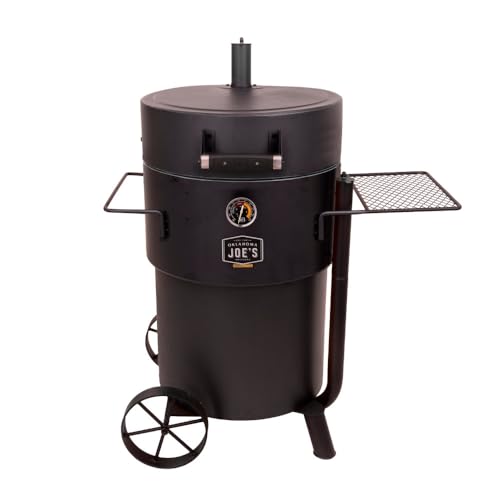
Oklahoma Joe’s Bronco Pro 21.5 in. Charcoal Drum Smoker 366 sq. in.

Oklahoma Joe’s Firecraft Series Open Fire Barrel Charcoal Grill 480 sq. in.

Oklahoma Joe’s Highland Reverse Flow Offset Smoker 1093 sq. in.
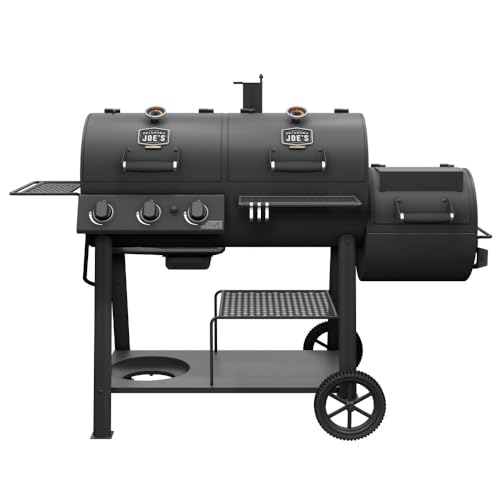
Oklahoma Joe’s Canyon Combo Dual Fuel Smoker 1031 sq. in.
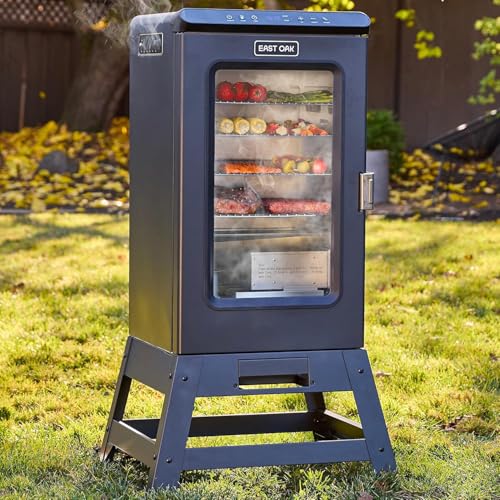
EAST OAK Ridgewood Pro 30-inch Electric Smoker 725 sq. in.

Oklahoma Joe’s Longhorn Offset Charcoal Smoker 1060 sq. in.
A Breakdown Of The Leading Choices
The Rambler fits a small patio, balcony setup, or trip to the campground better than the larger barrel models later in this list. Its 218-square-inch cooking area is compact enough for burgers, sausages, vegetables, and a small batch of meat without demanding a large footprint. Portable does not mean delicate, and charcoal gives it the kind of direct heat control many people want from a small grill.
Compared with Oklahoma Joe’s Bronco Pro, the Rambler is more approachable for fast outdoor meals and less suited to long, unattended cooking. For most apartment patios, that trade is sensible. The honest read is that this is a portable charcoal grill with smoker capability, not a full-size offset smoker.
Useful Highlights
- Compact dimensions make it practical for patios and outdoor trips.
- Adjustable charcoal height helps shift between direct grilling and lower heat.
- Charcoal fuel gives food a familiar barbecue character.
- The modest cooking area suits quick meals rather than large gatherings.
Things To Consider
- Small grate space limits how much food can cook at once.
- Charcoal placement requires attention during a busy cook.
Quick Facts
Who It Suits Best
This model best serves apartment cooks, campers, and beginners who want a small charcoal grill for everyday outdoor meals.
Where Another Pick Suits Better
Oklahoma Joe’s Bronco Pro suits people preparing larger weekend barbecue spreads that need more vertical smoking capacity.
The Bronco Pro changes the scale of the list. Its vertical charcoal-drum format gives smoke more room to circulate around food, while the 21.5-inch body keeps the footprint more manageable than a full offset smoker. A 366-square-inch cooking area is a meaningful step up from the Rambler for pork, chicken, and weekend barbecue.
That extra capacity also brings more heat management. The sealed lid and purpose-built airflow system support controlled cooking, but a long smoke still calls for charcoal and vent adjustments. People seeking a hands-on backyard project will appreciate the straightforward design; anyone wanting minimal tending may prefer the electric Ridgewood Pro.
Benefits That Matter
- Vertical layout supports smoke circulation around a larger batch.
- 366 square inches gives more room than the Rambler.
- Sealed lid and airflow controls support steadier heat management.
- Large fuel basket is designed for extended cooking sessions.
Worth Noting
- Longer cooks require more fuel and occasional vent adjustments.
- The vertical chamber takes more patio space than a tabletop grill.
- Moving the drum by the handle can be awkward after a heavy cook.
Made For
This smoker best fits weekend cooks who want a compact vertical barrel for steady, charcoal-driven barbecue.
A Better Fit Elsewhere
Oklahoma Joe’s Highland suits cooks preparing larger low-and-slow meals across a broader cooking surface.
The Firecraft Series takes a different approach from the closed smokers: its open firebox makes fuel management visible and direct. Two round wire grates provide 240 square inches each, creating 480 square inches of total cooking space. That arrangement works well for open-fire grilling, a fire pit, or a casual cooking station centered around a backyard gathering.
The twist-lock grate handles add a practical layer, since each grate can be repositioned as the fire changes. Unlike the Bronco Pro, this model is less about sealed low-and-slow cooking and more about responsive heat control. I would not treat it as the quietest or most automatic choice, but the open design is genuinely engaging for people who enjoy managing a live fire.
Notable Upsides
- Open firebox grants direct access to charcoal and live flames.
- 480 square inches provides more room than the earlier picks.
- Two grates can be arranged for different cooking needs.
- Wire grates are described as durable and resistant to corrosion.
Practical Considerations
- Open-fire cooking calls for close attention to fuel placement.
- It offers less enclosed heat control than a sealed offset smoker.
- Ash management is a regular part of use.
Right Fit For
This model best serves outdoor cooks who enjoy live-fire cooking, backyard gatherings, and a visible charcoal fire.
Another Choice May Suit
Oklahoma Joe’s Longhorn suits people who prefer a more enclosed offset layout for traditional low-and-slow cooking.
The Highland is built around a larger offset format, and its 1,093-square-inch cooking area changes the scale of a backyard cook. Reverse-flow baffles direct heat across the cooking chamber, while adjustable smokestack positions allow a change between indirect reverse-flow cooking and a more traditional offset setup. That flexibility is useful for cooks moving between brisket, roasts, and grilled foods.
Compared with the Firecraft open barrel, the Highland is more enclosed and better oriented toward extended cooking. The trade-off is scale, fuel use, and a larger cleaning routine. People with serious barbecue plans may find that investment worthwhile, while apartment cooks will probably prefer the Bronco Pro or Rambler.
Features That Help
- Large cooking area supports multiple cuts across the chamber.
- Reverse-flow configuration keeps indirect heat in the main cooking area.
- Removable baffles make airflow changes easier to manage.
- Adjustable smokestack positions broaden cooking flexibility.
Details To Watch
- The full size needs substantial patio clearance and storage space.
- Charcoal and hardwood fuel add handling before and during cooking.
- Offset chambers require regular ash and grease management.
Essential Details
Built With In Mind
This model best fits experienced barbecue cooks with a large patio and plans for long, multi-cut cooking sessions.
Where A Sibling Pick Shines
Oklahoma Joe’s Canyon Combo fits cooks who want large charcoal capacity with a fast gas side for weeknight grilling.
The Canyon Combo separates slow smoking from fast grilling, which makes it useful for households that do not want every outdoor meal to take the same route. Its 750-square-inch primary charcoal area handles indirect cooking, while the 36,000-BTU three-burner propane side provides a quick transition for burgers or vegetables. Wood splits and chunks are sold separately, as is the propane tank.
That dual-fuel arrangement is more flexible than the Highland’s single charcoal emphasis, though it introduces another fuel system to learn. The main chamber is large enough for multiple cuts, and the gas side reduces heat-up time for casual meals. The trade-off is a bulkier setup with more components, surfaces, and maintenance points.
A Few Highlights
- Charcoal chamber supports low-and-slow cooking with indirect heat.
- Three-burner propane side offers a separate quick-heat zone.
- 750-square-inch primary area suits substantial meat loads.
- Combination cooking handles barbecue and grilling in one setup.
Possible Compromises
- Propane tank and smoking wood require separate supplies.
- Large dual-fuel construction takes more patio space.
- Separate burners add more controls and cleaning areas.
Who Will Love This
This combination smoker best fits families who alternate between long charcoal sessions and quick outdoor dinners.
Reach For A Different Pick When
EAST OAK Ridgewood Pro suits cooks prioritizing electric heat control and a probe-focused routine over dual-fuel flexibility.
The Ridgewood Pro offers a different rhythm from the Oklahoma Joe’s charcoal models: electricity provides consistent heat without a charcoal fire to manage. The 30-inch body, elevated stand, and 725-square-inch cooking area make it a practical outdoor setup for long cooking sessions. A built-in meat probe helps track internal temperature, while the side chip loader adds wood smoke without requiring repeated access to the main chamber.
The stated 6-times-longer-smoke claim should be understood in relation to chip capacity, not as a promise about unattended results. Electric cooking still requires preheating, wood management, and temperature checks, particularly in cold or windy weather. For beginners, that lower fuel complexity may outweigh the less traditional fire-based experience.
Reasons It Performs
- Electric heat removes the need to manage live charcoal.
- Built-in probe simplifies internal temperature tracking.
- Side chip loader keeps smoke replenishment separate from the cooking chamber.
- 725 square inches suits generous outdoor cooking batches.
Points To Keep In Mind
- A power connection is needed during outdoor use.
- Electric smokers may depend on ambient conditions for steady results.
- Wood flavor still requires planning and chip refills.
Key Product Details
The Right Fit
This electric smoker best fits beginners and busy households that value temperature monitoring over charcoal fire management.
A Better Fit Elsewhere
Oklahoma Joe’s Rambler suits people who want a smaller charcoal grill and do not need a large electric chamber.
The Longhorn follows the classic offset-smoker layout, with a 751-square-inch primary chamber and a 309-square-inch secondary cooking area. Together, those spaces provide 1,060 square inches for family cookouts and larger backyard meals. The offset firebox creates indirect heat, so the food cooks away from the direct flame while charcoal and hardwood provide the fuel base.
Compared with the Highland, the Longhorn is the more straightforward offset option, while the Highland adds reverse-flow baffles and smokestack adjustment. That makes the Longhorn appealing for cooks familiar with traditional offset methods. The catch is physical size and maintenance, since a large barrel needs careful placement and regular ash and grease cleaning.
Why It Works Well
- Large primary chamber handles multiple cuts for family meals.
- Secondary cooking area adds flexibility for smaller foods.
- Offset firebox supports indirect cooking with charcoal and hardwood.
- Traditional layout rewards cooks who understand airflow and fuel placement.
Small Limitations
- The large footprint limits placement in compact patios.
- Offset cooking requires regular firebox and grease maintenance.
- Hardwood fuel adds another supply to manage.
Whose Backyard It Belongs On
This model best fits families with adequate outdoor space who want a large charcoal offset smoker for gatherings and full weekend cooks.
Consider Something Else When
Oklahoma Joe’s Bronco Pro suits people needing a smaller vertical smoker that handles more food with a narrower footprint.
Choosing a Smoker Around the Cook
A smoker should match the way a household actually cooks. Portable charcoal designs favor patios, camping, and quick meals, while vertical smokers suit weekend barbecue with a moderate footprint. Larger offset models serve family gatherings and low-and-slow cooking, while electric units reduce charcoal management and emphasize steady heat.
Cooking Space and Fuel
Cooking area tells a clearer story than overall length. A compact grate works for burgers, vegetables, and small cuts, while larger chambers support pork shoulders, multiple racks, or a whole cook. Fuel choice also shapes the routine, with charcoal and hardwood rewarding active heat management and electricity favoring simpler temperature control.
Airflow and Temperature Control
Airflow is the path that moves heat and smoke through a smoker. Adjustable vents, baffles, charcoal height, and smokestack placement give the cook more control over heat distribution. Reverse-flow designs redirect heat through the chamber, while open-fire grates make fuel placement more direct and visible.
Portability and Maintenance
Portable smokers are convenient for small outdoor spaces but usually have less cooking capacity. Offset and barrel designs generally need more room, more fuel, and more frequent cleaning around ash and grease. I would match the smoker to the available patio area and realistic maintenance time before choosing based on capacity alone.
Key Things to Know Before Cooking
Common Shopping Slip Ups
A large cooking area can still be inconvenient in a tight patio, and electric models need dependable power access. Charcoal smokers also require fuel, airflow adjustments, and ash disposal. I would measure the cooking footprint, check clearance around the unit, and think through fuel storage before deciding.
What Separates Premium From Basic
Higher-tier smokers add capacity, enclosed chambers, adjustable airflow, and larger fuel systems. Those details help with longer cooks and more consistent heat, but they also increase size, weight, and maintenance. The extra equipment is worthwhile for frequent barbecue cooks, while casual grillers may get more value from a compact model.
Frequently Asked Questions
What smoker is easiest for beginners?
The EAST OAK Ridgewood Pro is approachable because electricity replaces live charcoal management. Beginners still need to preheat the chamber and manage smoke, but temperature tracking is more direct.
Which smoker works best for a small patio?
The Oklahoma Joe’s Rambler has the smallest cooking format in this group at 218 square inches. A vertical model or offset smoker may offer more capacity, but it will require substantially more space.
Is a larger cooking area always better?
No. More space helps with batches and family meals, but it also brings greater weight, fuel consumption, and cleanup. A compact smoker can be more practical for two people or frequent small meals.
Do I need hardwood for every barbecue cook?
The models described for wood-fired smoking benefit from charcoal paired with hardwood splits or chunks. Those fuels are sold separately in some cases, and their availability should be considered before starting a long cook.
What should I look for in an offset smoker?
The key points are primary and secondary cooking space, firebox layout, airflow controls, and the space needed for opening the door. A reverse-flow system can add convenience, while traditional offsets may suit cooks who prefer direct control.
Final Verdict
I find the Oklahoma Joe’s Rambler most practical for compact patios, the Bronco Pro most balanced for weekend smoking, and the Highland and Longhorn most capable for larger gatherings. The Canyon Combo adds useful fuel flexibility, the Firecraft rewards live-fire cooking, and the EAST OAK Ridgewood Pro suits those who prefer electric heat and probe-based monitoring. Match the smoker to the space, food volume, and level of involvement that fit the household, then choose the model that feels manageable rather than oversized.
