
Cold evenings turn patios, greenhouses, and tents into uncomfortable places once the sun goes down. I’ve put together seven heating options for outdoor spaces, plant rooms, camping trips, and indoor rooms that need supplemental warmth. Electric models suit areas with convenient power, while the butane option supports more remote setups, and each type comes with practical limits worth considering before installation.
A Snapshot Of The Selections

Aarcinhke 1500W Greenhouse Heater with Thermostat

sundate Portable Infrared Patio Heater, 1500W

Naturehike 3-in-1 Portable Camping Heater, 3750 BTU

SmterCon Greenhouse Heater with Digital Thermostat
DREO Portable Electric Space Heater with Thermostat

DREO Smart Wall Heater for Large Rooms

DREO 42-Inch Tower Fan and Heater Combo, Silver
Inside Each Recommended Option
A digital thermostat makes this a sensible fit for a greenhouse, grow tent, or compact plant room. The 1500W output targets areas up to 160 square feet, though insulation, drafts, and greenhouse construction will affect real-world results.
Compared with the SmterCon model reviewed later, the Aarcinhke offers a wider stated temperature range of 41°F to 108°F. That makes it more relevant for gardeners managing changing conditions, rather than people seeking a portable spot heater.
Everyday Advantages
- The thermostat automatically cycles the heater to maintain the selected setting.
- Coverage of up to 160 square feet suits compact greenhouses and dedicated grow spaces.
- A 41°F to 108°F range accommodates cool nights and warmer daytime conditions.
- Continuous electrical heating avoids carrying and replacing fuel canisters.
Things To Consider
- Outdoor-rated installation practices matter around moisture, extension leads, and greenhouse surfaces.
- A stated 160-square-foot capacity may be optimistic in a drafty or poorly insulated structure.
Quick Facts
Who It Suits Best
This model suits greenhouse growers and home gardeners managing temperature around plants in a compact structure.
A Better Fit Elsewhere
The sundate Portable Infrared Patio Heater, 1500W, better serves people warming themselves around an open patio or garden seating area.
Infrared heating makes this model more relevant to people and objects than to a mass of surrounding air. That distinction suits patios, decks, balconies, and garden work areas, particularly where the goal is localized warmth rather than heating an entire greenhouse.
The carbon-fiber element and 1500W rating provide rapid response, while eight heat levels and an eight-hour timer offer finer control than a basic single-switch unit. In my view, the flexibility matters more on a long evening outdoors than during a quick camping stop.
Bright Spots
- Eight heat levels help balance output against changing outdoor temperatures.
- The eight-hour timer reduces the need for repeated manual switching.
- Radiant elements target seated people and nearby surfaces directly.
- Tip-over and overheat protection add practical safeguards during active outdoor use.
Practical Considerations
- Its stated water resistance still calls for sensible placement away from standing water and harsh weather exposure.
- Infrared heat does not warm the entire patio, so seating close to the unit matters.
Feature Snapshot
Made For
Patio diners, balcony users, and garden workers gain the most from this localized radiant format.
Consider Something Else
The Aarcinhke 1500W Greenhouse Heater with Thermostat is a better fit for automated temperature management around plants.
Butane power gives campers more placement freedom than the electric heaters in this roundup. A 3750-BTU output covers 54 to 108 square feet, making it practical for a tent, small campsite shelter, or compact porch where keeping a power cable outside is inconvenient.
Unlike the heavier stationary models, this unit folds into a portable warming setup with a handle, shelf, and magnetic connection. Owners must still provide suitable ventilation, especially inside a tent, and the stated 240-minute maximum runtime drops to 180 minutes at high output.
What Earns Its Place
- Butane operation eliminates dependence on patio electrical outlets.
- The portable handle and compact structure support campsite transport.
- A magnetic connection simplifies setup for people new to camping heaters.
- The warming shelf provides a surface separate from the burner area.
Worth Bearing In Mind
- Butane adds a consumable canister to the packing list and requires safe handling.
- The 180-minute high-output runtime may be short for an all-evening campsite.
- Enclosed tents require careful ventilation during operation.
The Main Details
Who Will Love This
Campers, weekend travelers, and tent users benefit most from the freedom of butane heating.
Another Choice May Suit
The DREO Portable Electric Space Heater with Thermostat suits a home-office desk where a low-power indoor appliance is more convenient.
Automatic temperature control gives this greenhouse heater appeal for plant rooms that need a steadier operating range. The 1500W heater is listed for spaces up to 120 square feet, so it fits a compact greenhouse, flower room, grow tent, or sheltered patio area without occupying much room.
Compared with the Aarcinhke model, the SmterCon covers a smaller stated area but emphasizes rapid heating, digital temperature display, and automatic power control. That makes it a practical choice for growers who want visible settings and less frequent manual adjustment.
Good Reasons To Consider
- The digital display keeps the selected temperature visible.
- Automatic power control reduces routine switching around plants.
- The 1500W rating supports quick warming in compact growing areas.
- Overheat protection is included for practical operation.
Small Caveats
- The stated 120-square-foot coverage is smaller than the Aarcinhke’s 160-square-foot range.
- Drafts can make a thermostat work harder and reduce the usefulness of a fixed temperature setting.
Right Fit For
This heater fits home growers and plant keepers managing a small, enclosed growing room.
Look Elsewhere
The Aarcinhke 1500W Greenhouse Heater with Thermostat offers more listed coverage and a broader temperature range for larger or more variable spaces.
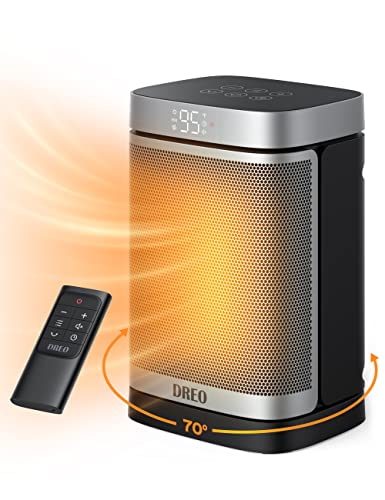
This DREO model belongs indoors, not on an exposed patio. Its portable format fits beside a desk, near a bed, or in a small room where directional supplemental heat can make daily use more comfortable during cool months.
The 1500W maximum output and thermostat support set-and-forget operation, while the carryable form makes it more flexible than a fixed wall unit. Compared with the DREO Smart Wall Heater, it takes up floor space but requires no wall installation, which may work better in temporary spaces.
Practical Pluses
- The thermostat helps maintain a selected indoor temperature.
- Portable placement lets me move the heater between a desk and bedside area.
- The 1500W setting provides useful supplemental heat for compact rooms.
- No wall mounting or fixed wiring is required.
Details To Watch
- Indoor use makes it unsuitable as a patio or greenhouse heater.
- The cord requires careful placement around desks, bedding, and walking areas.
Key Product Details
Who Should Grab It
Apartment residents, home-office workers, and people needing movable heat in a small indoor area fit this model well.
Swap It Out
The DREO Smart Wall Heater for Large Rooms offers a more permanent solution for a bedroom or office with suitable wall space.
A wall-mounted heater changes the ownership equation by freeing floor space and staying in one location. The DREO Smart Wall Heater is aimed at bedrooms and large indoor rooms, especially where I want a permanent heat source that blends into the room’s layout.
The 120° oscillation spreads warm air across a wider area, while app scheduling and voice control make it useful for a daily routine. Compared with the portable DREO heater, it offers broader distribution and less setup movement, but requires careful wall placement and access to power.
The Value In It
- Wall mounting keeps floor space open in bedrooms and offices.
- 120° oscillation distributes warmth across a wider room area.
- Scheduling can align heating with a regular morning or evening routine.
- App and voice controls support hands-on operation.
Less-Strong Areas
- Installation and wall placement require more planning than a portable heater.
- Smart controls add dependence on app or voice-command setup.
Built With In Mind
Home-office workers, bedroom occupants, and households wanting permanent supplemental heat fit this model best.
Reach For A Different Pick
The Naturehike 3-in-1 Portable Camping Heater, 3750 BTU, offers the more logical fit for a campsite without a reliable electrical connection.
The combination format is appealing for a room where I want both a fan and winter supplemental heat without two separate appliances. Its 42-inch tower body, 17 levels, six modes, 120° oscillation, and remote control support year-round indoor use across bedrooms, offices, and larger rooms.
The heater portion reaches up to 1500W, while the fan delivers 1585 CFM of airflow at 1800 RPM. That makes the tower more versatile than the DREO Portable Electric Space Heater, though its larger footprint and broader feature set demand more floor space.
Notable Gains
- Heating and fan functions consolidate two seasonal household uses in one tower.
- 120° oscillation spreads air movement across a wider room area.
- The 12-hour timer supports longer operating sessions.
- A listed 25dB operating level is suitable for bedrooms or shared workspaces.
Where It May Fall Short
- The 42-inch format takes more floor space than a compact tabletop heater.
- Its indoor fan-and-heat format does not replace an outdoor-rated patio model.
Feature Overview
Whose Shelf It Belongs On
Bedroom occupants and office users benefit most from a combined fan and heater with remote control.
Another Choice May Suit
The sundate Portable Infrared Patio Heater, 1500W, serves people who need outdoor radiant warmth rather than indoor seasonal air circulation.
Choosing Heating For The Right Setting
The first decision is location. Greenhouse and grow-space owners should prioritize temperature control, listed area coverage, and electrical access. Patio users benefit from radiant heating, timers, and portability, while campers may value fuel independence more than automatic climate settings.
Power also changes the experience. Electric models provide straightforward temperature control and avoid managing fuel canisters, but they require a suitable outlet and careful cord placement. Butane equipment can operate away from electricity, yet it adds fuel handling and ventilation considerations.
Assess Area Size
Look at the manufacturer’s area figure, then compare it with the actual room, greenhouse, or tent. Insulation, open sides, ceiling height, wind, and drafts can change the result, so a listed maximum should be treated as a planning reference rather than a promise for every environment.
Choose A Control Style
Thermostats help plant rooms maintain a selected temperature. Outdoor radiant models often rely more heavily on heat levels and timers. Indoor users may prefer an app, remote, or simple wall-mounted control, depending on how often the room is occupied.
Think About Portability
Portable heaters suit renters, campers, and people who move between rooms. Wall-mounted models reduce visual clutter and preserve floor space. Combination towers are useful indoors but do not substitute for weather-rated outdoor equipment.
Common Mistakes In Patio Heating Choices
A powerful rating alone does not determine fit. A greenhouse, open patio, and camping tent have different airflow, insulation, power, and ventilation needs. I would compare the heater with the space, rather than relying on output alone.
Common Shopping Slip Ups
The most common mistake is treating an indoor space heater as an outdoor heater. Another is assuming a patio unit can heat plants inside a greenhouse, or overlooking the extension cord and fuel requirements. Checking the location first prevents a costly mismatch.
What The Higher Tier Buys
A more capable model may add thermostat automation, wider heat selection, app controls, oscillation, or fan-and-heat versatility. Those features can improve convenience in a daily routine, but the meaningful upgrade depends on the room and control habits.
The Case For Spending Up
I favor a higher feature level for a bedroom, office, or greenhouse that is used consistently. A timer and precise thermostat may matter more than maximum power, while a compact unit may be enough for occasional indoor supplemental heat.
Frequently Asked Questions
Can patio heaters work in a greenhouse?
Some models are designed for greenhouse or grow-tent use, but weather resistance and ventilation still matter. Check the listed coverage and installation requirements first.
Is a butane heater portable?
Butane models suit camping and remote locations because they do not need an electrical outlet. Fuel handling, ventilation, and canister runtime remain practical considerations.
Are indoor space heaters suitable for patios?
No. Indoor space heaters are designed for enclosed spaces and are not a substitute for outdoor-rated equipment. Exposure to moisture and weather can damage an appliance.
What size patio heater do I need?
Start with the manufacturer’s stated coverage, then account for drafts, open walls, and ceiling height. Localized radiant heat may feel sufficient around seating even when it does not warm the entire area.
Do patio heaters need a thermostat?
A thermostat is useful where consistent temperature control matters, especially in greenhouses. Patio users may prioritize portability, heat levels, and timers instead.
Final Verdict
I find the Aarcinhke model most useful for controlled plant spaces, the sundate model for open-air seating, and the Naturehike heater for camping without an electrical connection. The DREO options expand the category into indoor rooms, with the tower combo offering the most seasonal flexibility. Choose the heating method and control style that match the space, rather than selecting power alone.
