
Small patios rarely suffer from a lack of planting ambition. They suffer from bulky containers, difficult drainage, and planters that become immovable once a mature tree fills the soil. I favor compact rolling pots for citrus, paired decorative planters for entryways, and self-watering containers for people who travel often.

A Side-By-Side Look
Vego Garden 21-Inch 20-Gallon Rolling Planter, 2-Pack
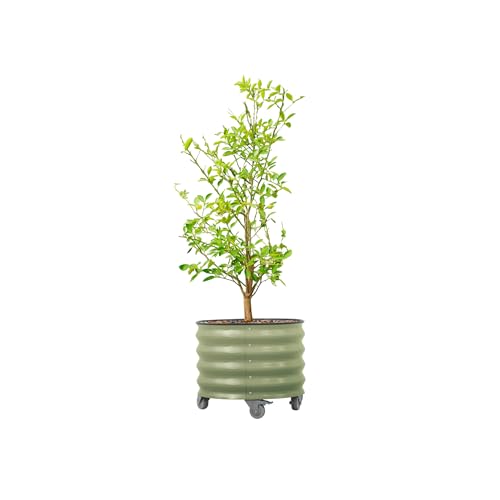
21-Inch 20-Gallon Olive-Green Rolling Metal Planter

Gen 3 30-Gallon Self-Watering Rolling Tree Planter
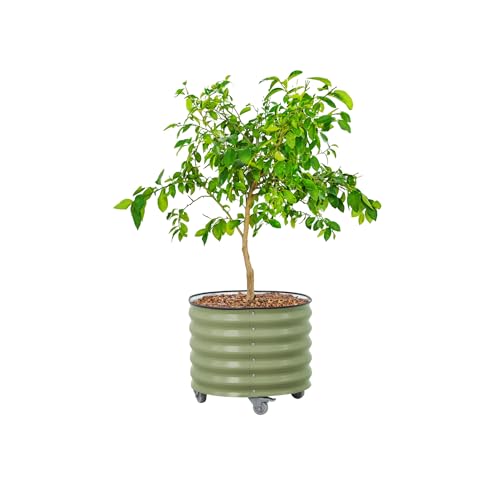
24-Inch 30-Gallon Olive-Green Rolling Metal Planter
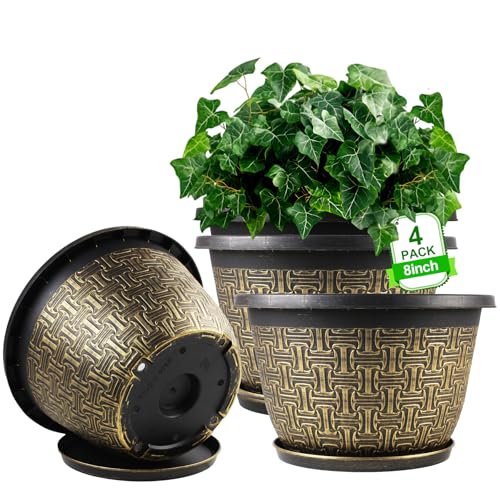
Nooulap 8-Inch Outdoor Plant Pots, 4-Pack

FCMP Outdoor Casablanca Self-Watering Planters, 2-Pack

TUYOHW 24-Inch Tall Tapered Planters with Trays, 2-Pack
Taking A Closer Look At The Options
The two-planter format makes this a practical way to build a coordinated display without making one oversized container the sole centerpiece. Each pot measures about 21 inches across and holds 20 gallons, enough room for a compact olive, citrus tree, tomato plant, or substantial mixed container.
Locking casters help reposition it across a patio or deck, especially before seasonal temperature changes. Compared with a stationary decorative pot, the metal frame and wheeled base make this design better for people who regularly rearrange plants or need a sturdier home for a tree.
What Pays Off
- Two matching containers create a balanced arrangement along a wall or patio edge.
- The 20-gallon capacity gives roots more soil than typical herb or flower pots.
- Locking wheels help hold the planters in position after moving.
- Drainage openings support more consistent outdoor watering.
Practical Considerations
- The approximately 21-inch width may consume more patio floor area than the two-pack price suggests.
- A filled wheeled pot is heavy, so threshold bumps can become awkward despite the casters.
Key Details
Built With In Mind
This pair suits small-patio gardeners who want matching rolling containers for citrus, olives, tomatoes, or ornamental shrubs.
Reach For A Different Pick When
The FCMP Outdoor Casablanca Self-Watering Planters are a better fit for decorative porch arrangements that do not require wheeled tree containers.
A single olive-green planter offers a simpler starting point for a small patio than the paired Vego Garden set. Its rounded-square profile uses about 21 by 17.5 inches, while the 20-gallon volume provides meaningful root space without moving into larger tree-planter territory.
The rolling base is the defining practical feature. That matters on a balcony or compact terrace, where a young lemon or olive tree may need protection from cold or changing sunlight. For one substantial plant, this container is more spatially disciplined than the two-pack.
Standout Benefits
- Locking wheels make seasonal repositioning less disruptive.
- Olive-green coloring blends naturally with foliage and rustic patio materials.
- Drainage holes help prevent water from collecting around roots.
- The steel frame suits plants that need more support than a lightweight decorative pot provides.
Worth Noting
- There is no built-in reservoir, so regular watering remains essential during hot weather.
- A mature tree plus wet soil can exceed the weight the casters handle comfortably, depending on local conditions.
Technical Highlights
Made For
This planter is well suited to apartment and terrace gardeners growing one citrus, olive, tomato, or ornamental plant.
Consider Something Else When
The Gen 3 30-Gallon Self-Watering Rolling Tree Planter suits travelers who want a water reservoir and gauge.
The Gen 3 design takes a different approach from the simpler metal planters: it adds controlled watering inside a 30-gallon container. A reservoir and wicking system move moisture toward the roots, reducing the daily attention required by a conventional open container.
A refill tube allows the reservoir to be serviced without substantially disturbing the tree, while the water gauge offers a visual indication of moisture conditions. For a lemon, fig, dwarf fruit tree, or olive, that convenience is meaningful, especially during warm spells or frequent travel.
Practical Advantages
- Self-watering reduces the frequency of manual irrigation.
- The 30-gallon volume provides room for deeper roots.
- Locking casters let a full planter follow changing light conditions.
- The fill tube and gauge simplify reservoir maintenance.
- Coated steel and stainless hardware suit repeated outdoor use.
Points To Note
- The 24-inch diameter makes this less compact than either 21-inch rolling model.
- The reservoir still needs inspection, since the gauge reduces guesswork without replacing judgment about drainage and soil moisture.
Quick Facts
The Right Fit
Frequent travelers and experienced patio-tree growers benefit most from the integrated watering controls.
Another Choice May Suit
The 24-Inch 30-Gallon Olive-Green Rolling Metal Planter is simpler for gardeners who prefer direct soil watering.
For a larger patio tree, this 30-gallon rolling planter trades compactness for a larger soil reserve. The 24-inch width and approximately 20.5-inch height give the root ball more room than the 21-inch models, which can reduce how quickly a young tree becomes constricted.
That extra capacity also means heavier wet soil, so the locking casters need smooth access from a door or garden path. I see this as a sensible single-tree container for patios with enough floor area for a mature-looking arrangement, not a cramped balcony solution.
Where It Excels
- The 30-gallon capacity supports more extensive root growth than smaller rolling pots.
- Locking casters make seasonal relocation practical on a level patio.
- Drainage openings promote water movement through the potting mix.
- The steel frame handles larger plants better than light decorative planters.
Trade Offs
- Its 24-inch footprint may overwhelm a genuinely small terrace.
- There is no self-watering reservoir, so attention to soil moisture remains necessary.
- Moving the planter across a raised threshold will require considerable effort.
Best Suited To
Patio owners with adequate floor space can use this for an olive, citrus tree, or substantial shrub.
Where A Sibling Pick Shines
The 21-Inch 20-Gallon Olive-Green Rolling Metal Planter is easier to incorporate into a tighter outdoor layout.
Four smaller pots make it easier to create color around a narrow patio without committing to several large containers. Each is approximately 8 inches, a more manageable size for herbs, flowers, orchids, succulents, and modest houseplants moved outdoors for warmer weather.
The antique-inspired styling adds detail where rolling tree pots feel visually industrial. Drainage openings keep water moving, while matching saucers help contain runoff. They are a good fit for renters who want several coordinated accents rather than one dominant tree.
What Makes Sense
- Four pots allow staggered displays along shelves, steps, or a railing.
- The 8-inch size suits herbs, compact flowers, and succulents better than a tree container.
- Matching saucers help manage water leaving the drainage holes.
- The decorative finish can stand alone without wheels or a metal frame.
Some Limits To Know
- The compact volume dries quickly for thirsty herbs during hot weather.
- Owners of large succulents should check the actual opening size and avoid retaining excess water in the saucers.
At A Glance
Who Will Love This
Beginner gardeners and balcony occupants benefit from the small size and four-piece arrangement.
Skip It When
The 24-Inch 30-Gallon Olive-Green Rolling Metal Planter is the stronger option for a patio tree.
The Casablanca pair is less utilitarian than a metal tree pot and more suited to framing an entrance. Its Moroccan-inspired quatrefoil relief gives a porch or deck a decorative focal point, and the matching set makes symmetrical placement straightforward.
Unlike the rolling options, this design does not prioritize weight reduction or mobility. It can accept a self-watering reservoir or serve as an outer vessel for another planter, so the planting arrangement can change with the season. I favor it for visual impact rather than relocating a mature tree.
What Helps Most
- The raised pattern adds texture without relying on a plain cylindrical finish.
- Two planters create a balanced doorway or porch composition.
- Reservoir compatibility supports lower-maintenance arrangements.
- The outer-vessel format offers flexibility for removable nursery pots.
Room For Improvement
- Its decorative construction is less suitable for frequent relocation.
- Using an inner pot requires checking clearance, drainage, and the reservoir arrangement carefully.
Whose Shelf It Belongs On
Style-conscious patio decorators benefit most from the traditional pattern and paired layout.
A Better Fit Elsewhere
The Vego Garden 21-Inch 20-Gallon Rolling Planter is better for a mobile citrus or olive tree.
Height gives a small patio visual structure. These 24-inch tapered planters can place foliage closer to eye level beside a door or bench, making them more architectural than the Nooulap 8-inch set and less mechanically industrial than the wheeled tree containers.
The black finish works particularly well for modern outdoor scenes, and the included trays help collect water that leaves the base. Both planters are intended for indoor or outdoor use, though actual weather tolerance depends on the listed material and local exposure.
A Few Highlights
- The tall profile frames doorways and creates a strong vertical accent.
- A pair provides symmetry for porch columns, steps, or a central entry.
- Included trays help keep runoff away from the surrounding surface.
- The tapered form suits modern interiors as well as patios.
Potential Drawbacks
- The 24-inch height consumes substantial vertical space under low eaves or overhangs.
- The tapered base limits what can pass through the opening below.
Feature Snapshot
Who Should Grab It
Modern decorators and porch occupants benefit most from the tall, clean-lined profile.
Not Your Match When
The Gen 3 30-Gallon Self-Watering Rolling Tree Planter better serves frequent travelers and larger plants.
Dimensions Matter More Than Decoration
A narrow patio rewards a careful measurement before any decorative container is chosen. Start with the mature width of the plant, leaving enough room for foliage to grow without blocking a doorway, and include clearance for handles, casters, saucers, or trays.
Capacity And Plant Type
Herbs, succulents, and compact flowers work in 8-inch pots, while a small citrus or olive tree generally needs a much larger soil volume. The 20-gallon rolling planters provide a middle ground, and the 30-gallon models suit longer-term growth at the cost of a wider footprint.
Drainage Matters
Drainage holes let excess water escape instead of remaining around roots. Saucers and trays can control where that water goes, though they still need occasional emptying so accumulated moisture does not create its own problems.
Portability And Weight
Rolling casters make seasonal movement easier, but wet soil turns even a modest container into a substantial load. Check the path for steps, sharp turns, and raised thresholds before committing to a large wheeled planter.
Materials And Placement
Metal frames suit demanding tree planters, while molded polyethylene and decorative finishes work well for lighter plants. Place every container where the mature plant can receive suitable light and where wind or heavy rain will not undermine the arrangement.
Avoiding Common Container Mistakes
The most frequent error is selecting a pot based entirely on appearance. I start with the mature plant, then match the container volume to the available floor area.
Mistakes Worth Dodging
Another common mistake is overlooking drainage or placing a heavy pot where it cannot be moved. Measure doorways and access routes as well as the final display location.
What The Higher Tier Buys
Higher-capacity tree planters add soil volume, stronger rolling bases, or integrated reservoirs. Those upgrades are worthwhile for mature plants, frequent travelers, and patios where daily watering is inconvenient, but decorative 8-inch pots remain sensible for modest plants.
Frequently Asked Questions
Are rolling planters better for a small patio?
Rolling planters are useful when plants need seasonal repositioning. The added capacity and weight still require enough floor space and a smooth access route.
What size planter suits a lemon tree?
A 20- to 30-gallon container provides a practical starting point for a compact lemon tree. Root growth, mature size, and local growing conditions also affect the final choice.
Do small patio planters need drainage holes?
Drainage holes help prevent excess water from remaining around roots. Saucers or trays can contain runoff, but they should not retain water indefinitely.
Are self-watering planters suitable for travel?
A self-watering reservoir can reduce watering frequency during short absences. The water gauge and reservoir still require periodic checks, especially in heat or wind.
Can decorative planters sit outdoors?
Pot material, drainage, and weather exposure determine outdoor suitability. Smaller plants dry faster, while larger containers need adequate soil volume and stable placement.
Closing Verdict
The best fit depends on the plant, available floor area, and willingness to water. Rolling metal pots serve compact trees well, self-watering models reduce routine care, and paired decorative planters work best for framing an entry. Measure first, choose drainage, and match capacity to the mature plant rather than the current nursery pot.
