
A camper’s nighttime routine runs on useful illumination, from finding gear under an awning to keeping steps visible after dark. I compare voltage, length, mounting methods, weather ratings, and lighting patterns to help campers choose a system that fits their RV, tent, trailer, or temporary campsite setup.
The Shortlist At A Glance

LLTOP RV Awning Light Blue 13FT

FIERYRED 12V Dimmable Awning Light White 4FT

Abrams 9-Inch 20W Waterproof Exterior Area Light

Thumok Clip-On Solar Lights 92 LEDs 600LM
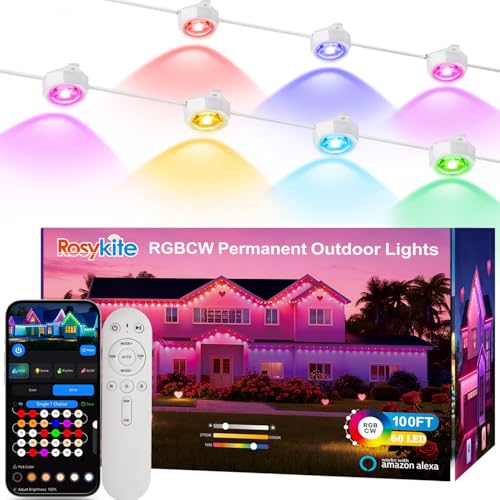
rosykite Permanent Outdoor Eave Lights 100ft RGB+IC

rosykite Permanent Outdoor Lights 200ft 144 RGB+IC

rosykite Smart RGB+IC Eave Lights 50ft IP67
The Picks, Examined More Closely
The LLTOP strip brings welcome color to a long RV awning, with 13 feet of blue illumination for cooking tables, gear areas, and campsite ambience. Compared with the shorter FIERYRED option, it suits a wider awning and places more emphasis on continuous coverage than dimming.
Its 12V power requirement fits the electrical language of many camper installations, though an appropriate connection and dimming arrangement must already be present. For a fixed RV setup, this appears more natural than for campers who need a temporary solar light.
Reasons It Performs
- 480 LEDs provide dense, even coverage across 13 feet.
- Blue output creates a noticeable accent around an awning or entry area.
- Over 120 lumens per watt targets efficient operation on 12V power.
- The silicone sleeve supports use around an exposed RV exterior.
Practical Considerations
- Fixed color suits accent lighting better than neutral task lighting.
- The silicone covering may collect dirt and need occasional wiping.
Key Specs
Who It Suits Best
This option fits RV owners with a fixed 12V connection who want colorful, continuous awning coverage.
Another Choice May Suit
Campers needing adjustable brightness and tool-free hook-and-loop placement will find the FIERYRED 12V Dimmable Awning Light White 4FT more flexible.
Four feet of white light keeps this choice close to the mounting point, which can be useful on a tent edge, compact canopy, tailgate, or caravan awning. Adjustable output gives it more practical range than the fixed blue LLTOP strip, especially for changing between cooking, walking, and low-key campsite lighting.
The built-in sail-track edge accepts an awning rail, while the included hook-and-loop strips provide a removable alternative. In my view, that combination makes the light most useful for setups that move or lack a permanent LED channel.
Notable Gains
- Dimmable output supports several nighttime lighting needs.
- White SMD 2835 chips provide general-purpose illumination.
- Sail-track and hook-and-loop mounting offer two attachment styles.
- The short length suits smaller awnings and temporary placements.
Small Caveats
- Four feet covers less area than longer strip options.
- Water resistance does not replace careful sealing around power connections.
- Hook-and-loop placement may need cleaning before reinstallation.
Quick Facts
The Right Fit
Compact rigs, tent campers, and travelers needing removable 12V task lighting will appreciate its short, dimmable format.
A Better Fit Elsewhere
Owners needing broader blue accent coverage will find the LLTOP RV Awning Light Blue 13FT more appropriate.
The Abrams fixture moves away from decorative strips and concentrates light through a 9-inch exterior area housing. It is a stronger fit for illuminating a trailer step, porch, work surface, or broader patch of ground around a camper, particularly where a bright white beam matters more than an RGB effect.
Its 9-32V range covers a useful portion of common vehicle electrical systems, although proper fusing, grounding, and mounting remain necessary. Compared with the clip-on solar option, this is a wired light for a more permanent installation.
Features That Help
- 2,000 lumens create a practical visibility area around steps and entries.
- A 20W output balances substantial illumination with a compact housing.
- The die-cast aluminum body suits exposed exterior placement.
- An anti-glare lens softens harsh glare from the light source.
Worth Noting
- Wiring requires more setup than a clip-on or track-mounted strip.
- A fixed white beam lacks the color and scene effects of smart lighting.
Technical Highlights
Built With In Mind
Travelers needing bright, fixed white illumination around steps, porches, or work areas will value this focused fixture.
Swap It Out When
Campers who need colorful, dimmable edge lighting will find the FIERYRED 12V Dimmable Awning Light White 4FT easier to integrate.
Two clamp-on solar lights give a temporary campsite a useful path or entrance glow without connecting to the camper’s electrical system. The 6000K output is crisp and neutral, and motion sensing can conserve stored solar energy by leaving the lights inactive until movement occurs nearby.
Unlike the long rosykite installations, this pair needs no extended eave run. It is less comprehensive than a wired area light, yet the adjustable stainless-steel clamp makes repositioning straightforward on supported surfaces.
The Helpful Details
- Solar charging removes the need for campsite wiring.
- Motion sensing supports unattended, temporary campsite lighting.
- The two-light package can define an entry or path.
- The adjustable clamp handles a broad range of thin and medium surfaces.
Possible Compromises
- Solar performance depends on available sunlight and the condition of the panel.
- The 0.2-2.44-inch clamp range may not fit thicker campsite furniture.
- Lens dirt can reduce output, so periodic cleaning matters.
Feature Snapshot
Who Will Love This
Temporary campers and tent travelers who value quick, tool-free placement will appreciate the solar clamp design.
Look Elsewhere When
Campers needing uninterrupted illumination while working will find the wired Abrams 9-Inch 20W Waterproof Exterior Area Light more dependable.
The 100-foot rosykite run is built for a fixed RV, cabin, or repeated campsite rather than a quick tent session. RGB+IC color control adds individually controlled effects, while tunable white can shift the same installation from practical evening illumination to a more decorative appearance.
That flexibility suits campsites with an eave, fascia, or another long mounting edge. Compared with the 200-foot model, this version is easier to manage on a medium-sized structure, but it still represents a more involved installation than a clip or hook-and-loop light.
Strong Points
- RGB+IC control supports detailed color patterns.
- Tunable white covers warmer and cooler everyday lighting.
- The 100-foot span fills a large eave without extreme length.
- App control supports convenient scene changes.
Where It May Fall Short
- A permanent installation takes more planning than temporary clamp lighting.
- Programmable effects serve ambience more than focused task lighting.
- App-based controls may be less useful to campers who prefer physical switches.
Made For
Seasonal travelers and fixed-site campers with long eaves will get the most use from its programmable span.
Where A Sibling Pick Shines
Owners covering a large building or expansive rig will find the rosykite Permanent Outdoor Lights 200ft 144 RGB+IC more useful.
At 200 feet, this system is built for a substantial RV, house, patio, or campsite perimeter. Its 144 individually addressable lights, meaning the color and brightness of each point can be controlled separately, provide finer patterns than a single-color strip, while music synchronization adds momentum to gatherings.
Warm-to-cool white keeps the installation relevant beyond decorative events. The trade-off is scale: a long run requires careful power planning and cable management, so the LLTOP option is easier for one awning.
Where It Helps
- The extended run covers multiple sides of a large campsite.
- Individual control creates gradients, rainbows, and other patterns.
- Tunable white supports daily lighting rather than festivals alone.
- Music synchronization adds visual interest to social gatherings.
Practical Considerations
- Long installations need careful routing, weather protection, and power access.
- Dynamic effects can be distracting on a quiet campsite.
Core Details
Best Suited To
Large-site owners and hosts who regularly create colorful outdoor displays will get the most from this span.
Another Choice May Suit
A single-RV installation will be simpler to manage with the rosykite Permanent Outdoor Eave Lights 100ft RGB+IC.
Fifty feet offers enough reach for a medium RV or compact eave without reaching the scale of the 100-foot and 200-foot rosykite systems. RGB+IC lighting, 63 preset scenes, and music synchronization make it well suited to seasonal displays, tailgate gatherings, and campsite celebrations.
The IP67 rating provides a useful level of outdoor protection for exposed installation, while app-based control makes repeated scene changes convenient. For neutral camp work, though, the Abrams fixture provides more focused visibility than this decorative run.
The Upside
- Sixty-three scenes simplify selection for holidays and gatherings.
- Music synchronization creates moving effects for social campsites.
- IP67 construction suits exposed outdoor placement.
- The 50-foot length is manageable for a medium-sized RV.
Details To Watch
- App dependence may frustrate campers who prefer manual controls.
- RGB illumination is less useful for close technical work.
- Connections and mounting points still need weather-conscious routing.
The Right Fit
Campers seeking festive color, scene presets, and moderate eave coverage will find the 50-foot scale practical.
Reach For A Different Pick When
Campers wanting a wired installation around steps or work areas will favor the Abrams 9-Inch 20W Waterproof Exterior Area Light.
Matching Lighting To The Camper Setup
Power type comes first. Battery-capable solar clamps offer quick temporary placement, while 12V strips and fixed fixtures depend on compatible wiring. For a permanent installation, I match the strip or lamp to the RV’s voltage range and plan cable routing before mounting.
Length And Coverage
A 13-foot strip can cover most of one awning edge, while a 4-foot light fits a compact canopy or tent. Fifty- and 100-foot systems suit medium and larger structures, but the 200-foot option needs more careful planning for long rigs and broad campsite perimeters.
Mounting And Maintenance
Sail tracks create a cleaner edge installation on compatible awnings. Hook-and-loop strips remain removable, though surface dirt should be cleaned before reattaching them. Clamps are convenient for fences, decks, gutters, and railings, while fixed eave systems require more planning but suit repeated use.
Color Versus Task Lighting
RGB+IC lighting provides programmable color and animated effects, making it useful for campsites with an entertainment focus. White or dimmable output handles cooking, walking, and gear tasks more effectively. A vehicle-rated fixture is the stronger choice for broad illumination around steps and porches.
Smart Setup Details Worth Checking
Wrong Turns To Avoid
A strip’s length does not tell the whole electrical story. Confirm 12V compatibility, check the power supply, and inspect connection points before installation. Choosing a decorative RGB system for food preparation or close mechanical work can also disappoint after dark.
The Upgrade Payoff
Higher-tier systems add individually controlled colors, preset scenes, extended coverage, or stronger fixed-light output. The extra capability matters most for frequent entertainers and large installations, while a compact task light remains the more efficient choice for simpler camp routines.
Frequently Asked Questions
Do camper LED strips connect directly to RV power?
Many use 12V power, but the existing wiring, connections, and intended brightness must be checked first. A compatible power supply and sound electrical routing are important.
Which length suits a standard RV awning?
A 4-foot strip suits a small canopy, while 13 feet better follows a longer awning edge. Measure the mounting area before choosing a larger programmable run.
Are waterproof strips suitable for rainy campsites?
A suitable weather rating helps, but sealed connections and protected power supplies still matter. Cleaning the lens and checking the sleeve or housing also supports consistent performance.
Can solar lights illuminate a tent entrance?
Yes, two clamp lights can create a localized entrance or path glow. Solar charging depends on available sunlight, and the clamp must fit the chosen surface.
Are RGB strips better than white lights?
RGB+IC models suit festive and animated effects. White or dimmable lights are more practical for cooking, walking, and locating gear.
Closing Remarks
The right choice depends on whether the priority is long awning coverage, focused task lighting, temporary solar placement, or programmable color. I favor compact wired strips for simple camps, bright area fixtures for steps, and smart permanent runs for large sites. Matching output, power, and mounting needs keeps the installation useful after the first evening ends.
