
Renovation power needs rarely stay within reach of a single wall outlet. Extension cords run beneath worktables, around wet renovation zones, and through garage doors, so cable length, outlet spacing, and weather resistance matter as much as the tool count. I compare compact two-packs, long single outlets, and weatherproof power strips for homeowners handling patios, gardens, workshops, and general property repairs.
The Choices Worth Comparing

K KASONIC 46FT Green Outdoor Extension Cord
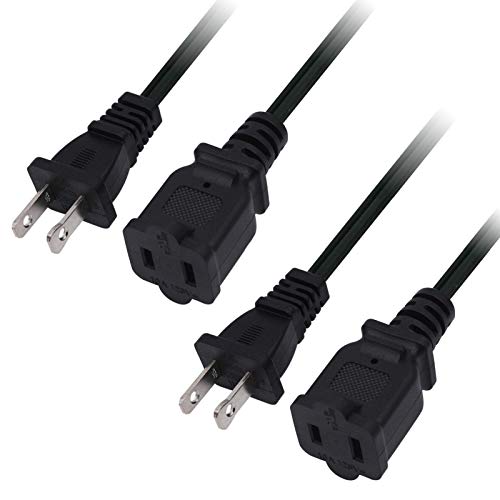
Yeatel 10FT Black Extension Cord 2-Pack

ZZJ 6FT Waterproof Power Strip 4 Outlets

ZZJ 10FT Waterproof Power Strip 4 Outlets

ZZJ 5FT Waterproof Power Strip 3 Outlets

ZZJ 10FT Waterproof Power Strip 6 AC 4 USB

ZZJ 6FT Waterproof Power Strip 6 AC 4 USB
Meet The Standout Selections
The 46-foot reach sets this apart from the compact options later in the list. A green 16AWG cable can run from an indoor outlet toward exterior lights, yard equipment, or a temporary work area, while the multi-outlet end reduces the need for several separate runs.
Its four-outlet configuration appears better suited to seasonal lighting than the two-outlet Yeatel cord. I consider the listed 1,625W capacity and protective outlet covers important for decorating a frontage, but the reach may be excessive for a small patio or workshop.
A Few Strong Suits
- The 46-foot length covers broad yards and exterior work zones.
- Four outlets support multiple holiday-light runs from one feed.
- Protective covers help shield connection points during seasonal use.
- The green finish blends more readily with outdoor landscaping than black cable.
Things To Consider
- Its size adds coil weight and takes more storage room than a 5- or 6-foot strip.
- Long runs should be routed securely to avoid pinching, moisture exposure, and trip hazards.
Key Specs
Made For
This cable fits homeowners installing extensive holiday displays or powering several exterior devices beyond a short extension reach.
Another Choice May Suit
ZZJ 6FT Waterproof Power Strip 4 Outlets better serves compact patios where cable length matters less than weather-resistant outlet access.
Two separate 10-foot cords offer more flexibility than carrying a powered multi-outlet block around a garage. The all-copper 18AWG construction uses two conductors, making each cable a simple male-to-female link between a wall receptacle and one attached device.
That simplicity makes this pair useful for lamps, holiday strands, and lightweight renovation equipment. Compared with K KASONIC’s four-outlet cable, it offers far less device capacity, though the listed 10A and 125V ratings set a clearer limit for heavier tools.
Real Benefits
- Two cords provide separate routes for equipment in different work areas.
- The 10-foot length reaches many benches, garage corners, and wall outlets.
- A two-wire, two-prong format works with standard 15-amp wall receptacles.
- Compact cables store more easily than a long outlet splitter.
Small Caveats
- Each cable has only one receptacle, limiting simultaneous connections.
- Owners should keep connectors dry and inspect the insulation after repeated outdoor use.
- The 18AWG rating is more restrained than the 16AWG cables in items 1 and 6.
Right Fit
This pair fits beginner renovators and holiday decorators running one light-duty device at a time.
Consider Something Else When
ZZJ 10FT Waterproof Power Strip 4 Outlets offers a better fit for teams needing one feed with several weather-resistant receptacles.
A six-foot lead and four AC receptacles make this a practical middle ground between the Yeatel two-pack and K KASONIC’s long splitter. The housing is designed for outdoor areas exposed to rain and splashing, which matters around patios, garages, and garden equipment.
The stated IPX6 rating concerns resistance to powerful water jets rather than full submersion. Drainage openings help clear trapped water, although I would still avoid leaving connected equipment in a low, continuously wet area.
A Favorable Mix
- Four outlets consolidate a small collection of outdoor devices.
- The six-foot cable reaches nearby work surfaces without excess slack.
- IPX6 water resistance targets exposed renovation and garden zones.
- Drainage holes help prevent collected water from remaining inside the housing.
Practical Considerations
- Weather resistance does not make the strip suitable for immersion or deliberate flooding.
- Openings need occasional rinsing and debris checks during dusty workshop use.
Built With In Mind
This model serves homeowners centralizing several moderate loads near a patio wall, garage entrance, or garden workbench.
A Better Fit Elsewhere
K KASONIC 46FT Green Outdoor Extension Cord fits seasonal displays that extend across a much larger frontage or lawn.
The added four feet changes ZZJ’s outdoor strip from a nearby connection into a more useful work-zone feed. I can see it serving a garden repair setup where the nearest receptacle sits across a lawn, a deck edge, or an open section of a driveway.
It retains the same four-outlet and IPX6 design as the 6-foot version, but those extra feet reduce reach constraints. The trade-off is a larger coil to route, dry, and store, so a compact bench setup may gain little from it.
Where It Delivers
- Ten feet of reach suits outdoor outlets positioned away from the work zone.
- Four AC outlets support yard tools and extension leads together.
- IPX6 housing construction adds resilience around rain and splashes.
- Drainage details support routine outdoor drying after wet conditions.
Points To Note
- The extra cable can become a trip or snagging hazard across busy walkways.
- It lacks the USB charging ports found in the ZZJ 10-in-1 versions.
Feature Snapshot
Who It Suits Best
This strip fits garden renovators and weekend repair crews that need moderate reach with several tool connections.
Swap It Out When
ZZJ 5FT Waterproof Power Strip 3 Outlets is more manageable for a small bench where three devices already exceed available receptacle space.
Three receptacles and a five-foot lead keep this option focused on small work areas. Its 5.9-by-1.97-by-1.7-inch enclosure is easy to place beneath a bench, making it more practical than the larger ZZJ strips for compact mobile setups.
The socket design calls for full plug insertion before power reaches the receptacle, which encourages a firm connection. The transparent housing also reveals internal construction, although exposed visibility can collect fingerprints and workshop dust.
Notable Upsides
- The compact enclosure fits beneath workbenches and in small storage areas.
- Three outlets cover common hand-tool and accessory combinations.
- Full-insertion sockets reduce accidental contact with unused receptacles.
- Standard American plug compatibility simplifies replacement cable use.
Minor Gripes
- Three outlets may be restrictive for a multi-person renovation crew.
- The transparent casing needs regular wiping to stay clear in dusty spaces.
- Five feet provides little tolerance for distant wall outlets.
Made For
This power strip fits solo hobbyists building a compact garage or dorm-style temporary workstation.
Reach For A Different Pick When
ZZJ 10FT Waterproof Power Strip 4 Outlets better serves open patios where distance and weather exposure affect the connection.
Ten connections turn this into a shared charging and tool hub rather than a simple extension. Six AC outlets handle renovation equipment, while two USB-C and two USB-A ports reduce the number of wall adapters needed for phones, tablets, and other compatible devices.
Unlike the lighter ZZJ 5-foot option, this strip uses 16AWG cable and places outlets across two widths. The two-roomier receptacles sit 2.16 inches apart, while four narrower positions use 1.65-inch spacing, helping bulky plugs share the strip.
Reasons It Performs
- Six AC receptacles support several tools or extension leads in one area.
- USB-C and USB-A ports consolidate everyday device charging.
- Wide outlet spacing reduces interference between larger plug housings.
- The 16AWG lead provides a sturdier starting point than the 18AWG Yeatel cable.
- Ten feet reaches across most benches and moderate-sized patios.
Where It May Fall Short
- The 848-gram body and long lead require deliberate storage and routing.
- Shared USB output means several connected devices can reduce available charging power.
Technical Highlights
Who Should Grab It
This model suits active renovators managing both powered tools and mobile devices from one outdoor station.
Not Your Match When
ZZJ 5FT Waterproof Power Strip 3 Outlets fits small workbenches where cable bulk and unused ports would work against the layout.
The shorter lead makes this ten-port strip easier to contain around a patio table, garage workbench, or project zone already near a wall. Its six AC outlets handle standard two-prong and three-prong plugs, while the USB ports consolidate charging for compatible mobile devices.
A circuit breaker is listed to interrupt power above 1,625W or 13A, and the ABS-and-PC enclosure is described as heat resistant to 1,382°F. These details distinguish it from simpler splitters, though the 719-gram unit still needs stable placement and careful cable routing.
The Case For It
- Six AC outlets create a centralized renovation power point.
- Four USB ports support mixed charging without separate wall blocks.
- The on-and-off control allows the connected group to be shut down together.
- A listed circuit breaker adds a defined response to excessive connected load.
Some Limits To Know
- The six-foot lead is less useful across larger patios or distant work areas.
- USB output is shared, so charging speed depends on the number of devices connected.
- The enclosure should be kept stable and unobstructed during operation.
Core Details
Perfect Match For
This strip fits patio renovators and mobile repair teams that favor many connections over long reach.
Look Elsewhere When
ZZJ 10FT Waterproof Power Strip 6 AC 4 USB better fits a layout where the wall receptacle sits well beyond six feet from the equipment.
Choosing Cord Length and Load Capacity First
Cable length should match the work zone without leaving excess cord across walkways. A 5- or 6-foot strip suits a nearby bench, while a 10-foot lead reaches farther into a garden or driveway. The 46-foot K KASONIC cable serves broad exterior runs, although its bulk makes routing more involved.
Wire gauge also matters. AWG, or American wire gauge, describes cable thickness; a lower number generally indicates a heavier conductor. The 18AWG Yeatel pair is suited to lighter duties, while the 16AWG cables in items 1 and 6 offer a more substantial starting point for demanding equipment.
Matching Receptacle Count
Count the actual devices before choosing a multi-outlet strip. Three receptacles may suit a solo technician, while six accommodate a larger crew and attached leads. Plug dimensions also matter because tightly spaced outlets can prevent bulky housings from sitting together comfortably.
Checking Outdoor Construction
IPX6 denotes resistance to powerful water jets, not immersion. A weather-resistant housing helps around rain and splashing, although I keep connections above standing water and clean drainage paths after dusty work. A removable power strip also stores more cleanly than a permanently routed cable.
What Matters Across These Picks
Mistakes Worth Dodging
The common mistake is choosing length before listing connected loads. A compact cord with too little capacity can become an unnecessary bottleneck, while an oversized cable creates storage and snagging problems. Another error is treating a weather-resistant enclosure as permission to leave equipment submerged or exposed during severe weather.
Where The Extra Utility Goes
The ten-port ZZJ strips add value through USB charging, wider outlet spacing, and shared control rather than cord length alone. That makes them worthwhile for active outdoor work zones where many devices need one connection point. A simple four-outlet strip remains more efficient for a limited collection of tools.
Frequently Asked Questions
Which extension cord length suits a garage?
A 10-foot lead handles many benches and garage walls. Longer cable helps when receptacles sit far from the project, but routing and storage become less convenient.
Are weather-resistant strips safe for rain?
Their housings resist splashing and water jets, but standing water and submersion remain unsuitable. I keep connected equipment dry and inspect the enclosure after wet use.
How many outlets support renovation equipment?
Three outlets may suit one person, while six provide room for multiple tools and extension leads. Every connected load must remain within the cord’s stated electrical limits.
Is 16AWG preferable to 18AWG?
The heavier 16AWG conductor is generally better suited to demanding equipment and longer work runs. An 18AWG cord remains practical for lighter loads and shorter distances.
Should outdoor cords remain connected permanently?
Continuous connection increases exposure and storage wear. Disconnecting, drying, and inspecting the cord after each project helps preserve outlet access and cable condition.
Final Verdict
I favor the K KASONIC 46FT cord for large exterior lighting runs, the Yeatel pair for simple light-duty reach, and the ZZJ strips for concentrated outdoor power. The 10-foot, 6-in-1 model stands out for combined tool and charging needs, while its 6-foot counterpart suits tighter layouts. Proper load limits, dry connections, and deliberate cable routing matter more than any headline feature.
