
Cordless lawn care removes fuel storage, engine starting, and much of the noise associated with gasoline mowing, but the right deck size and power level still depend on your lawn. Homeowners with large, uneven yards need self-propulsion and strong grass handling, while compact gardens call for maneuverability and simple storage. These six options cover everything from a 14-inch push mower to a modular robotic system.
The Essentials At A Glance

EGO LM2114SP 21-inch Self-Propelled Mower

Worx WG752 40V 21-inch 3-in-1 Mower
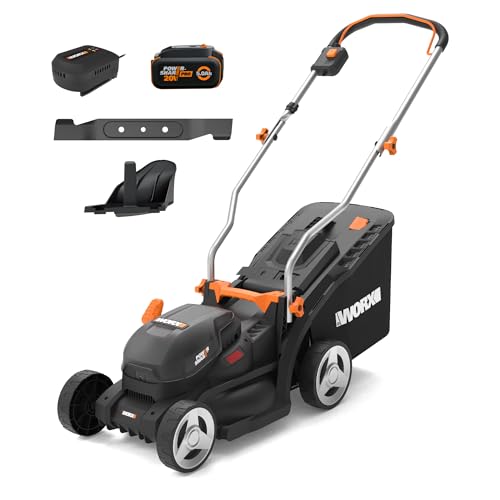
Worx WG733.1 20V 14-inch 2-in-1 Mower
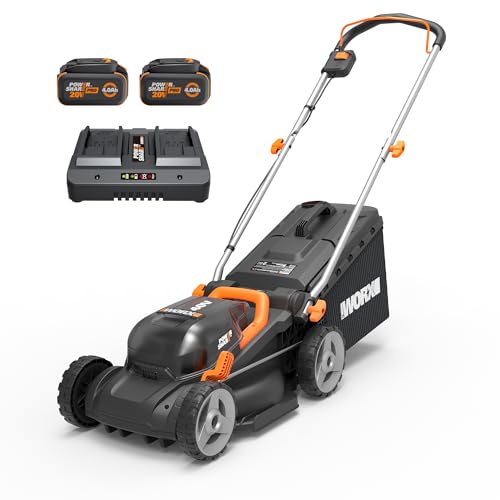
Worx WG735 40V 14-inch 2-in-1 Mower

YARBO Robot Lawn Mower and Leaf Blower
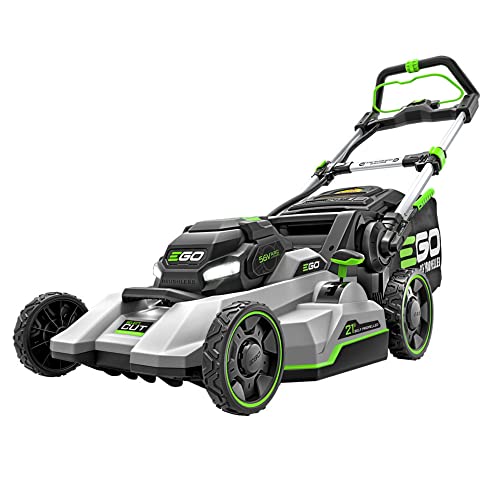
EGO LM2130SP 21-inch Select Cut Mower
The Details Behind The Selections
Weekly mowing on a medium or large lawn is where the LM2114SP’s self-propelled drive earns its place. Dual control levers let you activate the mower with either hand, while the speed dial helps match walking pace to grass density and slope. Compared with the push-style Worx models later in this list, it suits longer sessions with less physical pushing.
Its 21-inch cutting deck offers a useful balance between wide coverage and manageable storage. The stated 6.0 foot-pounds of cutting torque targets dense grass, though your actual pace will still depend on lawn growth and terrain. For most suburban homeowners, that combination feels purposeful rather than oversized.
What It Does Well
- Dual self-propulsion controls improve access around obstacles.
- Six foot-pounds of torque supports thick, frequently regrown grass.
- Speed adjustment helps you manage slopes without rushing.
- The brushless motor reduces mechanical wear compared with a brushed motor.
Points To Note
- The larger deck needs more turning room than a 14-inch model.
- Owners still need to clear the deck regularly and keep the battery dry during storage.
Core Details
Made For Larger Lots
You benefit most with a medium or large lawn, sloped terrain, and recurring mowing where self-propulsion reduces fatigue.
Another Choice May Suit
The Worx WG733.1 20V 14-inch 2-in-1 Mower is easier to maneuver on a small, obstacle-filled garden.
The WG752 is built for suburban lawns approaching half an acre, with a 21-inch deck that provides reasonable coverage without moving into robotic complexity. Unlike the self-propelled EGO LM2114SP, you provide the forward motion, which can make the mower simpler to stop precisely around flower beds.
Its 3-in-1 layout broadens the discharge options, while aerodeck technology moves air through the cutting deck to support efficient clipping processing. The trade-off is manual propulsion, so overgrown grass or a long, sloped property requires patience. Dense, frequently cut lawns remain its stronger scenario.
Noteworthy Benefits
- Half-acre capacity targets a useful middle-ground lawn size.
- Multiple clipping options suit different weekly routines.
- Aerodeck airflow supports more consistent grass handling.
- The 40V platform avoids fuel storage and routine engine servicing.
Trade Offs To Consider
- Manual pushing becomes tiring on long sessions or pronounced slopes.
- Switching configurations adds steps compared with a dedicated mulcher.
- Underside cleaning is necessary because collected debris can compact beneath the deck.
Feature Snapshot
Right Fit For Suburban Lawns
You get the most from this mower on a maintained half-acre lawn with moderate slopes and frequent clippings.
Where A Sibling Pick Shines
The EGO LM2114SP 21-inch Self-Propelled Mower handles longer mowing sessions and denser growth with less physical effort.
Small lawns reward maneuverability more than raw cutting width, and the WG733.1 concentrates that strength into a compact 14-inch deck. Its low weight makes direction changes easier around trees, garden borders, and narrow paths. That maneuverability is considerably more useful than maximum coverage on a confined city yard.
The included 20V 5.0Ah battery covers up to 3,200 square feet per charge, according to the manufacturer. A brushless motor, meaning a motor whose brushes are not exposed to mechanical contact, supports efficient operation. You still provide propulsion, so very thick growth will move more slowly than it does with the larger models.
The Case For It
- The compact deck fits easily through gates and tight garden paths.
- Lightweight construction reduces pushing effort during short sessions.
- Two operating configurations add flexibility for a small yard.
- The included battery reduces the need for a separate platform purchase.
Small Caveats
- A 14-inch deck requires more passes than either 21-inch model.
- The stated yard capacity ends well below a half-acre property.
- Tall grass and weeds require slower passes to maintain a consistent cut.
Built With Small Gardens In Mind
You benefit most with a small lawn, frequent obstacles, and storage space where a full-size mower is inconvenient.
Consider Something Else When
The Worx WG752 40V 21-inch 3-in-1 Mower covers broader suburban lawns with fewer passes.
The WG735 occupies a useful middle ground between the WG733.1 and larger 21-inch options. Its compact 14-inch deck remains easy to steer, but the stated one-eighth-acre capacity targets lawns beyond the very smallest plots. That makes it a practical fit for a regular yard with several trees or other boundaries.
IntelliCut technology adjusts motor torque as grass conditions change, helping maintain cutting effort through varying growth. A brushless motor and an included 20V 4.0Ah battery complete the core package. You still push the deck, so sloping ground can limit comfort even though the mower itself is light.
A Few Highlights
- Adaptive torque supports changing grass thickness.
- Compact dimensions simplify storage and cornering.
- Two-in-one operation reduces the need for separate small-yard equipment.
- The stated charge capacity suits yards up to one-eighth acre.
Practical Considerations
- Manual propulsion takes effort on long properties and steep areas.
- The 14-inch deck creates more overlap turns in wider open spaces.
- Deck buildup should be cleared periodically to preserve airflow and cutting performance.
Quick Facts
Made For Medium-Sized Yards
You benefit most with a yard up to one-eighth acre, moderate terrain, and a preference for compact storage.
Reach For A Different Pick When
The Worx WG752 40V 21-inch 3-in-1 Mower is the better fit for a broad, relatively open half-acre lawn.
Automated mowing changes the routine substantially, particularly on a large property where walking behind a mower takes time. The YARBO system is specified for lawns up to 6.2 acres, with tracked equipment and obstacle detection supporting uneven or sloped ground. That scale is far beyond the walk-behind models listed here.
The modular approach also includes a leaf-blower module, letting the same base system handle another seasonal task. Snow-blower modules are separate, so plan the purchase around the functions you actually need. Compared with the compact WG733.1, this is a different category: setup, mapping, and boundary management matter more than manual steering.
A Few Strong Suits
- Remote mowing reduces repeated passes across large grounds.
- Tracked movement supports slopes specified up to 70 percent.
- Obstacle detection helps navigate the lawn without constant steering.
- The interchangeable leaf module extends seasonal utility.
Where It May Fall Short
- It requires sufficient space and careful initial boundary setup.
- Additional modules are not part of every configuration.
- Owners still need to clear lawn obstacles and maintain the tracked underside.
Who Will Love This
You benefit most with a large property, complex terrain, and limited interest in a weekly walk-behind mowing routine.
Not Your Match When
The Worx WG733.1 20V 14-inch 2-in-1 Mower is simpler and more practical for a small garden.
Clipping management sets the LM2130SP apart from simpler compact mowers. Its Select Cut system accepts interchangeable lower blades for either mulching or bagging, giving you a more useful choice during changing grass conditions. The 21-inch deck also makes this a practical option for a medium or large residential lawn.
Touch Drive provides self-propulsion with a separate control bar, while self-propulsion reduces the effort of forward travel. Battery and charger are not included, so your existing EGO-compatible setup or separate purchase affects the complete cost. For an established EGO platform owner, that can be the deciding convenience.
Bright Spots
- Interchangeable lower blades support two distinct clipping routines.
- Self-propulsion lowers pushing effort on regular mowing days.
- The 21-inch deck balances coverage and maneuverability.
Worth Bearing In Mind
- Battery and charger require separate ownership or purchase.
- Blade changes add a maintenance task for frequent operators.
- Bagged mowing needs regular emptying during thick growth.
Built For Changing Clipping Needs
You benefit most with a medium lawn, self-propelled convenience, and separate routines for mulching and collection.
A Better Fit Elsewhere
The EGO LM2114SP 21-inch Self-Propelled Mower is more suitable for a complete kit without sourcing power equipment separately.
What Matters Before You Choose
Deck Width And Lawn Size
A wider deck covers more ground per pass, but it also makes turning and storage less convenient. The 21-inch EGO models suit broader residential lawns, while the 14-inch Worx choices focus on maneuverability in smaller or more confined spaces.
Propulsion And Terrain
Self-propulsion reduces fatigue but adds mechanical and control complexity. Manual push mowers remain easier to stop and redirect, though slopes and thick grass can make them more demanding. Robot mowers remove weekly walking but require careful boundary preparation and adequate space.
Clipping And Maintenance
Mulching returns grass clippings to the lawn, while bagging collects material for disposal or composting. Deck underside cleaning is routine across conventional mowers, and tracked robotic equipment also benefits from regular inspection. Compare included batteries and chargers carefully before deciding on a complete setup.
Two Details That Shape Your Decision
Mistakes Worth Dodging
Choosing by deck width alone can leave storage and turning space out of the equation. Match the mower to your actual lawn, not merely its largest dimension, and account for slopes, gates, trees, and the amount of weekly mowing time you want to manage.
What Separates Premium From Basic
Higher-end options commonly add self-propulsion, adaptive torque, interchangeable blades, or automated operation. Those features matter for large lawns, uneven terrain, changing clipping needs, or users who want less physical effort each week.
