
A lawn that feels hard underfoot often resists water, fertilizer, and reseeding. Manual aerators help you open small problem areas around patios, paths, and compact lawn sections without bringing in powered equipment, but choosing the right shape depends on how much ground you need to cover. You’ll find step-on tools suited to precise work, rolling models better for open lawns, and tow-behind equipment made for larger yards.
An Overview Of The Picks

PPZ Manual Core Aerator with 3 Hollow Tines

Hubiiett 24-Inch Rolling Lawn Aerator

Sakerplus Hand Metal Spike Aerator

Sakerplus Spike Aerator with Self-Cleaning Tines
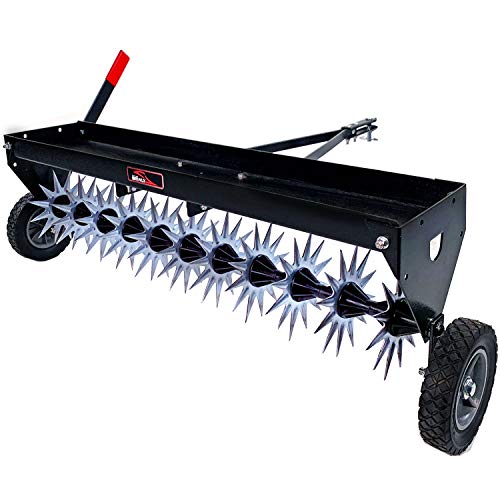
Brinly SAT2-40BH-P 40-Inch Tow-Behind Spike Aerator
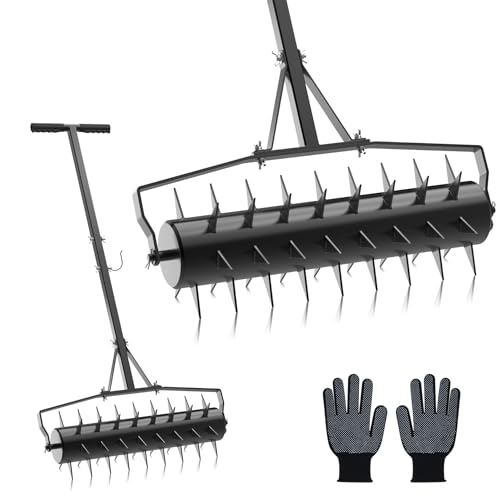
Seeutek 23-Inch Rolling Lawn Aerator
The Picks, Examined More Closely
You gain control over isolated compacted patches with three open-sided hollow tines that remove small soil cores. The format suits narrow lawn edges beside a patio, where a rolling aerator would be awkward.
Moist soil gives you the cleaner placement expected from a core aerator, especially along a path where grass receives heavy foot traffic. Compared with the broader rolling models later in this list, this is a focused repair tool rather than a full-yard pass.
Positive Points
- The three-tine layout keeps treatment precise around paving and planting beds.
- Open-sided cores make the tool more practical than a solid spike for targeted soil removal.
- Its manual scale suits occasional maintenance without a large setup.
Practical Considerations
- Properly moistened ground improves insertion and reduces the force required from you.
- Repeated passes mean more personal effort than a 24-inch rolling aerator.
Feature Snapshot
Who It Suits Best
This model fits you well when you need to repair small compacted strips beside a patio or frequently used path.
Where Another Pick Shines
Choose the Hubiiett 24-Inch Rolling Lawn Aerator instead when you need to cover a wider lawn with fewer passes.
A 24-inch roller lets you aerate a broader lawn without managing a step-on tool one puncture at a time. The 42-spike configuration spreads the work across the drum, making this a practical choice for small to medium yards.
You gain more leverage as the drum rolls, though dense soil can still slow you down. The adjustable weight shown in the source reaches 70 pounds, giving you options for firmer ground; the honest read is that those heavier settings call for control near paving.
Where It Excels
- The rolling format covers more lawn per pass than the three-tine PPZ model.
- Forty-two spikes create repeated openings as you move across compacted areas.
- Adjustable weight helps you tune the pressure for different soil conditions.
Things To Weigh
- A full drum can become awkward to turn in confined patio-side spaces.
- Spikes can collect grass and soil, so cleaning the drum after use keeps it operating cleanly.
Quick Facts
The Right Fit
You’ll appreciate this model most on an open lawn with broad compacted patches and room to roll in straight passes.
A Better Fit Elsewhere
The PPZ Manual Core Aerator is easier to control in narrow areas bordering patios and garden steps.
Thickened iron gives you a more substantial step-on tool for compact patches, while the rust-resistant coating helps protect the metal during routine outdoor storage. Screw-secured pedal connections also make the structure easier to inspect for looseness.
You’ll feel the difference most in firm ground where a lightweight spike may skate across the surface. Unlike the rolling Hubiiett, this model lets you concentrate on one small zone at a time, which suits edges beside patios and storage buildings.
Key Advantages
- The reinforced iron frame suits users who need more support under foot pressure.
- A coated surface helps reduce visible corrosion during normal lawn-care exposure.
- Manual placement gives you accurate control around fixtures and planting areas.
Honest Caveats
- One placement at a time makes full-lawn aeration more labor-intensive for you.
- You should dry the spikes after use and check the pedal connections periodically to limit surface wear.
Core Details
Built With In Mind
This aerator suits gardeners working concentrated, hard-packed lawn patches where durability matters more than wide coverage.
Another Choice May Suit
You may prefer the Brinly SAT2-40BH-P for an open property that requires repeated passes across a much larger lawn.
The spring-loaded platform resets after each step, reducing the repeated bending and pulling associated with a basic manual aerator. That makes this design appealing during seasonal maintenance when your back and knees already have enough work.
Self-cleaning tines are the other practical benefit, since debris can be released as the mechanism moves rather than accumulating around the spikes. For most patio-adjacent lawns, though, the tool still works best in a defined patch rather than across a broad property.
Where It Helps
- Automatic return removes much of the lifting motion from each placement.
- Self-cleaning tines reduce time spent scraping packed material from the tool.
- The walking motion supports steadier passes across moderately sized lawn areas.
- A double-layer platform keeps the stepping action compact underfoot.
Small Caveats
- The spring mechanism needs clean, dry contact points to move smoothly.
- Very hard ground can still demand more body weight than a weighted rolling model.
- Each puncture remains small, so this isn’t the broad core-removal approach offered by the PPZ.
Who Will Love This
You’ll appreciate the automatic reset during repeated maintenance around moderately sized lawn sections.
Look Elsewhere When
The Hubiiett 24-Inch Rolling Lawn Aerator covers wider open lawns with fewer forward passes.
A 40-inch tow-behind aerator changes the scale of the job by working from a lawn tractor or compatible tow vehicle. Eleven galvanized steel stars carry 132 three-dimensional tines each, producing a dense puncture pattern across the full width.
The spikes reach as deep as 2 inches, while the three-dimensional shape provides greater structural support than flat tines. For you, transport wheels also matter during setup because the empty unit is far easier to move around a garage entrance or driveway.
A Favorable Mix
- The 40-inch width reduces the number of passes required across larger lawns.
- Eleven rotating stars distribute puncture work evenly behind the tow vehicle.
- Galvanized steel supports outdoor durability in a frequently wet lawn environment.
- Transport wheels simplify movement before you attach and position the unit.
- The 2-inch penetration reaches deeper than many small manual spike tools.
Possible Compromises
- You need a suitable towing setup and clear turning room for a 40-inch implement.
- Transport wheels are useful during setup, not an alternative to towing across uneven ground.
Made For
This model fits properties where you aerate regularly and need wide passes rather than isolated foot-level work.
Reach For A Different Pick When
The Seeutek 23-Inch Rolling Lawn Aerator is the more manageable choice for a smaller lawn without tow equipment.
You can roll this 23-inch aerator through an open lawn without the repeated vertical lifting of a step-on model. A padded T-bar gives the handle a more comfortable contact point, while the rolling shape keeps your hands involved in steering rather than extracting cores.
Three height settings let you adjust the spike position to suit changing ground conditions. The side fill opening accepts water or sand, giving you a way to adjust mass and penetration without adding a separate load block, though the practical limit remains lawn access.
Useful Strengths
- Three height settings help you adapt the roller to different passes across the lawn.
- The padded T-bar improves hand comfort during longer rolling sessions.
- A side filling port accepts water or sand to vary pressure for your soil.
- Two-inch star-shaped spikes create a wider working pattern than narrow spikes.
- Laser-welded assembly reduces the need for extensive setup.
Details To Watch
- Water or sand adds weight that may make the drum harder to turn on soft ground.
- You should empty added material before storage to prevent moisture and residue problems.
Technical Highlights
The Right Fit
You’ll find this rolling design useful on a medium lawn where adjustable pressure and comfortable steering matter.
Where A Sibling Pick Shines
The Hubiiett 24-Inch Rolling Lawn Aerator offers more spike coverage when your lawn demands a wider pass.
Choosing Aerators For Compact Lawn Areas
Match The Tool To The Job
You need a step-on core aerator for precise patches and a spike aerator for perforation when the priority is loosening a large lawn. Rolling models suit longer passes, while tow-behind equipment belongs on larger properties with compatible towing machinery.
A spike opens narrow holes in the ground; a core aerator removes small plugs. That distinction matters beside a patio because you can treat a worn entry strip without disturbing the entire surrounding lawn.
Check Access And Soil Moisture
You’ll get better penetration from properly moist soil, which reduces the force needed to push spikes into the ground. Extremely wet soil may clog rolling equipment, though dry, hard ground can increase resistance and make a weighted model more demanding.
The narrowest patio approaches favor a compact step-on tool. Open lawn sections favor a wider roller, and turns near beds or steps can be easier with a short manual drum.
Consider Ongoing Storage
You should clean away clinging soil and grass before storing any tool for a prolonged period. Check screw-secured pedal joints on step-on models, keep spring mechanisms dry, and empty water or sand from fillable rollers.
Hammers and wrenches should not be assumed to come with the equipment. Verify the assembly method and included accessories on the product page before relying on basic hand tools for installation.
Working Smarter With Manual Lawn Aerators
Mistakes Worth Dodging
Choosing by spike count alone can distract you from width, handle position, and soil conditions. You can also underestimate storage and turning space by focusing only on lawn coverage, especially around patios, trees, and garden paths.
A spike aerator punctures soil, while a core aerator removes plugs, so choosing the wrong mechanism may not match your lawn plan. Check dimensions before buying, and avoid adding more weight until a lighter setting proves inadequate.
What The Upgrade Payoff Means
Rolling and tow-behind models cost more to build because they distribute spikes across wider frames and larger drums. The added coverage matters when you have an open lawn, while a spring-return step tool can provide a better ergonomic payoff for repeated small-area work.
A small fillable roller may prove sufficient for your soil, making a heavier setup unnecessary. Measure the lawn, inspect access, and choose the mechanism that reduces your actual labor.
Frequently Asked Questions
What Is The Best Manual Aerator For A Small Lawn?
A compact rolling aerator suits a lawn with open access and enough width for straight passes. A step-on core aerator offers better control for isolated patches beside patios.
Should You Aerate Damp Or Dry Soil?
Damp soil generally gives the best balance of penetration and manageable resistance. Very dry ground can be difficult to puncture, while saturated soil may clog rolling spikes.
Do Spike Aerators Remove Thatch?
Spike aerators create openings in the soil and can break surface thatch loose. Core aerators remove plugs directly, so they suit plans centered on reducing accumulated thatch.
Can You Use A Lawn Aerator Near A Patio?
You can, but you should inspect the surface for pavers, drains, roots, and irrigation lines. A lightweight step-on model gives you more precise control near hard landscaping.
Is A Tow-Behind Aerator Necessary For A Medium Lawn?
You can often manage a medium lawn with a wide manual roller. Tow-behind equipment becomes more practical as lawn size, terrain complexity, and repeated maintenance demands increase.
