
Installing tile puts your knees close to hard floors, grout lines, and scattered tools. You need cushioning that reduces pressure without creating a bulky, slippery surface, especially during long flooring projects or repeated garden and workshop tasks. The right pair also stays in place as you shift, kneel, and reach across a work area.
The six options below cover foam mats, wearable pads, leather protection, and strap-based designs. The WORKPRO models suit people who want broad kneeling coverage, while the wearable options give you more freedom to move around a project area.
A Closer Look At The Lineup

WORKPRO Extra Thick NBR Kneeling Pad
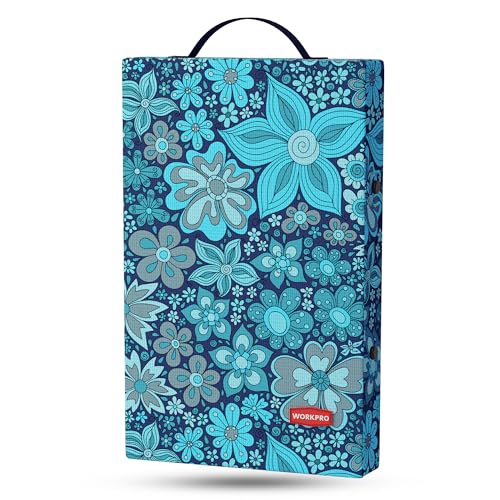
WORKPRO 17" Removable-Cover Kneeling Pad

WORKPRO 17.5 x 11 x 1.5 in Kneeling Pad
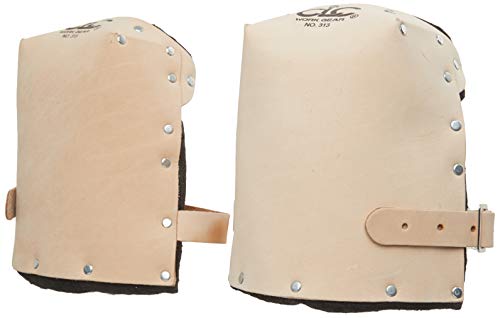
CLC 313 Leather Kneepads with Felt Lining

MCPORO Breathable Foam Work Knee Pads

TSE Safety TSE-TFLX-4-16 Flex Work Knee Pads
A Closer Look At Each Pick
This broad foam mat favors stationary work, such as laying tile in sections or tending a garden bed. Its 1.2-inch high-density NBR foam gives both knees a defined landing surface, which can feel more comfortable than thin mats on hard floors. Compared with the wearable MCPORO pads, it trades mobility for a larger, simpler cushion.
For many flooring projects, the mat stays useful because you can reposition it rather than adjust straps over clothing. You may find it less convenient in a crowded staircase or around a toilet, where a wearable design would move more easily.
Benefits That Matter
- 1.2-inch cushioning supports longer kneeling sessions on tile and concrete.
- NBR foam resists moisture, oil, and abrasion in practical work areas.
- Large surface area supports both knees during repetitive floor projects.
- Simple placement needs no strap adjustment between positions.
Small Caveats
- A loose mat can slide on smooth floors, so position it before starting.
- Unlike the CLC 313, it does not provide a wearable hard shell.
Made For
This mat suits DIYers and flooring installers who favor broad, stationary cushioning during long, organized floor work.
Another Choice May Suit
MCPORO Breathable Foam Work Knee Pads suit people who need a lighter, strap-adjusted option while moving around a project.
The removable Oxford cover is the reason this WORKPRO model makes sense after dusty tile work, gardening, or a weekend repair. Beneath it sits 1.5-inch high-density NBR foam, giving this mat more vertical cushioning than the 1.2-inch option above. The cover can be removed for cleaning or replacement, which is a practical advantage in dirty work zones.
You still need a clear patch of floor, since the 17-inch format is a stationary mat rather than a pair of wearable pads. The blue floral print adds visual character, but the removable fabric is the more useful detail for ownership.
The Practical Payoff
- Removable cover supports routine cleaning and replacement.
- 1.5-inch foam reduces pressure during extended kneeling.
- Oxford fabric adds a separate layer over the foam.
- Wide platform suits tile layouts and garden projects.
Trade Offs
- The cover can collect dust and grout dust unless cleaned regularly.
- It stays in one place, so it suits less-mobile tasks better than strapped pads.
Right Fit For
Choose this option for homeowners who want a large, cleanable kneeling surface for tile, painting, and garden work.
Where A Sibling Pick Shines
WORKPRO Extra Thick NBR Kneeling Pad offers a simpler, uncovered design for people who prefer fewer fabric layers.
For large-format floor work, the 17.5 by 11-inch footprint gives this WORKPRO pad a stable platform for both knees. Its 1.5-inch high-density NBR construction is thicker than Item 1, while its dimensions make it a more substantial work surface. That combination is useful during tile setting, grout cleanup, and repeated workshop tasks.
Compared with the 17-inch removable-cover model, this version keeps the design focused on the foam core. You may find that more appealing in a garage where a fabric cover would pick up dust quickly, although the mat still needs occasional wiping and drying.
Good Reasons To Consider
- Wide 17.5 by 11-inch surface supports stable kneeling.
- 1.5-inch NBR foam offers substantial pressure relief.
- Water-resistant material suits damp or dirty work areas.
- Simple construction avoids strap and buckle adjustments.
A Few Limitations
- The large footprint can be inconvenient in narrow rooms.
- Foam can compress over time with frequent heavy use.
Best Suited To
This pad fits flooring installers, garage workers, and gardeners who need a generous stationary cushion.
Reach For A Different Pick When
TSE Safety TSE-TFLX-4-16 Flex Work Knee Pads suit people who need a strapped, wearable design rather than a floor mat.
Key Specs
The CLC 313 takes a different approach from the WORKPRO mats: it stays on your knees through adjustable leather straps. Double 1/2-inch water-repellent felt lining provides a soft barrier, while riveted construction and heavy-duty stitching suit woodworking, flooring, and general repair work. You gain mobility, though you also need to fasten the pads over your clothing.
For tile installation, this design works well around edges and in tight spaces where a large mat is awkward. The felt and leather surfaces can need brushing or wiping after grout work, and the straps may require adjustment as clothing layers change.
Bright Spots
- Leather construction supports repeated workshop and flooring use.
- Double felt lining separates your knees from the outer shell.
- Steel buckles allow a more secure, adjustable fit.
- Riveted strap attachment improves durability at stress points.
Honest Caveats
- Leather and felt can become dirty after dusty or wet work.
- The wearable format may feel warmer than a foam mat in warm conditions.
Who It Suits Best
These pads suit construction professionals and woodworkers who need reliable knee protection while moving around a job site.
Consider Something Else When
WORKPRO 17.5 x 11 x 1.5 in Kneeling Pad is the better fit for stationary tile work where a large foam surface needs no fastening.
Feature Snapshot
MCPORO focuses on breathable foam protection with adjustable non-slip straps, making it a practical middle ground between a loose mat and a leather work pad. You can wear these while moving through tile cuts, garden beds, and construction areas without relocating a mat each time. The foam adds relief, while the breathable construction should feel more suitable for warm, active jobs.
Compared with Item 1, these pads cover less surface area and depend on a secure fit. For people wearing loose trousers or working on uneven ground, the straps are the main ownership consideration because a poor fit can cause shifting.
Everyday Perks
- Breathable construction helps manage heat during active work.
- Non-slip adjustable straps help keep the pads positioned.
- Foam padding suits construction, gardening, and flooring.
- Wearable format supports movement between task areas.
Points To Note
- Fit matters more than with a broad kneeling mat.
- Foam may need rinsing or wiping after dusty floor work.
Built With In Mind
This pair suits flooring installers, gardeners, and construction workers who need portable knee protection throughout the day.
Another Choice May Suit
CLC 313 Leather Kneepads with Felt Lining may serve you better when abrasion resistance and riveted leather construction matter more than breathability.
TSE Safety emphasizes protection above and below the kneecap, using a thick poly shield and foam padding rather than relying on a simple mat. The double-strap layout helps hold the pads in place while you crawl across a floor or work around tools. For installers working near rough subfloors, that outer coverage is the distinguishing feature.
The hard shield can feel less flexible than the WORKPRO foam options, especially during long periods of kneeling. You may appreciate the added coverage for construction debris, while gardeners may prefer a softer, lighter design. Strap tension and fit remain worth checking before a full project.
Features That Help
- Poly shield adds coverage above and below the knee area.
- Foam padding provides a softer layer against hard floors.
- Two straps improve stability during movement.
- Indoor and outdoor design suits mixed workspaces.
Practical Considerations
- The rigid shield may reduce flexibility during prolonged kneeling.
- Black surfaces can show dust and grout residue, so wipe them regularly.
Who Should Grab It
This pair fits professionals who need stronger surface coverage around rough flooring and construction areas.
Swap It Out When
WORKPRO Extra Thick NBR Kneeling Pad may suit you better when maximum foam cushioning matters more than a wearable shield.
Technical Highlights
What Matters Before You Choose
Coverage and mobility
A large foam mat gives your knees a broad landing area and works well for repetitive tasks in one zone. Strapped pads suit tighter rooms, stairways, and jobs that require constant movement. Think about the route between the tile stack, cutting area, and finished surface.
Cushioning versus shielding
Soft NBR foam prioritizes pressure relief, while leather, felt, or poly shields prioritize a barrier between your knees and rough surfaces. You may need more cushioning on smooth tile, while construction debris calls for stronger outer coverage. The CLC and TSE designs occupy the shielding side of the lineup.
Care and fit
Removable covers are convenient in dusty work areas, but uncovered foam is simpler to wipe down. Strapped pads need a secure fit, and repeated use can make adjustment more important than the initial comfort. Store mats and pads dry after wet jobs to protect the foam and fabric.
Common Shopping Slip Ups
The easiest mistake is choosing a mat for a task that requires movement. A large stationary pad works well on an open floor, while a wearable pair fits narrow spaces better. Another common error is focusing on thickness alone and ignoring straps, surface protection, and cleaning needs.
What The Higher Tier Buys
Higher-tier options add materials, coverage, or adjustability rather than simply increasing foam depth. Leather and poly shells target abrasion, while double straps address stability during active work. Paying more makes sense for frequent professional use, but a thick WORKPRO mat can be more practical for occasional tile projects.
Frequently Asked Questions
Are foam kneeling pads suitable for tile installation?
Yes. Foam pads cushion your knees against hard floors, while a wider surface can provide support during repeated work in one area.
Are wearable knee pads better for tight spaces?
Usually. Strapped designs move with you, making them useful around stairs, doorways, and narrow rooms where a large mat is awkward.
Which pad is easiest to maintain?
The uncovered WORKPRO foam options are straightforward to wipe down. The removable-cover WORKPRO model adds a washable or replaceable fabric layer for dusty work.
How thick should knee pads be for tile?
Thickness depends on your comfort needs and floor condition. A 1.2-inch pad offers substantial cushioning, while a 1.5-inch model gives you more foam under frequent kneeling.
Do leather knee pads work for outdoor projects?
They can, especially on rough or abrasive surfaces. Expect more care around moisture and dirt, and check that the straps fit securely before working.
