
Cable work rarely fails because a tool is too basic. The real problem is a mismatch between the stripping tool and the cable, especially around fiber jackets, armored lines, Kevlar reinforcement, and round conductors. For electricians, telecom technicians, installers, and serious DIY users, Jonard Tools offers several purpose-built options for these very different jobs, so the right choice comes down to cable type, diameter, and the kind of access you need.
A Closer Look At The Lineup

Jonard Tools AST-200 Cable Saber™ Armored Cable Tool

Jonard Tools JIC-375 Three Hole Fiber Optic Stripper

Jonard Tools FOD-2000 Fiber Optic Drop Cable Slitter

Jonard JIC-186 Kevlar Ergonomic Fiber Optic Cutter, 6-inch
Jonard Tools MS-6 Mid Span Fiber Optic Cable Slitter
Jonard Tools CST-1900 Round Cable Stripper, 3/16-inch to 1 1/8-inch
Meet The Standout Selections
Armored or heavily jacketed cable calls for a tool that can open the exterior without blindly cutting into the conductors below. The AST-200 is built for mid-span access on cables measuring 4 mm to 28.6 mm in diameter, with adjustable blade depth up to 5.5 mm. That range makes it more useful than a general-purpose stripper when you are working near a service entrance or on a thick communication line.
Its precision steel blade is the defining feature, since a fixed-depth cut can nick internal insulation or damage fiber. Compared with the round-cable CST-1900, the AST-200 focuses on a slit-and-ring workflow for harder armored constructions. Installation crews handling varied cable sizes will appreciate the adjustment, while casual users may find the technique more specialized than a simple end stripper.
The Helpful Details
- Handles armored and thick-jacketed cables from 4 mm to 28.6 mm in diameter.
- Adjusts blade depth up to 5.5 mm for different jacket thicknesses.
- Supports mid-span access, reducing the need to cut only at a cable end.
- Precision steel blade suits controlled work on demanding cable constructions.
Worth Noting
- It is specialized for armored or heavy-jacketed cable, not ordinary household wire.
- Blade adjustment takes care, so inspect the setting before each cut and keep the tool dry after use.
Made For
This suits electricians and telecom installers who routinely open mid-span armored cable and need a controlled cut through a substantial jacket.
Where Another Pick Shines
The Jonard Tools CST-1900 is a better fit for round cables that need end stripping, spiral cuts, or circular jacket removal.
View Latest PriceFiber preparation rewards a tool that removes each protective layer in the correct order. The JIC-375 uses three holes to handle the common stages: the 1.6 mm to 3 mm jacket, the 600 to 900 micron buffer coating, and the 250 micron coating, exposing the 125 micron glass fiber. For a technician terminating fiber, that sequence keeps the work organized and reduces the need to switch tools between layers.
This is different from the FOD-2000, which opens a flat drop cable rather than stripping a fiber end. The JIC-375 is better suited to connector prep, fusion work, or inspection where the coating must be removed cleanly. You may find the three-hole format less useful on loose tube designs that require a separate buffer-tube stripper.
Positive Points
- Combines three common fiber-stripping stages in one compact tool.
- Handles the jacket, buffer coating, and 250 micron coating in sequence.
- Exposes the 125 micron glass fiber for clean downstream preparation.
- Reduces tool changes during routine fiber termination work.
Small Caveats
- It is designed around specific fiber coating layers, not power cable jackets.
- Residue and loose coating fragments can remain around the work area, so clean the tool and fiber after repeated use.
Right Fit For
This is a strong fit for fiber technicians and installers preparing 125 micron glass fiber for connectors, splices, or inspection.
Consider Something Else When
The Jonard Tools MS-6 is the better match for opening small fiber jackets when you need mid-span access rather than end preparation.
Check on AmazonFlat drop cable presents a different access problem from round fiber cable. The FOD-2000 cuts slits into both sides of 0.250-inch flat drop cable, giving technicians access to the fiber or strength member at an end or along a mid-span location. That focused design makes it useful for repairs, reconnections, and installation work where the cable cannot conveniently be removed from service.
The trade-off is specialization. The JIC-375 handles layered fiber stripping at a termination, while the FOD-2000 opens the cable itself. You should confirm the cable profile and dimensions before using it, since a flat cable slitter is not a general replacement for a round-cable stripper. A replacement blade is also listed among the available features, which helps with long-term maintenance planning.
What Earns Its Place
- Opens both sides of flat drop cable for access to internal components.
- Works at the cable end or at a mid-span location.
- Specifically targets 0.250-inch flat fiber optic cable.
- Supports field repairs without removing the entire cable run.
Points To Note
- Its narrow application means it will not replace the broader coverage of the CST-1900.
- Blade condition matters with repeated field cuts, so owners commonly keep a replacement available and wipe away jacket debris.
Who It Suits Best
Technicians working on residential or building drop systems benefit most when they need controlled access to a known 0.250-inch flat cable profile.
Another Choice May Suit
The Jonard Tools CST-1900 fits round cable work requiring longitudinal, spiral, or circular jacket removal.
View on AmazonSome fiber jobs call for cutting reinforcement, tape, insulation, and cable ties rather than stripping a jacket in one controlled pass. The JIC-186 is built for that broader cutting work, with high-carbon stainless steel blades, heat treatment to HRC 58-60, and dual-component nylon and Santorini handles. The 6-inch format keeps it compact while the ergonomic handle profile is intended to reduce fatigue during repeated cuts.
It is not a replacement for the JIC-375 when the job depends on staged coating removal, and its value depends on your exposure to Kevlar or similar reinforcement. Compared with the MS-6, the JIC-186 is more of a maintenance and fabrication shear than a mid-span opening tool. You may find the adjustable blade feature useful across varied cable accessories.
Advantages To Know
- Cuts Kevlar, insulation, tape, cable ties, and other cable-related materials.
- Heat-treated high-carbon stainless steel blades suit demanding cutting work.
- Dual-component ergonomic handles support comfortable repeated use.
- The 6-inch length balances portability with useful cutting leverage.
- Adjustable blades allow some flexibility across tasks.
Where It May Fall Short
- It is less precise for fiber coating layers than a dedicated three-hole stripper.
- Frequent use can leave adhesive or insulation residue on the blades, so cleaning after each session keeps the tool ready.
Built With In Mind
This suits fiber technicians, maintenance crews, and fabricators who regularly cut reinforcement and cable accessories as part of a larger installation job.
Where A Sibling Pick Shines
The Jonard Tools JIC-375 is a better fit for careful layer-by-layer preparation of a 125 micron fiber before termination.
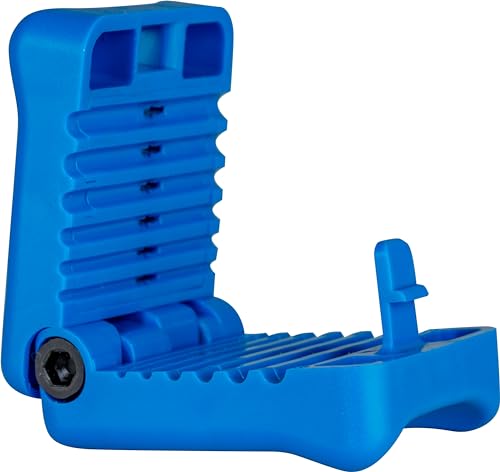
Check Latest PriceThe MS-6 is aimed at small fiber jackets and buffer tubes, using six precision grooves to accommodate cables from 1.2 mm to 3.3 mm in diameter. Grooves are useful because they help guide the cable into a consistent cutting position, which matters when opening a jacket without disturbing the optical fibers inside. Its compact, ergonomic design makes it a practical field tool for controlled access work.
Compared with the AST-200, the MS-6 is aimed at much smaller, less armored constructions. Compared with the JIC-375, it opens a jacket or buffer tube rather than exposing the glass fiber through sequential stripping holes. The limited diameter range is the main consideration, so match the cable first. In most installations, a groove-fed tool is easier to repeat than a freehand knife cut, provided the correct size is selected.
What Stands Out
- Six precision grooves support different small cable sizes.
- Handles 1.2 mm to 3.3 mm diameter fiber jackets and buffer tubes.
- Ergonomic shape helps with controlled mid-span opening.
- Reduces the need for improvised blade positioning.
Less Ideal Details
- The 1.2 mm to 3.3 mm range excludes larger round and armored cables.
- Grooves and housing can collect jacket fragments, so field maintenance includes regular brushing and cleaning.
Who Should Grab It
This is a useful pick for fiber installers working with loose-buffer tubes or small jacket sizes where controlled opening matters more than heavy cutting force.
Reach For A Different Pick When
The Jonard Tools AST-200 is the better fit for thicker armored cable and larger mid-span openings.
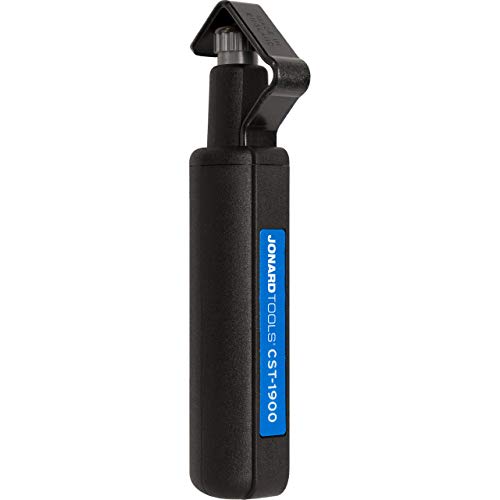
View Latest PriceRound cable preparation becomes much more flexible with the CST-1900 because it supports three cut patterns. Longitudinal cuts open a cable from the end, spiral cuts work for end or mid-span stripping, and circular cuts remove the jacket in a ring. The 3/16-inch to 1 1/8-inch range covers 4.5 mm to 29 mm diameters, giving the tool broader reach than the fiber-specific slitters in this group.
Its design suits installers who move between cable sizes rather than repeating one precise fiber operation. Compared with the AST-200, the CST-1900 is more versatile for ordinary round jackets; compared with the FOD-2000, it does not target the two-sided profile of flat drop cable. The honest trade-off is control: a general stripping tool needs careful blade setup to avoid scoring conductors or fiber beneath the jacket.
Everyday Wins
- Supports longitudinal, spiral, and circular cutting patterns.
- Handles round cables from 3/16-inch to 1 1/8-inch in diameter.
- Works for both end stripping and mid-span access.
- One tool covers several common round-cable preparation tasks.
- Useful for installers working across a range of cable sizes.
Trade Offs To Consider
- It is not specialized for the layered coatings handled by the JIC-375.
- Blade depth and cutting direction require attention on sensitive cable, and residue should be removed after use to preserve smooth operation.
Best Suited To
This is a strong fit for electricians and installers who handle round cable across different diameters and need both straight and circular jacket removal.
Not Your Match When
The Jonard Tools FOD-2000 is the better fit for 0.250-inch flat drop cable that needs two-sided access to internal fibers or strength members.
View on AmazonChoosing For Cable Type And Diameter
Cable type should drive the decision before brand familiarity. A flat drop cable needs a slitter designed for a two-sided profile, while a standard round jacket benefits from longitudinal, spiral, or circular cuts. Fiber coatings require staged removal with a dedicated three-hole stripper rather than a general cable shear.
Diameter is equally important. The AST-200 handles thicker armored cables, the CST-1900 covers a broad round-cable range, and the MS-6 focuses on small fiber jackets. Measure the cable before ordering, especially on mixed installations where one tool may be asked to handle several constructions.
Match the Cut To The Job
A mid-span opening is not interchangeable with end stripping. Mid-span work needs controlled access without severing the entire cable, while end preparation can be more direct. The FOD-2000, AST-200, MS-6, and CST-1900 each approach that task differently, so consider where the cable is already installed.
Think About Repeated Work
High-carbon stainless steel, ergonomic handles, and replaceable-blade designs matter most for frequent use. For occasional work, a simpler single-purpose tool may be sufficient. For daily installation or maintenance, cleaning access, blade condition, and comfortable handling become more meaningful.
Cable Tool Details That Matter
Common Shopping Slip Ups
The most common mistake is choosing by cable appearance rather than diameter and construction. A tool that handles round cable may not open flat drop cable, and a fiber stripper may be unsuitable for thick power or armored jackets. Check the cable dimensions, then confirm whether the tool supports end work, mid-span access, or both.
What The Higher Tier Buys
Higher-end cable tools tend to provide more precise depth control, specialized blades, or multiple cutting patterns. Those additions matter when you work with sensitive fiber, varied cable sizes, or repeated field service. A basic stripper can still serve simple household cable jobs, but the added control becomes valuable around conductors and optical fibers.
Frequently Asked Questions
Are Jonard Tools Wire Strippers Suitable for Armored Cable?
The Jonard Tools AST-200 is designed for armored or thick-jacketed cable, with a stated diameter range of 4 mm to 28.6 mm. It is more specialized than a basic round-cable stripper.
Which Tool Handles Flat Fiber Drop Cable?
The Jonard Tools FOD-2000 targets 0.250-inch flat drop cable. It cuts both sides of the cable to provide access to internal fiber or strength members.
What Is The Difference Between The JIC-375 And MS-6?
The JIC-375 removes successive fiber coatings for end preparation, while the MS-6 opens smaller fiber jackets or buffer tubes with size-specific grooves. The former prepares the fiber layers, and the latter accesses the cable structure.
Can The CST-1900 Make Different Cut Patterns?
Yes. The CST-1900 supports longitudinal cuts, spiral cuts, and circular cuts for round cables from 3/16-inch to 1 1/8-inch in diameter.
How Do I Choose The Right Cable Tool?
Start with cable shape, diameter, and jacket structure. Then decide whether you need end stripping, mid-span access, coating removal, or a combination of those operations.
