
A porch lock has to work after a long day, a sudden downpour, and the inevitable fumbling for keys in the dark. The right keypad or fingerprint model replaces that daily friction with codes, stored fingerprints, app controls, or motorized entry, while deadbolts provide a stronger physical barrier than basic knobs. These options suit homeowners, renters with approval, and busy families who want flexible access without carrying keys.
The Choices Worth Comparing

TEEHO TE002 Fingerprint Keypad Deadbolt, Matte Black

Yamiry Fingerprint Keyless Entry Handle Lock

Veise KS02A Fingerprint Keypad Deadbolt, Matte Black

Yamiry Fingerprint Keypad Door Handle

Yamiry Keyless Digital Door Lock with Handle
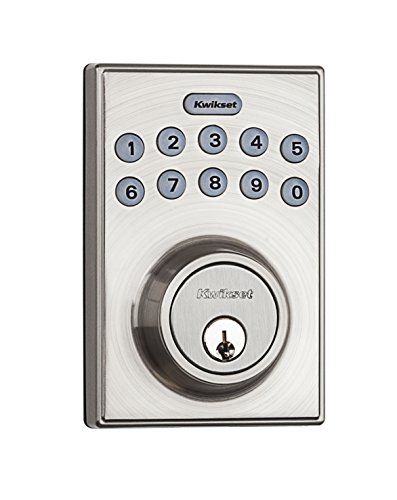
Kwikset 92640-001 Electronic Keypad Deadbolt, Satin Nickel
Inside Each Recommended Option
The TEEHO TE002 brings deadbolt-level form to a porch entrance without forcing everyone to carry keys. Up to 20 fingerprints and 20 passcodes suit a household where adults, children, and regular guests each need separate access.
Its sensor reportedly recognizes a print in 0.3 seconds, with an overall unlocking time stated at about one second. Those figures make sense for daily use, particularly on a busy entrance where hands are often occupied.
Where It Delivers
- Twenty fingerprint profiles reduce key sharing across a busy family.
- Twenty passcodes provide distinct access for children, relatives, and regular visitors.
- Two physical keys give you a conventional fallback.
- One-time PINs delete after use, which suits brief contractor or delivery access.
Practical Considerations
- Fingerprint users may occasionally need the keypad or physical key when a finger is wet, dirty, or poorly aligned.
Key Attributes
Made For Shared Entrances
Families managing children, relatives, and frequent visitors benefit most from this flexible deadbolt.
Look Elsewhere When
Yamiry Fingerprint Keyless Entry Handle Lock suits you better when a conventional lever handle matters more than deadbolt construction.
The Yamiry Fingerprint Keyless Entry Handle Lock follows the familiar shape of a standard lever lock, which makes it more discreet on an apartment or side entrance. That familiar profile also makes it a practical upgrade from a keyed knob without changing the visual character of the door.
Unlike the TEEHO TE002’s deadbolt format, this model centers on handle convenience and app-supported entry. You may find it more comfortable for a frequently opened interior-style door, subject to your landlord’s approval.
Useful Touches
- Aluminum construction offers a rigid housing with resistance to corrosion.
- The lever-handle design feels familiar for daily operation.
- App support gives registered household members another route for access management.
- A screwdriver installation suits common American-standard doors with an existing bore and compatible hardware.
Details To Watch
- Measure the door and inspect the existing opening before ordering, because compatibility depends on the bore and hardware arrangement.
- A lever lock may provide less physical restraint than a full deadbolt.
- Fingerprint performance can vary with moisture or dirt on the sensor.
Quick Facts
Right Fit For
Apartment residents and side-door users who prefer a familiar lever handle with fingerprint and app-based entry benefit most.
Another Choice May Suit
TEEHO TE002 Fingerprint Keypad Deadbolt fits households that prioritize a deadbolt profile and temporary PIN access.
The Veise KS02A focuses on fast fingerprint recognition for households that would rather touch the sensor than punch a code. Its on-device processing performs recognition locally, and the manufacturer states a 0.2-second identification time.
That speed makes the model appealing for a porch used several times a day. The trade-off is narrower account information here, so the fingerprint profile limit and physical-key arrangement deserve careful review.
What Earns Its Place
- Quick fingerprint identification suits families entering through the same door throughout the day.
- On-device processing keeps recognition functions within the lock rather than depending on a remote service.
- The keypad complements fingerprint access for temporary or alternate entry.
Soft Spots
- Worst-case fingerprint matching can be slower after cuts, peeling skin, dirt, or moisture.
- The keypad becomes the practical fallback during sensor issues, so keep it accessible.
- You’ll want to program the household’s primary users before everyone depends on daily access.
Who Will Love This
Families with several daily fingerprint users benefit most from this fast-recognition deadbolt.
A Better Fit Elsewhere
TEEHO TE002 Fingerprint Keypad Deadbolt offers a broader documented mix of fingerprints, passcodes, temporary PINs, and physical keys.
The Yamiry Fingerprint Keypad Door Handle concentrates several entry methods into a conventional lever-lock layout. Fingerprint recognition, personalized passcodes, Bluetooth app control, key fobs, and a mechanical key give household members several ways in.
Compared with the simpler Yamiry Fingerprint Keyless Entry Handle Lock, this model leans harder into connected and credential-based access. That versatility helps in shared homes, although the fobs and app-based setup add more components to manage.
Useful Highlights
- Five documented methods let family and visitors use the access format most convenient to them.
- Personalized passcodes support separate household and guest access.
- Bluetooth app control simplifies credential management from a compatible phone.
- The mechanical key provides a conventional option during electronic access issues.
Practical Considerations
- Key fobs can be misplaced more easily than built-in keypad entry.
- App features require compatible phone setup and configuration.
- You may prefer one fingerprint model instead of maintaining several access methods.
Feature Snapshot
Who Should Grab It
Shared households needing fingerprints, temporary codes, app access, and fobs benefit most from this multi-entry handle.
Swap It Out When
Veise KS02A Fingerprint Keypad Deadbolt suits you better when streamlined fingerprint access and deadbolt construction matter more than varied credentials.
The Yamiry Keyless Digital Door Lock with handle targets exposed entrances where a simple code is enough. Its IP54 rating indicates resistance to dust and limited water exposure, making it a sensible consideration for screened porches, patios, and other semi-outdoor locations.
Unlike the feature-heavy Yamiry Fingerprint Keypad Door Handle, this model keeps daily entry centered on programmable codes. The backlit keypad, low-battery indicator, and stated sub-15-minute screwdriver installation support straightforward ownership.
Positive Takeaways
- IP54 protection suits doors exposed to dust and occasional moisture.
- Twenty programmable codes separate family members and temporary visitors.
- Backlighting makes the keypad easier to locate in a dim porch at night.
- A low-battery indicator gives you useful advance notice before lockout trouble.
- Screwdriver-only installation can simplify a basic retrofit.
Small Caveats
- IP54 protection does not make the lock suitable for direct, fully exposed weather.
- Code-based entry becomes less convenient once you must enter digits with wet or gloved hands.
- Programming and deleting shared codes requires attention as household access changes.
Details At A Glance
Built With In Mind
Porch and patio users seeking weather-conscious keypad entry benefit most from this lever-mounted option.
Where A Sibling Pick Shines
Yamiry Fingerprint Keypad Door Handle suits connected homes that want fingerprints and fobs instead of code-only entry.
The Kwikset 92640-001 takes a more traditional approach than the fingerprint-heavy picks above: a keyed exterior, electronic keypad, and motorized deadbolt. Up to six customized user codes cover family and visitors, while the cylinder retains an option for physical-key entry.
Automatic relocking can engage after 10 to 99 seconds, depending on your setting. That works well after you leave through another entrance, though a fixed delay can create confusion for someone approaching from outside.
Good Reasons To Consider
- Six individual codes serve family members and temporary visitors without key distribution.
- One-touch motorized locking removes a separate physical turn on departure.
- The keyed cylinder provides a familiar fallback for exterior access.
- A broad relocking range lets you match the delay to household routines.
Trade-Offs To Consider
- Check backset, cross-bore, and door thickness before installation.
- Six codes are less generous than the twenty-code capacity of several newer models.
- Cleaning the keypad and checking batteries becomes part of routine ownership.
The Right Fit
Homeowners wanting keyed access, up to six codes, and automatic relocking benefit most from this electronic deadbolt.
Reach For A Different Pick When
TEEHO TE002 Fingerprint Keypad Deadbolt suits larger households that need more stored credentials and fingerprint profiles.
What to Match With Your Entry Door
A deadbolt or handle is only half of the decision. Door dimensions, lock format, exposure, access methods, and fallback habits determine whether a model will feel convenient after installation.
Measure the Door First
Cross-bore is the opening through the door face, while backset is the distance from that opening to the door edge. Compare both with the supplied dimensions and inspect the full door thickness before ordering, especially on a thick, heavily insulated exterior door.
Decide How You Enter
Fingerprint models suit regular household members who want a quick touch, while keypads serve guests and anyone who may have wet, dirty, or gloved hands. App-based models add setup complexity but can simplify credential changes for connected homes.
Check Porch Exposure
IP54 indicates resistance to dust and limited water exposure, but it is not the same as unrestricted outdoor suitability. Covered porches and screened entries present different conditions, so use the lock only within its stated exposure limits.
Keep a Usable Fallback
A physical key, one-time code, or accessible keypad gives you a way through after a low battery or fingerprint issue. Your fallback matters most on the main entrance, especially during rain, darkness, or an emergency.
Access Details That Matter
Mistakes Worth Dodging
Measuring only the knob diameter can leave you with an incompatible lever lock. Check the entire door, spindle opening, backset, and interior clearance before removing the existing hardware.
A keypad is not automatically suitable for every outdoor door. Confirm the lock’s stated weather resistance and choose a covered location rather than assuming a porch fully protects the hardware.
What Separates Premium From Basic
Fingerprint storage, temporary-code controls, motorized relocking, and connected app management account for many feature differences. You pay more for convenience or access flexibility, not simply for a better-looking keypad.
The added electronics require more thought about battery upkeep, credential removal, and fallback methods. A basic keypad remains sensible when children don’t use the door and programmed codes already cover everyone.
Frequently Asked Questions
Are keypad door locks suitable for a covered porch?
A covered porch can work well with a keypad lock rated for the expected dust and moisture exposure. Check the lock’s stated protection level and keep the unit within those conditions.
Do fingerprint locks work in cold or wet weather?
They can, although moisture, dirt, or skin changes may temporarily affect recognition. Keep the keypad or another entry method available as a practical fallback.
How many access codes do these locks support?
Capacity varies by model. Kwikset supports up to six customized codes, while several newer models support as many as 20.
Should I replace a deadbolt with a handle-style lock?
A deadbolt provides a different level of physical restraint, while a handle lock feels more familiar on apartment and interior-style doors. Choose based on your door and access habits.
What measurements do I need before installation?
Measure the door thickness, cross-bore diameter, backset, and interior clearance. Also inspect the spindle opening and existing hardware before purchasing.
