
Contractors move between framing, cabinetry, electrical boxes, and vehicle jobs, where a full-size drill often becomes the wrong tool. Impact drivers use rotational force, or torque, to drive fasteners with less reaction than conventional drills, while cordless models keep you moving around jobsites without a tethered power lead. The six options below cover compact assembly, general fastening, repetitive automotive work, and high-torque applications, though the manual ARES model serves a different emergency and fabrication role.
A Quick View Of The Lineup

Milwaukee M18 Compact 1/4 Hex Impact Driver

ARES 18021 1/2-In Manual Reversible Impact Driver

Craftsman CMCF800 V20 1/4-In Cordless Impact Driver

Seesii WH6 Lite 1/2-In Impact Wrench
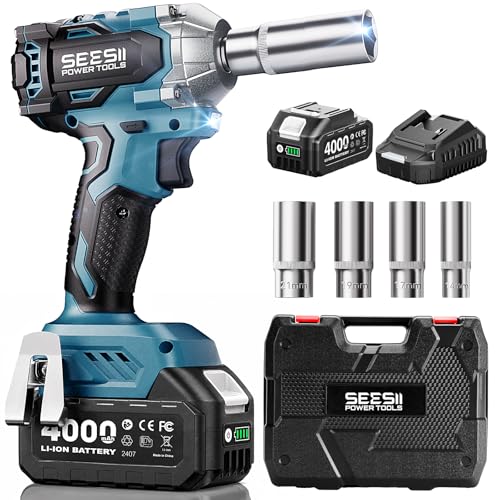
Seesii WH450 3/8-In Cordless Impact Wrench
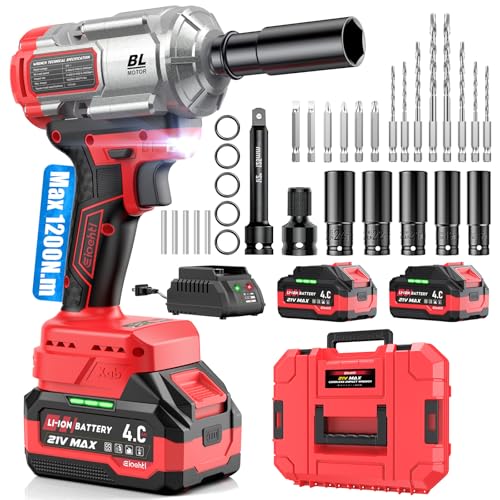
Eioehtl 1/2-In 885 Ft-lbs Impact Wrench
More On The Choices That Made The List
The Milwaukee M18 puts 1,600 in.-lbs. of torque into a compact 5.1-inch body, which makes it useful between wall studs, inside cabinets, and around crowded electrical panels. Compared with the manual ARES later in the lineup, it handles repetitive fastening far faster and suits contractors who already maintain an M18 battery platform.
The brushless motor reduces internal friction and supports up to 3,200 rpm for rapid fastener placement. For professional framing or cabinet installation, that combination looks balanced, with enough force for long structural screws without turning the tool into a bulky wrench.
Advantages To Know
- Compact length improves access inside joist bays and cabinet boxes.
- High rotational speed helps you move between closely spaced fasteners.
- Brushless construction avoids the wear associated with conventional motor brushes.
- The 1/4-inch hex collet accepts common driver bits without a separate adapter.
Points To Keep In Mind
- This is a bare tool, so compatible M18 batteries and a charger may require separate purchase.
- Owners should keep the hex collet clear of metal chips to prevent binding during bit changes.
Key Specs
Built With In Mind
Professional finish carpenters, framers, and electricians working in tight residential spaces benefit most from its compact format.
A Better Fit Elsewhere
Craftsman CMCF800 V20 suits contractors who want a simpler general-purpose driver with an integrated work light.
The ARES 18021 changes the category in an important way: hammer strikes supply the force, so no motor, battery, or charger enters the equation. That makes it a practical field-repair companion for contractors tightening a stubborn nut, assembling slotted fasteners, or working where powered access is awkward.
Striking the top rotates the drive tang 20 degrees in the selected direction, creating a short, controlled impact. The all-steel body transfers those blows efficiently, while the layered anti-slip grip protects your hands during heavier strikes.
Positive Points
- Needs no battery or electrical connection.
- The reversible setting handles both tightening and removal.
- Standard slotted and Phillips bits cover common field repairs.
- The storage case keeps the driver and interchangeable bits together.
Trade Offs
- Manual operation is slower and more physically demanding than a powered driver.
- The 1/2-inch drive suits larger fasteners but is less convenient in confined spaces than a 1/4-inch hex driver.
- Keep the tool dry and lightly oiled during storage to limit surface corrosion.
Core Details
Made For
Maintenance technicians, installers, and contractors needing a dependable manual fallback tool benefit most.
Another Choice May Suit
Seesii WH6 Lite fits technicians who need faster, powered removal of standard vehicle fasteners.
Cabinet installers and repair professionals get a straightforward 20V MAX driver rated at 1,460 in.-lbs. of torque. That output is lower than the Milwaukee M18 option, but it remains useful for cabinet screws, deck hardware, and general service work where the battery ecosystem takes priority over maximum force.
Variable speed gives you control as the fastener enters its material, reducing the chance of overdriving delicate cabinetry. An LED also improves visibility inside dark cabinets, closets, and unfinished wall cavities.
What Makes Sense
- One-handed bit insertion speeds repetitive cabinet installation.
- The quick-release chuck simplifies swaps between driver sizes.
- Variable speed offers more control at initial contact and near completion.
Small Caveats
- The battery and charger are not included.
- Its 1,460 in.-lbs. rating falls below the Milwaukee model for heavier structural fastening.
- Confirm compatible 20V MAX packs before building a complete jobsite setup.
- Periodic chuck cleaning helps prevent loose swarf from affecting bit retention.
Right Fit For
Cabinet installers, property-maintenance crews, and renovation contractors needing a versatile 1/4-inch driver benefit most.
Reach For A Different Pick When
Milwaukee M18 Compact 1/4 Hex Impact Driver serves framing specialists who prioritize higher torque and a compact 5.1-inch body.
Moving from construction drivers to impact wrenches changes the appropriate use: a wrench is designed to remove and install nuts, bolts, and wheel hardware rather than drive ordinary cabinet screws. The Seesii WH6 Lite pairs 479 ft.-lbs. of torque with a 1/2-inch drive, making it a sensible middle tier for common automotive repairs.
Two 4.0Ah batteries reduce downtime during tire and suspension work, while six sockets cover common fastener sizes. Compared with the Eioehtl model, it offers less peak torque but a more moderate configuration for routine service vehicles.
Standout Benefits
- 479 ft.-lbs. handles routine wheel and suspension hardware.
- Two batteries keep work moving through repeated swaps.
- Two operating modes accommodate controlled removal or faster reassembly.
- Six included sockets reduce the need for extra accessories.
Worth Noting
- 479 ft.-lbs. is limited for large truck hardware compared with the Eioehtl wrench.
- Impact sockets must match the 1/2-inch drive and rated fastener size.
- Store batteries separately from metal tools and keep sockets clean after greasy work.
Quick Facts
Who Will Love This
Automotive technicians and mobile repair professionals working on cars and light trucks benefit most.
Where A Sibling Pick Shines
Eioehtl 1/2-In 885 Ft-lbs Impact Wrench suits technicians removing seized truck and machinery fasteners.
The 3/8-inch drive makes the Seesii WH450 more approachable for lighter automotive and home-maintenance work than the 1/2-inch models around it. It produces 330 ft.-lbs. of torque, a useful middle point for hardware that needs impact force without the weight and socket demands of heavy truck work.
The included 4.0Ah battery and four sockets give you a usable starting point, though one pack means charging pauses during longer jobs. Two speed modes and up to 3,000 rpm support both controlled placement and faster fastener cycling.
Everyday Advantages
- The 3/8-inch drive suits common light-duty vehicle sockets.
- Two speed modes balance control with quicker operation.
- A brushless motor reduces brush wear during sustained use.
- The included battery and sockets simplify initial setup.
Some Limits To Know
- Single-battery operation can interrupt extended repair sessions.
- 330 ft.-lbs. is modest beside the 885 ft.-lbs. Eioehtl wrench.
- Clean grease from the anvil and sockets after automotive work to protect their moving connections.
Who Should Grab It
Home-repair contractors and light-duty automotive technicians favor this model for smaller jobs and lighter hardware.
Look Elsewhere When
Seesii WH6 Lite fits professionals handling more demanding 1/2-inch automotive fasteners throughout the day.
At 885 ft.-lbs., the Eioehtl wrench brings substantially more force than the other Seesii options, making it relevant for truck wheel hardware, machinery, and stubborn fasteners. That higher output expands your practical range, but the tool also demands correctly rated impact sockets and sensible bolt strength.
Its brushless motor reaches 5,500 rpm, while two 4.0Ah batteries help sustain work away from an outlet. The accessory set includes five impact sockets, an extension bar, and a driver-bit set, which gives the setup more range than a bare wrench.
Points In Its Favor
- High torque targets seized and heavily secured fasteners.
- Two batteries reduce charging interruptions.
- The 1/2-inch drive supports common truck and machinery sockets.
- Five sockets, an extension bar, and driver bits cover several tasks.
- 5,500 rpm supports rapid high-volume removal.
Practical Considerations
- High torque does not justify using undersized sockets or bolts.
- Two 4.0Ah batteries add weight during extended work.
- Follow the fastener manufacturer’s tightening specifications rather than relying on wrench speed alone.
Technical Highlights
The Right Fit
Mobile mechanics, fleet technicians, and heavy-equipment contractors work with this model’s higher torque most efficiently.
Swap It Out When
Seesii WH450 3/8-In Cordless Impact Wrench better serves technicians who prioritize a smaller drive for lighter repair work.
What Matters Before You Commit
Start by separating a driver from a wrench. A 1/4-inch hex impact driver accepts standard bits and handles screws, lag screws, and small construction fasteners, while a square-drive impact wrench concentrates greater torque on nuts, bolts, and wheel hardware.
Drive size and fastener strength A 1/4-inch hex collet provides a broad selection of common driver bits and works well for framing, cabinetry, and decking. A 3/8-inch or 1/2-inch square drive suits larger sockets and automotive hardware, but the drive, socket, and fastener must all have suitable load ratings.
Torque versus control Published torque shows peak output, not a promise of identical performance across every setting. Variable speed helps control initial contact and prevents smaller fasteners from receiving excessive force, especially in cabinetry or finished trim.
Platform and power needs Bare tools leave battery and charger costs open, while included batteries can make a package more immediately useful. Battery count matters on remote jobs too, since a second pack turns charging downtime into a brief tool change.
Two Details That Shape Your Choice
Mistakes Worth Dodging
A large torque rating does not replace proper sockets or fastener limits. Check the drive style, socket rating, and manufacturer guidance before applying high output, then reserve impact wrenches for nuts and bolts rather than ordinary screws.
What Separates Premium From Basic
Higher-output tools add motor efficiency, speed modes, brighter lighting, and better accessory bundles. Those features matter during repetitive vehicle work or restricted-access construction, while lighter tasks may need only a dependable compact driver.
Frequently Asked Questions
Can an impact driver replace a drill?
No. Impact drivers excel at driving and removing fasteners, while drills remain more suitable for drilling holes and handling delicate materials.
Is a 1/4-inch impact driver enough for contractors?
Yes, for common construction screws, deck fasteners, cabinet hardware, and framing work. Larger nuts, wheel hardware, and machinery bolts call for a suitable square-drive impact wrench.
Are bare impact drivers cheaper to own?
They can be, especially when you already own compatible batteries and a charger. Verify the platform and included accessories before calculating the complete setup cost.
Does more torque mean less control?
Not necessarily, because variable speed and trigger control also affect handling. Start at a lower setting for delicate work and follow fastener-specific tightening guidance.
Should contractors own a manual impact driver too?
A manual model is useful as a field backup for assembly and light repair work. Powered equipment remains faster and more practical for routine production.
