
Painting a high ceiling is less about rolling speed than choosing a cover that can enter the texture without leaving deep grooves. A longer nap grips raised surfaces and textured coatings more effectively, but the wrong one can also leave visible lines. Match the nap to your ceiling first, then account for roller width, paint type, and the amount of touch-up work ahead.
The picks below cover three 3/8-inch and 1/2-inch roller options alongside three extension duster kits. The rollers belong in a painting project; the dusters address cleaning high ceilings, fans, rafters, and tall windows. Treat that distinction carefully, especially around very tall work areas where ladder positioning and product weight affect control.
A Quick View Of The Lineup
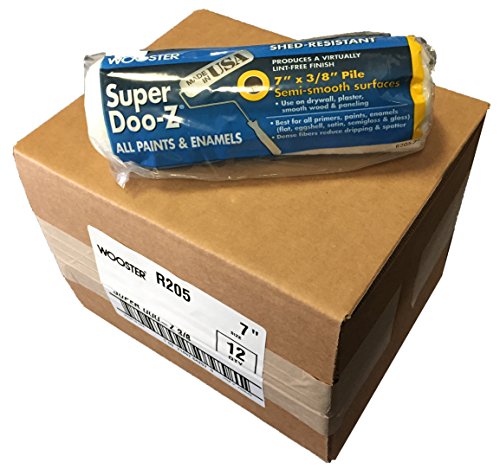
Wooster R205 Super Doo-Z Roller Cover, 7 Inch

Wooster R740-9 Super/Fab Roller

La ForFoir 20ft Duster Kit

La ForFoir 25ft Duster Kit
La ForFoir 30ft Duster Kit
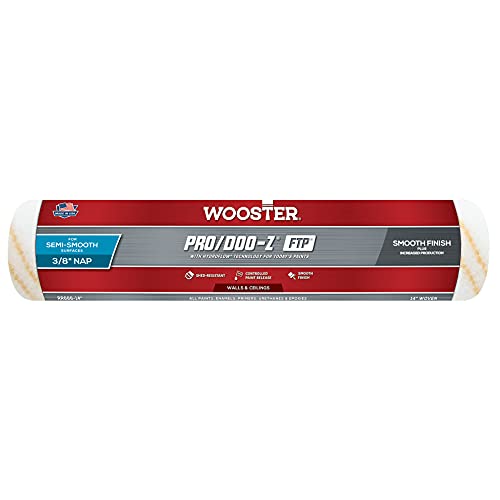
Wooster RR666 14 Inch Pro Doo-Z Cover
What Each Pick Brings To The Table
The R205 is the straightforward textured-ceiling option in this group, with a 3/8-inch nap and a compact 7-inch face. That nap is the pile depth woven into the cover, and it helps the fabric enter light texture while remaining manageable on broad ceiling areas.
For routine repainting, the 12-cover pack reduces repeated trips to the hardware store and gives you sleeves for multiple rooms. Compared with the R740-9, though, this model favors reach and coating distribution over maximum texture penetration.
What Helps Most
- The 3/8-inch nap suits semi-smooth through semi-rough surfaces.
- Twelve covers support several ceiling projects or regular touch-ups.
- The 7-inch width gives control around edges and ceiling fixtures.
- Lightweight covers remain practical for extended overhead work.
Small Caveats
- Deep, pronounced texture may require a longer nap.
- Owners commonly discard covers after they mat or lose their nap, making storage less convenient.
Built With In Mind
This cover suits DIY decorators painting several moderately textured ceilings with occasional repairs.
Where A Sibling Pick Shines
Wooster R740-9 is the stronger fit for projects centered on heavily textured or semi-rough ceilings.
Textured paint work gives the R740-9 more purpose than the 3/8-inch R205. Its 1/2-inch nap penetrates light texture more readily, while the 9-inch width covers a substantial ceiling section per pass. You trade maneuverability around tight obstacles for faster coverage.
Its high-capacity fabric is designed to carry more coating and release it with fewer tray trips, which matters in a large living room or hallway. A three-cover pack also covers the main coat and expected touch-ups without requiring a large roller inventory.
Practical Advantages
- The longer nap reaches into lightly textured and semi-rough surfaces.
- High paint capacity supports efficient application across broad ceilings.
- The 9-inch width reduces the number of passes in open areas.
- Durable fabric is intended to resist matting during normal use.
Trade Offs
- It is less precise than the R205 around narrow ledges and fixtures.
- A longer nap can leave a pronounced texture on smoother surfaces.
- Residual coating requires prompt rinsing to reduce fabric matting.
Who It Suits Best
This model fits DIY decorators and painting professionals handling broad, semi-rough ceilings.
Another Choice May Suit
Wooster R205 suits projects requiring tighter control and a 3/8-inch nap.
Unlike the Wooster covers, the La ForFoir kit has no paint-application role. Its 5-to-12-foot aluminum pole provides approximately 20 feet of working reach, making it a cleaning tool for tall ceilings, ceiling fans, rafters, eaves, and high windows.
Two-handed operation and locking pole sections make the extension more manageable around standard home interiors. Actual reach depends on your height and the angle needed to clean each surface, so the published figure should be treated as an approximate maximum.
The Practical Payoff
- Extended access can reduce repeated ladder repositioning.
- Locking sections preserve the selected pole length.
- Aluminum construction keeps the tool light during overhead cleaning.
Details To Watch
- It cannot apply paint to a ceiling.
- Full extension may offer less control in confined rooms.
- Dust accumulated on the cleaning head needs regular removal to avoid spreading it.
Made For
This kit suits households cleaning standard high ceilings without repositioning a ladder constantly.
Consider Something Else When
Wooster RR666 is the better fit for applying paint to a 14-inch ceiling roller area.
Going from the 20-foot kit to this model adds another five feet of listed reach, with the telescoping aluminum pole extending from 5 to 18 feet. That makes it more practical for tall rooms, vaulted ceilings, and overhead fans that sit beyond comfortable ladder height.
The locking sections and two-handed approach carry over from the shorter model, preserving control as the pole extends. You may still need to angle carefully around fixtures, and your own reach determines the usable distance.
What Makes Sense
- Approximate 25-foot reach supports higher cleaning positions.
- The extended pole reduces repeated ladder trips in tall rooms.
- One kit covers ceilings, fans, rafters, eaves, and windows.
Practical Considerations
- The longer pole is less convenient in small, cluttered spaces.
- It remains a cleaning duster, not a paint roller.
- Collar locks should be checked before moving a fully extended pole.
Right Fit For
Households with tall ceilings, large fans, or elevated rafters benefit most from the added reach.
A Better Fit Elsewhere
La ForFoir 20ft Duster Kit suits lower rooms where compact storage and easier handling matter.
This is the long-reach cleaning option in the lineup, with a 5-to-24-foot aluminum pole and approximately 30 feet of working reach. The extra length is most useful in expansive interiors, high ceilings, and large ceiling fans where ladder repositioning becomes inconvenient.
Compared with the 25-foot kit, the additional reach is meaningful only in spaces that need it. At full extension, precise control becomes more dependent on your height, grip, and viewing angle, so the two-handed design remains an important feature.
Noteworthy Benefits
- Long listed reach reaches unusually high cleaning areas.
- The telescoping construction supports compact storage between jobs.
- Locking sections help maintain a selected working length.
- Aluminum keeps the pole manageable for cleaning tasks.
- Two-handed use improves control at greater extension.
Less-Strong Areas
- The longest configuration may feel unwieldy for shorter users.
- It takes up more room than a conventional feather duster.
- Cleaning and storage care are required to protect the telescoping sections.
Best Suited To
Cleaning professionals and experienced users handling very tall interior surfaces benefit from this reach.
Look Elsewhere When
La ForFoir 20ft Duster Kit fits owners who need less extension and easier compact handling.
The RR666 uses a 3/8-inch nap but pairs it with a 14-inch face, making it the fast-coverage option among the paint rollers here. The larger width suits open ceiling fields, though the R205 offers easier handling near edges and fixtures.
Its HydroFlow-controlled release is designed to support consistent paint flow, while the no-shed white fabric targets smoother application. The double-thick polypropylene core is built to resist water, solvents, and cracking during demanding coating work.
Points In Its Favor
- The 14-inch face reduces passes across large ceiling areas.
- Controlled release supports even paint distribution.
- No-shed fabric helps maintain a cleaner application process.
- The internal core is designed for water and solvent resistance.
- A 3/8-inch nap works across semi-smooth surfaces.
Room For Improvement
- The wide frame can feel awkward near narrow walls or fittings.
- It is more specialized than a general-purpose 7-inch cover.
- Prompt cleaning remains important because trapped coating can mat the nap.
Whose Shelf It Belongs On
This cover belongs with experienced decorators rolling paint across large, semi-smooth ceilings.
Reach For A Different Pick When
Wooster R205 is more practical for detailed ceiling edges and smaller sections.
Matching Roller Texture To The Ceiling
Nap describes the pile depth on a roller cover. Longer piles enter texture more readily, but they can leave marks on smooth surfaces. A 3/8-inch nap, like those offered by the R205 and RR666, generally balances moderate texture and control, while the R740-9’s 1/2-inch nap suits more pronounced surfaces.
Roller width is the next practical decision. The 14-inch RR666 covers open fields rapidly, whereas the 7-inch R205 gives you more control near walls, lights, and ceiling fans. Choose the wider R740-9 for speed, not simply because it looks capable; the longer nap and 9-inch face both affect handling.
For very high ceilings, proper access matters as much as the roller. Work from a stable platform suited to the room, protect fixtures, and keep coating moving before it builds up. Replacing or washing a cover promptly helps preserve its texture and release behavior.
Paint viscosity also affects results. Thick coatings reward a higher-capacity cover, while thinner materials can flow more easily through a moderate nap. Match the roller to the coating, not simply to the word “ceiling,” since drywall texture and existing surface matter more than height alone.
Key Details That Change Your Choice
Wrong Turns To Avoid
Choosing by ceiling height alone can leave texture and access needs unresolved. A small roller gives excellent control but takes longer across a broad surface, and a long extension tool cannot replace a paint roller. Confirm the surface texture, nap, frame width, and access setup before ordering.
When Paying More Pays Off
A higher-tier option earns its place through capacity, controlled release, core construction, or pack size rather than a mysterious feature. Spend more on a 14-inch cover for wide open ceilings, or on multiple sleeves for several rooms, since both reduce replacement pressure and rushed application.
