
Photographers often need illumination that follows the camera rather than staying fixed in one direction. A headlamp gives you both hands free for tripod adjustments, camera controls, light stands, and hiking between locations, but raw brightness matters less than control, comfort, battery life, and red-light preservation. The models below serve different needs, from sensitive night shooting to demanding outdoor work.
The Leading Options At A Glance

Energizer Vision LED Headlamp

Skywolfeye Rechargeable 2500-Lumen Headlamp

INECOKS Rechargeable 3000-Lumen Headlamp

Energizer Vision HD+ LED Headlamp

AKNEAR Rechargeable 99000-Lumen Headlamp
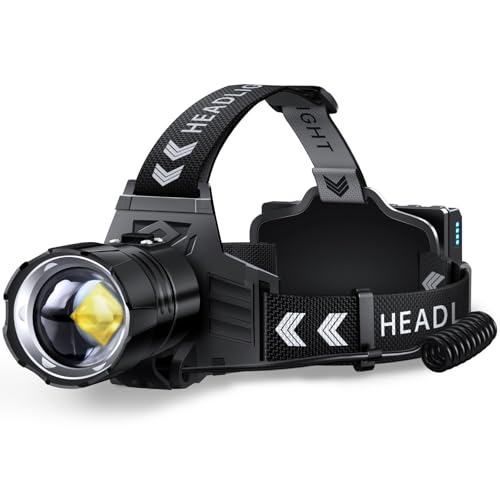
FINICO Rechargeable 99000-Lumen Headlamp
A Breakdown Of The Leading Choices
Camera work rarely needs a spotlight bright enough to overpower your flash or artificial light. This Energizer uses a hands-free format and offers up to 450 lumens with a stated reach of 85 meters, giving you enough light for setting equipment, following a trail, or checking a distant campsite.
The included batteries remove charging from a critical field kit. Compared with the rechargeable models later in this list, the Energizer Vision is a steadier choice for photographers who value simplicity, while its stated water resistance suits changing weather and dusty locations.
Bright Spots
- Hands-free design leaves camera and tripod controls accessible.
- Up to 450 lumens covers equipment setup and outdoor movement.
- Included batteries avoid charging delays before a shoot.
- Water resistance adds practical protection during changing weather.
Things To Consider
- Disposable batteries require spare stock for long assignments.
- The 85-meter reach is less appropriate for the very high-output models here.
Quick Facts
Who It Suits Best
This model suits landscape and travel photographers who need dependable hands-free light across mixed indoor and outdoor assignments.
Another Choice May Suit
The INECOKS Rechargeable 3000-Lumen Headlamp better serves photographers who prioritize rechargeable power and selectable output modes.
Travel photographers carrying cameras, lenses, and stands rarely welcome another bulky tool. The Skywolfeye weighs a stated 5.2 ounces and uses an aircraft-grade aluminum body, giving it a more substantial feel than a typical plastic headlamp without adding much pack volume.
Its eight modes, red-light option, and stated waterproof construction suit night scouting and varied outdoor assignments. Compared with the Energizer Vision, the tradeoff is greater output and rechargeable convenience, while control modes become important around people whose night vision must stay intact.
The Practical Payoff
- The 5.2-ounce weight reduces fatigue during long location days.
- Eight modes support close work, movement, and wider illumination.
- Red light offers a less disruptive option for dark locations.
- Aluminum construction gives the housing a durable, rigid feel.
- Rechargeable operation fits multi-day photography trips.
Small Caveats
- High output may still be excessive for close indoor portraits.
- Rechargeable batteries need a charging routine between long shoots.
Technical Highlights
Made For
This headlamp fits travel, wildlife, and adventure photographers working across cold starts, long hikes, and compact overnight kits.
Reach For A Different Pick When
The Energizer Vision HD+ LED Headlamp better serves low-light photographers who value familiar low, spot, and flood settings over extreme output.
Different shooting stages call for different amounts of light, which is where the INECOKS nine-mode system becomes useful. It combines front and rear illumination for close equipment work, walking trails, and navigating darker areas, with output reaching 3000 lumens on its highest setting.
That flexibility makes more sense than chasing maximum output all night. Unlike the simpler Energizer Vision, this model gives photographers several beam choices within one rechargeable unit, though the abundance of settings may take a little practice during fast-moving assignments.
Strong Points
- Nine modes support focused, broad, and rear-facing illumination.
- Rechargeable operation suits repeated nightly fieldwork.
- Up to 3000 lumens handles demanding setup and navigation.
Points To Keep In Mind
- Multiple modes can slow fast changes during a rushed setup.
- Maximum output may consume the rechargeable battery more quickly than lower settings.
- Less specific beam details make it harder to predict spill control indoors.
The Right Fit
This option suits outdoor and documentary photographers who alternate between close gear work, trail movement, and rearward visibility.
Where Another Pick Shines
The Skywolfeye Rechargeable 2500-Lumen Headlamp offers a more clearly defined compact aluminum design and eight-mode alternative for travel-focused kits.
Low-light photographers often need a narrow beam before reaching for maximum brightness. The Vision HD+ provides low, spot, and flood settings, plus a pivoting head that directs light where your hands and camera are working rather than forcing you to turn your whole body.
Red-light mode preserves a less disruptive option for dark settings, while memory recall restores preferred focus modes. Compared with the 2500- and 3000-lumen picks, this Energizer focuses less on raw intensity and more on controlled, repeatable operation.
What Pays Off
- Separate low, spot, and flood modes support precise control.
- The pivoting head follows camera angles without twisting your neck.
- Red light offers restrained illumination for night work.
- Memory recall returns you to favored settings quickly.
Worth Noting
- Three AAA batteries create recurring replacement and packing needs.
- Lower maximum output suits controlled scenes better than expansive dark locations.
Core Details
Who Will Love This
Astrophotographers, nature photographers, and night-shooters benefit from the selectable low, spot, flood, and red-light controls.
Look Elsewhere When
The AKNEAR Rechargeable 99000-Lumen Headlamp better serves photographers who prioritize extreme maximum output and rechargeable convenience.
The AKNEAR headline figure is substantial, but photography rarely begins and ends with a single maximum-output moment. Its stated 99,000-lumen capability is aimed at exceptionally dark environments, large workspaces, and people who need to illuminate a broad area without a separate lamp.
Rechargeable power is useful for repeated field sessions, although your choice depends heavily on how much information appears about beam control and run time. Compared with the 3000-lumen INECOKS, the AKNEAR offers much more stated maximum output but far less information for assessing control near your subject.
What Earns Its Place
- Exceptional stated output suits expansive dark locations.
- Rechargeable operation avoids routine disposable battery use.
- High output can cover large workspaces around a shoot.
Possible Compromises
- Extreme output can overwhelm close subjects and nearby people.
- The available details leave beam pattern and runtime unclear.
- High-output charging needs deserve careful planning in remote locations.
Built With In Mind
This model fits photographers illuminating large outdoor sets, rescue-adjacent locations, or dark camps where broad reach takes priority over subtlety.
Swap It Out When
The Energizer Vision HD+ LED Headlamp is a better fit for controlled night scenes requiring low, spot, flood, and red-light settings.
Long assignments make advertised runtime as important as headline brightness. The FINICO pairs a stated 99,000-lumen maximum with up to 95 hours of operation, though those figures will depend heavily on the selected mode and may not describe maximum-output runtime.
Its rechargeable design reduces disposable battery clutter, but the built-in battery cannot be replaced by the user. For remote work, that turns charging access into a real ownership consideration; a spare lamp can be more reassuring than relying on one sealed power source.
Where It Delivers
- Up to 95 hours suits extended low-output field use.
- Rechargeable power reduces recurring battery purchases.
- 99,000-lumen maximum covers very dark environments.
- Long stated runtime benefits multi-day assignments.
Details To Watch
- The built-in battery is not user-replaceable.
- Maximum-output runtime may fall well below the stated 95 hours.
- Remote shoots require dependable charging access.
Essential Details
Whose Shelf It Belongs On
Night and wildlife photographers handling long, repeatable assignments fit this model best, particularly near reliable charging points.
Consider Something Else When
The Skywolfeye Rechargeable 2500-Lumen Headlamp offers a lighter 5.2-ounce aluminum design and clearer mode selection for mobile travel work.
Matching Light To Your Shooting Conditions
Beam Control Before Maximum Output
A spotlight produces a concentrated beam for distant subjects, while a flood setting covers a wider area with more even light. Photographers should match the beam to the task, using a narrow pattern for route-finding and a broad pattern for camera setup. Very high output can spill into your exposure and disturb nearby people.
Comfort Across Long Assignments
Headlamp weight and fit matter once a shoot extends beyond a quick setup. A 5.2-ounce model such as the Skywolfeye may feel practical in a traveling kit, while a heavier housing may feel more substantial during workshop or field work. Adjust the strap snugly and avoid leaving a high mode running longer than necessary.
Battery Planning For Remote Shoots
Rechargeable lights simplify repeated outings by reducing disposable battery clutter, but charging becomes part of the workflow. Carry a charging cable or power bank, and confirm the mode you need most before leaving coverage. The FINICO’s sealed battery deserves particular attention because the user cannot replace it.
Red Light And Low Settings
Red light is less disruptive in dark locations, while low output helps preserve the contrast between your subject and its surroundings. The Energizer Vision HD+ makes this easier through low, spot, flood, and red-light settings. Night photographers should carry a familiar model and adjust the level before working near other people.
Pitfalls To Avoid In Low-Light Fieldwork
Wrong Turns To Avoid
Do not choose by the largest lumen figure alone. Beam pattern, controls, weight, and battery strategy usually affect your photography more. Check how the lamp behaves near your subject, and confirm the charging or battery plan before leaving a location with unreliable power.
What Separates Premium From Basic
Higher-output models may add reach, rechargeable construction, metal housings, or specialized modes. Those features matter when your work spans large areas or long assignments, but a controlled low setting can be more valuable than maximum brightness. Pay for the functions you will actually use, not a number you rarely need.
Frequently Asked Questions
Are bright headlamps useful for photography?
A bright headlamp helps with gear setup, navigation, and subjects beyond your main light. Moderate settings are often better for working near people or preserving detail in a night scene.
Is a red-light mode valuable for photographers?
Red light can be less disruptive during dark assignments and in locations where preserving night vision matters. Its usefulness depends on your subject, surroundings, and the red light’s color rendering.
Should a photographer choose a rechargeable headlamp?
A rechargeable model suits repeated outings and locations with charging access. Disposable batteries can be practical for remote work, but spare cells add weight and recurring replacement needs.
What beam pattern is most useful?
A spot beam helps with distance, while flood light covers a wider work area. Choose a model with both patterns, and use the lowest effective setting whenever possible.
How bright should a photography headlamp be?
Choose brightness based on your surroundings and working distance rather than the largest available figure. Close indoor work may need less output, while large outdoor locations can benefit from stronger illumination.
