
Bathroom flooring work leaves little room for error, especially around the tub, vanity, and walls. The right installation accessories help you control expansion gaps, draw floating planks together, and correct seams without forcing boards in ways that can damage their edges. These picks focus on the compact tools and spacers that handle the fiddly work after the major floor installation is underway.
The Choices Worth Comparing

kosjund 4-Sided Floor Gap Fixer

NAACOO 20-Piece Dual-Size Flooring Spacers
kosjund Iron Floor Gap Fixer with Dual Grip

kosjund Iron Gap Fixer Five-Pad Kit

kosjund Heavy-Duty Iron Floor Gap Fixer

kosjund Iron Gap Fixer Five-Pad Set
A Breakdown Of The Leading Choices
A four-sided tapping surface gives you more ways to approach a seam around a bathroom wall or vanity. A floating floor can move slightly as its temperature and moisture conditions change, and this puller-style tool helps draw separated boards back together during installation.
Unlike the single-surface design in the kosjund Heavy-Duty Iron Floor Gap Fixer, it offers additional contact angles for confined spaces. The reusable adhesive pad is washable, while the included hammer supports the tapping action. You’ll get the most predictable result on a clean, compatible floating floor.
Points In Its Favor
- Four striking faces improve access in tight layouts.
- The washable sticky pad supports repeat use during a project.
- A hammer is included, reducing extra accessory hunting.
- Multiple contact angles suit planks beside walls and fixtures.
Small Caveats
- Confirm the floor floats; nails and adhesive defeat this repair method.
- Dirt on the contact surface can weaken adhesion, so clean it between uses.
Core Details
Right Fit
This pick suits bathroom installers working with floating laminate, vinyl plank, or compatible hardwood near fixtures and walls.
Where A Sibling Pick Shines
The kosjund Iron Gap Fixer Five-Pad Kit offers a more specialized setup for jobs where low vibration and dual suction are priorities.
Spacing controls the room your floor has to move. This NAACOO set includes quarter-inch and half-inch options, giving you two expansion-gap sizes for laminate and LVT work where the required clearance differs from the usual default.
The kit is less forceful than the kosjund 4-Sided Floor Gap Fixer because it establishes separation rather than closing an open seam. For beginners laying the first few rows in a compact bathroom, having both sizes visible may be more useful than carrying separate spacer collections.
Real Benefits
- Two gap widths support different installation clearances.
- Twenty pieces remain available as the layout progresses.
- The triangular form sits naturally along straight wall runs.
- Multiple spacers can establish a consistent baseline row.
Trade Offs
- It does not pull existing boards together after installation.
- Small pieces can disappear beneath trim or inside busy work areas, so keep a count.
- Reuse depends on the material and the floor surface.
Made For
First-time installers benefit most when laying floating laminate or LVT and need to hold a consistent expansion gap along bathroom walls.
A Better Fit Elsewhere
The kosjund Iron Floor Gap Fixer with Dual Grip better serves installers repairing separated seams after the boards are already positioned.
The iron body gives this repair tool a more substantial feel than many lightweight pullers, while two striking faces direct force into the plank edge. That geometry matters in a bathroom, where cabinet bases and wall lines limit your hammer swing.
A grip system covering two surfaces is intended to keep the tool planted as the seam is tapped closed. Compared with the washable-pad approach in the kosjund 4-Sided Floor Gap Fixer, this model emphasizes metal construction and multi-surface contact. You may find it especially useful on longer runs where stability matters.
Features That Help
- The iron construction suits repeated tapping during corrections.
- Two angled striking faces support close-quarter positioning.
- The dual grip spreads contact across two floor surfaces.
- Its compact form reaches awkward areas beside cabinetry.
Worth Noting
- Surface moisture or debris can reduce suction, so wipe the area first.
- The tool is restricted to floating floors.
- The exact pad replacement provisions are not specified.
Feature Snapshot
Built With In Mind
This tool suits experienced installers repairing floating hardwood, laminate, or vinyl plank in obstructed bathroom layouts.
Reach For A Different Pick When
The kosjund Iron Gap Fixer Five-Pad Kit is a stronger match for installers prioritizing felt-backed striking faces and separate adhesive pads.
This is the most accessorized repair setup in the group, with five spare sticky pads, a hammer, and a slot cutter in addition to the iron gap tool. That makes it useful for projects that involve more than one correction pass, particularly in compact rooms where keeping every piece on hand saves time.
Two silicone suction cups create combined holding force, and each angled striking face carries felt padding to reduce vibration and noise. The single-cup option helps near walls, a sensible detail beside a tub or vanity. Compared with the simpler kosjund Heavy-Duty Iron Floor Gap Fixer, this package is built for a broader sequence of repair tasks.
Real-World Strengths
- Felt-faced striking surfaces soften repetitive tapping.
- Five replacement pads support ongoing project use.
- Dual suction improves stability across open plank areas.
- Single-cup placement helps at room boundaries.
- The hammer and cutter complete the repair setup.
Details To Watch
- Wash and dry the adhesive pads before storage to preserve usability.
- The felt and suction components may collect moisture during installation.
- Its larger accessory set is unnecessary for a single minor seam.
Technical Highlights
Who Will Love This
Home renovators handling several seam repairs appreciate the spare pads, felt faces, hammer, and cutter kept together in one setup.
Another Choice May Suit
The kosjund 4-Sided Floor Gap Fixer is easier to consider for a simple floating-floor repair where several accessory pieces would go unused.
A straightforward iron repair tool makes sense for floating floors that develop a few open seams during placement. Its two 45-degree striking faces combine forward and downward force, helping move the tool toward the board edge without relying on one fixed approach.
The basic design leaves out the five-pad package and the dual suction arrangement. In exchange, you avoid carrying more components than the job requires, although accessory specifications remain limited. For a bathroom renovation involving several isolated corrections, that straightforwardness may feel cleaner than maintaining a full multi-piece setup.
Where It Delivers
- Angled faces help direct force toward open seams.
- Iron construction supports controlled tapping.
- Dual striking sides assist work in tight corners.
- The limited accessory count simplifies storage.
Possible Compromises
- No spare pad count is listed for this version.
- Its exact contact system is less detailed than the dual-grip model.
- Cleaning the contact area remains important before each repair.
Who Should Grab It
Installers wanting a direct gap-closing tool for compatible floating planks benefit from this compact option.
Swap It Out When
The NAACOO 20-Piece Dual-Size Flooring Spacers suit installers who need to establish expansion clearances before closing a seam.
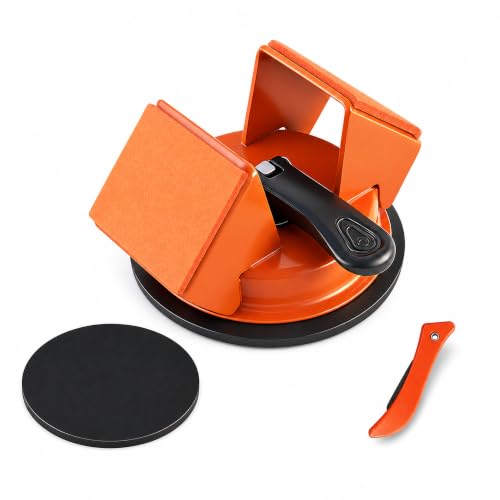
This set combines an iron floor-gap repair tool, a slot cutter, and five sticky pads, covering repair and preparation tasks in one compact group. For a bathroom with awkward corners, the two angled striking faces give you more freedom in how the tool meets a plank edge.
Compared with the kosjund Iron Gap Fixer Five-Pad Kit, this option omits the listed hammer and the detailed felt-pad configuration. You may still prefer it for compact storage or a preassembled accessory group. The enhanced suction cup provides the holding contact, but cleaning it before use remains a sensible maintenance step.
A Few Strong Suits
- Five sticky pads provide spare contact pieces.
- The slot cutter supports additional floor preparation.
- Two angled faces support close-quarter repairs.
- Suction helps stabilize the tool during tapping.
Factors To Consider
- Storage space is shared by the tool, cutter, and five pads.
- Dirt and construction moisture can weaken pad adhesion.
- The flooring must float for this method to work.
Key Attributes
The Right Fit
This set suits compact-renovation projects where a floating floor needs seam correction and you prefer keeping a cutter and replacement pads together.
Consider Something Else When
The kosjund Iron Gap Fixer Five-Pad Kit offers a clearer fit for repeated bathroom repairs that also call for a hammer and dual suction cups.
What Matters During Bathroom Floor Installation
Floor movement comes first
Floating floors need an expansion gap so boards can expand and contract without developing raised edges. Measure the spacing specified for your flooring and use the same gap consistently around the room. A spacer like the NAACOO set controls placement, but it cannot compensate for an incorrect assumption about the plank type.
Confirm the attachment method
The gap fixers in this roundup suit floating floors rather than boards fastened with nails or adhesive. A puller can force damage into a fixed floor instead of closing a normal expansion seam. Identify the installation method before placing a tool against the board edge.
Clean contact surfaces carefully
Dust, wax, moisture, and construction debris can reduce pad adhesion or suction. Wipe the working area, inspect the contact piece, and let it dry before tapping. The spare pads supplied with the two five-pad sets can help after a contact surface becomes dirty.
Consider room access
Bathrooms are rarely open rectangles. Cabinets, vanities, tubs, and trim create narrow working zones, so angled striking faces and single-suction positioning may matter more than maximum grip. Measure the available space around a problematic seam before choosing your repair tool.
Flooring Tool Details That Matter
Mistakes Worth Dodging
Avoid treating every visible joint as a repair problem; some are intentional expansion gaps. Clean the floor and confirm that the flooring floats before applying a gap fixer. A spacer establishes clearance, while a puller closes a seam after positioning.
What Separates Premium From Basic
A more complete set can add replacement pads, a cutter, felt-faced striking surfaces, or dual suction cups. Those extras help with repeated corrections and tight rooms, but a simple gap fixer may handle a single isolated seam. Match the accessories to the actual work rather than the number of pieces in the kit.
