
Furniture making rarely requires a dedicated concrete hammer drill. A capable drill driver handles most assembly, pocket-hole work, shelf installation, and cabinetry, while a true hammer drill earns its place for masonry hardware, wall anchors, and workshop renovation. You need the right balance of chuck control, speed settings, portability, and torque for your project. The six options below cover cordless convenience, heavier masonry work, and compact workshop storage, with clear distinctions between general-purpose drill drivers and tools designed for impact drilling. A conventional drill driver, also called a drill/screwdriver, combines drilling and screw-driving in one tool. A hammer drill adds a rapid impact action for masonry, while an SDS-Plus rotary hammer uses a different bit retention system for denser drilling work.
The Shortlist At A Glance
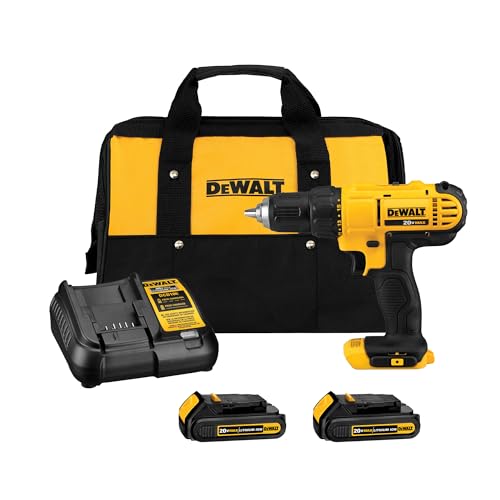
DEWALT 20V MAX Drill Driver DCD771C2

Berserker 1-1/8-Inch SDS-Plus Rotary Hammer 26FA

MtiolHig 1-Inch Cordless SDS-Plus Rotary Hammer

DEWALT 20V MAX Brushless Drill Driver DCD777D1
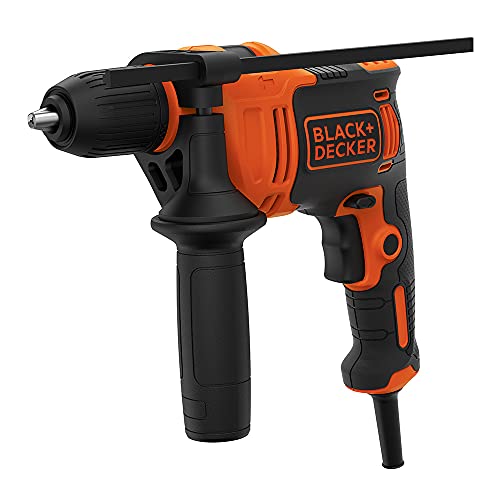
BLACK+DECKER 1/2-Inch Hammer Drill BEHD201
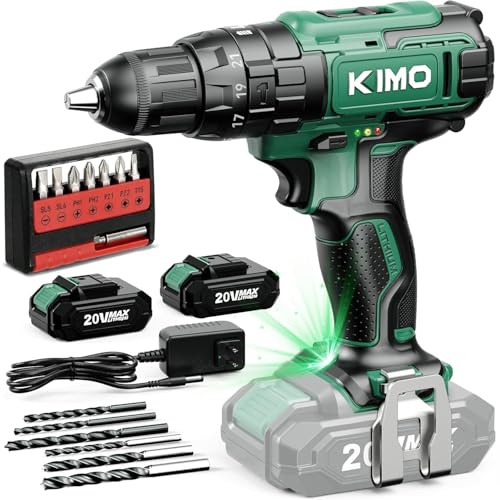
KIMO 20V Cordless Hammer Drill Set
The Details Behind The Selections
The DCD771C2 fits the core needs of furniture makers assembling cabinets, shelves, and workbenches. Its two-speed transmission gives you low-speed control for seating screws and higher speed for boring holes, while two 1.3Ah batteries help you swap packs as one depletes. It remains a conventional drill driver rather than a masonry-focused hammer drill.
Compared with the corded BLACK+DECKER later in the list, this DEWALT trades impact capability for cordless freedom. That balance works especially well on ladders, around bulky carcasses, and in a garage without a nearby outlet. One concern is that compact 1.3Ah packs may feel limited during long repetitive runs, depending on battery age and project demands.
Notable Gains
- Two-speed control supports both fastener driving and clean hole boring.
- Two batteries reduce downtime compared with a single-pack setup.
- The contractor bag keeps the drill, charger, and loose accessories together.
- Its compact format suits mobile assembly around large furniture pieces.
Small Caveats
- It does not provide the impact action offered by the masonry-focused choices.
- For repeated overhead work, smaller batteries may require more frequent changes.
- Chuck and bit cleaning help preserve smooth operation during long builds.
Key Specs
Made For
This model suits furniture hobbyists and installers who need dependable drilling and driving across home projects.
Another Choice May Suit
BLACK+DECKER 1/2-Inch Hammer Drill BEHD201 fits people who need a dedicated hammer mode for masonry anchors.
The Berserker 26FA addresses the renovation side of furniture work: anchoring cabinets, drilling into brick, and handling wall openings. Its 9.5-pound weight may be manageable for many overhead applications, though heavier masonry bits can change that equation. It is a rotary hammer, not a normal chuck drill.
SDS-Plus describes the bit connection used by this tool; regular drill bits and SDS-Max fittings will not be compatible. Compared with the MtiolHig model, the Berserker stays connected to mains power, which can be an advantage during extended concrete work. You may find the cord less convenient across a large renovation site.
Practical Advantages
- The 1,050-watt motor supports demanding masonry drilling.
- Four foot-pounds of impact energy targets brick and concrete.
- Its 9.5-pound body reduces bulk compared with many full-size rotary hammers.
- Continuous corded operation suits extended workshop and renovation sessions.
Things To Weigh
- Only SDS-Plus-compatible bits can be used.
- It is excessive for ordinary wooden joints and cabinet assembly.
- Carrying and managing the power cord adds friction outside a fixed shop.
Feature Snapshot
Right Fit For
This model serves renovation-focused woodworkers who regularly drill anchors or service openings into masonry.
Swap It Out When
DEWALT 20V MAX Drill Driver DCD771C2 is a better fit for portable furniture assembly without masonry drilling.
The MtiolHig combines cordless mobility with an SDS-Plus rotary hammer, making it relevant to mixed shop days involving wood fasteners, concrete anchors, and occasional renovation. Four operating modes and seven speed settings give you room to tailor the tool to different materials and bit sizes. That flexibility comes with a specialized chuck system that differs from ordinary drill drivers.
A brushless motor uses electronic controls rather than carbon brushes, supporting efficient operation and reduced mechanical wear. The listed 3-joule impact energy is substantial for a portable masonry tool, but its suitability for demanding renovation work depends on bit quality and the material involved. The anti-vibration design may feel useful during repeated wall drilling, where control matters.
Everyday Perks
- Four modes cover changing drilling and driving demands.
- Seven speed settings improve control across different materials.
- The 1-inch SDS-Plus format suits common masonry bits.
- Its cordless design simplifies work away from an outlet.
- Vibration control can steady repeated wall-hole work.
Where It May Fall Short
- SDS-Plus bits are required, limiting ordinary bit use.
- It may feel excessive for a dedicated furniture shop.
- Keep the chuck clean and inspect bits before demanding concrete work.
Built With In Mind
Mixed-material hobbyists benefit most from its cordless freedom and selectable operating modes.
A Better Fit Elsewhere
KIMO 20V Cordless Hammer Drill Set suits straightforward assembly work that calls for a familiar chuck.
The DCD777D1 brings a 1/2-inch chuck and brushless motor to furniture work where holding various round-shank bits matters. A single-sleeve ratcheting chuck supports quick bit changes, while the compact body fits between wall studs, inside cabinets, and beneath worktops. The LED also improves visibility in enclosed furniture cavities.
Compared with the DCD771C2, this set pairs a larger chuck with one 2.0Ah battery instead of two smaller packs. That arrangement is more convenient for occasional use because a single pack keeps the kit compact. For uninterrupted assembly sessions, the DCD771C2’s spare battery may hold more appeal, depending on your storage space.
Practical Pluses
- The 1/2-inch chuck accepts a broader range of everyday bits.
- Brushless construction supports efficient, low-wear operation.
- Two speeds suit controlled driving and faster drilling.
- LED lighting helps inside dark cabinets and drawers.
Points To Note
- One 2.0Ah battery provides less swapping flexibility than a two-pack set.
- It is not a dedicated hammer drill for dense masonry.
- Periodic chuck cleaning helps maintain secure bit retention.
Essential Details
Who Should Grab It
Cabinet installers and compact-shop hobbyists gain the most from its chuck versatility and integrated lighting.
Look Elsewhere When
BLACK+DECKER 1/2-Inch Hammer Drill BEHD201 makes more sense for concentrated anchor drilling into masonry.
The BEHD201 serves workshops where one tool must handle wood screws, metal boring, and masonry anchors. Its two-position control moves between standard drilling and hammer action, letting you reserve the impact setting for harder material. That flexibility contrasts with the dedicated rotary hammers earlier in the list.
The 6.5-amp motor is designed for a practical range of household and light workshop tasks, although continuous concrete work can become tiring. Compared with the cordless DEWALT models, there are no batteries to charge, but the cord limits movement around large furniture. You may find it most useful on a fixed bench or within a few feet of an outlet.
What Stands Out
- Hammer mode handles brick and masonry anchors without a separate rotary hammer.
- Standard mode supports everyday wood and metal drilling.
- The 1/2-inch chuck accepts a useful range of conventional bits.
Worth Bearing In Mind
- The cord removes the freedom offered by battery-powered choices.
- Its fixed-position trigger design may offer less mode adjustment than multi-speed tools.
- For heavy concrete work, the Berserker rotary hammer provides a more specialized mechanism.
Best Suited To
Home woodworkers who mostly work near an outlet need reliable drilling with occasional masonry support.
Reach For A Different Pick When
DEWALT 20V MAX Drill Driver DCD771C2 better serves mobile furniture assembly and stair projects.
The KIMO set combines drilling, driving, and hammer modes in a cordless format, covering a broad mix of furniture and home-improvement tasks. Its 21-position clutch gives careful control over screw depth, while variable speed ranges from 0 to 1,350 RPM. Two 2.0Ah batteries also distinguish it from the single-battery DEWALT set.
A 3/8-inch keyless chuck makes common bit changes convenient, and the listed accessory bundle reduces the need to assemble a separate starter bit set. Compared with the KIMO set, the BLACK+DECKER offers a more recognizable hammer-drill format, while KIMO packages more cordless flexibility. Its stated 350 in-lb torque is ample for many fastening tasks, but concrete drilling demands appropriate masonry bits and steady pressure.
A Favorable Mix
- Three operating modes cover driving, standard drilling, and hammer action.
- Two batteries support continued work after one pack is depleted.
- The 21-position clutch gives you more control over fastener depth.
- Variable speed supports both careful assembly and faster boring.
- The keyless chuck simplifies everyday bit changes.
Possible Compromises
- The smaller chuck holds fewer bits than a 1/2-inch model.
- Hammer mode is not a substitute for an SDS-Plus rotary hammer on demanding concrete.
- Accessory inventories and battery condition require occasional attention.
Quick Facts
Made For
Home hobbyists handling mixed assembly, metalwork, and light masonry tasks benefit from the two-battery package.
Consider Something Else When
DEWALT 20V MAX Brushless Drill Driver DCD777D1 suits woodworkers prioritizing a larger chuck and built-in LED.
Choosing The Right Tool For Your Build
Match The Tool To The Material
Begin with the material in front of you. Wood, sheet goods, and most furniture fasteners need a drill driver, while brick, concrete, and masonry anchors justify hammer action. A conventional 1/2-inch chuck offers a broad mix of bits, while SDS-Plus is designed for rotary hammer bits and will not accept standard drill shanks.
Control Matters During Assembly
Furniture assembly rewards low speed, smooth starts, and predictable torque. A multi-position clutch helps prevent screws from sinking too deeply into thin veneer or particleboard, while variable speed gives finer control around cabinet hinges and drawer rails. Consider trigger sensitivity as well as headline torque, particularly for repeated screw driving.
Weight And Balance Affect Long Sessions
A compact drill reduces strain around ladders, cabinet interiors, and undersides of assembled furniture. Cordless power adds freedom around a garage or open workspace, but battery capacity, charging logistics, and pack availability influence the decision. Corded tools remain practical on a fixed bench and may feel steadier during extended drilling.
Buy For Accessories And Storage
Check the chuck range, included bits, case, battery quantity, and likely accessory availability before committing. Compact cases help keep small parts organized, while dedicated storage prevents damage to bits and chuck components. The honest read is simple: most furniture makers need smooth speed control more than maximum impact force.
Avoiding The Wrong Workshop Purchase
Mistakes Worth Dodging
Choosing impact capability for ordinary joinery adds weight without improving the core task. Another common mistake is ignoring chuck compatibility or confusing SDS-Plus with a standard drill fitting. Match the bit system first, then consider battery capacity, clutch control, and storage needs.
What The Upgrade Pays For
Higher-tier cordless drill drivers often provide a brushless motor, more consistent runtime, better balance, or a wider chuck. Those traits matter for frequent cabinet installation and repeated fastener work. A specialized rotary hammer is worth the added weight only when concrete drilling forms a regular part of your projects.
