
A good grout float turns a tedious cleanup into controlled, even work across the joints. You need a pad that reaches tile edges without scratching the surface, a comfortable grip for repeated passes, and a size that suits your project scale. This lineup covers epoxy work, everyday installations, and related tile-setting materials for demanding home projects.
The Lineup, Simplified
LATICRETE Hydro BAN Anti-Fracture Waterproofing Membrane 1 Gallon
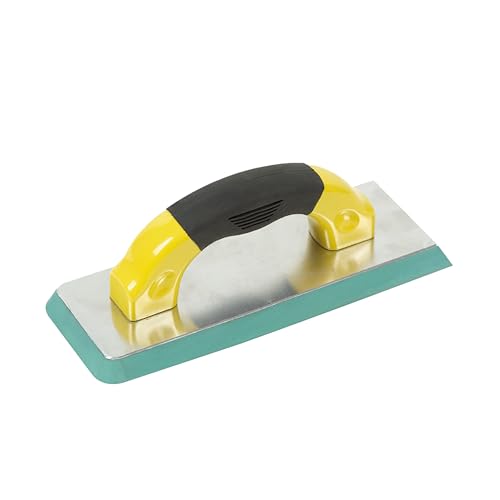
MD Building Epoxy Float Green/Black 4 x 8-7/8 In

SuperiorBilt ProBilt Polyproxylene Grout Float 3.5 x 9.5 In

Raimondi Smart Grout Float 10 x 4 In with Rubber

Laticrete Spectralock 1 Pre-Mixed Grout Bright White

Laticrete Strata Mat Uncoupling Membrane 323 Sq. Ft. Roll
Meet The Standout Selections
Hydro BAN is a liquid-applied membrane rather than a grout float, making it an adjacent choice for projects that need substrate protection before tile. Its liquid-rubber construction spreads into a flexible layer, while crack isolation helps accommodate movement beneath the finished surface.
For a shower, kitchen, or other moisture-exposed installation, you may find the fabric-free approach easier to coordinate than a reinforced membrane system. The lighter tone also makes coverage easier to inspect during application, though careful surface preparation remains essential.
What It Does Well
- Applies as a liquid membrane without field-fabric reinforcement
- Forms a flexible layer designed to isolate underlying cracks
- Lighter color makes incomplete areas easier to identify
- Flood testing can begin after two hours at 70°F or warmer, subject to curing guidance
Things To Consider
- This is a waterproofing membrane, not a tool for pressing grout into joints
- Seams or gaps larger than 1/8 inch require additional system guidance
- Application temperature and curing conditions directly affect project timing
Key Specs
Built With In Mind
This membrane suits experienced renovators preparing tiled wet areas that require crack isolation and liquid-applied protection.
Another Choice May Suit
Choose the SuperiorBilt ProBilt Polyproxylene Grout Float instead for the actual grout-application stage.
This float targets epoxy grout, a dense material that rewards controlled placement and careful removal from the tile face. Its compact format gives you room to maneuver around backsplashes, counters, and narrow sections instead of forcing an oversized float into a confined layout.
Compared with the later ProBilt option, the MD Building model puts more emphasis on precise material distribution. The rubber pad supports smoother contact, while the contrasting green and black components make the tool easy to identify among masonry supplies.
Useful Strengths
- Designed specifically for placing epoxy grout between joints
- Compact dimensions help with tight edges and small work areas
- Rubber pad supports controlled application without a hard plastic edge
- ABS handle provides a durable, lightweight body
Small Caveats
- Its specialized focus makes it less relevant for every standard grout job
- Resin residue requires prompt cleaning according to the grout manufacturer’s guidance
- The compact face may require more passes across a large floor
Who It Suits Best
You’ll get the most benefit from this float on epoxy-grout installations involving counters, backsplashes, or detailed tile edges.
Look Elsewhere When
The SuperiorBilt ProBilt Polyproxylene Grout Float serves broader sanded and non-sanded grout work more effectively.
Among the choices here, the ProBilt float has the most balanced role for common household tile work. Polypropylene, a durable plastic used widely in tools and containers, gives this model a scratch-conscious contact surface for floors, walls, and countertops.
The 3.5-by-9.5-inch footprint offers more coverage than the MD Building epoxy float without feeling unwieldy. Its SoftGrip handle becomes particularly useful during a kitchen backsplash or shower wall, where hundreds of small passes can otherwise fatigue your hand.
Strong Points
- Works with sanded and non-sanded grout across several tile surfaces
- Polypropylene body is designed to avoid marring or scratching tile
- SoftGrip handle supports longer grouting sessions
- Versatile dimensions suit floors, walls, and countertops
Practical Considerations
- Promptly remove dried grout from the pad to prevent buildup
- The broad format may feel less precise in unusually tight epoxy work
- Comfort depends on keeping the handle dry and free of hardened residue
Feature Snapshot
Made For
This float fits weekend renovators working with either sanded or non-sanded grout on multiple household surfaces.
Reach For A Different Pick When
The Raimondi Smart Grout Float offers a longer, lighter option for professionals applying grout across extensive walls.
A ten-inch working face suits installers who need to move efficiently across a large wall or floor. Rather than relying on extra pressure, the sharp-edged rubber pad helps shave excess grout level with the tile, which can reduce the number of separate cleanup passes.
That longer profile differentiates it from the 9.5-inch ProBilt, though the two occupy similar territory. You may find the Raimondi more natural for broad, repetitive sections and the ProBilt somewhat easier to pivot inside a compact installation.
Practical Advantages
- Long face covers broad grout areas with fewer passes
- Lightweight construction limits arm fatigue on extended projects
- Sharp rubber edge helps remove excess material at the tile surface
- Neutral pad color reduces the risk of visible discoloration
Less-Strong Areas
- Replacement rubber pads are sold separately
- The long face requires more turning space than compact models
- Owners commonly need to clean residue from the sharp edge promptly to maintain smooth movement
Right Fit For
Professionals and serious home renovators benefit most from the larger face on expansive walls and floors.
Swap It Out When
The MD Building Epoxy Float provides better control for dense epoxy in small, detailed areas.
Spectralock 1 is grout rather than a float, but its ready-to-use format affects the tool choices that make sense for installation. Opening the pail removes the measuring and mixing stage, which can make a small repair or one-room project easier to organize.
Bright white creates a crisp visual contrast against darker tile, although the color makes careful cleanup particularly important. The material is positioned for consistent color and stain resistance, so pairing it with the ProBilt float helps you remove residue before it settles into the tile face.
Bright Spots
- Ready-to-use format eliminates on-site mixing
- Bright white suits light and dark tile designs
- Uniform color consistency supports a finished appearance
- Stain-resistant formulation targets easier long-term maintenance
Worth Noting
- This is grout material, not a grout float
- Bright color shows haze and residue readily during cleanup
- Storage depends on the pail remaining tightly closed according to the product label
Core Details
Who Will Love This
Busy homeowners benefit from the premixed format on small repairs, bright kitchens, and time-conscious bathroom updates.
A Better Fit Elsewhere
The SuperiorBilt ProBilt Polyproxylene Grout Float is the direct tool choice for applying and shaping grout.
Strata Mat belongs before grout, as an uncoupling membrane that separates tile or stone from the concrete substrate. Its vents allow mortar to pass through the mat, creating a mechanical bond rather than relying only on a smooth surface connection.
For a large residential or commercial floor, that approach can provide more uniform coverage than loose-lay tile over concrete. The 323-square-foot roll also reduces the number of separate membrane pieces, although your actual project dimensions determine how much material remains after cuts and overlap.
Positive Takeaways
- Vent structure creates a mechanical bond with adhesive mortar
- Open design lets installers see membrane coverage without lifting the mat
- Vent passages support faster mortar curing
- Large roll suits broad tile and stone installations
Possible Compromises
- This is an underlayment membrane, not a float for pressing grout into joints
- Tile and stone rated light require a suitable large-and-heavy-tile adhesive mortar
- Careful cuts and full adhesive coverage are essential to the system’s performance
Built With In Mind
Professional installers handling large tile or stone over rated-light concrete benefit most from the roll format.
Look Elsewhere When
The Raimondi Smart Grout Float is the more relevant choice once the tile is set and grout application begins.
What Matters Before You Choose a Float
Material and tile contact
A float’s contact material should suit the tile finish as closely as possible. Polypropylene offers a scratch-conscious option for the ProBilt, while rubber pads on the MD Building and Raimondi models support controlled contact. Polished stone and delicate glaze deserve particular care because a dirty pad can drag residue across the surface.
Footprint and project scale
Small counters favor the compact MD Building epoxy float, while broad walls benefit from the Raimondi model’s ten-inch face. The SuperiorBilt option occupies the practical middle with a 3.5-by-9.5-inch format suited to many household installations.
Grip and cleaning routine
A comfortable grip becomes more important as the number of passes rises. SoftGrip and lightweight construction can reduce hand and arm fatigue, but both only help after residue is kept from hardening around the grip and pad. Rinse tools according to the grout manufacturer’s directions and avoid leaving cured material on the working face.
Matching Tool Features to Your Project
Wrong Turns To Avoid
A float designed for epoxy grout may not suit every standard installation, and a long face can feel awkward around small counter sections. Check the grout type, tile finish, and available turning space before purchasing. A separate grout-removal sponge still matters because a float performs only the first stage of cleanup.
The Upgrade Payoff
Higher-cost tools may add scale, specialized geometry, or replaceable components rather than basic application capability. The upgrade matters most on large walls, detailed epoxy work, or repeated professional jobs. For a modest repair, a compact general-purpose float can provide the control you need without extra complexity.
Frequently Asked Questions
What type of grout float works best for most tile?
A general-purpose float with a comfortable handle and a surface suitable for your tile finish handles most sanded and non-sanded grout. Match the footprint to the area so you can maneuver without catching tile edges.
Can a grout float scratch tile?
Hard contact and trapped debris can cause marks on delicate surfaces. The ProBilt’s polypropylene body is designed to avoid scratching, but cleaning the pad after every pass remains essential for careful work.
Is a larger grout float better?
A larger face covers broad sections with fewer passes but requires more space to turn. Compact models offer better control around counters, backsplashes, and detailed edges.
Should I clean a grout float immediately?
Prompt cleanup prevents cured material from hardening around the pad and handle. Follow the grout manufacturer’s cleaning directions and avoid dragging residue across the tile.
Are waterproofing membranes and grout used for the same step?
No. A membrane such as Hydro BAN or Strata Mat belongs to substrate preparation or tile installation, while grout fills the joints after the tile is set. Your project documents should define the required system and compatible products.
