
Bedroom security becomes more practical when a sensor fits neatly onto a window or door without drawing attention. Glass break sensors respond to vibration, while door-opening chimes provide a simpler alert for bedrooms shared by children, pets, or anyone who may need a quiet warning during the night.
The trade-off is coverage. A single sensor protects one vulnerable opening, and overly sensitive settings can react to accidental knocks or nearby traffic, so choosing the right balance between alert volume, sensitivity, size, and maintenance matters.
The Leading Options At A Glance

SanJie Motion Sensor Door Chime/Alarm

Noopel Glass Break Sensor 5 Pack
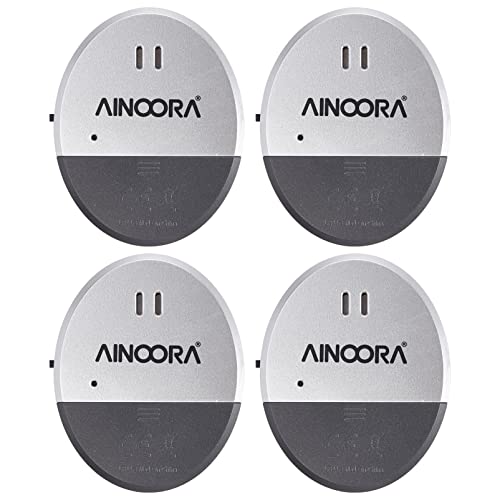
AINOORA 130dB Window Alarm 4 Pack

WSDCAM 125dB Glass Break Sensor 4 Pack

SanJie Door Chime Alarm When Open

SanJie Waterproof Door Chime Alarm
Taking A Closer Look At The Options
This unit serves a different role from the glass alarms that follow it: it detects movement near an entrance rather than sensing the shock waves produced by breaking glass. That makes it useful beside a bedroom door entered by a pet, especially in a home where a small chime would be easy to overlook.
The receiver and sensor arrive paired, which reduces setup to plugging in the receiver and mounting the sensor with screws or double-sided tape. You can adjust the alert across five levels, from mute through a stated maximum of 110dB, although the highest setting may prove excessive in a quiet bedroom at night.
What Works In Its Favor
- Five volume levels let you balance a useful nighttime alert against sleep disruption.
- Pre-pairing removes the setup friction associated with pairing components separately.
- Screws or double-sided tape provide two practical mounting choices.
- It suits homes where pets frequently approach or pass through bedroom doors.
Points To Note
- It monitors nearby motion, not glass vibration, so it does not replace a bedroom window sensor.
- Owners of busy entrances may need the lowest audible level to avoid repeated alerts.
Quick Facts
Who It Suits Best
You benefit most from this choice in a pet household seeking an indoor opening alert with adjustable volume.
A Better Fit Elsewhere
Noopel Glass Break Sensor 5 Pack suits you better when bedroom window vibration detection is the main requirement.
Five sensors give Noopel an edge in homes with more than one vulnerable bedroom opening. Each unit watches for vibration or shock waves associated with shattering glass, a trigger-based method that can provide an early warning before a broken pane becomes an open entry point.
The alarm reaches a stated 125dB and continues for 30 seconds, which should be noticeable in many indoor spaces. A roller control adjusts sensitivity, meaning you may need a less responsive setting near a frequently closed door or a shared wall, depending on the surrounding movement.
Positive Takeaways
- Five units cover several windows without requiring separate purchases.
- Adjustable sensitivity helps balance intrusion detection with everyday knocks.
- The sustained alert remains active for 30 seconds after a trigger.
- A low-battery indicator supports routine maintenance.
Small Caveats
- High sensitivity can pick up repeated impacts in a busy household.
- Each opening needs separate placement and occasional sensitivity checks.
Key Specs
Built With In Mind
You get useful coverage in a multi-window home where each bedroom opening needs a dedicated sensor.
Consider Something Else When
AINOORA 130dB Window Alarm 4 Pack suits you better when a lower-profile body and included batteries matter more than receiving a fifth sensor.
AINOORA focuses on a thin sensor body, measuring 2.6 by 2.1 by 0.3 inches, which sits more discreetly against a window frame. That profile is useful in a bedroom where appearance matters and a bulky alarm could interfere with curtains, blinds, or the window’s normal operation.
The stated 130dB alert sounds for 30 seconds when the sensor detects a relevant impact, and a red indicator blinks at the same time. Four sensors cover multiple openings, while three LR44 batteries per unit are included, with the source listing up to one year of standby time under its stated conditions.
Practical Advantages
- The slim profile preserves space around narrow window frames.
- Four units suit apartments with several accessible windows.
- Included LR44 batteries reduce the need for an immediate extra purchase.
- The visual indicator complements the audible alert.
Trade Offs
- The stated standby time does not confirm how long repeated alerts will last.
- Owners will still need to check each unit periodically, particularly near busy exterior walls.
Technical Sheet
Made For
You benefit most in an apartment, office, or RV where low-profile sensors and portable placement are priorities.
Where Another Pick Shines
Noopel Glass Break Sensor 5 Pack gives you broader window coverage and a low-battery indicator for a home with five openings.
WSDCAM covers the same basic need as AINOORA, using physical vibration to activate a stated 125dB alarm and red indicator. Its four-pack format is practical for securing a bedroom window alongside a glazed door, an upstairs landing, or another opening exposed to the same corridor.
Adjustable sensitivity is the feature that deserves attention. The range covers light touches through stronger impacts, although a bedroom sharing a wall with a hallway may call for a more restrained setting to reduce unwanted alerts.
Advantages To Know
- Four sensors allow a mix of bedroom doors and windows.
- Sensitivity adjustment helps account for different impact levels.
- The flashing indicator adds a visible signal alongside the alarm.
- Black housings blend more readily with many dark window frames.
Worth Bearing In Mind
- The source provides no battery-status indication for these units.
- Placement near a frequently struck frame may produce recurring alerts.
- It lacks the numeric dimensions supplied for AINOORA, so the final fit requires checking.
The Right Fit
You get a sensible fit when your bedroom security plan covers both glazed doors and windows with a four-sensor pack.
Look Elsewhere When
AINOORA 130dB Window Alarm 4 Pack suits you better when exact dimensions and included batteries are essential to your setup.
This door chime targets a straightforward problem: a bedroom door opening without much notice. That makes it a practical option for a child’s room, a bedroom used by someone who may wander, or a shared home where you want a chime indicating entry into a private space.
It is not a glass break sensor, despite sharing the broader home-alert category. You may prefer a basic opening notification over vibration detection, especially for interior doors where breakage is not the principal concern, but the limited information leaves questions about volume, pairing, and mounting.
Useful Highlights
- Opening alerts suit bedroom safety and household monitoring.
- The basic purpose remains clear and easy to understand.
- It complements, rather than duplicates, the window sensors listed.
Honest Caveats
- It will not identify shattered glass or monitor movement beyond the door.
- No range, volume, or power details are provided, so room fit needs careful confirmation.
- Installation hardware and pairing steps are not specified.
Made For
You benefit most from a simple opening alert on a child’s bedroom door or another interior room requiring a private-entry cue.
Another Choice May Suit
SanJie Motion Sensor Door Chime/Alarm fits you better when you also want adjustable volume and movement detection near the entrance.
Weather resistance gives this SanJie option a clear advantage over ordinary indoor door chimes. You can consider it for an exposed gate, patio entrance, mailbox area, or other opening where rain, snow, humidity, or seasonal temperature changes could affect a less protected unit.
Its opening alert is described as continuous and long-lasting once triggered, which suits high-security or child-safety situations where a brief chime might be missed. The source does not provide an exact duration, so you should confirm the alert behavior and range before relying on it for a critical doorway.
Notable Upsides
- Waterproof construction suits exposed household and business entrances.
- A sustained alert reduces the chance that a short chime passes unnoticed.
- It works for gates, patios, and mailboxes as well as doors.
Details To Watch
- No exact alert duration, range, or operating specification is provided.
- Outdoor suitability does not remove the need to check placement and power maintenance.
- It detects door opening rather than glass vibration.
Feature Facts
Right Fit For
You benefit most from this option at an exposed gate, patio, or exterior doorway where weather resistance matters.
Reach For A Different Pick When
WSDCAM 125dB Glass Break Sensor 4 Pack suits you better when vibration detection across several glazed openings is your main concern.
Choosing A Sensor That Fits Your Bedroom
Start with the opening that presents the actual risk. Ground-floor windows accessible from outside deserve vibration sensors, while an interior bedroom door may call for a simple opening chime. Placement near a shared hallway can require lower sensitivity because repeated knocks may pass through the frame.
Alarm level is only one part of the decision. You also need to consider whether a sustained alert will disturb sleep, whether the body fits the available frame area, and how easily you can reach the sensor for maintenance. A five-pack can cover more openings, but each unit still needs proper positioning and occasional attention.
Battery details deserve a direct check. The AINOORA set includes LR44 cells, while the Noopel listing identifies a low-battery indicator, but the source does not provide comparable power information for every alarm. The package contents alone do not establish how long repeated alerts will last.
Choosing The Right Trigger
Glass break sensors react to vibration, so surrounding traffic and accidental impacts can affect their usefulness. Door chimes respond to opening and suit access control, while motion sensors tell you that someone or something passed nearby. Each type solves a distinct problem in a bedroom security plan.
Checking The Physical Fit
A slim sensor looks cleaner on a narrow frame, but dimensions matter only alongside your chosen adhesive or mounting arrangement. Review the product details before installation, then confirm that the alarm remains accessible for testing and battery changes.
Thinking About Nighttime Alerts
A louder alarm can cut through background noise, though it may also disturb sleep. Start with a moderate setting where possible, then consider the distance to your bed and the building materials between the sensor and your sleeping position.
Planning Multi-Window Coverage
Multiple sensors become useful only when each sits on a vulnerable opening. Rooms with several accessible windows benefit from a four- or five-pack, while a single ground-floor pane may need only one unit. Coverage without careful placement creates gaps rather than complete protection.
Common Sense Checks Before Setup
Mistakes Worth Dodging
Treating a door chime as a glass break sensor leaves a major security gap. Check the trigger first: vibration, motion, and door opening serve different purposes, so combining the right types gives you more useful coverage.
What The Higher Tier Buys
Added units, slimmer housings, stronger stated alert levels, or included batteries can improve convenience, but higher cost alone does not confirm better performance for your room. Pay more for an attribute that solves a specific need, such as covering five windows or matching a narrow frame.
Frequently Asked Questions
Are Glass Break Sensors Suitable For Bedrooms?
They suit bedrooms with accessible windows or glazed doors, particularly at ground level. Interior doors and upper-floor windows may have different risks, so the opening itself determines the value.
Can You Reduce False Alerts?
Yes, set the available sensitivity control to a lower level and adjust it according to nearby movement. A restrained setting may help near busy hallways, shared walls, or frequently struck frames.
Do These Sensors Need Regular Maintenance?
Periodic checks help you confirm placement, sensitivity, and power status. Replace batteries according to the device’s instructions, especially after an alert depletes them sooner than standby use.
How Many Sensors Does a Bedroom Need?
One sensor can cover a single vulnerable opening, while several are useful for multiple windows or doors. Count accessible glazed openings and prioritize those with easier outside access.
Are Door Chimes Better Than Glass Break Sensors?
A door chime is better for detecting an opening, while a glass break sensor is better for detecting vibration associated with shattering. The stronger choice depends on the opening and the threat you want to cover.
