
A square keeps framing lines straight, while a moisture meter helps you identify damp wood, walls, and subfloors before a repair turns into a larger problem. This selection covers both jobs, from steel layout tools for carpenters to compact meters for water-damage checks. You’ll find heavy-duty framing options alongside portable tools for home projects and material inspections.
The Shortlist At A Glance

Starrett Professional Framing Square 24 x 2

POWERTEC 80008W Framing Square 16 x 24

General Tools MMD7NP Digital Moisture Meter
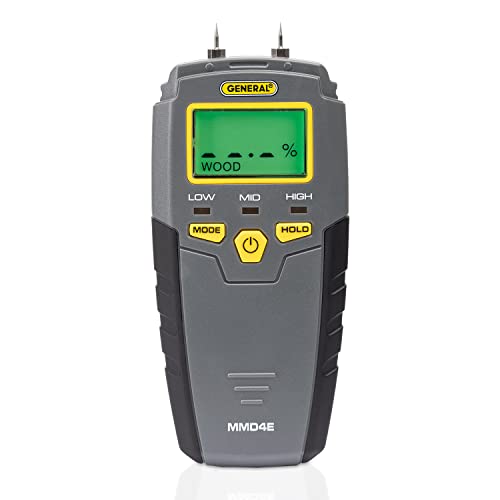
General Tools MMD4E Moisture Meter
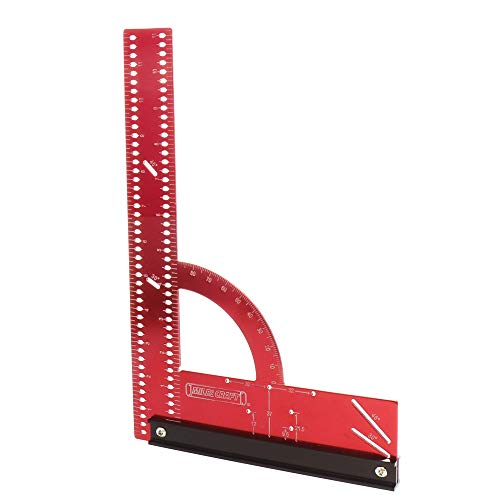
Milescraft 8410 MC-Square300 Framing Square

General Tools MMD950 Moisture Meter
Meet The Standout Selections
Large timber work gives this Starrett square room to do its job. The 24-inch body provides a substantial layout surface, while the steel construction suits active framing sites where a smaller aluminum tool may be less reassuring.
Stamped scales on both faces preserve visibility as the square is rotated, a practical advantage over markings limited to one working face. Experienced carpenters benefit most, though you may find it especially useful for wall layouts, posts, and oversized boards.
Positive Points
- The 24-inch body handles long framing dimensions without constant repositioning.
- Tempered steel offers a rigid surface for transferring lines across lumber.
- Graduations appear on both faces, helping during repeated layout changes.
- The 16-inch tongue reaches into intersecting framing layouts without adding unnecessary bulk.
Things To Consider
- Its full size is less convenient for small trim projects and confined tool bags.
- Steel needs wiping clean after layout work because surface debris can obscure fine marks.
Key Specs
Who It Suits Best
Professional framers and serious home woodworkers handling walls, posts, and large lumber benefit most.
Another Choice May Suit
Milescraft 8410 MC-Square300 suits compact woodworking tasks where a 12-inch aluminum tool is easier to maneuver.
POWERTEC narrows the framing-square role to layouts where roof pitch and stair calculations need more guidance than a basic carpenter square provides. Its 16-inch tongue extends into a 24-inch body, giving you a useful reference face for rafters, stairs, and dimensional layout.
Unlike the single 1/8-inch scale on the Starrett, this model carries several increments and conversion tables across its faces. For a crew building roof framing, that added information can reduce the need to stop at another reference tool, though the denser layout may take more study.
The Upside
- Rafter tables help translate common pitch information into layout marks.
- Front and back scales support marking from more than one working position.
- The steel profile gives rafters and stair work a firm edge for tracing.
Trade-Offs To Consider
- Multiple scales can feel crowded until you become familiar with each increment.
- Owners commonly wipe the profile after use to keep dust from filling the stamped markings.
- The 24-inch body can crowd smaller workbenches during furniture layout.
At A Glance
Built With In Mind
Roof framers, stair builders, and carpenters working from pitch or scale references benefit most.
Where Another Pick Suits Better
Starrett Professional Framing Square 24 x 2 serves general framing work that needs fewer specialized tables.
Moving from layout tools to diagnostics changes the task, but both belong in a careful home inspection. The MMD7NP uses a pinless, non-invasive design, meaning you can scan a surface without driving probe pins into finished material. That makes it useful around furniture, flooring, and walls during leak checks.
The limited source details leave its exact measurement range and display arrangement unspecified, so material fit deserves close attention before purchase. Compared with the pin-based MMD4E, this model prioritizes quick surface scanning and less surface disturbance.
What Pays Off
- Pinless operation avoids holes in finished surfaces.
- The handheld format supports quick movement across several rooms or materials.
- Non-invasive checks suit furniture, walls, and flooring during routine inspections.
Honest Caveats
- Surface scanning can be sensitive to unevenness, coatings, and material composition.
- It does not provide the direct pin contact offered by the General Tools MMD4E.
- Cleaning is simple, though storage near moisture sources can still affect electronic performance.
Made For
Home occupants and remodelers checking accessible finished surfaces benefit from the non-invasive format.
Reach For A Different Pick
General Tools MMD4E suits woodworkers who prefer stainless steel pins for direct material contact.
Direct pin contact makes the MMD4E more familiar to anyone accustomed to checking lumber or floor materials. Its one-hand size keeps it manageable during renovation work, and the easy-to-read LCD suits quick comparisons across several spots.
The listed applications extend beyond wood to concrete, drywall, and subflooring, though readings across those materials require careful interpretation. Unlike the pinless MMD7NP, this meter leaves small probe holes, so finished surfaces call for caution.
A Few Strong Suits
- Stainless steel pins make the tool straightforward for wood moisture checks.
- The ergonomic body supports one-handed positioning during repeat readings.
- A readable LCD keeps moisture-level comparisons visible at a glance.
- Material versatility covers common repair and construction surfaces.
Practical Considerations
- Pinholes can make repeated use unsuitable for already finished furniture.
- Probe contact calls for steady pressure and consistent placement.
- Owners commonly wipe the pins clean and store them dry to limit residue.
Quick Facts
Who Will Love This
First-time homeowners, contractors, and woodworkers handling unfinished repair materials benefit most.
Not Your Match When
General Tools MMD7NP is the better fit for delicate finished surfaces that cannot accept probe holes.
The 12-inch Milescraft format favors mobility over maximum reach. Aluminum keeps the body manageable, while scales for inside and outside measurements let you mark both faces and edges without switching tools.
For furniture, shelving, and repair work, that compact size may be an advantage over the steel framing squares on this list. Its quick angle references and notched layout features help with repetitive marks, while the removable fence can support more controlled alignment work.
Good Reasons To Consider
- The 12-inch body fits more easily into compact tool bags.
- Aluminum construction limits unnecessary bulk for everyday marking.
- Inside and outside scales cover common edge and face layouts.
- Quick angle references assist common woodworking lines.
Room For Improvement
- The 12-inch reach is limited for large wall and roof framing layouts.
- Fine marks can become harder to see after aluminum picks up dust.
- The removable fence adds another loose component to keep track of.
Feature Snapshot
Right Fit For
Furniture makers, cabinet workers, and home hobbyists favor this model for compact layouts.
Look Elsewhere When
Starrett Professional Framing Square 24 x 2 is the better fit for large posts and long framing members.
The MMD950 combines pin and pinless measurement in one meter, bridging the finish-sensitive approach of the MMD7NP and the direct contact offered by the MMD4E. That flexibility helps during mixed inspections involving wood, drywall, concrete, carpets, ceilings, and subfloors.
A large LCD and multicolor indicator bar provide two ways to interpret a reading, although visual indications still need comparison with surrounding material. Compared with dedicated pin meters, its automatic shutdown and selectable timing add useful control for extended jobs.
A Few Highlights
- Dual modes support both surface scanning and pin-based measurement.
- The large LCD keeps numerical information easy to view.
- A 40-dot indicator bar adds a quick visual reference.
- Selectable auto power-off helps manage battery use.
Small Caveats
- Mode switching takes more attention than a single-purpose pinless meter.
- Pin checks can mark finished surfaces, so the alternative mode matters.
- Keep probes dry after use to reduce residue and storage issues.
Technical Highlights
The Right Fit
Contractors, inspectors, and remodelers handling several material types benefit from the dual-mode format.
Swap It Out When
General Tools MMD4E offers a simpler choice when pin-based checks are the only measurement mode you need.
Choosing Tools for Layout and Moisture Checks
Start with the work in front of you. Long framing members, rafters, and stair layouts call for the reach and reference scales of a dedicated framing square. Smaller furniture and cabinetry projects benefit more from a compact aluminum tool that fits comfortably in one hand.
Match the Square to the Layout
A framing square should provide a rigid edge, readable graduations, and enough tongue length to mark intersecting lines. A body with rafter information serves roof work, while inside and outside scales serve more general woodworking.
The material also affects handling. Steel feels appropriate for demanding framing, whereas aluminum can be easier to carry between smaller jobs. Keep either type in a sleeve or clean storage area, since impact and grit are more likely to cause trouble than normal use.
Decide How You Check Moisture
Pinless meters suit finished surfaces and rapid scanning. Pin meters make direct contact with wood, drywall, concrete, or subflooring, but they can leave small holes. Dual-mode tools offer flexibility, though their controls take slightly more attention.
A moisture reading is one piece of a broader inspection, not a diagnosis by itself. Compare locations, consider building materials, and investigate readings that differ sharply from nearby areas. The display should guide your next step rather than replace closer examination.
Making a Practical Tool Choice
Mistakes Worth Dodging
Choosing a square solely by its overall length can leave specialized work underserved. Look for rafter tables, readable graduations, and the size of the tongue. With moisture meters, confirm whether your surfaces are finished and whether the tool needs pin contact.
What Separates Premium From Basic
A premium framing square usually adds useful reference tables, more scales, or a larger rigid body. A capable moisture meter may add dual measurement modes, clearer displays, and adjustable power controls. Those extras matter most on repeated jobs, while a single basic repair may justify a simpler tool.
Frequently Asked Questions
Are General Tools Framing Squares suitable for roofing?
Yes, a square with rafter information and adequate reach helps transfer roof-pitch references onto framing members. The POWERTEC 80008W includes rafter-related guidance, while the Starrett offers a larger general-purpose body.
Which square is easiest to carry?
The Milescraft 8410 MC-Square300 has the smallest listed body and aluminum construction, making it a practical fit for compact tool bags. Larger steel squares serve broader framing work better.
Can a pinless moisture meter check finished furniture?
It can scan the surface without making pinholes, making General Tools MMD7NP suitable for non-invasive furniture checks. Surface coatings, unevenness, and material composition can still affect interpretation.
What is the advantage of dual measurement modes?
General Tools MMD950 supports both pin and pinless measurements across different materials. This gives you more flexibility than a meter limited to one contact method.
Should moisture readings determine repairs by themselves?
No. Compare readings with nearby areas, consider the material, and inspect the surrounding structure. A meter helps locate areas for closer attention rather than establishing the entire cause of damage.
