
Tile repairs demand more than a fast bond. A gel adhesive must stay where you place it, grip smooth ceramic or porous material, and avoid turning a small repair into a cleanup job. These options suit detail work, vertical fixtures, and general household repairs, with several liquid formulas offering greater spread for broader coverage.
The pick that matches your project depends on control, quantity, surface type, and how quickly you need to handle the repair. The twelve-tube option works well for frequent small fixes, while the larger bottles suit workshops and routine maintenance.
The Picks In Brief

Super Glue Gel 2-Gram Tubes, 12 Count

ARKA All-Purpose Liquid Super Glue 1.75 oz
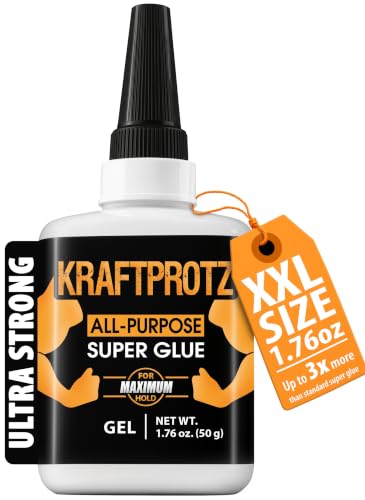
KRAFTPROTZ All-Purpose Super Glue Gel 1.76 oz

KRAFTPROTZ Ultra Liquid Super Glue 1.75 oz

Loctite Super Glue Gel Control 0.14 fl oz

Loctite Ultra Gel Control Super Glue 0.14 fl oz
The Strengths Of Each Pick
Small repairs rarely justify carrying a large bottle, and this set solves that problem with twelve 2-gram tubes. Each tube gives you a separate portion for a chipped ceramic edge, a loose decorative tile, or a tiny break in a hard household accessory.
The thicker gel is suited to clean vertical and porous surfaces, including wood, hard leather, and porcelain. Compared with ARKA All-Purpose Liquid Super Glue 1.75 oz, it offers more placement control and less material for one hurried mistake, though you may find frequent opening annoying after a busy repair session.
A Few Highlights
- Twelve individual tubes keep fresh portions available for repeated household fixes.
- Thick gel placement helps reduce runs beneath vertical ceramic and porcelain surfaces.
- The listed set time of 10 to 30 seconds suits quick assembly and short clamping holds.
- Compatibility with ceramic, pottery, vinyl, plastic, wood, and hard leather broadens daily use.
Practical Considerations
- The small 2-gram tubes are inconvenient for repairs that require a continuous bead.
- Loose caps or an unclean nozzle can interrupt a precision application, so owners generally benefit from keeping each tube properly closed after use.
Made For
This set fits homeowners, crafters, and repair hobbyists who regularly handle several small tile and ceramic fixes.
Another Choice May Suit
Choose KRAFTPROTZ All-Purpose Super Glue Gel 1.76 oz for one larger repair that needs a substantial bead.
A 1.75-ounce bottle makes sense when one small tube ends too quickly, such as during a weekend tiling project or a series of cabinet and household repairs. The liquid format can cover a broader joint than Super Glue Gel 2-Gram Tubes, giving you more freedom to trace a continuous seam.
That flowing consistency is the trade-off. You gain coverage and a larger supply, but precision takes more restraint on vertical surfaces, particularly where a ceramic edge could shift after application. Workshop users may appreciate the volume more than someone patching one delicate piece.
What Makes Sense
- The larger 50-gram quantity supports repeated applications and extended maintenance projects.
- Liquid adhesive spreads into narrow joints more readily than a thick gel bead.
- Rapid drying reduces the waiting period before handling a completed repair.
- A clear finish suits decorative ceramic where visible adhesive would be distracting.
Details To Watch
- A liquid adhesive can run before it sets, so careful alignment matters on vertical repairs.
- Owners should close the bottle promptly and store it upright because residue around the opening can make later cap placement messy.
- Its 1.75-ounce size may be excessive for occasional cosmetic touch-ups.
The Right Fit
This bottle suits workshop-oriented hobbyists and homeowners handling larger joints or several household repairs in one session.
A Better Fit Elsewhere
Loctite Super Glue Gel Control 0.14 fl oz provides better placement control for isolated vertical patches.
Combining a 1.76-ounce quantity with a gel formula creates a practical middle ground. You receive enough adhesive for a substantial repair while keeping the thicker consistency associated with controlled placement. That balance suits a home workshop where ceramic, plastic, wood, and craft pieces all appear.
Unlike ARKA All-Purpose Liquid Super Glue 1.75 oz, this KRAFTPROTZ formula should stay more localized, making accidental spread around a decorative edge easier to manage. The honest trade-off is that a broad joint may take several passes, so you need to keep each bead continuous instead of repeatedly restarting the application.
The Practical Payoff
- Large gel bottle reduces the need to stop mid-project for another tube.
- Thick consistency supports localized repairs on vertical or detailed components.
- Rapid handling readiness suits assembly work with short repair windows.
Possible Compromises
- The bottle offers less pinpoint control than a side-squeeze Loctite dispenser.
- Gel adhesive may require steady pressure to reach the full length of a wider seam.
- Store it capped and upright, as a wide opening can collect residue during frequent workshop use.
Built With In Mind
This format fits serious hobbyists who alternate among tile, craft, and general household repairs without needing separate tiny tubes.
Reach For A Different Pick
Super Glue Gel 2-Gram Tubes, 12 Count is easier for delicate projects where only a pinpoint amount is needed.
Long joints and wider gaps call for an adhesive that can move across more of the joint. KRAFTPROTZ Ultra Liquid Super Glue 1.75 oz fills that role with a flowing formula and a generous 50-gram quantity. It makes more sense for a workbench than for a tiny chip on a display plate.
Compared with KRAFTPROTZ All-Purpose Super Glue Gel 1.76 oz, this version sacrifices some vertical control for easier coverage. That becomes useful beneath a loose trim piece or along a broader decorative seam, although you may need masking or careful support to keep the liquid aligned before it sets.
What It Does Well
- Liquid consistency reaches narrow gaps and broader joints with less pressure.
- The large bottle supports repeated workshop maintenance and crafting work.
- Rapid drying shortens the interval before a completed bond can be handled.
- Clear appearance keeps the repair less conspicuous on decorative tile.
Trade-Offs To Consider
- Vertical placement demands steadier hands than any of the gel options here.
- A small nozzle may slow work on a long seam, especially after residue begins building around the opening.
- Use modest amounts first, since excess liquid can spread beyond the intended joint.
Who Will Love This
This bottle serves workshop hobbyists and serious crafters applying adhesive to wider seams and irregular household joints.
Look Elsewhere When
Choose Loctite Ultra Gel Control Super Glue 0.14 fl oz for a small vertical repair where run resistance matters more than coverage.
A side-squeeze bottle changes the way you handle small repairs. You can place a small amount without leaning the container over the work, which makes this Loctite formula useful for vertical ceramic, decorative trim, and a chipped edge near finished surfaces. The 0.14-ounce size is compact, but the bottle gives you more control than a standard cap.
Its gel formula does not drip or run, reducing the chance of adhesive traveling below the intended spot. Compared with Super Glue Gel 2-Gram Tubes, 12 Count, this design feels more integrated for a home drawer, though the smaller quantity is better suited to occasional fixes than sustained workshop use.
Positive Takeaways
- Side-squeeze placement supports accurate application around isolated damage.
- The no-run gel format is well suited to vertical and overhead positions.
- Compatibility extends across leather, wood, rubber, metal, paper, ceramic, and hard plastics.
- Pinpoint dosing helps limit adhesive around small decorative repairs.
- Cyanoacrylate, a fast-setting adhesive family, suits immediate household assembly.
Small Caveats
- The 0.14-ounce quantity runs out faster than the larger gel and liquid bottles.
- Clean the nozzle and close the bottle carefully after use, as trapped moisture can make cyanoacrylate handling less predictable.
The Right Fit
This bottle fits beginners, crafters, and homeowners making precise repairs around ceramic, wood, metal, and hard plastic.
Consider Something Else
Super Glue Gel 2-Gram Tubes, 12 Count gives you more separate portions for frequent small repairs.
Loctite Ultra Gel Control adds a rubber-toughened cyanoacrylate formula to the familiar side-squeeze bottle. That construction targets repairs exposed to impact, vibration, moisture, and daily handling, making it a sensible option for a tile accessory or household component that receives occasional knocks.
Compared with Loctite Super Glue Gel Control 0.14 fl oz, this version emphasizes tougher everyday performance while preserving the no-drip placement. The bottle remains compact, so you can keep it near a utility shelf, although the small quantity again favors targeted repairs over large seams.
Everyday Wins
- Rubber-toughened construction suits joints that may receive vibration or impact.
- The no-run gel stays localized during vertical applications.
- Side-squeeze control reduces the amount released for small ceramic chips.
- Water, shock, and vibration resistance make the formula more relevant to frequently handled repairs.
Worth Bearing In Mind
- The 0.14-ounce bottle offers limited coverage for broad tile joints.
- Residue at the nozzle requires regular care, particularly in humid storage conditions that can affect cyanoacrylate handling.
- Its toughness features are more relevant to exposed household pieces than decorative tiles kept behind glass.
Who Should Grab It
This compact bottle suits homeowners repairing handled accessories, tile decorations, ceramics, and other small components exposed to daily knocks.
Where Another Pick Shines
KRAFTPROTZ All-Purpose Super Glue Gel 1.76 oz offers more adhesive for repeated repairs, while this Loctite bottle prioritizes controlled application.
What Matters Before The Glue Leaves The Bottle
Gel Or Liquid Consistency
Gel adhesive stays closer to the application point, which helps with vertical tile trims, decorative edges, and small chips. Liquid adhesive flows more readily across wider joints, so you may prefer it for long seams or irregular spaces where a narrow applicator cannot reach the full repair.
Surface Porosity And Cleanup
Porous materials such as wood can absorb cyanoacrylate quickly, while ceramic, metal, and hard plastics create a different bonding surface. Clean the repair area before applying adhesive, and keep the material dry because trapped moisture can interfere with predictable setting and complicate nozzle maintenance.
Quantity And Application Control
A large bottle reduces interruptions during a busy repair period, while several small tubes keep separate portions available. A side-squeeze bottle offers particularly close control, so you can trace a small amount along a ceramic edge without dispensing a broad bead. Match the package to the size and number of jobs you realistically expect to complete.
Set Time And Repair Conditions
Fast-setting adhesive shortens the time before handling, yet your repair still benefits from firm alignment while it cures. Think about movement, impact, moisture, and vibration after assembly. A rubber-toughened formula may make more sense for an exposed household component than a small decorative tile kept in a quiet display.
Common Mistakes Around Tile Adhesive
Wrong Turns To Avoid
Choosing by drying speed alone can leave out more useful details, such as viscosity, nozzle control, and surface compatibility. Apply a small amount to a discreet area first, and avoid joining oily or dusty surfaces because contamination can reduce adhesion.
What Separates Premium From Basic
The upgrade often comes through tougher chemistry, finer dispensing, or stronger resistance to impact, water, and vibration. Those additions matter for handled household repairs, while a basic gel can be enough for a small decorative piece handled less often.
Frequently Asked Questions
Are Gel Super-Glues For Tile Safe For Vertical Repairs?
Gel formulas are well suited to vertical repairs because their thicker consistency resists running. Side-squeeze bottles provide additional placement control, so support the joint and keep the pieces aligned until the bond sets.
Can Super Glue Bond Two Ceramic Pieces?
Loctite formulas list ceramic among compatible surfaces, and several other options support pottery, porcelain, or similar materials. Clean both surfaces and confirm the listed compatibility before joining a particular ceramic type.
How Long Do Super Glue Repairs Take To Set?
The 12-tube option lists a 10-to-30-second setting time, while the larger formulas also emphasize rapid handling readiness. Full handling strength should not be confused with long-term cure time, so avoid stressing the joint immediately.
Is A Gel Adhesive Better Than Liquid Glue For Tile?
Gel adhesive offers better control on vertical and detailed repairs, while liquid glue spreads more readily across wider joints. Choose based on the repair shape, surface, and your comfort controlling the application.
Can You Use These Adhesives On Porcelain?
Several options list porcelain, wood, hard leather, ceramic, or related materials. Test discreetly, clean the joint thoroughly, and follow the product instructions before applying the adhesive to a visible area.
