
A paint mixer turns a slow, arm-fatiguing chore into a controlled drill-powered task. These attachments suit first-time decorators, furniture restorers, and home renovators who regularly stir paint, epoxy, grout, cement, or mud. The useful differences come down to container fit, shaft compatibility, paddle geometry, material, and cleanability rather than decorative color alone.
Start with your bucket size and mixture, then confirm that the attachment fits your drill chuck. A good mixer saves effort while still reaching the bottom, but a poorly matched shape can leave pockets, splash material, or trap dried compound.
A Fast Comparison Of The Options

MorningRo 3-Pack Drill Paint Mixers, White Zinc
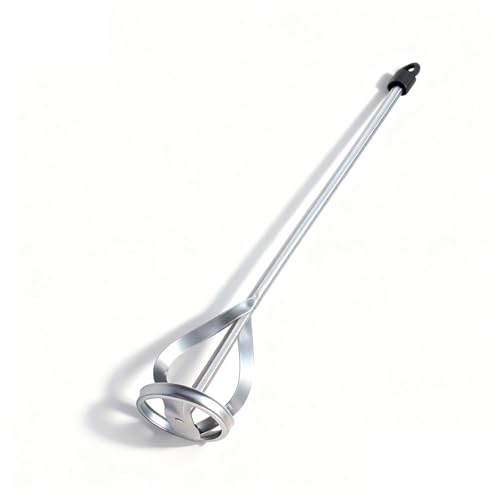
TILER 5-Gallon Drill Paint Mixer

ALLWAY HM1 and HMQ Helix Mixers

MorningRo 3-Pack Drill Mixer, Red
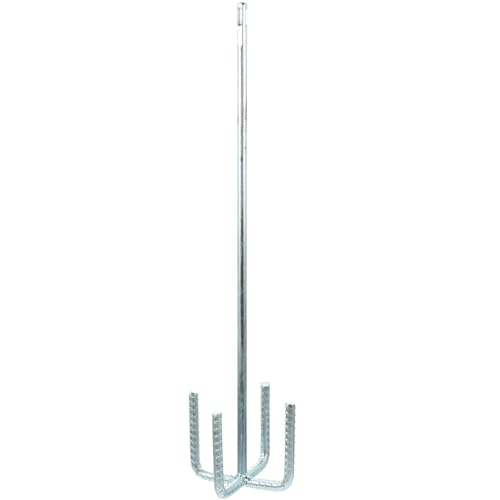
DOITOOL Mixer for Paint, Cement, Grout and Mud

MorningRo 3-Pack Drill Paint Mixers, Gold
The Picks, Examined More Closely
Three paddle shapes give this MorningRo set more flexibility than a single-stirrer design. Each attachment measures 15.7 inches long, with a 2.3-inch impeller tip, making the set a practical match for paints, epoxy, mud, cement, coatings, and powder compounds with low-to-medium viscosity.
That range makes it useful during a busy renovation, from thinning paint to combining small batches of finishing material. The different profiles can be rotated according to the mixture, although the tallest attachment needs enough clearance inside your vessel. Compared with the size-specific ALLWAY set, these paddles lean toward broader household versatility.
Positive Points
- Three distinct shapes support several mixing jobs without a separate attachment for each material.
- The 15.7-inch length helps the paddles reach through deeper paint containers and buckets.
- A 2.3-inch impeller tip provides a compact mixing head suited to low-to-medium viscosity compounds.
- Three attachments reduce the need to clean one paddle thoroughly between paint and cement projects.
Things To Consider
- The 15.7-inch length may crowd a shallow bowl, so measure the container before use.
- Owners commonly need to keep the attachment moving around the bottom to avoid leaving settled material in one corner.
Key Specs
Who It Suits Best
This set fits beginners handling paint, light cement compounds, resin, and mud in containers with adequate paddle clearance.
Consider Something Else When
ALLWAY HM1 and HMQ Helix Mixers suit you better when most projects use one-quart or one-cup containers.
The TILER attachment is designed around a straightforward five-gallon bucket routine, where paint and mud routinely settle at the bottom. Its purpose is to distribute material more evenly while limiting the splashing associated with vigorous manual stirring, which matters in a garage or renovation space.
For a beginner, the smooth exterior is as useful as the mixing shape itself. Rinsing the attachment promptly in clean water helps prevent dried paint and mud from hardening around the working end. Unlike the three-shape MorningRo sets, this option focuses on a familiar large-container format rather than a broad mix of small-batch paddles.
Notable Upsides
- The five-gallon focus suits standard buckets used for paint, cement, and mud.
- Drill power reduces the arm effort required to combine settled or heavy material.
- The low-profile design is suited to routine decorating and repair work.
Small Caveats
- Container clearance matters because an attachment that contacts the bucket can load the drill.
- The available information does not specify paddle length or drill-chuck fit, so verify both against your setup.
Quick Facts
Made For
This attachment suits first-time decorators who mainly mix paint, mud, or cement in a standard five-gallon bucket.
Another Choice May Suit
MorningRo 3-Pack Drill Paint Mixers, Gold suit you better when you want three shapes for containers of several depths.
Container matching sets the ALLWAY set apart. The HM1 handles one-gallon containers, while the HMQ covers one-quart and one-cup batches, so you can stir a full gallon of paint and a small can of epoxy without forcing an oversized paddle into either vessel.
The helix-shaped polypropylene blades move material through the container, while the heavy-duty quarter-inch hex shaft provides a secure drive connection in drill chucks of three-eighths of an inch or larger. That defined fit is useful for beginners because it removes much guesswork, though your drill must meet the stated size requirement.
Features That Help
- Separate capacities support gallon, quart, and cup-sized projects without a one-size compromise.
- The quarter-inch hex shaft transfers drill rotation through a secure connection.
- Polypropylene helix blades are suited to paint, epoxy, stains, textures, and adhesives.
- The matched small-container tools reduce excess blade space in narrow paint cans.
Practical Considerations
- Your drill needs a three-eighths-inch chuck or larger opening.
- Helix blades may drag mixture upward, so keep the drill at a low speed and hold the container steady.
Technical Sheet
Right Fit For
This set fits beginners mixing small paint cans, epoxy samples, stains, textures, and adhesive batches.
Look Elsewhere When
TILER 5-Gallon Drill Paint Mixer suits you better for projects centered on a standard large bucket.
Home decoration, building projects, commercial painting, car restoration, and furniture refinishing all involve mixing tasks that can exhaust your arm. This MorningRo set provides three drill-powered stirrers for distributing paint and related coatings more evenly, giving a first-time renovator a practical way to approach repetitive batches.
The red finish makes the set easy to identify in a crowded toolbox, but shape selection matters more than color. Compared with the ALLWAY set, the concept is broader: three attachments share the workload instead of matching specific quart and cup capacities. The published material does not provide enough dimensional detail to judge clearance with certainty, so measure your vessels first.
Everyday Wins
- Three stirrers give you alternatives for changing paints, coatings, and compound textures.
- Drill operation reduces repetitive arm movement during larger renovation tasks.
- The red set is easy to distinguish from other tools stored in a shared garage.
- Multiple shapes can remain assigned to different jobs, reducing cross-contamination during a busy project.
A Few Limitations
- Container dimensions and drill-chuck compatibility are not specified in the available information.
- Keep each attachment separate from cured coatings; owners commonly find dried residue difficult to remove once it hardens.
Built With In Mind
This set suits beginners managing several home-improvement, restoration, or furniture-painting tasks.
A Better Fit Elsewhere
ALLWAY HM1 and HMQ Helix Mixers suit you better when precise one-gallon, one-quart, and one-cup sizing matters most.
The DOITOOL mixer shifts attention from delicate paint stirring toward workshop compounds such as cement, grout, and mud. Its carbon steel construction provides a sturdier material choice than the polypropylene blades on the ALLWAY HM1 and HMQ set, making it a more plausible companion to repeated renovation work.
The bottom-up mixing approach helps draw trapped air toward the surface while combining dense material from the base of a container. That behavior matters in a garage project involving tile adhesive, grout, or patching compound, since uneven blending can affect color distribution and workability. For household paint, the steel construction adds weight, so control speed and container size carefully.
The Case For It
- Carbon steel offers a rigid body for cement, grout, mud, and paint projects.
- Bottom-up mixing helps move settled material and trapped air through a batch.
- The straightforward design suits workshop routines that value durability over decorative features.
Possible Compromises
- Steel may weigh more than plastic paddles during extended small-batch work.
- No paddle dimensions or chuck size are provided, making container and drill fit worth checking before a project.
- Prompt rinsing matters because hardened grout or cement can lodge around the shaft and working surfaces.
Feature Snapshot
Who Will Love This
This mixer suits beginners preparing grout, cement, mud, or patching material in a home workshop.
Reach For A Different Pick When
ALLWAY HM1 and HMQ Helix Mixers suit you better for lightweight coatings in small paint and adhesive containers.
The gold MorningRo set closely mirrors the white zinc version’s practical format, using three shapes rather than forcing one paddle profile onto every mixture. Each 15.7-inch shaft reaches into medium-depth containers, while the 2.3-inch impeller end handles low-to-medium viscosity paint, epoxy, mud, cement, coatings, and powder compounds.
That makes it a sensible general-purpose option for a first garage renovation, particularly when you expect to move between paint, resin, and light construction compounds. The trade-off is identical to the white zinc set: longer paddles need adequate vertical clearance. For precise one-quart and one-cup work, the ALLWAY set offers clearer container matching.
Useful Strengths
- Three profiles make it easier to adapt to different viscosity levels.
- Long paddles improve reach in medium and deep containers.
- The gold finish remains easy to identify in a shared tool area.
- Separate paddles can handle paint and heavier compounds without immediate cross-use.
Points To Keep In Mind
- Measure narrow cans before ordering because the 15.7-inch shaft may restrict maneuvering.
- Rinse or remove each mixture promptly, as dried resin and cement can bond to the paddle surface.
Best Suited To
This set fits beginners handling varied paint, resin, mud, cement, and coating batches in adequately sized vessels.
Swap It Out When
TILER 5-Gallon Drill Paint Mixer suits you better when one attachment dedicated to a standard bucket is enough.
Choosing the Right Mixer for Your Drill and Bucket
Start with the container. A long paddle can stir a deep gallon can but may not clear a shallow bowl, while a compact helix can work efficiently in a small paint can yet leave material at the edges of a large bucket. Measure both the vessel depth and the open diameter before choosing a shape.
The drive connection comes next. A hex shaft, meaning a shaft with six flat sides, must fit securely in a compatible drill chuck. The ALLWAY HM1 and HMQ set specifies a quarter-inch hex shaft for drills with three-eighths-inch or larger chucks. For another attachment, check the listing rather than assuming every drill mixer shares that fit.
Mixture viscosity describes how easily a material flows. Thin paint moves differently from thick grout, and a paddle designed for low viscosity may simply push dense compound around rather than breaking it down. The MorningRo sets target lower-to-medium viscosity mixtures, while carbon steel construction gives the DOITOOL attachment a more substantial profile for workshop compounds.
Daily ownership matters just as much as the mixing claim. A smooth surface is easier to rinse, and separate paddles prevent wet paint from carrying into cement or epoxy. In a busy kitchen or garage, keeping one attachment per material can save cleanup time, although several pieces also mean more items to wash, dry, and store.
Match the Paddle to the Mixture
Broad profiles move larger volumes, making them useful for paint in a full container. Helix blades draw material downward and through the batch, which helps smaller cans of epoxy, stain, or texture material. You get cleaner movement by keeping the attachment submerged and shifting its position around the base instead of holding it in one spot.
Control the Drill Speed
Low speed gives the paddle time to move material without throwing paint over the rim. High speed may appear faster at first, but centrifugal force can reduce mixing control and increase splashing. The practical approach is to use a steady, moderate setting, particularly with a large bucket that cannot be braced easily.
Plan for Cleaning and Storage
Work through a quick clean before residue cures. Hold the container steady, keep the drill at a lower setting, and rinse the attachment as soon as practical. Dry the shaft and blades before storage to reduce lingering moisture, and keep separate materials on separate paddles to prevent old coating from contaminating the next batch.
Practical Lessons Before You Mix
Mistakes Worth Dodging
A common mistake is judging only paddle length while overlooking bucket width or depth. Another is forcing an attachment into a drill chuck that does not match its shaft. Check the connection, measure the container, and choose the paddle shape for the material before starting.
What The Higher Tier Buys
A higher-tier set may provide multiple sizes, defined container matching, or sturdier material. The premium case is practical rather than decorative: you gain an attachment suited to more of your actual batches. Spending more makes sense after you identify your recurring container sizes and mixture types; otherwise, a simple well-matched option may cover your routine.
Frequently Asked Questions
Can a beginner use a drill paint mixer?
Yes, drill mixers are simple to operate. Start at low speed, keep the paddle submerged, and hold the container firmly. Let the material draw the paddle through the mixture.
What size drill chuck is needed?
Compatibility depends on the attachment shaft rather than the brand of drill. The ALLWAY HM1 and HMQ set requires a three-eighths-inch chuck or larger and uses a quarter-inch hex shaft. Confirm the specifications of the selected model before connecting it.
Can one mixer handle paint and cement?
A clean attachment can handle both types, but separate paddles make daily work easier. Keeping a paint paddle away from cement helps prevent residue contamination and reduces rinsing time between projects.
Do longer paddles mix better?
Longer paddles can reach material near the bottom of deeper containers. Length alone does not guarantee better mixing, however, because vessel width, blade shape, viscosity, and drill speed also determine how the material moves.
Should you mix paint at high speed?
Moderate speed usually provides better control and reduces splashing. High speed can cause the paddle to throw material or leave the mixture circulating near the surface instead of reaching the bottom consistently.
