
A useful tactical flashlight should make outdoor tasks easier without becoming another complicated piece of gear. I focus on beam control, runtime, portability, charging, and hands-free operation for hiking, camping, fieldwork, vehicle checks, and nighttime navigation. My shortlist covers rechargeable models, battery flexibility, colored light, and compact lanterns for anyone who needs dependable illumination away from an easy power source.
The Shortlist At A Glance

OLIGHT ArkPro Ultra Amber Orange Flashlight
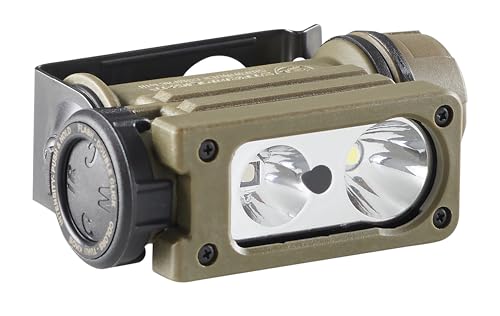
Streamlight 14211 Sidewinder III UC Coyote Flashlight

OLIGHT ArkPro Ultra Onyx Black Flashlight

Streamlight 14533 Sidewinder III Aviation Flashlight
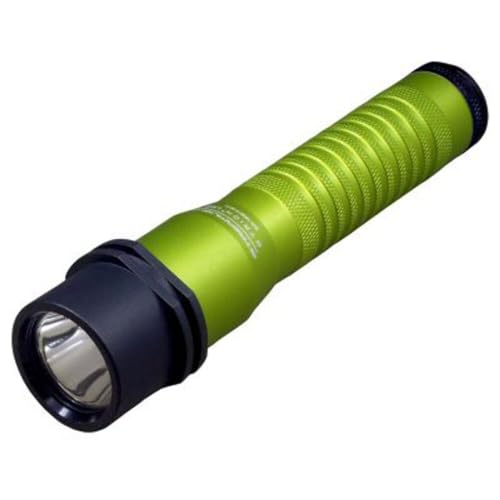
Streamlight 74344 Strion LED Lime Green Light Only

OLIGHT ArkPro EDC Nebula Violet Flashlight

Inforce Gen 3 WML White Light Black

Streamlight 44325 Portable 450-Lumen Yellow Lantern

Pocketman Zoomable Four-Colour Rechargeable Torch
A Breakdown Of The Leading Choices
The amber-orange finish makes the OLIGHT ArkPro Ultra easy to locate in a crowded pack, while its flat format suits EDC carry. I find its combination of broad illumination, focused reach, ultraviolet light, and green beam more useful across varied outdoor tasks than a conventional single-beam torch.
Camping, evening walks, and campsite repairs benefit from that versatility, although color-dependent tasks still demand judgment. Compared with the later Pocketman model, the OLIGHT separates white flood, spotlight, UV, and green output into more specialized functions.
Good Reasons To Consider
- A 1,700-lumen flood mode illuminates campsites, trails, and work areas with broad coverage.
- An 800-lumen spotlight handles more distant searching without changing tools.
- UV and green modes add specialized functions for inspection and signaling.
- The rechargeable flat body reduces spare-battery clutter.
Trade Offs
- Several light sources complicate simple carry compared with a one-purpose flashlight.
- The UV and green options need occasional lens cleaning after dusty outdoor use.
Who It Suits Best
Campers, night walkers, and field technicians benefit most from its mix of broad, focused, and specialized light.
Another Choice May Suit
The Pocketman Zoomable Four-Colour Rechargeable Torch serves fishing and wildlife-focused outings better through its dedicated blue, red, and green modes.
Freelance field work, vehicle inspections, and navigation favor a light that can be aimed without occupying a hand. The Streamlight 14211 uses a body that tilts through 185 degrees, letting the attached clip place light against a cap, strap, or gear surface.
Its compact form is less versatile than the ArkPro Ultra’s color-light package, but the AA battery approach is practical for trips beyond reliable charging access.
A Favorable Mix
- The broad tilt range supports hands-free work on ladders, packs, and vehicle panels.
- AA compatibility simplifies spare battery planning.
- Operation down to -40 degrees suits cold-weather field settings.
Worth Noting
- The included batteries leave less room for extended high-output use than a rechargeable cell.
- Its dedicated white-light emphasis offers less specialization than the OLIGHT model.
Quick Facts
Built With In Mind
Technicians, campers, and travelers who frequently need both hands free get the most from its tilting, clip-mounted format.
A Better Fit Elsewhere
The OLIGHT ArkPro Ultra Onyx Black Flashlight offers stronger recharge convenience and more light functions for daily carry.
The black ArkPro Ultra trades the amber-orange model’s high-visibility finish for a more understated everyday-carry profile. I favor it for night walks and campsites because the 1,700-lumen flood mode covers wide areas while the 800-lumen spotlight reaches farther.
That pairing handles trail markers, pack interiors, and distant obstacles without demanding separate tools. Relative to the Sidewinder III, it offers rechargeable convenience at the cost of hands-free positioning.
What Works In Its Favor
- Broad flood output reduces the need to sweep a narrow beam across campsite tasks.
- Focused output supports trail checks and distant navigation.
- Rechargeable construction simplifies everyday use.
- Black finish blends discreetly into dark gear.
- UV and green modes expand its use beyond ordinary white illumination.
Small Caveats
- Multiple light sources can make simple mode selection slower under pressure.
- Rechargeable capacity should be checked before extended trips away from power.
Feature Snapshot
Right Fit
Night walkers, campers, and everyday-carry users gain a flexible balance of area lighting and reach.
Where A Sibling Pick Shines
The amber-orange ArkPro Ultra is easier to spot in a crowded pack for anyone prioritizing quick visual identification.
The aviation-branded Sidewinder III is built around placement rather than feature sprawl. Its 185-degree tilt and integrated clip suit pilots, technicians, and campers who need a narrow beam directed from a cap, vest, or pack strap.
AA battery support is a practical reason to carry it on remote trips. Compared with the 14211 version, this model’s aviation positioning makes it the more natural fit for cockpit-adjacent and professional field kits.
What Makes Sense
- Hands-free positioning helps during aircraft, equipment, and campsite checks.
- The clip keeps the light accessible without consuming a pocket.
- Compact battery packaging suits travel and field kits.
- Cold-temperature support strengthens its outdoor credentials.
Possible Compromises
- White-light-only utility is limited beside the multi-source OLIGHT.
- AA cells need disciplined rotation during long, high-output sessions.
Made For
Aviation personnel, field technicians, and campers who prioritize hands-free positioning benefit most.
Consider Something Else
The Inforce Gen 3 WML White Light Black fits long-range nighttime observation better through its intense focused beam.
The lime-green Strion solves a practical workshop problem: finding the correct light among similar tools. Its rechargeable, compact body fits service vehicles and tool bags, while three brightness levels plus strobe cover inspection, marking, and signaling needs.
This listing is for the light alone, not a complete charging bundle. That distinction matters for anyone expecting batteries, a charging cable, or a dock to arrive in the package.
The Helpful Details
- The green finish is easy to identify in a crowded tool bag.
- Three brightness levels support both close work and broader illumination.
- Strobe output adds a visible signaling option.
- The compact shape suits vehicles, packs, and maintenance kits.
Practical Considerations
- Only the light is included, so charging accessories may need separate consideration.
- The stated runtime range reflects different brightness levels rather than one fixed duration.
Core Details
Whose Shelf It Belongs On
Mechanics, field technicians, and service-vehicle users gain the most from its color-coded, rechargeable design.
Reach For A Different Pick
The Streamlight 44325 Portable 450-Lumen Yellow Lantern provides broader area lighting for campsite setup.
The nebula-violet finish gives the ArkPro a distinctive identity, but the real story sits beneath the surface. A 1,500-lumen flood, an 800-lumen spotlight with a stated 205-meter reach, UV, and green light cover everything from campsite work to signaling.
Compared with the 1,700-lumen ArkPro Ultra, this model trades a little flood output for a more specialized beam package. That difference may favor anglers and outdoor technicians who use green light independently.
Reasons It Performs
- The spotlight reaches farther for trail checks and distant work.
- Broad flood light covers immediate surroundings.
- Independent green control supports specialized signaling.
- Rechargeable pocket construction suits regular carry.
Details To Watch
- Specialized modes make the control scheme busier than a simple white-light tool.
- Color lighting can reduce fine detail recognition in some outdoor conditions.
Who Will Love This
Anglers, campers, and field technicians who regularly switch between white and colored output appreciate the flexible beam package.
Swap It Out When
The Streamlight 14211 Sidewinder III UC Coyote Flashlight serves frequent hands-free tasks better through its tilting body and clip.
Long-range observation separates the Inforce Gen 3 WML from the broader multi-purpose choices here. Candela measures luminous intensity, meaning concentrated output rather than simply total brightness, which makes this model relevant for scanning distant trails or open terrain.
The stated 1.5-hour battery life may be short for extended patrol, depending on mode and conditions. Within that limit, the focused beam gives nighttime navigation a decisive reach advantage.
Everyday Wins
- 10,000-candela output supports focused long-range viewing.
- The single-battery format keeps the carry system uncomplicated.
- Black housing suits discreet field and equipment kits.
Trade-Offs To Consider
- The 1.5-hour stated runtime favors short missions over long camp nights.
- It offers less broad-area flexibility than the ArkPro flood modes.
Technical Highlights
Best Suited To
Night navigators and security personnel handling short, focused outdoor shifts benefit from its concentrated beam.
Another Choice May Suit
The Streamlight 74344 Strion LED Lime Green Light Only lasts longer across lower settings and remains easier to identify in a tool bag.
Not every outdoor light needs to illuminate a distant trail. The Streamlight 44325 concentrates on campsite and task-area visibility, giving a portable 450 lumens of broad light for tent setup, cookware, and gear sorting.
The yellow housing is easy to locate among dark bags, although color itself does not improve the emitted illumination. I see this as a useful area light to pair with a narrower handheld flashlight rather than a direct substitute for one.
A Strong Showing
- 450 lumens suit close and medium-sized campsite tasks.
- The yellow housing remains easy to spot in outdoor gear.
- Portable lantern format supports hands-free placement.
Less-Strong Areas
- It is less suitable for distant trail scanning than a focused flashlight.
- Fewer stated details make detailed accessory comparisons harder.
The Right Fit
Campers, overlanders, and roadside helpers benefit from dependable area illumination around a tent, vehicle, or temporary workspace.
Look Elsewhere
The Inforce Gen 3 WML White Light Black is the stronger choice for scanning distant paths and open areas.
The Pocketman model serves activities that benefit from colored light as much as ordinary white illumination. Red, green, and blue modes support wildlife observation, signaling, and night fishing, while the zoom adjusts between a narrow beam and a wider field.
I like the four-color approach for anglers, but dedicated high-output tools may feel more appropriate for search or rescue work. A built-in rechargeable battery removes routine battery replacement, though the included USB cable becomes an essential accessory.
Notable Gains
- Four colors cover white illumination plus specialized outdoor activities.
- Variable focus supports both distant viewing and broader surroundings.
- Blue light can help anglers locate reflective fishing floats.
- The built-in rechargeable battery simplifies routine use.
- Four modes keep different lighting needs in one device.
Points To Note
- Colored light is less suitable for detailed neutral-color work.
- The charging cable should remain accessible during remote trips.
Feature Rundown
Who Should Grab It
Anglers, wildlife observers, and campers who regularly use colored light get the most from its four-color design.
Skip It When
The Streamlight 14533 Sidewinder III Aviation Flashlight better serves hands-free field work where a tilting clip and AA battery access matter more.
What Matters Before Choosing Outdoor Lighting
Beam Pattern And Reach
A flood beam, meaning a wide spread of light, works well for campsites, tents, and nearby trails. A spotlight concentrates output farther down a path. Candela measures beam intensity, while lumens measure total light output, so both figures tell different parts of the story. Far-range navigation favors intensity; close work often benefits from a broader, softer pattern.
Power And Rechargeability
Rechargeable models suit frequent daily use and reduce loose battery clutter. AA-powered lights offer more familiar emergency replacements, which can matter on long expeditions. I also compare charging time, stated runtime, and battery access before deciding how much reserve capacity the route requires.
Carry And Handling
A pocket clip, tilting body, or flat profile can make a flashlight easier to position on a cap, strap, or pack. Hands-free operation is valuable during vehicle repairs, campsite setup, and navigation. Pocket size matters too, since a light with broad output can still feel cumbersome in a small jacket pocket.
Specialized Color
Green, red, blue, UV, and strobe modes serve distinct outdoor activities. Colored beams can assist with signaling, fishing, wildlife observation, or inspection, although white light remains easier for evaluating natural detail. The Pocketman leads in color variety, while the OLIGHT models add a broader mix of white and specialized functions.
Common Sense Before A Night Out
Mistakes Worth Dodging
Choosing solely by maximum output overlooks beam shape, runtime, and carry method. A very bright narrow beam may be less useful around a tent, while a broad light may fail to reveal distant trail markers. I also confirm the included accessories, because “light only” listings do not provide a charging dock or battery set.
When Paying More Pays Off
A higher-tier model often adds useful beam control, stronger charging convenience, or several light sources. The premium case is clearest for regular outdoor use where these differences remove inconvenience. For occasional use, a simpler tool with comfortable handling and familiar batteries may deliver more practical value.
Frequently Asked Questions
What beam pattern works best for hiking?
A balanced setup with flood and spotlight modes handles both trail surroundings and distant obstacles. Flood light reveals nearby ground and camp objects, while focused output improves long-range awareness.
Are rechargeable tactical flashlights practical for camping?
Rechargeable models are practical around camp and during repeated outings. Long remote trips still benefit from a power reserve or a backup AA-powered flashlight.
Which size works best for an everyday backpack?
A compact, flat flashlight fits an everyday pocket without adding much weight. A larger lantern works better for shared campsite illumination rather than fast-moving hikes.
Do colored flashlight modes replace white light?
Colored modes help specialized tasks, but white light remains better for reading maps and examining natural detail. I carry a mixed-output model for that combination.
What matters most in cold weather?
Battery compatibility, low-temperature operation, and easy access matter most. A clip-mounted light remains practical when cold hands make operating pocket contents awkward.
Wrap Up
The OLIGHT ArkPro Ultra models lead for rechargeable, multi-source versatility, while the Sidewinder III options excel in hands-free positioning. The Inforce provides concentrated reach, the Strion serves tool-bag visibility, and the Pocketman covers specialized color use. I would match the beam pattern and power format to the actual route rather than carry more light than the outing requires.
