
Outdoor power setups often face rain, damp soil, splashing water, and electrical spikes that indoor cords aren’t designed to handle. I’ve compared seven options for gardens, patios, workshops, and low-voltage lighting, with particular attention to cord length, water resistance, surge capacity, and GFCI protection. The right choice depends less on maximum length than on matching protection, placement, and connected loads to the space.
Your Options, Compared

HHSOET Outdoor Power Strip 2700J Yellow 4Ft

HHSOET Outdoor Power Strip 2700J Green 6Ft
HHSOET Outdoor Power Strip 2700J Yellow 6Ft
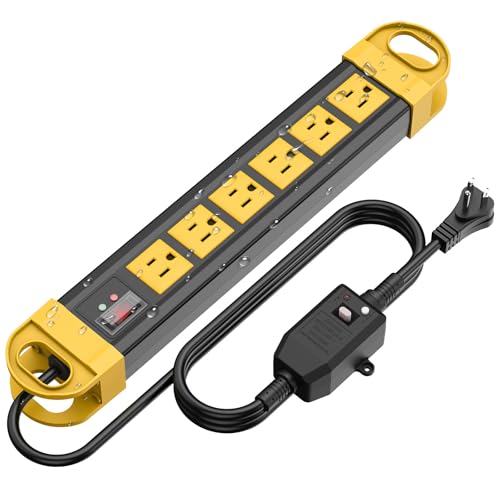
HHSOET GFCI Outdoor Power Strip Yellow 6FT

HHSOET GFCI Outdoor Power Strip Green 15FT
HHSOET GFCI Outdoor Power Strip Yellow 10FT
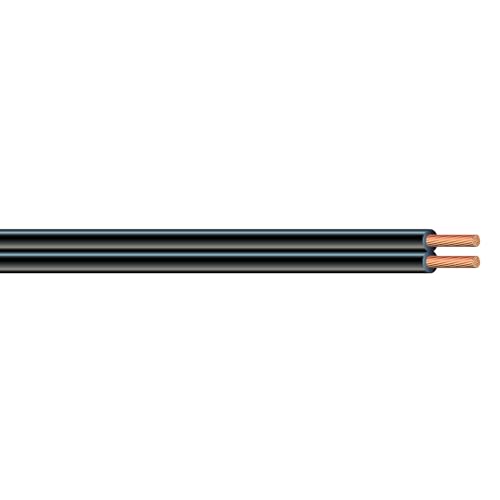
Woods 55213143 16/2 Lighting Cable 100-Feet
A Breakdown Of The Leading Choices
Short reach makes this HHSOET strip more practical for a nearby patio table, garden ornament, or compact tool station than for equipment across a lawn. Its yellow enclosure is easy to spot around damp work areas, while the IPX6 rating indicates protection against powerful water jets under the applicable test conditions.
For everyday outdoor access, the four-foot lead simplifies placement beside a wall or workbench. The trade-off is obvious on spread-out gardens, where a longer lead may prevent awkward extension across walkways.
Real-World Strengths
- The 2,700-joule surge rating adds protection for connected electronics exposed to voltage spikes.
- The compact lead stays close to the outlet, reducing excess cable around a small work zone.
- IPX6 water resistance suits gardens, patios, job sites, kitchens, and bathrooms.
Practical Considerations
- Four feet offers little flexibility across larger yards or distant outdoor equipment.
- Owners still need to dry the housing and connectors before storage after repeated moisture exposure.
Key Specs
Made For
This strip best suits people powering nearby devices on a patio, porch, or compact garden work area.
A Better Fit Elsewhere
The HHSOET Outdoor Power Strip 2700J Green 6Ft offers more placement flexibility for equipment farther from the outlet.
Six feet of reach gives this green HHSOET strip a more balanced footprint than the compact four-foot model. That middle ground works well for string lights, garden accessories, or portable tools positioned several feet from a wall outlet, without leaving a long lead stretched across the entire property.
Its 2,700-joule surge capacity is more relevant to computers, audio equipment, and other sensitive devices than to simple lighting. The IPX6 enclosure is intended for damp indoor or outdoor settings, although the connected equipment still needs suitable weather protection.
What Stands Out
- Six feet bridges the gap between compact placement and long outdoor runs.
- The green housing stands apart visually from the yellow options in this roundup.
- Surge handling adds useful protection for vulnerable electronics.
- IPX6 protection expands placement options around garden and patio work.
Worth Noting
- It lacks the GFCI monitoring found in the later HHSOET models.
- Six feet can still be short for a broad lawn or a distant workshop.
Right Fit For
This model suits households needing several feet of reach for ordinary outdoor electronics or tools.
Where A Sibling Pick Shines
The HHSOET GFCI Outdoor Power Strip Green 15FT is a stronger match where longer reach and leakage-current monitoring matter.
The yellow six-foot version overlaps with the green model in capacity, but its high-visibility housing is a practical distinction around job sites. Contractors and homeowners can spot it more easily against grass, concrete, and workshop clutter, which matters more than color in a cluttered temporary setup.
For string lights, small pumps, or a portable speaker near a patio, the six-foot lead feels easier to manage than ten or fifteen feet. I’d still check each tool’s outdoor-use rating, since enclosure water resistance doesn’t make an indoor appliance suitable for a wet location.
Practical Pluses
- Visible yellow housing helps during quick setup and teardown.
- Six-foot reach keeps the strip near the source while allowing moderate equipment movement.
- The 1,500-watt output ceiling is clearly stated for easier load planning.
- IPX6 protection suits damp gardens, patios, kitchens, and bathrooms.
Small Caveats
- Surge protection is present, but GFCI fault monitoring is absent.
- The 16AWG lead is suitable for its stated rating, yet long runs with high loads remain less convenient than shorter circuits.
Technical Highlights
Built With In Mind
This strip fits contractors and homeowners organizing moderate loads near an outdoor outlet.
Consider Something Else When
The HHSOET GFCI Outdoor Power Strip Yellow 6FT better serves damp spaces that call for ground-fault monitoring.
Ground-fault monitoring shifts this yellow six-foot strip into a more protective class than the earlier non-GFCI models. A GFCI, or ground-fault circuit interrupter, monitors current imbalance and interrupts the connection when leakage current reaches the specified threshold, making it relevant near damp work areas.
Its six-foot lead remains sensible for a washing area, patio, or workshop bench rather than a far corner of a property. Compared with the 10-foot and 15-foot GFCI versions, this one prioritizes compact placement and easier cable management.
Good Reasons To Consider
- GFCI monitoring complements the strip’s 2,700-joule surge capacity.
- The six-foot lead provides enough reach for nearby tools without extra slack.
- IPX6 water resistance suits outdoor and damp indoor locations.
- Yellow housing remains easy to identify in temporary work zones.
A Few Limitations
- Ground-fault protection doesn’t make indoor-rated tools safe in rain.
- Operators should inspect the cord and housing regularly for cracking, dirt accumulation, or moisture.
Core Details
Who Should Grab It
This model suits people powering moderate equipment near damp patios, gardens, or utility areas.
Reach For A Different Pick When
The HHSOET GFCI Outdoor Power Strip Yellow 10FT reduces lead management for equipment positioned farther away.
Fifteen feet changes the practical reach, particularly for a detached workshop, far garden bed, or distributed string-light arrangement. The green enclosure may blend more readily with outdoor landscaping than the yellow models, though visibility around machinery will be lower.
Like the six- and ten-foot GFCI versions, it combines leakage-current monitoring with 2,700-joule surge handling. That makes it a sensible choice for damp areas, but the long lead needs deliberate routing so it stays clear of sharp edges, wet traffic paths, and mower paths.
Standout Benefits
- The 15-foot lead supports equipment positioned well away from the source outlet.
- GFCI circuitry monitors leakage current and interrupts at the specified low threshold.
- IPX6 water resistance supports outdoor placement around gardens and work areas.
- Surge capacity adds a second layer of electrical protection.
Possible Compromises
- Extra cable can create a trip or snagging hazard when routed carelessly.
- The lengthy lead takes more space to dry, coil, and store after outdoor use.
Important Details
Whose Shelf It Belongs On
This strip fits homeowners, landscapers, and workshop users with distant equipment and damp surroundings.
Swap It Out When
The HHSOET Outdoor Power Strip 2700J Yellow 4Ft is easier to manage where all connected equipment sits nearby.
Ten feet is the practical middle ground among the three GFCI power strips here. It offers more freedom than the six-foot yellow version for a workbench, washing area, or distributed lighting setup, while remaining easier to route and store than the 15-foot green model.
The yellow housing is well suited to temporary job-site use because it’s easier to notice than the green option. I’d favor this model for mixed equipment within a medium-sized outdoor zone, provided the total connected load remains within the requirements shown on the product listing.
What Pays Off
- Ten feet offers flexible placement across medium outdoor spaces.
- GFCI monitoring supports use in damp environments by watching for leakage current.
- The bright housing is easy to locate during setup and removal.
- IPX6 water resistance complements the electrical monitoring features.
Points To Keep In Mind
- A ten-foot lead still needs careful routing around mowing and walking areas.
- Weather resistance applies to the strip, not to every device plugged into it.
- Regular inspection and dry storage help preserve the housing and connections.
The Right Fit
This strip suits people balancing moderate reach with GFCI monitoring in garages, gardens, or patios.
Look Elsewhere When
The HHSOET GFCI Outdoor Power Strip Green 15FT better serves properties with much greater distance from the outlet.
This Woods cable serves a different job from the six powered strips: it connects low-voltage landscape lighting rather than extending a mains-powered appliance. Its 100-foot length accommodates path lights, accent fixtures, and spotlights across a substantial garden, with a transformer positioned near the existing power source.
The vinyl jacket resists water, dirt, and dust while tolerating extended sun exposure, and the cable is rated for direct burial in low-voltage lighting runs. Depending on the landscape, exposed sections may still need secure placement where digging, mowing, or foot traffic isn’t a concern.
Advantages To Know
- The 100-foot length supports lighting spread across large paths and garden beds.
- Direct-burial suitability allows concealed routing beneath suitable soil.
- The jacket is designed to resist moisture, dirt, sunlight, and temperature-related cracking or hardening.
- Its flexible construction reduces frustrating tangles during installation.
Details To Watch
- It is intended for compatible low-voltage lighting, not ordinary household appliances.
- Locating underground lines before digging helps prevent damage to other buried services.
- A full 100-foot coil demands careful handling and storage to prevent kinks.
Quick Facts
Made For
This cable fits landscapers and homeowners installing extended low-voltage path, accent, or spotlight systems.
Not Your Match When
The HHSOET GFCI Outdoor Power Strip Yellow 6FT is a better choice for powered tools near an existing outlet.
What Matters Before An Outdoor Cord Purchase
Weather Resistance And Placement
IPX6 indicates resistance to powerful water jets under its defined test conditions, which makes these strips more appropriate for damp locations than ordinary indoor strips. Water resistance still doesn’t excuse leaving a non-weather-rated appliance exposed, and connected equipment should be sheltered or removed during direct rain.
Surge Protection Versus Ground-Fault Monitoring
A surge protector absorbs transient voltage spikes, while a GFCI responds to current imbalance associated with leakage. The first four HHSOET models emphasize 2,700-joule surge handling, while the three GFCI versions add ground-fault monitoring for damp environments.
Cord Length And Routing
Length should follow the layout rather than the largest possible measurement. Four and six feet suit nearby equipment, ten feet offers medium reach, and fifteen feet reduces the need for permanent extensions, although cable still needs protection from mowing, digging, and foot traffic.
Low-Voltage Cable Compatibility
The Woods 100-foot cable belongs in a different category because it carries low-voltage lighting current rather than standard appliance power. Direct-burial suitability makes it useful for concealed garden-light runs, but transformer and fixture requirements must remain compatible.
Keeping Outdoor Power Setup Errors Small
Common Shopping Slip Ups
The most common mistake is treating a water-resistant strip as permission to use any appliance outdoors. I would also avoid choosing length by guesswork, overlooking the rated load, and routing a long lead across a high-traffic area.
What The Higher Tier Buys
The GFCI versions add leakage-current monitoring, while the 15-foot model adds reach rather than another distinct protection class. Paying more becomes more practical when a damp location, longer run, or sensitive connected device makes those specific attributes more valuable.
Frequently Asked Questions
Can IPX6 Power Strips Be Used in the Rain?
IPX6 covers resistance to powerful water jets, but connected equipment still needs appropriate weather protection. In full, exposed rain, I’d use only products and connections intended for that condition.
Is a GFCI Strip Different From a Surge Protector?
A surge protector handles voltage spikes, while a GFCI monitors current imbalance and interrupts power when leakage reaches its threshold. A strip containing both functions serves two distinct needs.
Which Cord Length Is Best for a Garden?
Six feet works for equipment near an outlet, ten feet offers medium flexibility, and fifteen feet suits more distant setups. Route the cable along walls or protected paths rather than across exposed lawn.
Can Direct-Burial Lighting Cable Be Installed Underground?
The Woods 55213143 is rated for direct burial in compatible low-voltage lighting applications. Check the complete installation requirements and locate other buried services before digging.
Do Outdoor Power Strips Replace Weatherproof Appliance Covers?
No. A weather-resistant power strip does not make an indoor-rated appliance suitable for exposed outdoor use. Connection covers and suitably rated equipment may still be necessary.
Final Thoughts
I favor the four-foot HHSOET model for compact nearby use, the 10-foot GFCI version for balanced reach, and the 15-foot GFCI strip for larger layouts. The Woods cable is the right choice only for low-voltage landscape lighting, not standard powered tools. Choose the protection level and length that match the actual outdoor area rather than adding capability the setup won’t use.
