
Edges often look poor because the soil beneath them is packed, wet, or resistant to the normal passage of air and water. Lawn aerators create openings in that ground, but spike tools, core pullers, shoes, and tow-behind units serve very different routines. These six options help you choose an approach suited to compact lawns, edging beds, and the amount of space you have to work with.
A Side-By-Side Look

Lawnira Non-Clogging Hollow-Tine Aerator, Yellow

FRIDOU Adjustable Lawn Aerator, 37-43 Inch

DenForste Pre-Assembled Lawn Aerator Shoes, Black

SakerPlus Hand Metal Spike Lawn Aerator

SakerPlus Spike Aerator with Self-Cleaning Tines
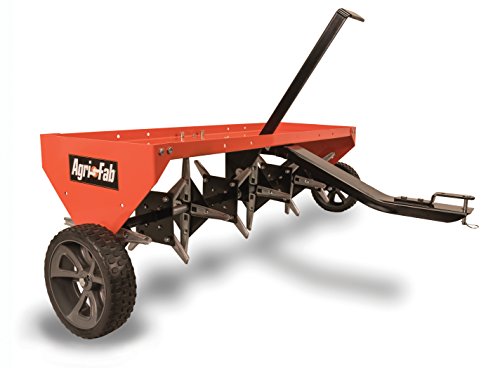
Agri-Fab 48-Inch Tow-Behind Plug Aerator
Why These Options Stand Out
Clay soil along a garden border needs openings that remain useful after the tool moves on. Lawnira uses hollow tines to remove narrow cores, with a stated penetration depth of up to 4 inches, making it more purposeful than a spike that only compresses the surrounding ground.
For most small properties, its compact manual format fits edging work without adding another powered machine to store. The trade-off appears in dense soil, where leverage and repeated passes matter more than a small storage footprint.
Useful Strengths
- Hollow tines remove small cores rather than only puncturing the surface.
- The stated 4-inch reach suits deeper work beside compacted borders.
- Manual operation provides direct control around trees and planting beds.
- Replaceable hollow tines offer a practical maintenance advantage.
Points To Note
- Dry ground increases the chance of twisting or tine damage.
- Wet clay can cling inside hollow tines and needs regular clearing.
Quick Facts
Made For Compact Clay Borders
You benefit most from this tool in a small yard with heavy soil and closely bordered planting areas.
A Better Fit Elsewhere
Agri-Fab 48-Inch Tow-Behind Plug Aerator suits larger grounds where tractor transport beats repeated manual passes.
FRIDOU brings more adjustment to edging work than a fixed spike tool. Its frame adjusts from 37 to 43 inches, while a detachable plate supports 5.9-inch hollow or solid tines, letting you change the soil-opening method without replacing the entire tool.
Hollow tines make more sense for removing cores, while solid tines create channels and puncture openings. Depending on your soil, that versatility may be worthwhile for shifting between turf edges, lawn patches, and garden paths.
Advantages To Know
- The two tine systems suit different lawn and soil conditions.
- Height adjustment helps balance footing and working pressure.
- The 5.9-inch tines add reach for denser surface opening.
- A removable base plate simplifies changing tine types.
Possible Compromises
- Tool changes take more effort than choosing one fixed design.
- Owners commonly inspect the adjustment points before repeated jobs.
- The longer frame can feel less natural in confined edging lanes.
Core Details
Built With Variable Soil In Mind
This option fits mixed-soil lawns where you alternate between core removal and spike-style opening.
Consider Something Else
Lawnira Non-Clogging Hollow-Tine Aerator, Yellow offers a simpler choice centered on deeper core extraction in clay.
Edging a few worn patches around a patio does not justify hauling out a long-handled tool. DenForste turns your footwear into a compact spike aerator, using body weight to create openings along lawn borders and accessible garden areas.
Three hook-and-loop straps secure the pre-assembled shoes around your heel, while the 11.5-by-5-inch platform gives each foot a defined working area. You may find the format more natural for short jobs than for an entire yard.
Real Benefits
- Compact construction stores easily in a garage or utility closet.
- Walking placement gives quick control around curved lawn edges.
- Adjustable straps accommodate a stated range of common shoe sizes.
- Aluminum alloy and plastic components avoid an all-plastic base.
Small Caveats
- Spikes make openings but do not pull soil cores.
- Saturated ground can create slipping and uneven pressure.
- Check strap tension and debris around the base after each use.
Feature Facts
The Right Fit
Apartment residents and homeowners with small lawns benefit from the shoes’ low-profile, hands-free format.
Another Choice May Suit
SakerPlus Spike Aerator with Self-Cleaning Tines offers a wider manual platform for longer lawn passes.
Heavier soil calls for a frame that stays stable under downward pressure. SakerPlus uses thickened iron with a rust-resistant coating, reinforced foot-pedal connections, and a double-layer spike platform, giving it a more substantial feel than lighter plastic footwear.
The design appears suited to deliberate passes beside worn edging and high-traffic lawn sections. You still get spike-style punctures rather than removed cores, so your soil type determines whether that distinction matters.
Everyday Perks
- Thickened iron suits firm soil and repeated manual use.
- The coated surface helps limit visible corrosion during storage.
- Screwed connections avoid relying on a single welded joint.
- The rebound mechanism assists the platform in returning upward.
Details To Watch
- Metal construction adds weight compared with plastic shoes.
- Spikes require clearing as soil and grass collect around the platform.
- Inspect screws periodically after heavy side loading.
Who Should Grab It
You gain the most from this pick on firm lawns where a rigid metal frame is easier to control than footwear.
Reach For A Different Pick
DenForste Pre-Assembled Lawn Aerator Shoes, Black serve tighter spaces where weight and a wide handle would interfere.
Walking a long edge with a rigid spike tool can become tiring as the platform collects turf. This SakerPlus model uses a spring-loaded, double-layer platform to return after each step, while its self-cleaning tines are designed to shed clinging material during movement.
Those features target a smoother rhythm than SakerPlus Hand Metal Spike Lawn Aerator. You may find the automatic reset useful across a broad lawn, although it still performs spike aeration rather than core removal.
What Helps Most
- Automatic lifting reduces repeated pulling during each step.
- Self-cleaning tines limit manual scraping between passes.
- Double-layer construction provides a stable stepping platform.
- The design suits larger manual routes than footwear-based tools.
Worth Noting
- Springs and moving connections benefit from occasional cleaning.
- Very sticky clay may still require manual tine maintenance.
- The wider platform needs clear space on both sides.
Made With Repetition In Mind
You benefit most on a medium lawn that receives several passes and prefers spike openings.
Where Another Pick Shines
FRIDOU Adjustable Lawn Aerator, 37-43 Inch is better for switching between hollow and solid tines.
Large gardens make the six manual tools in this roundup feel like teaspoons beside a watering can. The Agri-Fab spreads 32 galvanized knives across a 48-inch tow-behind platform, replacing slow foot traffic with tractor transport for broad lawns and open grounds.
Its knives pull plugs up to 3 inches deep, offering core extraction across a much larger area. A cantilever handle lets you raise the unit from the tractor seat, while flat-free tires support transport over the lawn.
Positive Takeaways
- The 48-inch width covers substantial lawn space per pass.
- Thirty-two knives make repeated foot work unnecessary.
- Three-inch core depth suits broader soil aeration.
- The seat-operated handle simplifies transitions.
Practical Considerations
- Tractor storage and maneuvering demand more space.
- Edges still require careful turns or separate spot work.
- Inspect knives and hitch parts for caught debris.
Technical Highlights
Whose Lawn It Belongs On
Large-property owners and regular tractor users gain the most from this wide plug aerator.
Skip It When
DenForste Pre-Assembled Lawn Aerator Shoes, Black fit smaller grounds without a tractor or open turning room.
Choosing Aeration Tools That Fit Your Lawn
Start with the result you need. Hollow tines and plug knives remove cores, while solid spikes create punctures and channels. Core removal generally suits denser compaction, whereas spike tools are convenient for thinner openings and repeat maintenance.
Tool size comes next. Shoes and compact handles work around tight borders, adjustable frames serve varied foot positions, and tow-behind units cover broad lawns. Turning space matters: a wide aerator needs a clear route and careful treatment near beds.
Weight and mechanics deserve equal attention. Metal frames provide firm pressure but can fatigue your hands and shoulders, while spring-assisted platforms ease repeated lifting. Shoes trade storage simplicity for a harder balance and more limited control over spike placement.
Finally, check soil moisture before use. Very dry ground increases the risk of bending spikes or twisting frames, while overly wet soil can smear and cling. Light watering can make the work more manageable without leaving the lawn saturated.
Common Sense Before You Aerate
Mistakes Worth Dodging
Choosing by spike count alone misses tine design, frame stability, and actual lawn size. Measure your route and turning area before buying, and check whether you need cores, simple punctures, or an adjustable system.
Forcing a tool through bone-dry soil adds unnecessary strain to metal components. A light watering pass helps the ground accept the tines, while stopping whenever the frame twists keeps uneven soil from turning into tool damage.
What The Upgrade Pays Off
Tow-behind units add useful capacity because they transport a wide cutting set across mature lawns. That added coverage matters most for several thousand-square-foot grounds, storage space, and regular maintenance routines.
You gain less from a wide unit on a narrow side yard. A hollow-tine core aerator or compact spike platform usually delivers a better balance of control, storage, and targeted edging work.
