
Installing floating laminate or engineered wood is less about forcing the floor together and more about controlling the fit. You still need the correct fastening method, dependable cutting tools, and accessories that preserve the expansion gap around the room. This roundup separates purpose-built flooring nailers from the cordless, pneumatic, cutting, and installation tools that round out a home project.
The Picks In Brief

ReliaRoads 2-in-1 Cordless 18GA Brad Nailer and Stapler for DeWALT 20V MAX Battery

Powernail 50P2FLEXPRXLW Pneumatic 18-Gauge L-Cleat Flooring Nailer

MANTISTOL 13-Inch Laminate and Vinyl Plank Cutter with Multi-Angle Cuts
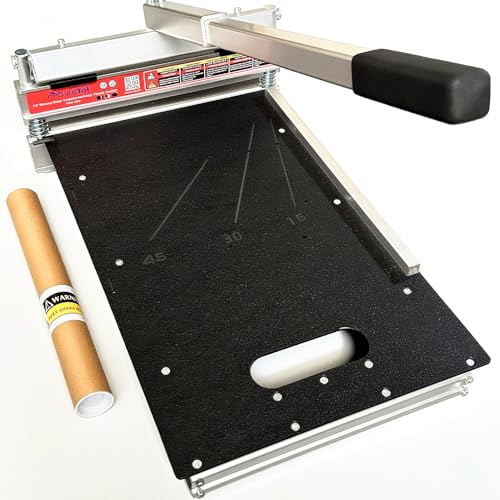
MANTISTOL 13-Inch Laminate and Vinyl Plank Cutter with Replacement Blade

Roberts Laminate and Wood Flooring Installation Kit
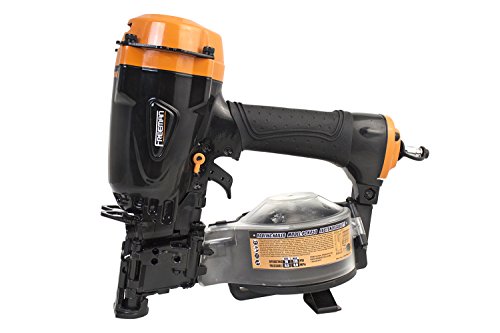
Freeman Pneumatic 15° 1-3/4-Inch Rapid Fire Coil Roofing Nailer PCN450
Meet The Standout Selections
Attaching trim, assembling small furniture, and securing light upholstery projects calls for more than a dedicated flooring nailer, especially on upper floors or in rental properties where a compressor is inconvenient. The ReliaRoads combines an 18-gauge brad nailer with a 1/4-inch crown stapler in one cordless body, and the included battery and charger keep the package usable without another platform purchase.
That makes it a sensible secondary tool for homeowners already using DeWALT 20V MAX packs. Compared with the Powernail 50P2FLEXPRXLW, it sacrifices dedicated flooring geometry for portability, so your floor still needs the fastening method specified by its manufacturer.
Notable Gains
- One tool handles narrow brad nails and wider 1/4-inch crown staples.
- Using existing DeWALT 20V MAX packs reduces the need for a second battery system.
- The cordless format suits attic repairs, furniture assembly, and other locations where bringing in air equipment is awkward.
- Included fasteners reduce the need to make an additional supply run for a small project.
Practical Considerations
- It is not a substitute for a flooring nailer designed to engage flooring at the proper angle.
- 18-gauge fasteners suit lighter work, not thick hardwood fastening.
- Owners should keep the compact tool dry and clear of sawdust, particularly around the magazine and fastener track.
Who It Suits Best
DeWALT battery owners handling furniture, trim, upholstery, and light renovation work benefit most from this combination tool.
Another Choice May Suit
The Powernail 50P2FLEXPRXLW fits homeowners installing compatible tongue-and-groove hardwood or engineered flooring with pneumatic L-cleat nails.
The Powernail 50P2FLEXPRXLW is built for installers who mean tongue-and-groove flooring rather than floating laminate. Its pneumatic operation provides the force needed to drive L-cleat nails consistently, while the adjustable roller base lets you control the nailer as the floor surface changes position. That focus makes it more purposeful than the ReliaRoads general-purpose nailer.
Flooring nailers use angled L-cleats to reduce visible punctures near the edge of a board, but that advantage depends on the flooring manufacturer permitting pneumatic fastening. Depending on your room layout and experience with a mallet-actuated tool, the setup may feel more involved than a floating-floor kit.
What Helps Most
- A dedicated L-cleat design supports consistent fastening in compatible wood flooring.
- The adjustable roller base supports controlled positioning across the work area.
- Pneumatic operation offers a practical path for larger residential flooring jobs.
- The broad floor-thickness range accommodates several common wood flooring constructions.
Worth Noting
- You need a suitable compressor and safe air pressure for consistent driving force.
- Floating laminate, LVP, and some engineered floors require different fastening methods.
- Owners commonly keep the tool dry, lubricated, and away from floor dust to preserve moving components.
Technical Highlights
Made For
Experienced DIYers installing solid hardwood, bamboo, or engineered wood with approved pneumatic L-cleat fasteners fit this profile.
Look Elsewhere When
The Roberts Laminate and Wood Flooring Installation Kit is a better fit for a floating-floor project that does not call for pneumatic fastening.
Most flooring layouts look simple until a wall runs slightly out of square or a patterned room needs angled end pieces. The MANTISTOL 13-inch cutter addresses that problem with preset 15-, 30-, 45-, and 90-degree positions, reducing repetitive measuring at the final rows. It is a cutting companion, not a nailer, but a square cut helps floating boards close properly.
The steel-and-aluminum body and 4 mm tungsten steel blade point toward repeated renovation use. Compared with the other MANTISTOL cutter here, this model emphasizes the broader angle selection, which can be more valuable in rooms with multiple wall runs or diagonal transitions.
What Works In Its Favor
- Preset angles speed up common angled and square cuts.
- The broad material range supports laminate, vinyl plank, engineered wood, siding, and related products.
- A detachable tungsten steel blade makes replacement and maintenance more practical.
- The 13-inch capacity handles many common planks and boards in a single pass.
Small Caveats
- Its fixed cutting capacity does not cover every oversized board or thick material.
- Angle markings do not replace careful measuring, especially around uneven walls.
- Owners should store the blade guard and cutting base cleanly to prevent dents and prevent grit from dulling the edge.
Feature Facts
Right Fit For
Homeowners with patterned layouts, diagonal rooms, or numerous angled end cuts benefit most from its preset positioning.
Reach For A Different Pick When
The MANTISTOL 13-Inch Laminate and Vinyl Plank Cutter with Replacement Blade may suit you better when maintaining a replaceable edge is the priority.
A cutter earns its place by producing boards that fit without crushed edges or short, unusable scraps. This MANTISTOL model accepts floor materials up to 13 inches wide and 13 mm thick, with a steel-and-aluminum structure and a tungsten steel cutting blade. Those details make it a practical companion for laminate, LVT, parquet, engineered wood, and several siding materials.
Unlike the preceding MANTISTOL option, the distinction here centers on replacement blade availability and routine edge maintenance. A spare blade and the included 600-grit hone stone help maintain repeatable cuts, although the edge still needs cleaning after adhesive residue or construction grit.
What Stands Out
- The included replacement blade reduces downtime after the working edge becomes dull.
- A steel-and-aluminum body suits portable use between rooms and work areas.
- The 13-inch width covers many floating planks, parquet pieces, and narrow boards.
- A supplied hone stone supports basic blade maintenance at the project site.
- Preset angle cutting helps manage the final row around imperfect room geometry.
Points To Note
- It cannot cut material beyond its stated width and thickness capacity.
- Multiple rapid cuts can heat the working edge, so pace the work sensibly.
- Residual adhesive should be removed promptly because it can interfere with later blade maintenance.
Quick Technical Notes
Built With In Mind
First-time flooring installers working mainly with common floating planks gain a repeatable cutting setup with straightforward maintenance.
A Better Fit Elsewhere
The MANTISTOL 13-Inch Laminate and Vinyl Plank Cutter with Multi-Angle Cuts offers a stronger choice for layouts that depend on more preset angle positions.
The Roberts kit addresses the three jobs that repeatedly interrupt a floating-floor installation: controlling the perimeter gap, closing the board joint, and drawing rows together. Its 50 wedge spacers establish the expansion space, while the tapping block transfers controlled force without striking the plank face directly. The pull bar helps draw a row toward the preceding row.
None of those pieces fastens the floor, which is the key difference from the Powernail 50P2FLEXPRXLW. For laminate and floating wood, a complete accessory set can prevent improvised tools from leaving impact marks or inconsistent gaps. In a small room, a piece of cardboard can sometimes substitute for a tapping block, but the dedicated kit is more controlled.
Practical Advantages
- Wedge spacers create consistent spacing along walls and other fixed edges.
- The tapping block transfers tapping force through the plank edge rather than its decorative face.
- The pull bar draws loose rows together during assembly.
- The three tools cover several basic floating-floor installation tasks in one set.
Honest Caveats
- You still need a cutting tool, measuring equipment, and the fastening method required by the floor.
- Spacers must remain in place until installation is complete.
- Wood components should be checked for debris and kept dry between projects to prevent swelling or finish wear.
Core Details
Made For
New homeowners installing laminate or floating wood with click-lock or tongue-and-groove planks benefit from the organized tool set.
Consider Something Else When
The Freeman PCN450 is the relevant option for a separate roofing or sheathing project that needs pneumatic coil-nail fastening.
The Freeman PCN450 enters this roundup as a specialized construction nailer rather than a flooring selection. Its 15-degree coil-nail configuration serves roofing and other demanding work, including attaching asphalt or cedar shingles, roof or wall sheathing, underlayment, siding, crates, and wood fencing. That breadth makes it useful during a whole-house renovation, but it is excessive for ordinary floating laminate.
Its bump-fire trigger supports fast repetitive fastening, while the lock, tool-free depth adjustment, and transparent magazine help manage a busy work sequence. The trade-off is added pneumatic equipment and a nail pattern intended for heavy materials. Depending on your flooring system, the ReliaRoads general-purpose nailer may actually be the closer companion.
Reasons It Performs
- Continuous pneumatic operation suits extended roofing and sheathing work.
- The trigger mode supports efficient repetitive fastening.
- Tool-free depth adjustment changes penetration settings without a separate hex key.
- The transparent magazine makes remaining coil-nail levels easier to monitor.
Trade Offs
- It is not a laminate flooring nailer and should not replace a system-specific flooring tool.
- A compressor, air hose, and appropriate pressure are required.
- Owners commonly disconnect air before servicing the tool and keep the nailer dry around roofing debris.
Who Will Love This
Experienced renovation installers handling roofing, sheathing, siding, or fencing alongside an interior flooring project benefit most.
Where Another Pick Suits Better
The ReliaRoads 2-in-1 Cordless 18GA Brad Nailer and Stapler better serves portable fastening tasks that do not require a compressor.
Matching Each Tool to the Flooring System
A floating laminate floor often does not require a traditional flooring nailer. You may need spacers, a tapping block, a pull bar, and a suitable saw or cutter instead. A pneumatic flooring nailer becomes relevant when the manufacturer explicitly approves L-cleat fastening for its tongue-and-groove wood product.
Confirm the Installation System
An expansion gap is the small space left around the room perimeter so flooring can move with temperature and humidity changes. Spacers maintain that space during installation, and removable baseboards can conceal the edge after the floor is complete. Skipping the gap can create tight edges later, even when the boards fit correctly on installation day.
Match the Nailer to the Board
Pneumatic L-cleat nailers suit approved wood-flooring applications and require a compressor. Cordless fastening tools can serve trim and assembly jobs, but their fastener size may be inappropriate for flooring. Check the floor manufacturer’s instructions before bringing either tool onto the installation area.
Select a Practical Cutting Method
A manual cutter keeps waste low and offers useful angle positions for the final rows. Its limits become clear with oversized boards or thick materials, so measure the thickest plank before relying on it for the whole room. For larger projects, a powered saw may provide more practical capacity.
Protect the Perimeter
The Roberts kit helps keep the expansion gap and board joints consistent. Keep its wooden parts clean and dry, and retain the spacers until the last row is secured. Baseboards or trim should go back only after the floor has settled according to the manufacturer’s instructions.
Avoiding Costly Flooring Tool Mistakes
Where Shoppers Go Wrong
Choosing a nailer before identifying the flooring system can lead to incompatible fasteners or unnecessary equipment. Measure the widest board, note the installation method, and check whether the manufacturer permits pneumatic fastening. Treat cutters and flooring kits as supporting tools, not substitutes for a required nailer.
What Separates Premium From Basic
A more specialized nailer may offer a dedicated angle, adjustable base, depth control, or higher fastening capacity. That added capability matters for wood-flooring installation or roofing work, but it does little for a straightforward floating-laminate room. Paying beyond your project needs mainly adds equipment you may never use.
Frequently Asked Questions
Do laminate floors always need a flooring nailer?
No. Floating laminate commonly uses a click system, while some products require adhesive or another approved method. Check the flooring instructions before adding fasteners.
Can one pneumatic nailer handle laminate and wood flooring?
Only when both products permit the same nail type and driving method. Some floating floors require no nails, while compatible wood floors may specify pneumatic L-cleats.
What is an expansion gap?
It is the intentional space around a floating floor that allows seasonal movement. The Roberts spacers help maintain consistent spacing while the flooring is installed.
Are manual plank cutters accurate for square walls?
They can be, but room dimensions may vary. Measure at several points and transfer the required angle to the cutter before making final-row pieces.
Do roofing nailers belong in a flooring tool set?
Only as a separate renovation tool. The Freeman PCN450 handles roofing, sheathing, siding, and related work, but it is not the right primary tool for floating laminate.
