
Knee pads serve very different jobs, yet most categories put them in the same crowded drawer. You may need broad foam for garden work, low-profile protection for volleyball, a hard shell for construction, or stretch support during daily activity. The right fit changes the experience on hard floors, damp soil, and during repeated dives, slides, and kneeling tasks. These six options cover distinct needs, so the most useful choice comes down to your environment, mobility, and required protection.
A Side-By-Side Look
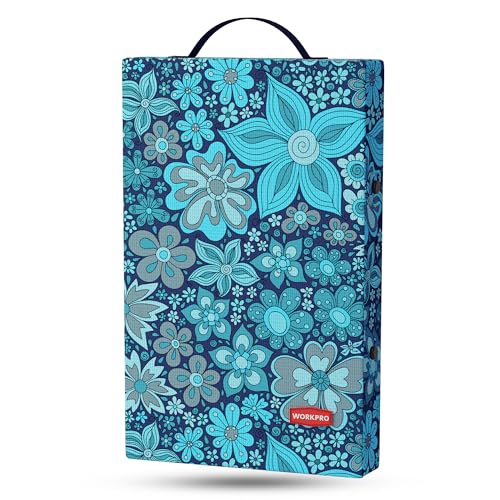
WORKPRO 17-Inch Kneeling Pad, Blue Floral

adidas Elite Knee Pad

Sellstrom KneePro Construction Kneepads

WORKPRO 17.5 x 11 x 1.5-Inch Kneeling Pad

UFlex Athletics 4-Way Stretch Knee Support

Rawxy Volleyball Knee Pads, Black, Medium and Large
A Breakdown Of The Leading Choices
A broad kneeling surface makes more sense than wearable pads for planting beds, weeding, and finishing patio edges. The 17-inch format gives both knees room to shift position, while the floral cover adds a less utilitarian look to a garden tool.
Its removable cover matters more than appearance because soil and moisture eventually reach the fabric. Compared with the all-black WORKPRO model, this version is easier to maintain, although you may prefer the plainer finish for a crowded utility shed.
The Practical Payoff
- High-density, 1.5-inch NBR foam cushions prolonged kneeling on soil and paving.
- The wide surface supports both knees during slow garden work.
- A replaceable Oxford cover simplifies upkeep after muddy sessions.
- NBR foam resists oil and everyday abrasion better than exposed fabric.
Small Caveats
- The broad pad takes more storage space than the adidas Elite Knee Pad.
- Owners should check that the removable cover is fully seated after washing.
Quick Facts
Made For
You get the most benefit during frequent planting, weeding, and patio work where both knees stay on the ground.
A Better Fit Elsewhere
Sellstrom KneePro Construction Kneepads suit you better while working on job sites where hard-shell coverage and hands-free mobility matter more.
Low-profile sports protection makes this a more natural choice than a wide garden cushion for volleyball practices. The stretch fit should move with your legs during lateral shuffles, while the padded construction adds coverage without the bulk of a work shell.
Soft seams reduce the likelihood of rubbing during a long match, especially across repeated dives and slides. You trade some ground isolation for mobility, making it more suitable for a gym floor than a rocky job site.
Why It Works Well
- EVA, rubber, and shock-absorbing foam distribute impacts across several play movements.
- The close stretch fit stays out of the way during quick lateral movement.
- Soft seam construction helps reduce irritation during extended wear.
- The compact profile fits easily beneath uniforms or casual clothing.
Worth Noting
- Less cushioning sits between you and rough outdoor ground than a WORKPRO pad.
- The stretch construction may feel restrictive for people preferring a loose fit.
Feature Snapshot
Who Will Love This
Court-focused athletes benefit from its compact protection and freedom of movement during indoor practices.
Consider Something Else When
Rawxy Volleyball Knee Pads offer you a more heavily cushioned option for court sessions where impact absorption is the priority.
Job-site work calls for protection that stays in place while you climb, crawl, and kneel around debris. The Sellstrom design combines a flexible hard-plastic shell with hinged sections and gel cushioning, giving you coverage without tying the pads to a single fixed leg position.
Unlike the soft WORKPRO cushions, these pads move with you and leave your knees free to work. The structured shell is the trade-off: it handles rough surfaces better, but adds more weight and bulk for casual tasks.
The Upside
- The hinged construction supports a more natural stride as you move around a project.
- Gel cushioning adds comfort between the shell and your knee.
- A hard exterior helps shield against impacts and scattered sharp objects.
- Hands-free use keeps both hands available for tools and balance.
Details To Watch
- More material makes these bulkier than the adidas Elite Knee Pad.
- Straps and hinges collect dirt during masonry or landscaping work, so owners commonly wipe them after use.
- The rigid profile may feel restrictive during deep kneeling on very soft ground.
Built With In Mind
Construction tradespeople and serious DIYers benefit from the impact-oriented shell and hands-free mobility.
Another Choice May Suit
WORKPRO 17-Inch Kneeling Pad, Blue Floral suits you better for stationary gardening where broad foam comfort matters more than a wearable shell.
Large outdoor projects reward a pad that isolates both knees from rocks, damp soil, and broken paving. This 17.5-by-11-inch WORKPRO model provides a generous landing area, while the 1.5-inch foam core creates a clear barrier between you and the ground.
The black, one-piece design is less decorative than the blue floral version and offers no stated removable cover. That makes it a practical choice for dirty work, provided you let the surface dry before storage.
What Earns Its Place
- The wide dimensions fit both knees without requiring separate pads.
- NBR foam handles prolonged kneeling better than a thin textile pad.
- The material resists oil and abrasion during demanding yard work.
- A stable rectangular shape prevents the pad from shifting on flat surfaces.
Honest Caveats
- The full pad is less convenient to carry than wearable knee protection.
- Moisture can remain trapped in the foam, so owners commonly air it out after damp use.
- It does not replace leg protection in environments with sharp debris at shin level.
Technical Highlights
The Right Fit
You benefit most during long gardening, landscaping, and paving sessions requiring two-knee coverage.
Look Elsewhere When
Sellstrom KneePro Construction Kneepads suit you better on job sites where a hands-free hard shell is more useful than a stationary foam mat.
Compression wraps occupy a different category from kneeling cushions or impact pads. The UFlex model uses four-way stretch, meaning the fabric extends in multiple directions and can accommodate bending, walking, and training without feeling rigid.
For low-impact routines or daily wear, the close fit can provide a stable feeling without the bulk of a shell. You should not treat it as a substitute for hardened protection during kneeling on rough surfaces or repeated court dives.
Where It Delivers
- Four-way stretch supports movement in multiple directions.
- The close profile remains practical under ordinary workout clothing.
- Compression creates a secure fit during walking, training, and routine activity.
- The flexible design suits both higher and lower movement levels.
Possible Compromises
- The wrap offers less impact isolation than the Rawxy or adidas sports pads.
- Fit and compression vary with leg shape, so checking the sizing details is important.
- Owners commonly watch for rolling or bunching after repeated bending.
Best Suited To
Active people seeking flexible support during walking, gym sessions, and everyday movement benefit most from this design.
Where A Sibling Pick Shines
adidas Elite Knee Pad suits you better for volleyball practices where layered foam and soft seams address direct floor impacts.
Repeated dives and slides make volleyball pads a separate fit challenge from general-purpose work protection. The Rawxy model uses dual-layer NBR cushioning to absorb impact, while bamboo nylon yarn in the knit provides breathable comfort during sustained indoor play.
Compared with the lower-profile adidas Elite Knee Pad, this option places more emphasis on deep cushioning and full-knee coverage. The trade-off is extra volume, which may feel heavier during long practice sessions or fast transitions.
Notable Upsides
- Dual-layer NBR foam helps soften landings during dives.
- The extended cushioning covers the front and sides of the knee.
- Bamboo nylon yarn supports airflow during active matches.
- Medium and large sizing options suit different lower-leg dimensions.
Points To Keep In Mind
- The deeper padding may feel bulky compared with the adidas option.
- Owners commonly check the fit before practices to limit shifting.
- The listed color is black, so the style has a straightforward court-ready look.
Core Details
Who Should Grab It
Volleyball athletes who repeatedly dive or slide benefit most from the thicker, multi-layer cushioning.
Reach For A Different Pick When
adidas Elite Knee Pad suits you better when low-profile court protection and a close stretch fit matter more than deep cushioning.
What Matters Before You Choose Your Padding
Start with the task. Stationary kneeling calls for broad foam, while sports and job-site use require pads that move with you. Support wraps serve a separate purpose and rarely replace impact-rated court or construction protection.
Coverage and mobility
A garden cushion needs enough width for both knees, while a wearable pad needs a close fit without restricting your stride. Deep sports cushioning improves landing comfort but can feel bulky, and a hard shell handles debris better but reduces flexibility.
Materials and maintenance
NBR foam offers useful resistance to oil, abrasion, and repeated pressure, making it practical for yard work. Removable covers simplify cleaning, but one-piece pads need more attention after damp use. Stretch knits also require regular washing and careful drying.
Common Category Decisions
Mistakes Worth Dodging
Choosing a support sleeve for heavy kneeling is a frequent mismatch. Match knee pads to impact, floor work, or workout compression rather than expecting one design to serve every purpose, and check whether a removable cover makes cleaning easier.
What Separates Premium From Basic
Higher-tier options commonly add hinged shells, deeper layered foam, or more breathable knits. The added materials help active or frequent users, while a simple foam cushion remains sensible for occasional garden tasks.
Frequently Asked Questions
Are wide kneeling pads better than wearable knee pads?
Wide pads work better for stationary tasks such as gardening and paving. Wearable pads suit sports and construction because they stay attached while you move.
How thick should a kneeling pad be?
A 1.5-inch foam core provides substantial separation from hard ground. Your comfort still depends on surface hardness, body weight, and session length.
Can knee pads be used for volleyball?
Dedicated volleyball pads are designed for repeated dives and slides. General work pads may feel bulky and restrict lateral movement on a court.
How should a kneeling pad be cleaned?
Follow the care guidance for its cover and foam. Remove loose dirt gently, avoid soaking closed-cell foam, and let damp padding dry before storage.
How do I stop knee pads from slipping?
Choose a secure size and adjust the fastening areas before activity. Wearable designs require more attention than broad kneeling cushions, so check the fit before you move.
