
Cable work rarely goes exactly as planned, especially on a crowded telecom panel, inside a tight wall cavity, or during a rush installation. You need strippers that match the cable construction, protect the material underneath, and remain practical in a busy field kit. Although the required title centers on Klein Tools, the six selections available here are Jonard tools for armored cable, fiber optics, Kevlar, and round jackets, so each review follows its actual intended use.
A Closer Look At The Lineup

Jonard AST-200 Armored Cable Slitter

Jonard JIC-375 Fiber Stripper

Jonard FOD-2000 Flat Drop Slitter

Jonard JIC-186 Kevlar Cutter
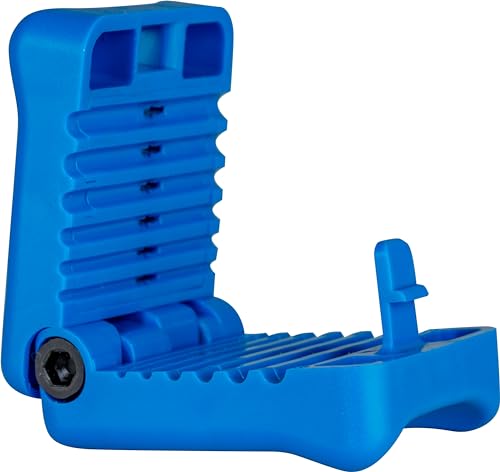
Jonard MS-6 Fiber Cable Slitter
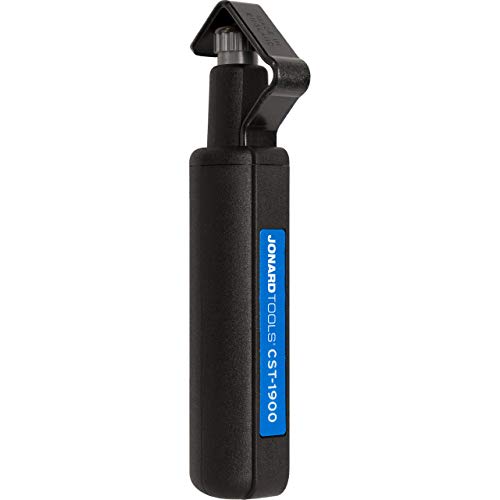
Jonard CST-1900 Round Cable Stripper
A Breakdown Of The Leading Choices
Armored cable demands a more deliberate cut than a standard jacket, and the AST-200 centers its steel blade up to 5.5 mm deep. Its mid-span format opens the outer covering without removing the entire jacket, which helps during repairs inside service panels or wall routes.
Unlike the fiber-focused JIC-375, this tool is built around larger cable work, covering diameters from 4 mm to 28.6 mm. For a technician handling thick armored runs, that range and controlled blade depth make it a more relevant carry than a general-purpose stripper.
Points In Its Favor
- Handles cable diameters from 4 mm through 28.6 mm.
- Adjusts cutting depth to avoid an unnecessarily deep slit.
- Supports mid-span access, reducing jacket removal during repairs.
- Uses a precision steel blade suited to dense outer material.
Practical Considerations
- The 4 mm lower limit excludes the smaller fiber cables covered by other selections.
- Blade depth and cable position require attention around internal conductors and fibers.
Key Specs
Built With In Mind
This model suits experienced installers opening armored cable for mid-span access, service loops, and branch connections.
A Better Fit Elsewhere
Choose the Jonard FOD-2000 Flat Drop Slitter instead for specialized access to quarter-inch flat drop cable.
The JIC-375 brings several fiber-preparation steps into one compact body. Its three openings handle the 1.6 to 3 mm jacket, the 600 to 900 micron buffer coating, and the 250 micron coating, eventually exposing the 125 micron glass fiber.
That sequence is useful at a service bench or during a controlled installation, though the fine coatings demand more care than the thicker armor handled by the AST-200. In your toolkit, it can replace several single-purpose steps without adding bulk.
The Upside
- Combines three common fiber-stripping stages.
- Leaves less tool swapping during connector preparation.
- Supports jackets from 1.6 mm to 3 mm.
Worth Noting
- Fine coatings can collect residue, so the openings need regular cleaning.
- This is a preparation tool rather than a cable slitter or reinforcement cutter.
- Each opening has a defined coating range, so checking the cable layers prevents skipped preparation steps.
Feature Snapshot
Who It Suits Best
You benefit most from the JIC-375 when preparing conventional single fibers for termination or repair work.
Another Choice May Suit
The Jonard MS-6 Fiber Cable Slitter is the stronger fit for mid-span access to loose buffer tubes.
Flat drop cable calls for a very specific cut, and the FOD-2000 concentrates on that 0.250-inch format. It makes slits along both sides at an end or mid-span, exposing the fiber and strengthening member while preserving more of the outer shape.
For residential drop work, that selective opening can be more useful than the broad stripping patterns offered by the CST-1900. The tight fit is the point, although it also makes this a specialist tool rather than a general cable-prep solution.
Where It Delivers
- Matches quarter-inch flat drop cable specifically.
- Opens both sides for fiber and strength-member access.
- Works from an end or at a mid-span location.
- Includes a replacement blade.
Minor Gripes
- The narrow cable format limits its role in mixed tool kits.
- You need a clean cut path, particularly around the reinforcement.
Made For
The FOD-2000 fits fiber technicians and installers working primarily with quarter-inch flat drop cable.
Reach For A Different Pick
Use the Jonard CST-1900 Round Cable Stripper for round jackets across a much broader diameter range.
Reinforcement fibers resist ordinary cutting, so the JIC-186 gives you dedicated shears for Kevlar and related cable materials. Its high-carbon stainless steel blades are heat treated to HRC 58 to 60, a hardness range that supports cleaner cuts under repeated load.
Dual-component nylon handles add a softer grip and better shape for extended preparation work. Compared with the three-hole JIC-375, this six-inch cutter addresses a different task: it removes tough strength members and accessories rather than peeling coatings from glass fiber.
Positive Takeaways
- Handles Kevlar, insulation tape, cable ties, and other materials.
- Heat-treated blades suit demanding reinforcement work.
- Ergonomic handle shape supports controlled cutting.
- Six-inch format balances portability with cutting leverage.
- Useful across fiber and general cable-preparation tasks.
Small Caveats
- Sharp, hard blades need a suitable storage sheath.
- Its cutting leverage makes it less convenient than a small stripper in a tightly packed carry pouch.
Core Details
Who Will Love This
Fiber technicians handling frequent Kevlar trimming will appreciate the balance of blade strength and handle comfort.
Look Elsewhere When
The Jonard JIC-375 Fiber Stripper fits tasks centered on layered coatings rather than reinforcement cutting.
The MS-6 opens small fiber jackets and loose buffer tubes measuring 1.2 to 3.3 mm. Six precision grooves provide different cable positions, helping you select a path that follows the jacket without driving the blade into the optical fibers.
Its compact ergonomic design makes more sense in a mobile repair kit than the broader JIC-186 shears. Depending on your work, you may also find that its single-cable range makes the larger CST-1900 unnecessary for routine bench preparation.
Standout Benefits
- Six grooves accommodate varied cable sizes.
- Mid-span opening avoids removing the entire jacket.
- Compact profile simplifies storage and carrying.
- Supports cables from 1.2 mm through 3.3 mm.
Possible Compromises
- Loose fibers and jacket fragments can lodge in the grooves.
- The narrow range does not cover larger armored or round cables.
Best Suited To
You’ll find the MS-6 most useful for small loose-buffer cables and controlled access tasks.
Where A Sibling Pick Shines
The Jonard FOD-2000 Flat Drop Slitter better serves technicians whose work centers on quarter-inch flat drop cable.
The CST-1900 covers round cables from 3/16 inch to 1 1/8 inches, or roughly 4.5 mm through 29 mm. Its triple-action design provides longitudinal cuts for end work, spiral cuts for end or mid-span stripping, and circular cuts for removing a jacket section.
That versatility makes it a practical bench companion and a broader field option than the MS-6. The trade-off is less specialization, since a dedicated flat drop or fiber-coating tool may provide better control for those particular constructions.
The Case For It
- Supports a wide range of round cable diameters.
- Offers longitudinal, spiral, and circular cutting patterns.
- Handles end stripping and mid-span access.
- Reduces the need for several round-cable tools.
Trade-Offs To Consider
- Its cutting head needs routine inspection and cleaning.
- Specialist fiber tools offer more control for small layered cables.
- The wide adjustment range rewards careful setup around sensitive interiors.
Feature Facts
The Right Fit
Maintenance technicians handling several round-cable sizes benefit most from the flexible cutting patterns.
Swap It Out When
Choose the Jonard JIC-375 Fiber Stripper for precise preparation of individual optical fibers.
Match The Tool To The Cable
Cable diameter alone doesn’t tell you the whole story. The outer jacket, internal buffer, reinforcement strands, and intended access point determine which tool belongs in your kit.
Start With Construction
Armored cable and thick outer jackets need controlled penetration, making the AST-200 more relevant than the finer fiber tools. Flat drop cable requires a matched slitting approach, while round jackets benefit from the CST-1900’s adjustable cutting patterns.
Match The Access Point
End preparation demands clean, staged removal of coatings or jackets. Mid-span access calls for a slitter that opens a controlled section without unnecessarily disturbing the material underneath.
Consider Fiber Layers
The JIC-375 handles several coating levels in sequence, while the MS-6 focuses on opening small fiber jackets and buffer tubes. Each offers a different degree of control during preparation.
Account For Reinforcement
Kevlar changes the cutting equation because the reinforcement fibers resist ordinary hand tools. The JIC-186 provides dedicated shears with hard, heat-treated blades and a shaped grip.
Cable Tool Details That Matter
Mistakes Worth Dodging
Choosing by diameter alone can produce a poor match. Check the jacket construction and intended cut before ordering, and keep replacement blades or cutting heads dry and free from jacket fragments.
What Separates Premium From Basic
A more specialized tool may offer tighter dimensions, cleaner access patterns, or broader cutting modes. The added cost is most useful when your recurring work includes several cable types rather than occasional preparation of one standard construction.
Frequently Asked Questions
Which tool handles armored cable?
The Jonard AST-200 Armored Cable Slitter is designed for mid-span access to armored or thick-jacketed cable measuring 4 mm through 28.6 mm.
Can one tool strip every fiber layer?
No single option covers every cable construction and access task. The JIC-375 handles several coatings, while the MS-6 opens small fiber jackets and buffer tubes.
Which model suits flat drop cable?
The Jonard FOD-2000 Flat Drop Slitter targets quarter-inch flat cable and opens both sides for access to the fiber or strength member.
What is the JIC-186 designed to cut?
The JIC-186 is intended for Kevlar, insulation, tape, cable ties, and other cable-related materials. Its heat-treated stainless steel blades suit reinforcement work.
Which model offers the widest round-cable range?
The Jonard CST-1900 Round Cable Stripper covers diameters from 3/16 inch through 1 1/8 inches. It supports longitudinal, spiral, and circular cutting patterns.
