
An over-sink drying setup keeps dishes elevated while preserving counter space, but choosing the wrong footprint can turn a helpful kitchen tool into an obstacle. You need to account for sink dimensions, drainage direction, drying capacity, and how much room remains for food preparation. Compact kitchens benefit from expandable designs, while larger sinks benefit from wider roll-up racks and dedicated glass storage.
An Overview Of The Picks

Joseph Joseph Extend Steel Plus Expandable Dish Rack, Black

Joseph Joseph Extend Steel Expandable Dish Drying Rack

Joseph Joseph Wash & Drain Dish Tub, 9 Liters
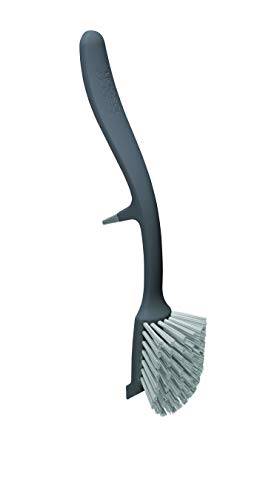
Joseph Joseph Edge Dish Brush with Sink Rest

BBXTYLY Extra Large Expandable Roll-Up Stainless Steel Sink Rack, Black

Joseph Joseph Extend Slim Steel Expandable Dish Rack, Grey
A Deeper Look At The Lineup
The Extend Steel Plus makes sense for households that alternate between a few plates and a larger post-dinner load. Its sliding construction expands the drying area, so a compact footprint doesn’t dictate the rack’s capacity once the arms are extended.
A dedicated stemware rail sets it apart from the more conventional layout of the Joseph Joseph Extend Steel. In a kitchen with frequently used wine glasses, that separation can reduce contact between fragile stems and crowded dish surfaces.
The Good Stuff
- Expands to twice its stored size for larger drying loads.
- The raised glass rail keeps stemware separated from plates and bowls.
- Removable inner racks make sink access and routine cleaning easier.
- A repositionable drain spout directs runoff toward the sink.
Practical Considerations
- Several moving and removable parts may need regular rinsing to prevent residue buildup.
- Measure the sink and surrounding area before expanding the rack in a narrow kitchen.
Quick Facts
Who Will Love This
You’ll appreciate this rack in a busy kitchen that regularly dries mixed dishware, including wine glasses.
A Better Fit Elsewhere
The Joseph Joseph Extend Slim Steel suits you better when a narrower stored footprint matters more than dedicated glass storage.
Compared with the Extend Steel Plus, this model takes a more traditional route to adjustable drying capacity. A two-part sliding tray expands across the sink while the movable cutlery holder can sit where your washing-up arrangement needs it.
That flexibility works well in a shared kitchen where dishes, cups, and utensils arrive together after meals. Coated prong tips reduce the likelihood of scratching compatible surfaces, while ribbed base sections help residual water move toward the drain.
Everyday Advantages
- Sliding storage expands capacity for a post-dinner load.
- Non-scratch prong tips suit commonly used kitchenware.
- Base ribs reduce trapped water beneath upturned cups and glasses.
- The removable cutlery holder supports organized drying.
Worth Noting
- Coated tips can collect residue and need occasional cleaning.
- Cutlery slots may slow drying for densely packed utensils in humid conditions.
Feature Snapshot
Made For
This rack fits everyday home cooks who want adjustable capacity, organized cutlery, and straightforward drainage.
Consider Something Else When
Choose the BBXTYLY roll-up rack instead for a substantially wider sink-spanning design.
The Wash & Drain is a basin rather than an over-sink rack, so its role is washing and water control rather than air drying. Its 9-liter capacity suits manual dishwashing in homes where filling, carrying, and emptying a large bowl becomes inconvenient.
The integrated plug offers two useful positions: open drainage for removing soapy water and a strain setting that retains food particles. That difference matters during meal preparation, where rinsing vegetables or collecting crumbs inside the basin is common.
What Stands Out
- The integrated plug avoids awkward lifting of a water-filled basin.
- A strain position keeps food particles contained for easy disposal.
- Two side handles support more controlled carrying.
Small Caveats
- This basin does not replace a rack for passive air drying.
- The 9-liter fill volume may still be substantial when fully loaded with water.
- Owners should rinse the plug and strain openings after use to limit residue buildup.
Core Details
Built With In Mind
Manual dishwashers benefit from the easier draining and carrying this compact basin provides.
Another Choice May Suit
The Joseph Joseph Extend Steel is the closer match for people who need a dedicated air-drying surface.
The Edge addresses a smaller problem than drying racks: where to keep a used dish brush without sacrificing useful counter space. Its integrated resting point sits along the inside edge of a compatible sink, keeping the handle elevated while water and suds drain away.
That arrangement can make compact sinks feel less crowded, especially in a rental kitchen with limited storage. The curved, non-scratch head is also shaped to reach corners inside trays and pans, though the brush remains a cleaning accessory rather than a drying solution.
Where It Helps
- Sink-edge storage preserves nearby counter space.
- The raised rest lets residual water and soap drain away.
- A curved head improves access to corners in compatible cookware.
Points To Note
- Compatibility depends on a suitable inside sink edge.
- Food residue can remain in the bristles, so rinse and air-dry the head routinely.
- It offers no dish-holding or passive-drying capacity.
The Right Fit
You’ll find this brush useful in a compact kitchen where sink-side storage is tighter than counter space.
Look Elsewhere When
The Joseph Joseph Extend Slim Steel serves you better when you need a complete drying platform.
This roll-up rack takes a different approach from the Joseph Joseph sliding models. Its stainless steel rods unfurl across the sink, offering a broad drying surface that can also be rolled into a compact shape for storage.
The listed dimensions expand from 12.4 by 12.8 inches to 12.4 by 22.8 inches. Your sink’s shorter side should remain within 21.3 inches, so measuring before ordering is essential in an unusually wide kitchen.
Strengths Worth Knowing
- The expanded surface offers generous space for plates and cookware.
- Rolling construction supports compact storage between uses.
- Stainless steel construction suits humid sink environments.
- Adjustment allows the rack to adapt to moderate sink sizes.
Trade Offs To Consider
- The 22.8-inch maximum width will not suit every sink.
- Rod gaps may be less accommodating for small bowls or narrow glassware.
- Roll the rack fully before storage to avoid pinching the rods during repeated use.
Technical Reference
Right Fit For
Large households with compatible wide sinks benefit most from the broad drying surface.
Where A Sibling Pick Shines
The Joseph Joseph Extend Steel Plus is more suitable when protected glass storage matters.
The Extend Slim Steel focuses on reducing its stored footprint, which makes it a credible option for apartment kitchens and modest sinks. Its two-part sliding tray creates extra drying length only as needed, preserving usable space between washing sessions.
It retains several practical details found on the larger Joseph Joseph Extend Steel, including steel prongs, raised base ribs, a removable cutlery holder, and a three-position drain spout. You may find the smaller form less generous for a large dinner-party load, though.
Points In Its Favor
- The sliding tray adds capacity without a permanently large footprint.
- Base ribs encourage water to drain from cups and glasses.
- The movable spout can accommodate different sink orientations.
- A removable cutlery holder simplifies storage and washing.
- Steel prongs provide firm support for common dishware.
Less Ideal Details
- Compact dimensions may limit bulky pots or several large plates.
- The moving tray and spout need occasional wiping to stay clean.
Who Should Grab It
You’ll find this model especially practical in a compact kitchen with limited sink and counter space.
Swap It Out When
The BBXTYLY roll-up rack serves wider sinks and larger dishware loads more effectively.
What Matters Before You Commit
Measure Before Anything Else
Start with the sink’s interior length, width, and depth, including the space occupied by the faucet and accessories. A rack may be compact while stored yet extend across the usable opening once loaded, so your daily dishes need to reach the supports as well.
Match Capacity To Your Routine
A couple can manage with a narrow sliding design, while a family washing cookware after dinner needs more surface area. Dedicated glass rails help stemware-heavy homes, whereas rod-style racks favor broad coverage and easy roll-up storage.
Check The Drainage Route
A drain spout sounds simple until faucet placement blocks the natural runoff path. Positioning matters more than the spout’s existence, particularly with double sinks, deep basins, and sliding rack frames.
Allow For Storage
Your drying rack also needs a home after the final plate is put away. Removable trays, rolling rods, and collapsible cutlery holders can reclaim space, but each requires enough room to open without forcing or bending.
Two Details That Change Daily Use
Wrong Turns To Avoid
Don’t rely on an approximate sink size; measure the short side and consider the drying rack at its expanded width. Also check clearance around the faucet, soap, and sink ledge before selecting a movable spout.
What Separates Premium From Basic
Higher-tier racks often add sliding expansion, coated prong tips, removable accessories, and flexible drainage. Those details help when you wash frequently, but a compact roll-up model can be more sensible for occasional loads and limited storage.
Frequently Asked Questions
Are Over-Sink Dish Racks Suitable For Small Kitchens?
Compact sliding models can suit small kitchens because they expand only as needed. Measure the sink and nearby fixtures before selecting one.
Do Expandable Racks Hold Heavy Cookware?
Capacity depends on frame construction, support spacing, and the item’s weight. Avoid placing cookware where its handle sits unsupported or raises the load unevenly.
Where Should Water Drain From A Dish Rack?
Water should travel toward the sink drain without pooling under cups or dishes. Align the spout and base channels with the basin’s lowest drainage area.
Are Stainless Steel Dish Racks Difficult To Maintain?
Rinse coated tips, joints, and drainage parts after use to reduce residue buildup. Empty standing water and let the rack dry before storing it.
Is A Roll-Up Rack Better Than A Sliding Rack?
A roll-up rack favors wider sink coverage and compact storage, while a sliding rack works well in narrower layouts. Your sink dimensions and typical dish load determine the better fit.
