
Getting a floating hardwood floor looking right again often comes down to a small seam that resists a mallet and a stubborn block. Hardwood Flooring Installation Kits For Homeowners give you repeatable spacing, controlled seam closure, and enough control to finish repairs without taking up an entire room.
Not every tool suits every installation method, and that distinction matters. These picks cover gap closure, installation spacing, corner access, and replacement accessories, with the right choice depending on the way your floor is attached and the amount of work ahead.
The Main Contenders

kosjund Floor Gap Fixer 4-Sided Tapping Tool

NAACOO 20-Piece Dual-Size Flooring Spacers
kosjund Dual-Surface Iron Floor Gap Fixer

kosjund Dual-Suction Floor Gap Repair Kit

kosjund 45-Degree Iron Floor Gap Fixer

kosjund Floor Gap Fixer with Slot Cutter
The Picks, Examined More Closely
kosjund Floor Gap Fixer 4-Sided Tapping Tool
Four striking faces give this floor repair tool more positioning options around cabinets, walls, and irregular seams. A reusable sticky pad adds support on textured flooring, which can be useful in an older home where a simple rubber face loses contact.
It suits homeowners repairing floating laminate, vinyl plank, or hardwood. Compared with the NAACOO spacing set, it addresses a seam after installation rather than controlling the expansion gap before the first board goes down.
Real Benefits
- Four-sided access helps you reposition the tool without moving the surrounding floorboards.
- The washable sticky pad can be refreshed and reused as its grip changes.
- Compatible with several common floating-floor materials.
Practical Considerations
- Confirm that the floor floats freely; force cannot safely reposition a nailed or glued seam.
- Clean textured contact areas before use, since trapped dust can reduce adhesion.
Core Details
Who It Suits Best
This option fits homeowners correcting isolated seams in a floating floor while working near cabinets or walls.
A Better Fit Elsewhere
Choose the NAACOO 20-Piece Dual-Size Flooring Spacers instead for the spacing stage of a new laminate or LVT installation.
NAACOO 20-Piece Dual-Size Flooring Spacers
Spacing controls the room to expand and contract as temperature changes. These spacers maintain a 1/4-inch or 1/2-inch gap along walls, giving floating boards room to move without allowing the edge to sit too tightly against the boundary.
The 20-piece count is practical for smaller rooms and targeted layouts, though a large floor can consume them quickly. Unlike the gap-closing tools elsewhere in this list, NAACOO prevents uneven installation spacing rather than repairing a joint later.
Useful Strengths
- Two gap sizes support different floating-floor layout requirements.
- Wedge-shaped pieces stay easy to position during repeated board installation.
- Twenty units cover useful repair and installation tasks without a large bundle.
- Works with laminate and LVT projects, including partial-room replacements.
Worth Noting
- You must follow the flooring manufacturer’s required perimeter allowance rather than choosing by appearance alone.
- Small pieces can disappear against a cluttered floor, so an organized work area helps.
- This set does not close seams after the boards are installed.
Right Fit For
These spacers suit beginners and experienced renovators laying floating laminate or LVT across a room or repair area.
Another Choice May Suit
The kosjund Floor Gap Fixer 4-Sided Tapping Tool is the stronger fit when the existing boards are installed and only a stubborn seam needs attention.
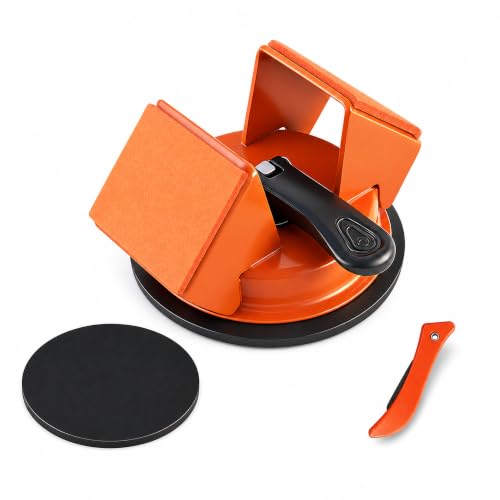
kosjund Dual-Surface Iron Floor Gap Fixer
The iron body gives this tool a firm base for controlled strikes against a floating plank. Dual 45-degree faces redirect force down and forward, helping the tip meet the board edge while remaining usable in confined areas.
That geometry makes it a practical repair option for laminate, vinyl, and compatible floating hardwood floors. The kosjund 4-Sided Tapping Tool offers a broader set of working faces, while this version keeps the design focused on directional seam closure.
Bright Spots
- Angled faces reduce tool slippage during controlled tapping.
- The iron construction suits repetitive seam work in occupied homes.
- Dual striking surfaces improve access in tight corners.
Minor Gripes
- The suction face needs a clean, smooth contact area to maintain its hold.
- You may need light successive strikes, since the listed design does not include a hammer or spare pads.
- Fixed flooring is outside the intended use.
At A Glance
Made For
This tool fits homeowners comfortable with light, controlled hammer work and seeking directional control in narrow repair areas.
Where A Sibling Pick Shines
The kosjund Dual-Suction Floor Gap Repair Kit offers more supplies and two suction cups for workshops or repeated household repairs.
kosjund Dual-Suction Floor Gap Repair Kit
This is the most self-contained repair option here, pairing the floor tool with a hammer, slot cutter, and five sticky pads. Dual silicone suction cups add stability across an open seam, while single-cup access helps near a wall where both cups cannot sit.
Its dual 45-degree faces carry felt pads to reduce striking noise and vibration. For a floating floor that has shifted after seasonal movement, that accessory mix makes it easier to finish the repair and keep the tool ready for later upkeep.
The Good Stuff
- Includes a hammer, cutter, and five replacement pads for a complete repair setup.
- Two suction cups improve stability across open seams.
- Single-cup positioning makes wall-adjacent repairs more practical.
- Felt-covered striking faces soften sound and vibration.
- Suitable for floating hardwood, laminate, vinyl, and engineered flooring.
Small Caveats
- Silicone cups can lose effectiveness on dusty or heavily textured surfaces.
- The larger accessory set takes more storage room than a standalone gap fixer.
Feature Snapshot
Built With In Mind
This kit suits homeowners handling recurring floating-floor seam repairs near walls or across exposed living areas.
Swap It Out When
Choose the NAACOO 20-Piece Dual-Size Flooring Spacers instead for preventing uneven perimeter gaps during a new installation.
kosjund 45-Degree Iron Floor Gap Fixer
Two angled striking faces give this iron repair tool flexibility along walls and inside corners. The geometry combines forward and downward force, which helps control the tool and brings the working edge into contact with a lifted or separated board.
For a homeowner comfortable with light tapping, that focused design handles targeted floating-floor repairs without a large setup. It shares the dual-surface approach of the kosjund Dual-Surface Iron Floor Gap Fixer, but the listed configuration is centered on seam angle and tight-space access.
Practical Advantages
- Angled geometry supports controlled directional tapping.
- Two faces adapt to corners and open seams.
- The iron body supplies a rigid platform for moderate repair work.
- A focused design suits isolated problems rather than full-floor installation.
Details To Watch
- A hammer and spare adhesive pads are not part of the listed configuration.
- Suction performance depends on cleaning the floor and pressing the cup fully before striking.
- Severe movement may indicate a broader moisture or installation issue.
Best Suited To
This option fits homeowners repairing a small number of seams in a floating floor, especially around cabinetry.
Reach For A Different Pick When
Choose the kosjund Dual-Suction Floor Gap Repair Kit for a larger repair session where accessories and two-cup stability matter.
kosjund Floor Gap Fixer with Slot Cutter
A slot cutter and five sticky pads make this iron floor gap fixer easier to maintain over repeated repairs. The angled striking faces support controlled closure in corners, while the replacement pads help preserve contact on flooring that is less than perfectly smooth.
It makes more sense for a floating floor with a few shifted boards than for a full installation. Compared with the NAACOO spacers, this tool acts after movement has already created the problem, so the two serve different stages of floor work.
Strong Points
- Five sticky pads support future grip maintenance.
- The slot cutter handles cleanup and maintenance tasks around the tool.
- Dual angled faces improve access in tight locations.
- The iron body provides a rigid striking surface.
Possible Compromises
- A hammer is not included in the listed configuration.
- You must confirm that the floor is floating rather than nailed or glued.
- Adhesive pads need careful cleaning and correct storage to remain useful.
- It is less useful during initial layout than a dedicated spacing set.
Who Will Love This
This option suits homeowners who want a maintained repair tool with replacement pads for occasional floating-floor upkeep.
Look Elsewhere When
Choose the kosjund 4-Sided Tapping Tool instead when broader access around the seam and a washable reusable pad matter more.
What Matters Across the Installation and Repair Process
Start with the attachment method
A floating floor can move enough for a seam tool to reposition planks through gentle tapping. A nailed or glued floor behaves differently, so first establish how the boards are secured and follow the flooring manufacturer’s guidance.
Set the perimeter before closing seams
An expansion gap is deliberate space that allows flooring to move with seasonal temperature and moisture changes. Use the required spacing throughout the room rather than planning to correct tight edges after installation.
Match the tool to the repair
Dual striking faces help control angle, suction adds stability, and adhesive pads can improve contact on textured flooring. None replaces careful surface preparation, and a compact repair tool may suit one loose seam better than a broader maintenance setup.
Keep a small care kit nearby
Store the tool, hammer, cutter, and replacement pads together after cleaning away dust and adhesive residue. A small dedicated case or divided toolbox prevents parts from disappearing during the next seasonal repair.
Installation Details Worth Checking Before Purchase
Mistakes Worth Dodging
Do not assume every hardwood repair tool suits every attachment method. Spacers belong in the initial layout, while gap fixers address movement after installation, and using force incorrectly can damage boards or their finish.
What Separates Premium From Basic
A larger repair set adds hammers, cutters, and replacement adhesive pads. That equipment improves maintenance convenience, while dual suction cups can add stability across open seams, but the basic angled design still serves many targeted floating-floor repairs.
Frequently Asked Questions
Can hardwood flooring gap tools close any damaged seam?
No. These tools are designed for floating floors that can move slightly during repair. Nailed or glued flooring requires a different approach based on its attachment and condition.
Are 1/4-inch and 1/2-inch spacers both suitable?
The correct spacing depends on the flooring manufacturer’s requirements and your installation conditions. Confirm those instructions before choosing either included size.
What is a 45-degree striking surface?
It is an angled face that redirects a hammer strike into forward and downward force. The geometry helps control the tool while bringing its working edge against a separated board.
Should a floor gap fixer include a hammer?
A hammer is useful, but not every configuration includes one. The kosjund Dual-Suction Floor Gap Repair Kit lists a hammer, while the 45-Degree Iron Floor Gap Fixer does not.
How do I keep a suction-based floor tool working well?
Clean dust and adhesive residue from the contact area, then press the suction cup firmly before tapping. Keeping unused pads clean and flat also helps preserve their shape.
