
A basement tile project can look simple until grout reaches the edges of the room, around floor drains, or across a large expanse of tile. The right float helps you spread grout consistently, press it into joints, and clean the surface without disturbing the tile face. The options below range from dedicated grout tools to membranes and finishing floats that support the larger installation process.
The Main Contenders
LATICRETE Hydro BAN® Waterproofing Membrane 1 Gallon Pail

GOLDBLATT G06964 9 x 4 Inch Molded Rubber Float

Bon Rubber Grout Float 12 x 4 x 5/8 Inch

LATICRETE SPECTRALOCK® 1 Pre-Mixed Grout Bright White

LATICRETE STRATA_MAT® Uncoupling Membrane Mat 323 Sq. Ft.
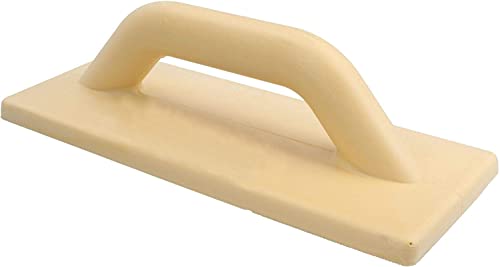
Tile and Stucco Poly Rendering Float 11 x 5.5 Inch
The Details Behind The Selections
HYDRO BAN is not a grout float, but it belongs in the same basement tiling plan because moisture control comes before grout placement. Its liquid rubber membrane is designed to form a flexible, seamless barrier and can be used without field fabric. That makes it useful around a laundry area, bathroom, or finished basement floor where a simpler membrane workflow matters.
Unlike the smaller masonry tools later in this list, this pail covers a broad substrate area rather than a single joint. The listed two-hour flood-check allowance begins at 70°F or higher, while actual curing still depends on the cautions in the product instructions.
Everyday Advantages
- Creates a continuous waterproofing layer beneath tile in damp spaces.
- Does not require fabric reinforcement for its stated field application.
- Its lighter color makes coverage easier to inspect during installation.
- Can be flood checked after two hours at the stated temperature, subject to curing guidance.
Small Caveats
- It handles waterproofing rather than grout distribution, so a separate float remains necessary.
- Curing conditions and nearby ventilation matter in a confined basement workspace.
At A Glance
Made For
This pick suits DIYers and tile installers preparing a basement floor that needs a dedicated waterproofing layer before tile or grout work begins.
Another Choice May Suit
Choose the Bon Rubber Grout Float instead for the later grouting stage, especially across a larger tiled floor.
The GOLDBLATT G06964 is a compact masonry float with a molded rubber face, metal backing plate, and soft-grip handle. Its 9-by-4-inch shape is easier to control around narrow basement rooms, thresholds, and sections of smaller tile than a broad finishing tool. For grout work, the rubber face helps distribute material while the rigid plate keeps pressure from becoming uneven.
This is a sensible first tool for a repair area or a small utility-room floor. It may take more passes across a large room, but the narrower face can make awkward sections less tiring. Compared with the 12-inch Bon model, it trades coverage area for maneuverability.
Practical Advantages
- The 9-by-4-inch face fits neatly around edges and small work zones.
- Rubber construction provides a forgiving surface for spreading grout.
- The metal back plate adds support without requiring a large, bulky frame.
- Soft-grip handling is helpful during repeated passes in a basement project.
Worth Noting
- Its smaller face covers less tile per pass than the 12-inch Bon float.
- Rinse dried grout from the rubber face promptly so the material does not build up along the edges.
Who It Suits Best
This float fits homeowners handling a small basement repair or working near walls, drains, and other tight sections where control matters more than maximum coverage.
Where A Sibling Pick Shines
The Bon Rubber Grout Float is the better fit for a large open basement floor where a 12-inch face can reduce the number of spreading passes.
Bon’s 12-by-4-by-5/8-inch grout float gives you a longer working face than the GOLDBLATT option, which can be useful across a rectangular basement floor. The aluminum backing adds structure, while the rubber pad is designed to spread grout and press it into the joints. The centered plastic handle keeps the tool balanced as you draw it across tile.
Beveled edges and rounded corners are practical details around a room’s perimeter, where a square tool can catch a tile edge or pull material from a fresh joint. The honest trade-off is weight and reach: the longer face demands more space and can be less nimble in a tight corner.
The Value In It
- The 12-inch face covers more tile in each pass than the GOLDBLATT float.
- Aluminum backing provides a firm base for consistent downward pressure.
- Beveled edges and rounded corners help protect tile edges while spreading grout.
- The centered handle supports balanced movement across a basement floor.
Trade Offs
- The longer face may feel less controlled in a very small work area.
- Clean the rubber pad and corners after each section so residue does not mark later tile.
Feature Snapshot
Right Fit For
This is a strong fit for a DIYer or tile setter working a medium or large basement floor with standard tile joints.
Consider Something Else When
Use the GOLDBLATT G06964 instead for a cramped repair area where a 9-by-4-inch face gives you more precise maneuvering.
SPECTRALOCK 1 is grout, not a float, so its place in this list depends on the whole job. A pre-mixed product removes the separate measuring and powder-mixing step, which can be attractive in a basement where dust control and simple cleanup matter. The bright white color also makes the finished joints visually distinct against darker tile.
The product is positioned for stain resistance and consistent color, although the appearance still depends on substrate preparation, joint filling, and cleanup timing. You still need a float to place it. Compared with traditional dry grout, the main convenience is less setup, not a different finishing method.
The Good Stuff
- Ready-to-use format reduces mixing and measuring steps.
- Bright white color creates a clean contrast with many tile colors.
- The listed product is designed for stain-resistant grout performance.
- Consistent color packaging is useful when visual uniformity matters across a floor.
Points To Consider
- A pre-mixed grout pail still requires careful surface preparation and timely removal of excess material.
- White grout shows soil and damp-area discoloration more readily than a darker shade.
Made For
This grout is suited to homeowners who want a simpler mixing workflow for a small or medium basement tile installation.
Another Choice May Suit
The Bon Rubber Grout Float is a better fit when the immediate need is spreading and packing grout across a larger tiled area.
STRATA_MAT is an uncoupling membrane, meaning it separates the tile or stone surface from the substrate to accommodate movement that can occur in a floor system. That makes it more relevant to a full basement renovation than a single grout repair. The 323-square-foot roll can cover a substantial area, but your actual coverage depends on the room layout, cuts, and installation method.
Its hydration vents support mortar coverage and can make wet adhesive easier to verify during placement. The product also lists light-over-concrete suitability when paired with a large-format, heavy tile adhesive mortar. This is system thinking: the mat, adhesive, tile, and substrate all need compatible installation instructions.
The Practical Payoff
- Provides a movement-management layer beneath stone or tile floors.
- The 323-square-foot roll suits larger room layouts and planned cuts.
- Hydration vents help expose mortar coverage during installation.
- Supports faster tile-to-grout timing in the stated 16-to-24-hour range.
Potential Drawbacks
- It does not replace a grout float, waterproofing membrane, or adhesive system.
- Large rolls need careful storage and planning so the material remains flat.
Core Details
Built With In Mind
This membrane is built for a complete basement tile installation where substrate movement and large-area coverage matter more than a quick grout touch-up.
Reach For A Different Pick When
Choose the Bon Rubber Grout Float when your project is limited to filling joints on an already prepared tile floor.
This 11-by-5.5-inch polyurethane float is designed for rendering, plastering, and stucco finishing rather than grout placement. Its large face can bring aggregate toward the surface and level a broad finishing area, which may help on a basement wall or unfinished masonry surface. The light construction and easy-grip handle are useful during longer finishing passes.
It belongs in the list as a useful adjacent tool, not as a replacement for the GOLDBLATT or Bon grout floats. The face is less precise for narrow grout joints, and a non-absorbent pattern face serves a different purpose than compacting cementitious grout. Keep it separate from your grout kit to avoid carrying finishing residue into fresh joints.
Good Reasons To Consider
- The 11-by-5.5-inch face covers a generous finishing area.
- Lightweight rigid polyurethane makes handling less tiring.
- Non-absorbent construction suits plaster and stucco finishing work.
- The handle is shaped for a comfortable grip during broad passes.
Less Ideal Details
- Its broad face is less precise for narrow grout joints and tight corners.
- Clean stucco or plaster residue from the face after use to prevent buildup.
Who It Suits Best
This pick suits a basement renovation that includes stucco, plaster, exterior insulation finish systems, or broad masonry surfaces alongside tile work.
Not Your Match When
Choose the GOLDBLATT G06964 instead for precise grout distribution around basement tile edges.
Choosing Tools for a Basement Tile Job
A basement project often needs more than one type of tool. Decide whether you are spreading grout, preparing a waterproofing layer, supporting a tile assembly over concrete, or finishing stucco before choosing a float.
Match the Tool to the Stage
A grout float presses material into joints and removes excess from the tile face. The Bon model’s 12-inch face suits a broad floor, while the GOLDBLATT float gives you more control in tight areas. Neither tool replaces substrate preparation, adhesive work, or sealing.
Pay Attention to the Working Face
Rubber faces are useful for cementitious grout because they can move across the tile without aggressively scratching the surface. Backplate material and handle placement influence stability. For large rooms, a longer face reduces passes, while a shorter face is easier to turn near a wall or drain.
Consider the Entire Installation
HYDRO BAN supports waterproofing, and STRATA_MAT supports a tile-and-stone assembly. Their benefits depend on compatible installation systems, not on the float alone. White pre-mixed grout can simplify mixing, yet it still needs a reliable float for placement and cleanup.
Basement Tool Details That Matter
Common Shopping Slip Ups
A broad stucco float is not a dedicated grout float, and a grout material is not an underlayment. Match the item to the installation stage, then confirm that the tool’s size suits the room and your working space.
What The Higher Tier Buys
A larger face can reduce passes across an open basement, while added backing or specialized membranes address specific installation needs. The extra capability is worthwhile only when your substrate, tile layout, and grout pattern call for it.
Frequently Asked Questions
What size grout float works best for a basement?
A 9-by-4-inch float offers maneuverability, while a 12-inch face covers larger floors more efficiently. Choose based on room size, tile layout, and how much turning space you have.
Do I need a separate grout float for basement tile?
Yes, a dedicated float helps spread grout and press it into joints evenly. Finishing floats, membranes, and waterproofing products serve different stages of the project.
Is a rubber grout float suitable for large rooms?
A rubber face is suitable for many tile-grouting tasks, and a larger model can reduce repeated passes. You still need to control pressure and remove excess grout before it hardens.
Can I use a pre-mixed grout in a basement?
Pre-mixed grout can simplify preparation, but the floor still needs proper preparation and timely cleanup. Consider moisture conditions, joint width, and the color contrast with your tile.
Should I use a membrane beneath basement tile?
An uncoupling or waterproofing membrane may be appropriate depending on the substrate, tile assembly, and movement concerns. Follow the product’s compatible mortar and installation instructions.
