
Choosing the right adhesive matters when a loose chair joint, outdoor planter, or cutting board needs a durable repair. Ge Waterproof Wood Glues and related sealants serve different purposes, so your choice depends on whether you need an everyday wood bond, a larger workshop supply, or a flexible seal around a wet room. These options cover furniture assembly, household repairs, and moisture-prone surfaces.
The Leading Options At A Glance

Titebond III Ultimate Wood Glue 16 oz #1414

Titebond Original Wood Glue 5063 8 oz

Titebond 1416 III Ultimate Wood Glue 1-Gallon

GE Supreme Silicone Caulk White 2.8 fl oz

Performance Materials GE Silicone GE284 Clear Caulk
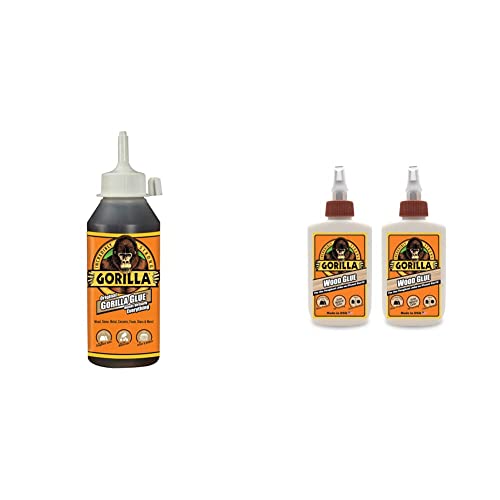
Gorilla Glue and Wood Glue Pack
Meet The Standout Selections
Titebond III Ultimate Wood Glue fits the repair you want finished today, not next weekend. Its strong initial tack shortens the clamping window, while the water-based formula makes cleanup easier around a crowded workbench. Compared with the larger gallon container later in this list, the 16-ounce bottle is easier to store and better suited to one household project.
That balance makes sense for repairing a dining chair, securing a drawer, or assembling a small shelf. You gain a bond designed to hold strongly in wood, but a careful fit and adequate pressure still determine how cleanly the joint cures.
A Few Highlights
- Strong initial tack helps parts stay aligned during assembly.
- Water cleanup helps keep glue residue off tools and unfinished wood.
- Easy sanding supports a smooth finish after the joint has cured.
- The 16-ounce size is convenient for a home workshop or occasional repairs.
Small Caveats
- The 30-minute clamp time requires planning around the repair.
- Owners should keep the container tightly closed and store it away from temperature extremes.
Who It Suits Best
Homeowners making furniture repairs, small assemblies, and interior woodworking projects benefit most from this bottle size.
Where Another Pick Suits Better
Professionals handling frequent workshop production should consider Titebond 1416 III Ultimate Wood Glue 1-Gallon for fewer container refills.
Titebond Original Wood Glue 5063 is the straightforward choice for a shop bench where dependable wood assembly matters more than a specialty formulation. The 8-ounce bottle is compact, familiar, and easy to keep near hand tools. Compared with Titebond III Ultimate, it offers a shorter clamp-time orientation for projects that do not require the same extended moisture resistance.
A furniture hinge, trim piece, or small model can benefit from its fast-setting character. You still need a tight joint, even glue coverage, and enough pressure during curing, but the basic process remains accessible for beginners.
A Favorable Mix
- Fast-setting behavior supports quick bench work.
- Water cleanup helps simplify routine maintenance around the work area.
- Good sandability makes it suitable for projects that receive paint or finish.
- The compact bottle works well for modeling, household repair, and furniture assembly.
Worth Noting
- Its smaller container is less convenient for continuous furniture production.
- Moisture resistance is not the central focus, so wet or exterior projects deserve more attention.
Who Will Love This
Bench workers, modelers, and beginners who value quick cleanup and simple wood assembly will find this format especially practical.
A Better Fit Elsewhere
For larger furniture projects, Titebond III Ultimate Wood Glue 16 oz #1414 offers a more substantial container and longer-term moisture-oriented features.
For repeat furniture work or a busy workshop, the one-gallon Titebond 1416 III container removes the friction of constantly managing a small bottle. The gallon format makes sense when you are assembling cabinets, repairing multiple pieces, or working through a long weekend project. Compared with the 16-ounce version, the trade-off is storage weight rather than adhesive performance.
Its listed characteristics suit interior and exterior wood applications, with water cleanup, easy sanding, and resistance to heat, solvents, and mildew after curing. You still need to protect the container from freezing and keep the cap clean so residue does not complicate later use.
Positive Points
- Large volume supports ongoing cabinet, trim, and furniture work.
- Waterproof formulation suits projects exposed to changing moisture.
- Easy sanding helps preserve a smooth surface after assembly.
- Resists solvents and mildew for demanding wood joints.
Points To Consider
- The gallon container is awkward to move in a small work area.
- Stored glue needs protection from freezing and container contamination.
The Right Fit
Furniture makers, cabinet installers, and serious home woodworkers who repeatedly assemble wood joints will appreciate the supply size.
Reach For A Different Pick
Homeowners making one small repair should choose Titebond III Ultimate Wood Glue 16 oz #1414 to avoid storing a large container.
GE Supreme Silicone Caulk is the right tool for sealing joints, not bonding two wood pieces. A 2.8-ounce tube fits small touchups around sinks, tubs, counters, and bathroom fixtures, where a larger cartridge would be unnecessary. Unlike the Titebond choices, its value comes from creating a flexible barrier that tolerates movement and moisture.
The white finish suits light-colored kitchen and bath surfaces, while the low-odor formula keeps indoor application more practical. You need clean, dry surfaces and steady application for a neat result, especially around corners and tight edges.
Strengths Worth Knowing
- Silicone construction provides a water-resistant seal in wet rooms.
- Flexible behavior handles temperature-driven expansion and contraction.
- Water-ready in 30 minutes supports faster project turnover.
- The small tube is easy to store and control on narrow seams.
Minor Gripes
- The white color is less suitable for visibly mismatched surfaces.
- Excess sealant can bead along the edge, so tooling and cleanup require care.
Made For
Homeowners refreshing a sink rim, bathtub edge, or bathroom fixture benefit most from this compact sealant format.
Look Elsewhere When
For clear seams around multiple wet-room surfaces, Performance Materials GE Silicone GE284 Clear Caulk offers a more discreet visual finish.
Clear silicone caulk earns its place when a bathroom repair needs to disappear into the joint. GE284 is suited to showers, tubs, sinks, tile, countertops, and fixtures, making it a useful companion to wood glue on mixed renovation projects. Its 3-hour shower-ready claim gives you a shorter wait than the 30-minute water-ready window listed for the white GE Supreme option.
Compatibility is broad across ceramic, porcelain, glass, metal, plastic, granite, and wood, but surface preparation still controls the result. You benefit most when the joint is dry, clean, and properly supported, since a flexible sealant cannot compensate for loose material.
Where It Delivers
- Clear finish suits discreet repairs across visible household surfaces.
- Broad material compatibility helps with mixed kitchen and bath assemblies.
- Three-hour shower-ready timing supports same-day fixture work.
- Silicone remains useful where joints may flex with temperature changes.
Some Limits To Know
- It is a sealant, not a structural wood adhesive.
- Owners should allow the full listed cure period before exposing the joint to heavy water.
Who Should Grab It
Homeowners and remodelers handling clear shower, tub, sink, or countertop seams will find the color and surface range useful.
Another Choice May Suit
Choose GE Supreme Silicone Caulk White 2.8 fl oz when a white finish and a smaller tube suit a light-colored touchup.
This Gorilla pack gives you two different adhesive behaviors for a mixed repair session. Original expands into porous materials and cures in 24 hours, while the wood glue is designed for a more natural bond line in ordinary wood projects. Compared with Titebond III, the pack is less specialized but more versatile across household materials.
Use the Original for demanding gaps and porous surfaces, then rely on the wood glue for cleaner-looking assemblies. The wood formula requires 20 to 30 minutes of clamping and can be painted or sanded after curing, making it a practical fit for repair shelves, furniture, and craft work.
Strong Points
- Two formulas cover both gap-filling and conventional wood assembly.
- Original Glue expands into materials, helping fill irregular spaces.
- Wood Glue produces a more natural appearance for visible projects.
- Both products are water-resistant and suitable for indoor or outdoor use after curing.
Practical Considerations
- Original Glue needs moisture activation and can leave a visible foam line.
- The Original and wood adhesives have different clamp and cure schedules.
Built With In Mind
Workshop hobbyists and homeowners handling mixed wood repairs benefit from having two adhesive types in one purchase.
Where A Sibling Pick Shines
For a single clean wood joint, Titebond III Ultimate Wood Glue 16 oz #1414 provides a more focused choice with a longer-term moisture-oriented profile.
Choosing Adhesives and Sealants With Purpose
Match the adhesive to the joint
Wood glue is designed to hold porous wood surfaces together, while silicone sealant creates a flexible barrier between adjoining surfaces. A glue bottle is not interchangeable with a caulk tube, so identify whether the repair needs structural contact or a sealed perimeter first.
Consider moisture exposure
Bathroom and kitchen joints need a sealant that can remain flexible as temperatures and humidity change. Exterior wood work also calls for a water-resistant adhesive, but you still need to protect the container and provide adequate curing conditions.
Think about project size
Small household repairs are easier to manage with a compact bottle or tube. Repeated furniture work may justify a larger container, while mixed-material projects benefit from a pack with separate formulas for wood and broader repairs.
Check finishing requirements
Sandability, paintability, and bond-line appearance affect the final result. You benefit from a low-visibility adhesive for furniture, while a sealing compound is more useful around fixtures, tubs, and counters.
Adhesive Details That Matter
Common Shopping Slip Ups
Do not treat a waterproof sealant as a wood adhesive, or choose ordinary glue for a joint that must flex around a shower. Match the product to the material and movement, then read the listed cure and clamp times before opening the container.
What Separates Premium From Basic
Higher-volume containers and broader formulations can reduce interruptions during repeated work. The premium choice matters most when moisture resistance, flexible sealing, or a larger supply is central to the project, rather than simply increasing the amount of adhesive.
Frequently Asked Questions
Which Titebond glue is best for exterior furniture repair?
Titebond 1416 III Ultimate Wood Glue 1-Gallon is designed for interior and exterior wood applications, with water cleanup and moisture resistance listed among its features. Smaller Titebond options work well for household repairs, but the gallon size suits frequent projects.
Is Titebond III wood glue waterproof?
The product context identifies a waterproof formula and lists resistance to moisture-related conditions after curing. You should still follow the stated application and curing instructions, especially on exposed exterior joints.
Can silicone caulk replace wood glue?
No. Silicone caulk seals the space between surfaces, while wood glue bonds porous wood fibers together. Use glue for structural wood joints and silicone for flexible kitchen or bathroom seams.
What is the difference between Gorilla Original and Gorilla Wood Glue?
Gorilla Original expands into porous materials and is suited to gaps and mixed surfaces. Gorilla Wood Glue is designed for conventional wood projects, with a more natural bond line and a 20-to-30-minute clamp time.
Can I sand and paint these wood glues?
Titebond III and Gorilla Wood Glue are described as sandable, and Gorilla Wood Glue is also paintable after curing. Finish the joint only after the adhesive has cured and the surface is dry, because early sanding can disturb a weak bond line.
